
Starting a small business is an entrepreneurial dream for many, promising autonomy, innovation, and the potential for substantial financial reward. However, the path from idea to sustainable enterprise is paved with intricate financial considerations. Far from being a mere afterthought, robust financial planning and management form the bedrock of any successful small business. Without a clear understanding of capital, cash flow, profitability, and financial risk, even the most innovative ventures are likely to falter. This article delves into the critical financial aspects of establishing and growing a small business, offering a comprehensive blueprint for aspiring entrepreneurs focused on building a financially sound and resilient enterprise.
Laying the Financial Foundation for Your Small Business
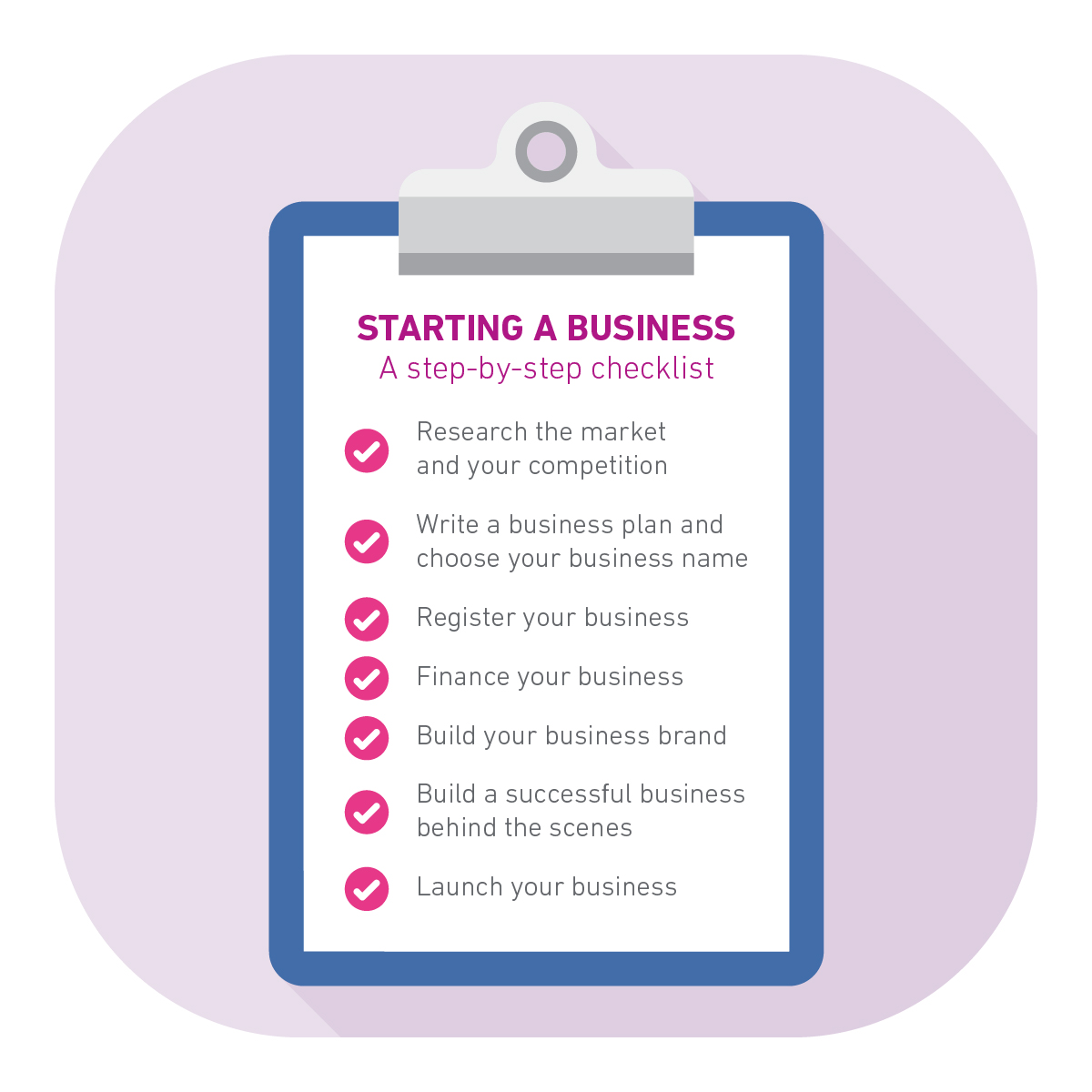
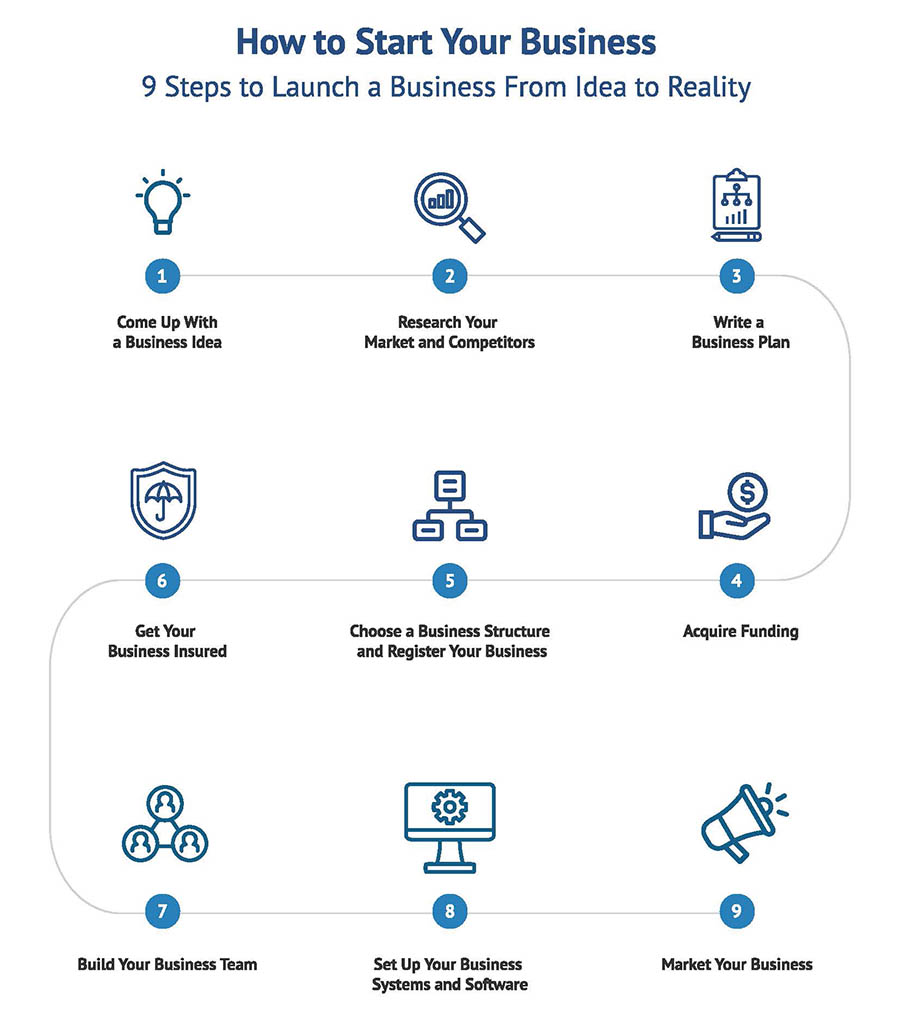
The journey of making a small business begins long before the first sale, with meticulous financial planning and an unsparing assessment of your economic landscape. This foundational stage is crucial for mitigating risks and setting a clear financial trajectory.
Idea Validation and Market Research for Financial Viability
Before investing time or capital, the core business idea must undergo rigorous validation, primarily through a financial lens. This isn’t just about identifying a need in the market; it’s about confirming there’s a profitable market for your proposed solution. Conduct thorough market research to understand your target customer’s willingness to pay, the existing pricing structures of competitors, and the overall market size and growth potential. Can your product or service command a price that covers costs and generates a healthy profit margin? What is the projected sales volume required to break even and then thrive? This initial financial viability assessment prevents you from sinking resources into an idea, however brilliant, that lacks a sustainable revenue model. It involves analyzing potential revenue streams, estimating sales forecasts based on market demand, and identifying the competitive landscape’s impact on your pricing power and market share. Without a clear path to profitability identified at this stage, the subsequent steps become significantly riskier.
Crafting a Robust Business Plan with Financial Projections
The business plan serves as your strategic roadmap, and its financial section is arguably the most vital component. This isn’t just a document for potential investors; it’s a living guide for your own financial management. Your financial projections should include detailed income statements (profit and loss), cash flow statements, and balance sheets for at least the first three to five years. These projections demand realistic assumptions about revenue growth, cost of goods sold, operating expenses, and capital expenditures. A well-constructed financial plan will highlight your funding requirements, pinpoint potential shortfalls, and provide a framework for measuring performance against established benchmarks. It forces you to think through every expense, every potential income stream, and every financial decision, creating a comprehensive financial narrative for your business’s future. This also includes defining your business model and how it generates revenue – whether through direct sales, subscriptions, advertising, or a hybrid approach – and mapping out the financial implications of each.
Understanding Startup Costs and Initial Investment
A critical step in financial planning is to meticulously itemize all anticipated startup costs. These can range from tangible assets like equipment, inventory, and office space (or digital equivalents for online businesses) to intangible costs such as legal fees for incorporation, intellectual property registration, and initial marketing outlays. Don’t forget operational expenses that will occur before revenue starts flowing in, such as salaries, utilities, software subscriptions, and insurance. Create a detailed spreadsheet that breaks down one-time setup costs from recurring monthly expenses. This comprehensive understanding of your initial investment will dictate how much capital you need to raise or personally invest, ensuring you have sufficient runway to launch and begin generating revenue without immediately facing a cash crunch. Overlooking or underestimating these initial costs is a common pitfall for new businesses, often leading to early financial distress.
Funding Your Venture: Securing Capital and Managing Cash Flow
Once your financial foundation is laid, the next challenge is to secure the necessary capital and then manage it effectively to ensure the business’s ongoing liquidity and solvency. Access to appropriate funding and diligent cash flow management are paramount for survival and growth.
Exploring Funding Options and Securing Capital
There are various avenues for financing a small business, each with its own advantages and implications. Bootstrapping, or self-funding, allows you to maintain full ownership and control, but requires significant personal savings or early profitability. Debt financing includes traditional bank loans, lines of credit, or Small Business Administration (SBA) loans, which require a solid business plan and often personal guarantees. Equity financing, from angel investors or venture capitalists, involves giving up a portion of ownership in exchange for capital, typically for businesses with high growth potential. Crowdfunding platforms can also provide capital from a large number of small investors, often with product pre-sales or equity stakes. For many small businesses, a combination of these methods is the most realistic path. Thoroughly research each option, understanding their terms, interest rates, repayment schedules, and impact on your business’s financial structure. Choosing the right funding source that aligns with your business model and growth aspirations is a strategic financial decision.
Mastering Business Budgeting and Financial Planning
A detailed and dynamic budget is the cornerstone of effective financial management. It acts as a financial roadmap, allocating resources to various departments and activities while setting spending limits. Your budget should cover all anticipated income and expenses over a specific period, typically monthly or quarterly. Regular review and adjustment of this budget are essential as your business evolves and market conditions change. Distinguish between fixed costs (rent, salaries) and variable costs (raw materials, sales commissions), as this distinction is crucial for understanding your break-even point and scaling operations. Beyond simple budgeting, continuous financial planning involves scenario analysis – what happens financially if sales are lower than expected, or costs increase? Proactive financial planning allows you to anticipate challenges and adapt your strategies before they become crises, ensuring financial stability and guiding resource allocation for optimal returns.
Strategies for Effective Cash Flow Management
“Cash is king” is a common adage in business, and for good reason. A profitable business can still fail if it runs out of cash – a phenomenon known as being “cash flow insolvent.” Effective cash flow management involves monitoring the money coming into and going out of your business. Strategies include optimizing accounts receivable (ensuring customers pay on time), managing accounts payable (negotiating favorable payment terms with suppliers), maintaining lean inventory levels, and establishing a cash reserve for unexpected expenses. Forecast your cash flow regularly to anticipate periods of surplus or deficit, allowing you to proactively seek short-term financing or adjust spending. Tools like cash flow statements are indispensable for this process, providing a real-time snapshot of your financial liquidity and helping you make informed decisions about spending, investment, and debt repayment. Understanding the timing of cash inflows and outflows is critical to avoid liquidity crises.
Pricing Strategies for Profitability
Setting the right price for your products or services is a delicate balance between market competitiveness and financial viability. Pricing too low can undervalue your offering and lead to insufficient profit margins, while pricing too high can deter customers. Common pricing strategies include cost-plus pricing (adding a markup to your total costs), value-based pricing (setting prices based on the perceived value to the customer), and competitive pricing (matching or beating competitor prices). A financially astute entrepreneur will also consider tiered pricing models, psychological pricing, and discount strategies. Crucially, your pricing strategy must ensure that each sale contributes positively to your bottom line after accounting for all direct and indirect costs. Regularly review and adjust your pricing based on market feedback, cost changes, and competitor actions to optimize profitability and maintain a strong financial standing.
Operational Finance: Managing Your Money Day-to-Day
With funding secured and initial plans in place, the daily financial operations become the heartbeat of your small business. Meticulous tracking, accurate reporting, and adherence to financial regulations are paramount for ongoing health.
Setting Up Business Banking and Accounting Systems
From day one, it is imperative to separate personal and business finances by opening dedicated business bank accounts. This not only simplifies accounting and tax preparation but also protects your personal assets in case of business liabilities. Concurrently, establish a robust accounting system. This could involve hiring a bookkeeper, using accounting software like QuickBooks or Xero, or even initially managing it yourself with spreadsheets if the business is very small. The goal is accurate and timely record-keeping of all financial transactions, including income, expenses, assets, and liabilities. A well-organized accounting system provides the data necessary for financial analysis, tax compliance, and strategic decision-making, ensuring that you always have a clear picture of your business’s financial status.

Understanding and Managing Business Expenses
Controlling expenses is as vital as generating revenue. Develop a clear understanding of your fixed costs (e.g., rent, insurance, loan payments) and variable costs (e.g., raw materials, packaging, shipping). Regularly review all expenditures to identify areas where costs can be reduced without compromising quality or service. Negotiate with suppliers, seek bulk discounts, and continually evaluate the ROI of every expense. Implement an expense tracking system to categorize and monitor spending, which is crucial for budgeting and tax purposes. Smart expense management directly impacts your profit margins and cash flow, contributing significantly to the financial health and sustainability of your small business. Identifying cost-saving opportunities and negotiating favorable terms with vendors can free up valuable capital for reinvestment or contingency.
Navigating Taxes and Legal Financial Compliance
Tax obligations for small businesses can be complex and vary significantly based on your business structure (sole proprietorship, partnership, LLC, corporation) and location. Understand your responsibilities regarding income tax, sales tax, payroll taxes (if you have employees), and any industry-specific levies. It is often wise to consult with a tax professional or an accountant early on to ensure compliance and optimize tax strategies. Staying compliant with all financial regulations, including maintaining accurate records, filing reports on time, and adhering to labor laws related to wages and benefits, is not just a legal necessity but also a financial imperative to avoid costly penalties and audits. Setting aside funds for taxes regularly (e.g., through estimated tax payments) is a critical component of sound financial planning.
Monitoring Key Financial Performance Indicators (KPIs)
To effectively manage your business financially, you must regularly monitor key performance indicators (KPIs). These are measurable values that demonstrate how effectively your company is achieving its financial objectives. Relevant financial KPIs for a small business might include gross profit margin, net profit margin, operating cash flow, customer acquisition cost (CAC), customer lifetime value (CLTV), break-even point, and inventory turnover. Tracking these metrics provides invaluable insights into your business’s financial health, highlights trends, and allows you to make data-driven decisions. Consistent monitoring helps identify problems early, assess the effectiveness of strategies, and pinpoint areas for financial optimization, driving continuous improvement in profitability and efficiency.
Growth and Long-Term Financial Sustainability
Once established, a small business must focus on sustained financial growth and building resilience against economic fluctuations. Long-term financial planning ensures not just survival, but thriving.
Reinvesting Profits for Scalable Growth
As your business begins to generate profits, a crucial financial decision is how to allocate these earnings. While owners may be tempted to take distributions, strategic reinvestment is often key to scalable growth. Reinvesting profits back into the business can fund expansion, develop new products or services, upgrade technology, invest in marketing campaigns, or hire additional staff – all of which can drive future revenue and profitability. Before reinvesting, conduct a thorough financial analysis to ensure that the proposed investments offer a strong return on investment (ROI). This calculated approach to profit allocation ensures that your capital is working effectively to build long-term value and competitive advantage, rather than being simply consumed.
Building Financial Resilience and Emergency Funds
The business world is unpredictable. Economic downturns, unexpected operational disruptions, or sudden market shifts can severely impact even the most robust businesses. Building a financial safety net is critical for long-term sustainability. Establish an emergency fund – typically 3 to 6 months of operating expenses – to cushion against unforeseen circumstances. This fund provides a vital buffer, preventing the need for drastic cost-cutting measures or immediate borrowing during challenging times. Diversifying revenue streams, reducing reliance on single customers or suppliers, and maintaining a healthy balance sheet also contribute to financial resilience, ensuring your business can weather storms and continue operations without significant financial stress.
Succession Planning and Exit Strategies
While it might seem premature when just starting, thinking about succession planning or an eventual exit strategy is a crucial financial consideration. Whether you envision selling the business, passing it down to family, or simply winding it down, having a clear financial plan for this eventuality helps maximize the business’s value and ensures a smooth transition. This involves consistently building the business’s asset base, maintaining impeccable financial records, and ensuring that the business is not overly dependent on any single individual. Understanding potential valuation methods and improving key financial metrics that buyers look for can significantly enhance your business’s marketability and financial return when the time comes to transition ownership.
Leveraging Financial Tools for Success
In today’s digital age, a plethora of financial tools and software can significantly streamline money management for small businesses, improving accuracy and efficiency.
Essential Accounting Software and Platforms
Modern accounting software like QuickBooks, Xero, FreshBooks, or Wave (for smaller businesses) automates many tedious financial tasks. These platforms can handle invoicing, expense tracking, payroll, bank reconciliations, and generate essential financial reports such as profit and loss statements and balance sheets. Implementing such software from the outset saves time, reduces human error, and provides real-time insights into your financial health. The investment in robust accounting software pays dividends by ensuring accurate financial data, simplifying tax preparation, and empowering you to make informed decisions based on precise figures. Many also integrate with payment processors and banking systems, creating a seamless financial ecosystem.
Tools for Budgeting and Expense Tracking
Beyond full-suite accounting software, specialized tools for budgeting and expense tracking can be invaluable. Spreadsheets (like Excel or Google Sheets) remain powerful for custom budget models. Apps like Mint or YNAB (You Need A Budget) can also be adapted for micro-businesses, offering granular control over spending categories and budget adherence. For tracking business expenses, dedicated receipt scanning apps and expense management platforms can significantly reduce administrative burden and ensure all deductible expenses are captured. These tools empower entrepreneurs to stay on top of their spending, identify potential overruns, and maintain fiscal discipline, which is crucial for managing cash flow effectively.
Utilizing Financial Data for Strategic Decisions
The true power of financial tools lies not just in automation, but in their ability to generate actionable insights from your data. Regularly analyzing your financial reports – income statements, cash flow statements, and balance sheets – is paramount. Look for trends, identify anomalies, and compare current performance against your budget and historical data. For instance, a declining profit margin might signal a need to adjust pricing or reduce costs. A fluctuating cash flow could indicate issues with invoicing or expense timing. Utilizing this financial intelligence to inform strategic decisions about pricing, investment, operational efficiencies, and market expansion can significantly enhance your business’s competitive edge and long-term financial prosperity.
Making a small business a success is as much a financial endeavor as it is an operational or creative one. By prioritizing robust financial planning, judiciously managing capital and cash flow, diligently overseeing day-to-day financial operations, and strategically planning for growth, entrepreneurs can build not just a business, but a resilient, profitable, and financially sustainable enterprise. The journey is challenging, but with a solid financial blueprint, the rewards can be truly transformative.
aViewFromTheCave is a participant in the Amazon Services LLC Associates Program, an affiliate advertising program designed to provide a means for sites to earn advertising fees by advertising and linking to Amazon.com. Amazon, the Amazon logo, AmazonSupply, and the AmazonSupply logo are trademarks of Amazon.com, Inc. or its affiliates. As an Amazon Associate we earn affiliate commissions from qualifying purchases.