
The allure of entrepreneurship, particularly when tethered to the comfort and convenience of one’s own home, has never been stronger. In an era where digital tools and flexible work models proliferate, starting a home-based business is an increasingly viable path to financial independence and personal fulfillment. However, transforming a brilliant idea into a thriving home enterprise requires more than just passion; it demands a meticulous financial strategy. This guide delves exclusively into the monetary aspects, providing a robust framework to navigate the financial landscape of launching and scaling a successful home-based venture.
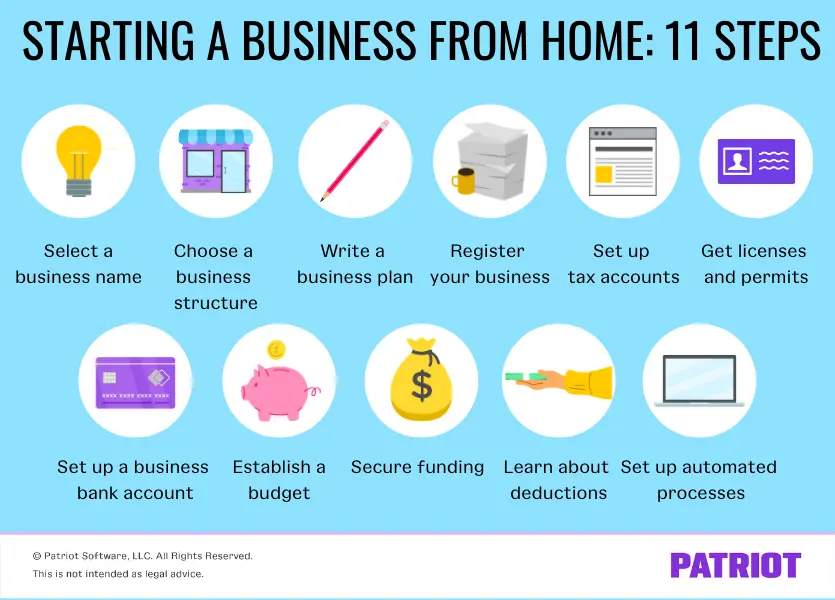
Laying the Financial Foundation for Your Home Business
Before a single product is sold or service rendered, the financial bedrock of your home business must be meticulously laid. This initial phase is critical for defining profitability, understanding capital requirements, and setting realistic expectations for your venture’s monetary future.
Identifying Profitable Niches and Market Opportunities
The first financial consideration isn’t about how much money you have, but how much money your idea can make. Identifying a profitable niche involves more than just passion; it requires market research to uncover unmet needs or underserved segments where consumers are willing to spend. Begin by analyzing market demand, competitor pricing strategies, and potential revenue streams. Is there a gap in the market that your unique offering can fill? What is the average customer acquisition cost in this niche, and what is the potential lifetime value of a customer?
- Market Research & Demand Analysis: Utilize tools like Google Trends, keyword planners, and industry reports to gauge interest and search volume for potential products or services. Look for niches with high demand but moderate competition.
- Competitor Financial Analysis: Study the pricing models of existing businesses in your chosen niche. Understand their value proposition relative to their price points. Can you offer comparable value at a lower cost, or superior value at a premium price? This informs your initial pricing strategy and potential profit margins.
- Understanding Revenue Models: Consider various ways your business can generate income. Will it be direct sales, subscriptions, advertising, consulting fees, or a combination? Each model has different financial implications for startup costs, recurring revenue, and scalability.
Crafting a Robust Business Plan with Financial Projections
A business plan serves as your financial roadmap, outlining not just what you intend to do, but how you intend to fund it and generate returns. For a home-based business, this financial section is arguably the most crucial. It forces you to confront the realities of costs, pricing, and potential profitability.
- Startup Costs Estimation: Detail every single expense required to get your business operational. This includes permits, licenses, initial inventory, website development, marketing materials, essential equipment, and software subscriptions. Be as granular as possible.
- Operating Expense Projections: Beyond startup, what are your recurring monthly expenses? Think utilities (portion allocated to business), internet, phone, insurance, marketing budget, payment processing fees, and any outsourced services. Differentiate between fixed costs (rent, software subscriptions) and variable costs (production materials, shipping).
- Sales Forecasts and Revenue Projections: Based on your market research, project conservative, realistic, and optimistic sales figures for the first 1-3 years. Break these down monthly. This helps you understand when you might break even and become profitable.
- Profit and Loss (P&L) Statement Projections: Use your revenue and expense projections to forecast your P&L. This will show your expected net profit or loss over specific periods, crucial for understanding financial viability.
- Cash Flow Statement Projections: This is paramount for a new business. It tracks the actual movement of money in and out of your business. Even if profitable on paper, a business can fail due to poor cash flow. Projecting cash flow helps you anticipate potential shortfalls and plan for working capital.
Understanding Initial Costs and Budgeting
Many aspiring home entrepreneurs underestimate the initial financial outlay. A detailed budget prevents costly surprises and ensures you allocate resources efficiently. This goes beyond just what you buy; it includes the cost of your time and potential lost income from a previous job.
- Essential Equipment & Software: What specific tools do you need? A reliable computer, printer, specialized software (CRM, accounting, design), or perhaps manufacturing equipment for physical products. Prioritize necessities over “nice-to-haves” initially.
- Legal & Administrative Fees: Business registration, licenses, permits, and potentially legal consultation fees for contracts or intellectual property. These are often non-negotiable costs.
- Marketing & Branding Essentials: While you’ll delve deeper later, initial branding costs (logo design, basic website/social media setup) and launch marketing efforts (initial ads, PR) need to be budgeted.
- Contingency Fund: Always allocate 10-20% of your total estimated startup costs as a contingency fund. Unexpected expenses are common in the early stages of any business.
Navigating Funding and Legalities from a Financial Standpoint
Once your financial plan is in place, the next step involves securing the necessary capital and understanding the financial implications of legal and operational setups. This phase bridges your planning with practical execution, always with an eye on optimizing your financial resources.
Exploring Funding Avenues: Bootstrapping, Loans, and Grants
Access to capital is often the biggest hurdle for new businesses. For home-based ventures, a lean approach is often preferred, but external funding options exist.
- Bootstrapping (Self-Funding): This is the most common approach for home businesses. It involves using personal savings, credit cards, or generating early revenue to fund growth. While it maintains full ownership, it can limit growth speed. Strict personal finance discipline is essential here to prevent commingling funds and to ensure your personal financial health isn’t jeopardized.
- Small Business Loans: Traditional banks, credit unions, and online lenders offer various loan products. For home businesses, options might include microloans, equipment loans, or lines of credit. Be prepared with your detailed business plan and financial projections to demonstrate repayment capacity. Understand interest rates, repayment terms, and collateral requirements.
- Government Grants & Programs: Research local, state, and federal programs designed to support small businesses, especially those in specific industries or owned by certain demographics (women, veterans, minorities). These are often non-repayable funds, making them highly desirable, though competitive.
- Friends and Family Investments: While a personal route, treat this like a formal investment. Clearly define terms, repayment schedules, and any equity considerations to avoid future financial misunderstandings.
Essential Legal and Registration Costs
Operating a legitimate business, even from home, requires adherence to legal structures and regulations, each with its own set of financial implications. Ignoring these can lead to far greater financial penalties down the line.
- Business Structure Fees: Deciding between a sole proprietorship, LLC, S-Corp, or C-Corp has varying costs for setup, ongoing compliance, and tax implications. An LLC, for instance, offers personal liability protection for a modest registration fee, which is a valuable financial safeguard.
- Licenses and Permits: Depending on your industry and location, you might need specific federal, state, or local business licenses and permits. These often come with application and renewal fees. Research these meticulously to avoid fines.
- Insurance: Business insurance (e.g., general liability, professional indemnity) is a critical financial safeguard. It protects your assets against potential claims, lawsuits, or unforeseen events that could otherwise devastate your personal and business finances.
Setting Up a Cost-Effective Home Office
Your workspace doesn’t need to break the bank, but strategic financial decisions here can impact productivity and tax deductions.

- Leveraging Existing Resources: Before buying new, assess what you already own. Can your personal computer serve double duty initially? Can an existing room be repurposed?
- Budgeting for Ergonomics: Investing in an ergonomic chair or monitor stand isn’t just about comfort; it’s about long-term health and productivity, reducing potential future medical costs or lost workdays.
- Tax Deductions for Home Office Expenses: Understand IRS (or local tax authority) rules regarding home office deductions. A portion of your rent/mortgage, utilities, internet, and phone bill can be deductible if your home office is used exclusively and regularly for business, representing a significant financial benefit. Keep meticulous records.
Strategic Financial Management for Sustainable Growth
Once operational, the focus shifts to day-to-day financial management. This is where meticulous tracking, astute pricing, and disciplined budgeting transform your home business into a truly sustainable and profitable venture.
Pricing Your Products/Services for Profitability
Pricing is an art and a science, directly impacting your revenue and perceived value. It must cover your costs, provide a profit margin, and remain competitive.
- Cost-Plus Pricing: Calculate all direct and indirect costs associated with your product/service, then add a desired profit margin. This ensures you’re always covering expenses.
- Value-Based Pricing: Price based on the perceived value your offering brings to the customer, rather than just your costs. If your solution solves a significant problem or saves customers time/money, you can command a premium.
- Competitive Pricing: Research what competitors are charging and position your pricing strategically. Are you aiming to be the low-cost leader, or a premium provider?
- Dynamic Pricing & Bundling: Consider offering different tiers, bundles, or seasonal discounts to maximize revenue and attract various customer segments. Always calculate the impact of discounts on your profit margins.
Effective Budgeting and Expense Tracking
“What gets measured, gets managed.” This adage is profoundly true in business finance. Consistent budgeting and expense tracking are the backbone of financial control.
- Dedicated Business Bank Account: Separate your personal and business finances immediately. This simplifies accounting, tax preparation, and presents a professional image.
- Accounting Software: Invest in user-friendly accounting software (e.g., QuickBooks, Xero, FreshBooks). This automates expense tracking, invoicing, and financial reporting, saving countless hours and reducing errors.
- Categorize Expenses: Systematically categorize all expenditures. This helps identify areas where you might be overspending and aids in accurate tax filing.
- Regular Budget Review: Your initial budget isn’t static. Review it monthly against actual expenditures and revenue. Adjust as needed to reflect changing market conditions or business performance.
Managing Cash Flow and Revenue Streams
Cash flow is the lifeblood of any business. A healthy cash flow ensures you can meet obligations, invest in growth, and weather lean periods.
- Accounts Receivable Management: If you offer credit or payment terms, have clear invoicing procedures and follow up diligently on overdue payments. Late payments directly impact cash flow.
- Accounts Payable Management: Strategically manage your outgoing payments. Pay bills on time to maintain good vendor relationships, but avoid paying too early if it strains your cash reserves.
- Build a Cash Reserve: Aim to build a reserve equivalent to 3-6 months of operating expenses. This acts as a financial buffer against unexpected downturns or opportunities.
- Diversify Revenue Streams: Relying on a single product or service can be risky. Explore complementary offerings, affiliate partnerships, or alternative income models to create multiple revenue streams and stabilize cash flow.
Maximizing Profitability and Planning for the Future
The journey of a home-based business extends beyond breaking even; it’s about optimizing profits and strategically planning for long-term financial health and scalability.
Smart Marketing Investments and ROI Measurement
Marketing is an investment, not just an expense. Every dollar spent on marketing should have a measurable return on investment (ROI).
- Define Your Marketing Budget: Allocate a specific percentage of your projected revenue to marketing. Be realistic about what you can afford, especially initially.
- Track Conversion Rates: Whether it’s website visitors converting to leads, or leads converting to sales, track these metrics to understand the effectiveness of your marketing channels.
- Analyze Customer Acquisition Cost (CAC): Calculate how much it costs to acquire a new customer through different marketing efforts. Compare this to the Customer Lifetime Value (CLTV) to ensure your marketing is profitable.
- Focus on High-ROI Channels: Experiment with various marketing channels (social media ads, content marketing, email marketing, SEO) and then concentrate your budget on those that deliver the best financial returns.
- A/B Testing: Continuously test different ad creatives, landing pages, and calls to action to optimize your marketing spend and maximize conversions.
Understanding Tax Implications and Deductions for Home Businesses
Taxation can be complex, but understanding it is crucial for maximizing your net profit and avoiding legal issues. Proactive tax planning is a significant financial advantage for home-based entrepreneurs.
- Estimated Taxes: As a self-employed individual, you are generally required to pay estimated taxes quarterly. Failing to do so can result in penalties. Budget for these payments throughout the year.
- Deductible Expenses: Keep meticulous records of all business expenses. Many ordinary and necessary business expenses are tax-deductible, reducing your taxable income. This includes home office expenses, business travel, software, equipment, professional development, and health insurance premiums.
- Self-Employment Tax: You will typically pay self-employment tax (Social Security and Medicare) in addition to income tax. Factor this into your financial planning.
- Retirement Contributions: Explore tax-advantaged retirement accounts for the self-employed, such as a SEP IRA or Solo 401(k). These allow you to save for retirement while potentially reducing your current taxable income.
- Professional Tax Advice: Consider hiring an accountant or tax professional specializing in small businesses. Their expertise can ensure compliance, identify all eligible deductions, and help with strategic tax planning. The cost of their services is often a deductible business expense.

Reinvesting Profits for Scalable Growth
While it’s tempting to draw all profits, strategic reinvestment is key to long-term scalability and increased financial stability.
- Investing in Infrastructure: Upgrading equipment, improving your website, or investing in more robust software can boost efficiency and capacity.
- Marketing & Sales Expansion: Reinvesting in proven marketing channels can significantly increase your customer base and revenue.
- Product/Service Development: Developing new offerings or improving existing ones can open up new markets and revenue streams.
- Hiring & Outsourcing: As your business grows, hiring contractors or employees can free up your time for higher-value tasks and expand your operational capacity. Ensure you budget for wages, benefits, and payroll taxes.
- Building a War Chest: Continue to build your cash reserves. A larger financial buffer provides security and allows you to seize unexpected opportunities or navigate economic uncertainties without distress.
Starting a business from home is an exciting and financially rewarding endeavor when approached with diligence and foresight. By meticulously planning your finances, understanding your costs, strategically managing cash flow, and intelligently reinvesting profits, you can build a robust, sustainable, and truly profitable enterprise right from your own doorstep. The path to financial independence through a home business is paved with careful calculation and disciplined execution.
aViewFromTheCave is a participant in the Amazon Services LLC Associates Program, an affiliate advertising program designed to provide a means for sites to earn advertising fees by advertising and linking to Amazon.com. Amazon, the Amazon logo, AmazonSupply, and the AmazonSupply logo are trademarks of Amazon.com, Inc. or its affiliates. As an Amazon Associate we earn affiliate commissions from qualifying purchases.