
Embarking on the entrepreneurial journey is a significant decision, often fraught with both excitement and apprehension. The fundamental question, “what is a good business to open?”, goes far beyond a simple search for a trendy idea. It delves into the core principles of financial viability, market demand, sustainable growth, and personal alignment. In the realm of money and business finance, a “good” business is one that not only generates substantial income and profit but also offers resilience, scalability, and long-term financial health for its owner. This article will explore the critical factors and strategic considerations for identifying and launching a business with strong financial prospects, all within the framework of savvy business finance and income generation.
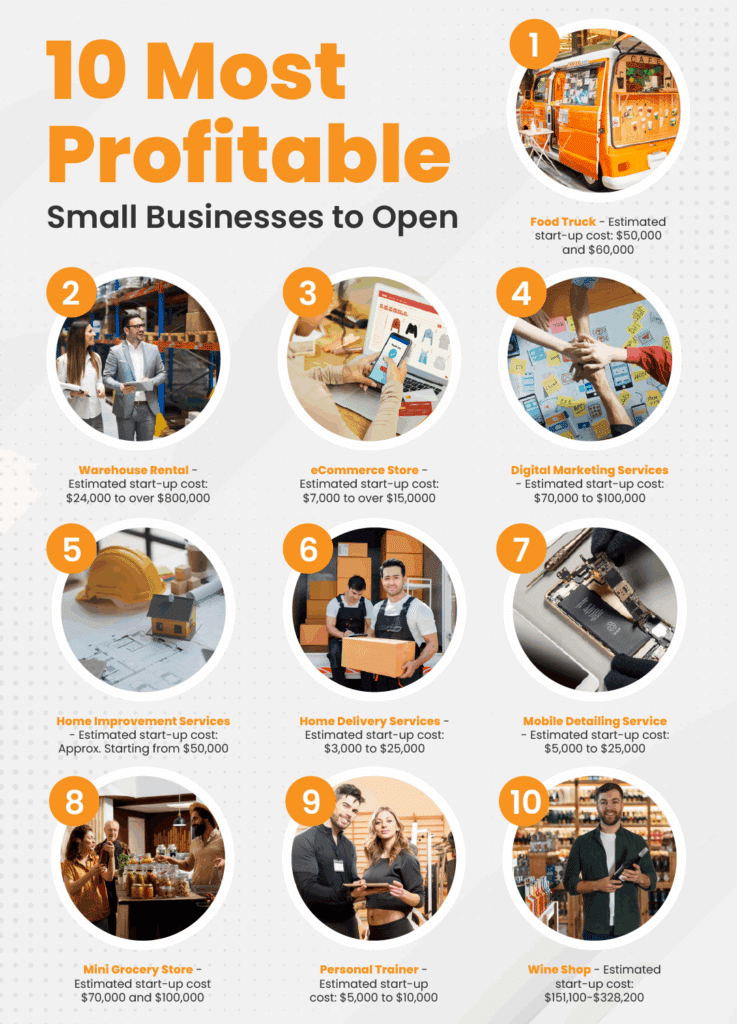
Defining “Good”: Beyond Superficial Appeal
The allure of a novel idea can be captivating, but a truly “good” business, from a financial perspective, is built on robust foundations that withstand market fluctuations and competitive pressures. It’s about identifying opportunities that align with profitable business models and personal financial goals.
The Intersection of Passion and Market Need
While passion can fuel dedication, it must be tempered with practicality. A passion project only becomes a “good” business when there’s a demonstrable market need and willingness for customers to pay. Businesses that solve a real problem or cater to an underserved niche often command higher value and cultivate stronger customer loyalty, directly impacting revenue streams. Identifying where your skills or interests intersect with a genuine market demand is the first step towards financial success. This ensures that the effort invested translates into tangible financial returns, rather than just personal fulfillment. The key is to find a sweet spot where you are enthusiastic about the work, and the market is enthusiastic about your offering.
Financial Viability: Profit Margins and Scalability
At its heart, a good business generates consistent profits. This necessitates understanding profit margins—the revenue remaining after accounting for costs. Businesses with high-profit margins are inherently more attractive, offering better returns on investment and greater financial stability. Furthermore, scalability is a crucial financial indicator. A scalable business can increase its revenue significantly without a proportional increase in costs. This could mean digital products, subscription services, or highly efficient service delivery models. A business that requires a linear increase in resources (staff, materials, time) for every incremental gain in revenue will struggle to achieve significant financial growth and often caps an owner’s potential income. Evaluating a business idea for its inherent scalability allows you to project future income potential and plan for exponential financial returns.
Sustainable Growth and Long-Term Potential
A “good” business isn’t a flash in the pan; it’s designed for longevity. This involves assessing its potential for sustainable growth, considering factors like market trends, competitive landscape, and adaptability. Businesses operating in evergreen industries or those that can pivot with changing consumer behaviors are more likely to offer long-term financial security. Moreover, a sustainable business often builds asset value over time, whether it’s intellectual property, a strong customer base, or an efficient operational system, all of which contribute to its overall financial worth and potential for future sale or investment. Considering the future financial landscape and how your business fits into it is paramount for enduring success.
Identifying Profitable Niches and Untapped Opportunities
The quest for a good business often begins with diligent market exploration, seeking out segments ripe for innovation and financial exploitation. Successful entrepreneurs understand that profitability often lies in specialization and meeting unmet needs.
Market Research: Uncovering Demand and Gaps
Thorough market research is the bedrock of any financially sound business venture. This involves analyzing demographics, consumer behavior, competitor offerings, and price sensitivity. Identifying gaps in the market—areas where existing solutions are inadequate or non-existent—presents prime opportunities for high demand and strong pricing power. Tools like Google Trends, social media analytics, and industry reports can illuminate emerging needs and pain points that your business could effectively address. The goal is to pinpoint a niche where there’s a significant number of potential customers actively looking for a solution, thereby ensuring a ready revenue stream for your new enterprise.
Leveraging Trends: Digital Transformation and Consumer Shifts
The modern economic landscape is constantly evolving, driven by digital transformation and shifting consumer values. Businesses that effectively leverage these trends are positioned for significant financial gains. This could involve capitalizing on the growing e-commerce market, offering online services, or developing digital products that meet the demand for convenience and accessibility. Similarly, consumer shifts towards sustainability, ethical sourcing, and personalized experiences create new niches for businesses willing to cater to these values, often allowing for premium pricing and stronger brand loyalty. Staying abreast of these macro-economic trends helps in forecasting future income streams and aligning your business with profitable long-term growth trajectories.
Solving Problems: The Core of Every Successful Venture
At its essence, every successful business, regardless of its industry, solves a problem for its customers. Whether it’s saving time, reducing costs, improving efficiency, or enhancing quality of life, the more impactful the problem solved, the greater the potential for financial reward. Businesses that offer clear, compelling solutions often find it easier to attract and retain customers, leading to consistent revenue and profitability. When evaluating a business idea, rigorously ask: what problem does this solve, and how valuable is that solution to my target audience? The perceived value of your solution directly translates into the price customers are willing to pay, influencing your profit margins.
Business Models with Strong Financial Prospects
Selecting the right business model is crucial for maximizing income and ensuring long-term financial health. Certain models inherently offer better financial leverage, scalability, and resilience.
Low Overhead, High Margin: Service-Based Businesses
Service-based businesses often present an attractive entry point for entrepreneurs due to their typically low startup costs and high-profit potential. Many professional services—consulting, coaching, specialized repair, virtual assistance, content creation—require minimal physical inventory or expensive equipment. Your primary assets are your skills, knowledge, and time. This keeps overheads down, directly translating to higher profit margins. The scalability here comes from systematizing processes, training others, or commanding higher rates as your expertise and reputation grow. This model allows for efficient capital allocation, as initial investments are primarily in self-development or marketing.

Recurring Revenue: Subscription Models and Memberships
From a financial stability perspective, recurring revenue models are highly desirable. Subscription services (SaaS, content subscriptions, product boxes) and membership programs provide predictable income streams, making financial forecasting and budgeting much more manageable. This predictability reduces financial risk and allows for better long-term planning and investment into growth. While the initial customer acquisition cost can be high, the lifetime value of a customer in a recurring revenue model is significantly higher, leading to superior long-term profitability. This model shifts focus from one-off sales to building enduring customer relationships, which is a sound financial strategy.
E-commerce and Digital Products: Reach and Automation
The rise of e-commerce has democratized retail, allowing individuals to reach a global customer base with relatively low startup capital. Selling physical products online, especially through dropshipping or print-on-demand, can significantly reduce inventory costs and logistical complexities. Even more financially appealing are digital products (e-books, online courses, templates, software). Once created, these products can be sold repeatedly with virtually zero additional cost per unit, leading to extremely high-profit margins and substantial passive income potential. Automation in marketing and sales further enhances the financial efficiency of these models, freeing up time and resources.
Niche Manufacturing/Crafts: Value Proposition and Brand Loyalty
For those with a talent for creation, focusing on niche manufacturing or specialized crafts can be highly lucrative. By targeting a specific demographic with unique, high-quality, or custom-made products, businesses can command premium pricing. The key here is to differentiate through craftsmanship, unique materials, or a compelling brand story that resonates with a dedicated audience. This strong value proposition fosters intense brand loyalty, reducing marketing costs over time and creating a stable, repeat customer base. While initial material costs are involved, the perceived value often allows for excellent profit margins, particularly when products are sold directly to consumers, bypassing traditional retail markups.
Strategic Financial Planning for Startup Success
Launching a “good” business requires more than just a brilliant idea; it demands rigorous financial planning to ensure solvency, sustainability, and profitability from day one.
Capital Allocation: Smart Investments and Cost Management
Every dollar invested in your business should be strategically allocated to generate the maximum return. This means prioritizing essential expenditures that directly contribute to revenue generation or operational efficiency, while ruthlessly cutting unnecessary costs. Understanding fixed vs. variable costs, and implementing robust budgeting systems, are critical. For a startup, smart capital allocation might mean investing in essential marketing to acquire initial customers, rather than expensive office space, or choosing cost-effective software solutions over custom-built systems. Effective cost management isn’t about being cheap; it’s about being financially intelligent and ensuring every expenditure serves a clear business objective.
Funding Your Venture: Bootstrapping vs. External Capital
Deciding how to fund your business significantly impacts its financial trajectory. Bootstrapping—funding your business with personal savings or initial profits—allows you to retain full ownership and avoids interest payments, but can limit growth speed. Seeking external capital, such as angel investors, venture capitalists, or bank loans, can accelerate growth but comes with conditions (equity dilution, repayment obligations). A good business owner understands the financial implications of each funding method and chooses the path that best aligns with their long-term financial goals and risk tolerance, ensuring the capital structure supports sustainable growth rather than jeopardizing it.
Pricing Strategies and Revenue Maximization
Your pricing strategy is a direct determinant of your revenue and profit margins. It’s not just about covering costs; it’s about capturing the perceived value of your product or service. Researching competitor pricing, understanding customer willingness to pay, and experimenting with different pricing models (e.g., value-based, competitive, cost-plus, freemium) are essential. Additionally, exploring various revenue streams—such as offering premium versions, upsells, cross-sells, or complementary products/services—can significantly maximize overall income without proportionally increasing costs. A dynamic and well-thought-out pricing strategy is a cornerstone of a financially successful business.
Financial Projections and Risk Mitigation
Developing realistic financial projections—including income statements, cash flow forecasts, and balance sheets—is crucial for understanding your business’s potential financial health and identifying potential pitfalls. These projections serve as a roadmap, helping you anticipate cash flow shortages, estimate profitability, and set realistic revenue targets. Furthermore, an essential part of financial planning is identifying and mitigating risks. This could involve setting aside an emergency fund, diversifying revenue streams, securing appropriate insurance, or having contingency plans for supply chain disruptions or economic downturns. Proactive financial risk management protects your investment and ensures the long-term viability of your business.
Embracing Future Trends for Enduring Financial Health
The businesses that thrive in the long run are those that anticipate and adapt to future economic, technological, and societal shifts. Identifying and integrating these trends into your business model can provide a significant competitive advantage and ensure sustained financial growth.
The Gig Economy and Specialized Skills
The expanding gig economy, fueled by remote work and the demand for specialized on-demand services, presents a wealth of opportunities for skilled individuals. Businesses that provide niche expertise, such as freelance consulting, specialized digital marketing, or unique creative services, can tap into a global talent market without the overheads of traditional employment. This model often allows for flexible pricing, diverse income streams, and lower operational costs, leading to high-profit potential for the entrepreneur with in-demand skills. Leveraging platforms designed for the gig economy or building a personal brand around specialized expertise can be a highly effective way to generate income.
Sustainability and Ethical Consumption
Consumers are increasingly making purchasing decisions based on environmental and social impact. Businesses that embed sustainability, ethical sourcing, and transparency into their core operations are not only meeting a growing demand but often command premium pricing and foster deeper customer loyalty. This trend extends beyond just eco-friendly products to sustainable business practices, fair labor, and community engagement. From a financial perspective, investing in sustainable practices can also lead to long-term cost savings (e.g., energy efficiency) and grants access to new markets and investor interest focused on ESG (Environmental, Social, and Governance) factors, ultimately enhancing the business’s financial reputation and value.

Automation and Efficiency for Enhanced Profitability
In an increasingly competitive landscape, efficiency is key to maintaining healthy profit margins. Businesses that strategically implement automation, whether through software solutions (CRM, marketing automation, accounting tools) or streamlined operational processes, can significantly reduce labor costs, minimize errors, and improve productivity. This allows for greater output with fewer resources, directly enhancing profitability and scalability. Embracing AI-powered tools for data analysis, customer service, or content generation can further optimize operations, freeing up valuable human capital to focus on strategic initiatives that drive revenue and innovation. Investing in intelligent automation is an investment in future financial efficiency and competitiveness.
In conclusion, opening a “good” business is a meticulous process of financial foresight, market alignment, and strategic execution. It demands an understanding that profitability isn’t accidental but rather the result of intentional choices about business models, financial management, and adaptability to future trends. By focusing on these money-centric principles, aspiring entrepreneurs can dramatically increase their chances of building a business that is not just a source of income, but a robust and enduring financial asset.
aViewFromTheCave is a participant in the Amazon Services LLC Associates Program, an affiliate advertising program designed to provide a means for sites to earn advertising fees by advertising and linking to Amazon.com. Amazon, the Amazon logo, AmazonSupply, and the AmazonSupply logo are trademarks of Amazon.com, Inc. or its affiliates. As an Amazon Associate we earn affiliate commissions from qualifying purchases.