
Embarking on the entrepreneurial journey is a profound decision, driven by aspirations of independence, impact, and, fundamentally, financial security and growth. The question, “what business is good to start?” transcends a mere search for an idea; it’s an inquiry into identifying ventures that offer not just passion but also robust financial viability and long-term sustainability. In an ever-evolving economic landscape, discerning a “good” business means understanding its potential for profitability, scalability, and resilience against market fluctuations, all viewed through a rigorous financial lens. This article will delve into the core financial principles that underpin successful businesses, explore lucrative models, outline essential financial due diligence, and highlight strategies for sustained monetary growth, equipping you with the insights to make an informed, financially astute choice.
Foundational Principles for Financially Sound Ventures
To identify a business truly worth starting, one must look beyond superficial appeal and scrutinize its financial underpinnings. The most successful businesses, regardless of industry, share common financial characteristics that contribute to their longevity and profitability. Understanding these principles is the first step towards building a resilient and lucrative enterprise.
Prioritizing Low Overhead and High-Profit Margins
A cornerstone of a financially good business is its ability to generate significant profit relative to its operating costs. Businesses with low overhead require minimal upfront capital investment and ongoing fixed expenses. This reduces financial risk, especially in the early stages, and allows a greater portion of revenue to flow directly to the bottom line. Think of digital products, consulting services, or highly specialized skills that require little physical infrastructure.
Equally critical are high-profit margins. This refers to the percentage of revenue that remains after deducting the cost of goods sold (COGS) and operating expenses. A business with high margins can absorb unforeseen costs, offer competitive pricing without sacrificing profitability, and reinvest more significantly into growth. Services where your time and expertise are the primary ‘product’ often boast high margins, as do certain software solutions or unique niche products with strong intellectual property. The interplay between low overhead and high margins creates a powerful financial engine, maximizing your return on investment and effort. Businesses that effectively manage these two aspects are inherently more financially robust and less susceptible to economic downturns.
The Power of Scalability and Recurring Revenue Models
For a business to be truly “good” from a financial perspective, it must possess the potential for scalability. Scalability means the business can grow its revenue significantly without a proportional increase in costs or resources. A highly scalable business can serve a larger customer base or increase output using existing infrastructure, leading to exponential profit growth. Digital products, online courses, software-as-a-service (SaaS), and automated systems are prime examples, as they can be replicated and distributed to an unlimited number of customers once the initial development is complete, with minimal incremental cost.
Complementing scalability is the immense financial benefit of recurring revenue models. These models involve customers making regular, predictable payments for access to a service, product, or subscription. Think memberships, subscriptions (e.g., Netflix, Adobe Creative Cloud), or ongoing service contracts. Recurring revenue provides financial stability, simplifies forecasting, improves cash flow, and increases customer lifetime value (CLTV). This predictable income stream allows for better strategic planning, reduces the constant pressure of acquiring new customers, and significantly enhances the valuation of the business. Combining scalability with recurring revenue creates an incredibly attractive financial proposition, laying the groundwork for sustainable wealth creation.
Identifying Resilient Market Demand and Niche Opportunities
A business, no matter how clever, cannot thrive without strong market demand. This means there is a genuine, persistent need or desire for the product or service you offer. Thorough market research is paramount to validate this demand, ensuring you’re not building a solution in search of a problem. A “good” business often addresses a pain point, solves a problem, or fulfills an unmet need that a significant number of people are willing to pay for. Furthermore, identifying resilient demand—demand that persists even during economic shifts—adds another layer of financial security. Essential services, health and wellness, education, and specific digital solutions often fall into this category.
Within broader markets, niche opportunities often present the most fertile ground for financial success, especially for new ventures. A niche market is a specific segment of a larger market that has unique needs or preferences. By focusing on a niche, you can become an expert, differentiate yourself from competitors, and often command premium pricing. While the customer base might be smaller, their willingness to pay for a tailored solution can lead to higher conversion rates, stronger customer loyalty, and more efficient marketing spend, all contributing to superior profitability. Targeting a niche allows for concentrated financial and marketing efforts, yielding better returns and establishing a stronger market position that is harder for larger competitors to dislodge.
Exploring Profitable Business Models in the Modern Economy
With a clear understanding of the foundational financial principles, we can now examine specific business models that consistently demonstrate strong financial viability in today’s digital-first economy. These models leverage technology, lean operations, and direct customer engagement to maximize profitability and scalability.
High-Margin Service-Based Businesses
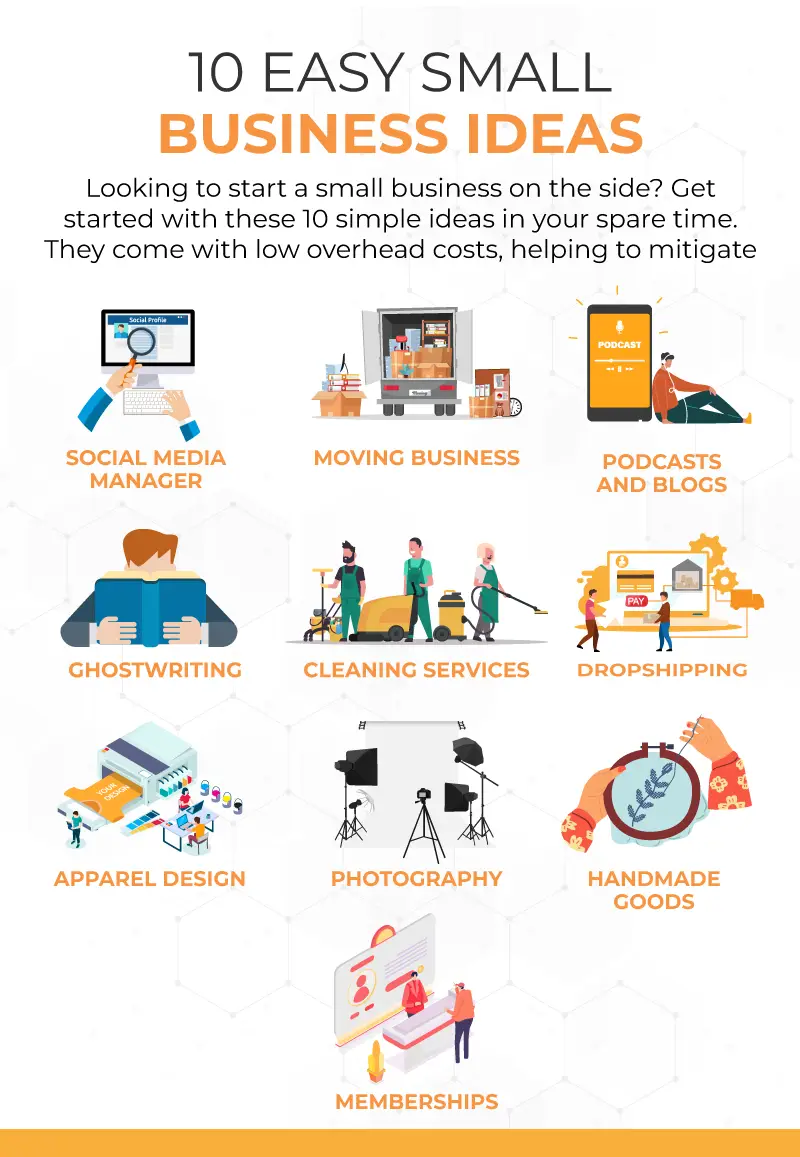
Service-based businesses continue to be one of the most financially attractive avenues for entrepreneurs, particularly those with specialized skills or expertise. The primary ‘product’ in these ventures is often intellectual capital, time, and specific capabilities, leading to inherently low overheads. Consider fields like consulting (business, marketing, IT), freelance professional services (writing, graphic design, web development), coaching (executive, life, fitness), or specialized digital marketing agencies.
These businesses typically have minimal inventory, no manufacturing costs, and can often be operated remotely or from a home office, significantly reducing fixed expenses. The profit margin is predominantly determined by the value of the service provided and the efficiency of the delivery. As the entrepreneur gains experience and reputation, they can command higher rates, further boosting profitability. Scaling often involves refining processes, leveraging automation for administrative tasks, or selectively bringing in subcontractors to expand capacity without incurring full-time employee costs. For those looking to bootstrap a business with strong cash flow potential, high-margin service businesses present a compelling financial case.
Capitalizing on Digital Products and E-commerce Efficiencies
The digital economy has opened vast opportunities for financially astute entrepreneurs through digital products and streamlined e-commerce. Digital products – such as online courses, e-books, software (SaaS), templates, stock photos, or digital art – represent the epitome of scalability and high-profit margins. Once created, these products can be sold repeatedly to an unlimited number of customers with virtually zero incremental cost of goods sold. The initial development cost is the primary investment, after which almost every sale translates directly into profit. This model offers unparalleled passive income potential and significant financial leverage.
E-commerce, while sometimes involving physical goods, can also be highly efficient and profitable when managed correctly. Models like dropshipping or print-on-demand significantly reduce inventory holding costs and upfront capital, allowing entrepreneurs to test market demand with minimal financial risk. Focusing on niche products, leveraging effective digital marketing, and optimizing the customer experience can lead to strong sales and healthy margins. Furthermore, many e-commerce businesses benefit from automation in order processing, customer service, and marketing, further enhancing operational efficiency and profitability. The key is to identify a product with strong demand, source it efficiently, and market it effectively to a targeted audience.
The Appeal of Subscription and Affiliate-Driven Income Streams
Two other powerful models for building financially robust businesses are subscription services and affiliate marketing. As previously discussed, subscription models provide predictable recurring revenue, which is invaluable for financial planning and business valuation. This can apply to anything from curated product boxes, software access, exclusive content memberships, to ongoing maintenance services. The focus here is on customer retention and providing consistent value that encourages continued subscription. High retention rates directly translate to higher customer lifetime value (CLTV) and a stable financial foundation.

Affiliate marketing offers a low-overhead entry into online income generation, making it attractive for those seeking to leverage existing platforms or content. In this model, you earn a commission by promoting other companies’ products or services. Your role is primarily marketing and lead generation, with no responsibility for product development, inventory, customer service, or fulfillment. This drastically reduces financial risk and operational complexity. Successful affiliate marketers build authority in a specific niche (e.g., through a blog, YouTube channel, or social media presence) and strategically integrate relevant product recommendations. While initial income might be modest, with consistent effort and audience growth, affiliate commissions can scale significantly, offering a financially flexible and location-independent income stream with excellent profit margins.
Essential Financial Due Diligence Before Launch
Even the most promising business idea requires rigorous financial scrutiny before any significant investment of time or capital. Skipping this crucial phase of due diligence is a common pitfall that can lead to unforeseen financial challenges and business failure. A robust understanding of market dynamics, financial projections, and funding strategies is paramount.
Comprehensive Market Analysis and Financial Projections
Before committing to any business venture, a thorough market analysis is indispensable. This goes beyond simply identifying demand; it involves understanding the size of your target market, identifying key competitors, analyzing their pricing strategies, and pinpointing opportunities for differentiation. From a financial perspective, market analysis helps validate revenue assumptions, forecast potential sales volumes, and estimate customer acquisition costs. It answers critical questions: Is the market large enough to support your desired financial goals? Are customers willing to pay the price you need to charge to be profitable?
Hand-in-hand with market analysis are detailed financial projections. This involves creating realistic forecasts for your revenue, expenses (both startup and ongoing), profit and loss statements, cash flow statements, and balance sheets for at least the first 1-3 years. Be conservative with revenue estimates and liberal with expense estimates. This exercise forces you to confront the financial realities of your business idea, identify potential bottlenecks, and determine the break-even point. Tools like spreadsheets can be invaluable for building these models. Accurate financial projections are not just for investors; they are your internal roadmap to financial viability and a crucial tool for decision-making.
Strategic Funding and Smart Capital Allocation
Determining how you will fund your business is a critical financial decision. Options range from bootstrapping (using personal savings and reinvesting profits) to seeking external capital through loans (SBA loans, lines of credit), angel investors, or venture capitalists. Each funding source comes with its own financial implications regarding cost of capital, dilution of ownership, and repayment terms. Bootstrapping is often preferred for businesses with low startup costs and high margins, as it allows for full ownership and control, and minimizes financial pressure.
Regardless of the source, smart capital allocation is paramount. Every dollar invested should be justifiable and contribute directly to generating revenue or improving efficiency. This means prioritizing essential expenditures, avoiding unnecessary luxuries, and focusing on investments that provide a clear return (e.g., marketing that drives sales, tools that save time or improve product quality). Track all expenditures meticulously. A lean startup approach, where you test ideas and scale investments based on proven results, is a financially prudent strategy. Understanding where your capital is coming from and how it will be spent is fundamental to ensuring the long-term financial health of your business.
Mastering Cash Flow and Pricing for Optimal Profitability
Two often-overlooked yet critical aspects of financial due diligence are cash flow management and strategic pricing. Cash flow refers to the movement of money into and out of your business. A profitable business can still fail if it doesn’t have enough cash on hand to cover its short-term obligations. Understanding your cash conversion cycle, managing receivables and payables, and having a buffer are essential. Implementing efficient billing and collection processes, and negotiating favorable payment terms with suppliers, directly impact your cash flow health. Monitoring cash flow forecasts regularly is as important as tracking profits.
Pricing strategy is not merely about covering costs; it’s a powerful lever for profitability. Setting the right price involves understanding your target market’s perceived value, analyzing competitors’ pricing, and knowing your cost structure precisely. Undervaluing your product or service leaves money on the table, while overpricing can deter customers. Consider different pricing models (e.g., value-based, cost-plus, competitive, tiered) and how they align with your business model and target audience. Experiment with pricing, offer different packages, and understand that price is often linked to perceived quality and value. Optimal pricing maximizes revenue without sacrificing sales volume, directly contributing to your bottom line and overall financial success.
Tools and Strategies for Sustained Financial Growth
Once your business is launched, the journey shifts from identifying a good opportunity to actively nurturing its financial health and growth. This requires ongoing vigilance, smart adoption of financial tools, and strategic planning.
Leveraging Financial Management Software
In today’s digital age, relying solely on manual spreadsheets for financial management is inefficient and prone to errors. Leveraging financial management software is a non-negotiable step for sustained financial growth. Tools like QuickBooks, Xero, FreshBooks, or even specialized industry-specific platforms, streamline accounting, invoicing, expense tracking, payroll, and financial reporting.
These platforms automate tedious tasks, provide real-time insights into your financial performance (P&L, balance sheets, cash flow), and simplify tax preparation. They can also integrate with other business tools like payment processors, CRM systems, and e-commerce platforms, creating a holistic view of your financial ecosystem. By providing accurate, up-to-date financial data, these tools empower you to make informed business decisions, identify trends, spot potential issues early, and measure the effectiveness of your financial strategies. Investing in the right financial software is an investment in your business’s financial clarity and future.
Building a Robust Financial Future Through Strategic Planning
Sustained financial growth is not accidental; it’s the result of continuous strategic financial planning. This involves regularly reviewing your financial performance against your initial projections, setting new financial goals, and adapting your strategies as market conditions change. Annual budgeting, quarterly financial reviews, and scenario planning are crucial components.
Consider developing a long-term financial roadmap that outlines your revenue targets, profit goals, expansion plans, and potential exit strategies. This roadmap should also include strategies for managing debt, building reserves, and reinvesting profits wisely back into the business to fuel further growth. Diversifying revenue streams, exploring new markets, and continuously optimizing operational costs are ongoing strategies for financial resilience. Furthermore, seeking advice from financial professionals—such as accountants, financial advisors, or business consultants—can provide invaluable external perspectives and expertise, helping you navigate complex financial decisions and ensure your business remains on a trajectory of increasing financial prosperity.

Conclusion: Your Blueprint for a Financially Rewarding Business Journey
Choosing “what business is good to start” ultimately boils down to a blend of passion, market opportunity, and, most critically, a deep understanding of financial principles. The journey to a financially rewarding entrepreneurial venture begins by prioritizing businesses with low overhead, high-profit margins, and scalable, recurring revenue models. It continues by meticulously conducting financial due diligence, analyzing market demand, crafting realistic projections, and wisely allocating capital. Finally, sustained success is built upon the intelligent use of financial management tools and a commitment to ongoing strategic financial planning.
By approaching entrepreneurship with a disciplined financial mindset, you transform a mere idea into a concrete blueprint for success. This isn’t just about starting a business; it’s about building a financially resilient, profitable, and enduring enterprise that not only fulfills your entrepreneurial vision but also secures your financial future. The path is challenging, but with the right financial insights and strategic execution, a “good business” can truly become a great one.
aViewFromTheCave is a participant in the Amazon Services LLC Associates Program, an affiliate advertising program designed to provide a means for sites to earn advertising fees by advertising and linking to Amazon.com. Amazon, the Amazon logo, AmazonSupply, and the AmazonSupply logo are trademarks of Amazon.com, Inc. or its affiliates. As an Amazon Associate we earn affiliate commissions from qualifying purchases.