
The allure of entrepreneurship is powerful, driven by the desire for financial independence, control over one’s income, and the opportunity to build lasting wealth. For many, the first step is often the most daunting: deciding “what small business to start.” This decision is fundamentally a financial one, deeply intertwined with market demand, profitability, initial investment, and long-term income potential. This guide delves into the strategic financial considerations and actionable steps to identify and launch a small business poised for monetary success, ensuring your venture isn’t just a passion project, but a financially robust enterprise.
Assessing Your Financial Landscape and Personal Aptitude for Profitability
Embarking on a small business journey requires a candid assessment of both your financial capabilities and your personal strengths. Understanding these foundational elements is critical to selecting a venture that is not only viable but also aligned with your financial goals and risk appetite.
Understanding Your Financial Resources and Risk Tolerance
Before even conceptualizing a business idea, it’s imperative to take stock of your personal financial situation. What capital do you have available to invest? Are you prepared to bootstrap your venture, starting with minimal funds and reinvesting early profits? Or will you require external financing, such as small business loans or personal lines of credit? Each financing route carries different financial implications and levels of risk. Bootstrapping offers maximum financial control and minimal debt but can limit initial growth. Loans provide immediate capital but come with repayment obligations and interest. Assessing your personal tolerance for financial risk – whether you’re comfortable with significant debt or prefer a more conservative, gradual growth model – will heavily influence the type and scale of business you should consider. This initial financial introspection sets the realistic boundaries for your entrepreneurial aspirations.
Aligning Skills with Market Demand for Monetary Gain
The most profitable businesses often emerge at the intersection of an entrepreneur’s existing skills and a clear market need. While passion is a motivator, financial viability hinges on whether people are willing to pay for what you offer. Begin by inventorying your skills, experiences, and expertise. Are you adept at writing, digital marketing, graphic design, accounting, or perhaps a skilled tradesperson? Once you’ve identified your strengths, the next crucial step is market research. This involves identifying gaps in the market, assessing the competitive landscape, and determining if there’s sufficient demand to generate consistent revenue. A niche market, even if small, can be highly profitable if you’re the go-to solution. Conversely, entering an oversaturated market without a compelling unique selling proposition (USP) can quickly drain financial resources. The goal is to avoid the common pitfall of pursuing a passion project without a clear path to profitability, ensuring your efforts translate into tangible income.
The Importance of a Robust Business Plan for Financial Foresight
A well-crafted business plan is not merely a formality for securing funding; it’s a living financial roadmap. For a small business, this plan must meticulously outline your financial projections, including startup costs, operating expenses, revenue forecasts, and a crucial break-even analysis. Understanding when your business will start generating profit is paramount for financial planning and sustaining operations. The plan should also detail your pricing strategy, cash flow management, and long-term income strategy. By creating this financial blueprint, you force yourself to critically evaluate every aspect of the business from a monetary perspective, identifying potential financial challenges and devising strategies to overcome them before they materialize. This foresight significantly increases your chances of financial stability and success.
Exploring High-Growth, Low-Barrier Entry Business Models
Many aspiring entrepreneurs seek business models that offer a strong return on investment with manageable initial capital outlay. Fortunately, the modern economy presents several categories of small businesses that fit this description, particularly those leveraging digital platforms or serving essential local needs.
Digital Services: A Gateway to Scalable Online Income
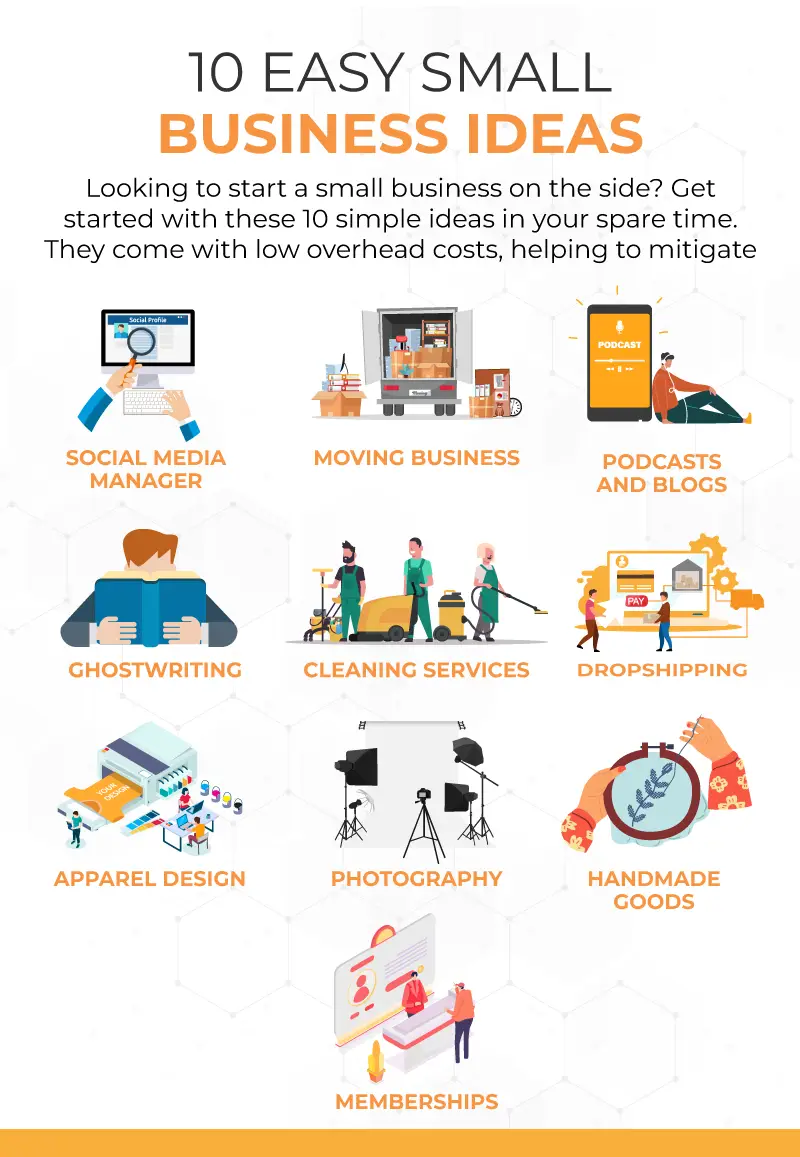
The digital realm has democratized entrepreneurship, offering numerous opportunities for individuals to leverage their skills into profitable online businesses with minimal overhead. Freelancing, in areas like content writing, graphic design, virtual assistance, and web development, allows you to sell your expertise directly to clients globally. Social media management, SEO consulting, and digital marketing services are consistently in high demand as businesses strive to enhance their online presence. These models typically require a computer, internet access, and specialized skills, making the barrier to entry relatively low, while the profit potential can be quite high due to scalability and global reach. Focusing on high-value services and cultivating a strong portfolio can quickly establish a lucrative income stream, often with recurring revenue from retainer clients.
E-commerce and Dropshipping: Capitalizing on Online Retail Trends
E-commerce continues its rapid expansion, offering a vast landscape for small businesses. Whether you’re selling handmade goods on platforms like Etsy, curating unique products through your own Shopify store, or utilizing the dropshipping model, online retail can be highly profitable. Dropshipping, in particular, appeals to many due to its low initial investment; you don’t hold inventory, reducing upfront capital and warehousing costs. Instead, you partner with suppliers who ship products directly to your customers. The financial model relies on sourcing products at wholesale prices and selling them at a markup, with profitability dependent on effective marketing and efficient supplier relationships. For traditional e-commerce, successful ventures focus on niche products, strong branding, and efficient supply chain management to maximize profit margins and customer lifetime value.
Local Service Businesses with Consistent Cash Flow

While digital businesses offer scalability, local service businesses often provide a stable foundation of consistent cash flow and strong community ties. Services like cleaning, landscaping, personal training, home repair, pet care, or mobile detailing are always in demand. These businesses thrive on word-of-mouth referrals and repeat customers, building a loyal client base that provides predictable income. Initial investments are often limited to basic equipment, transportation, and potentially licensing or certifications. The key to financial success in these areas lies in delivering exceptional service, fostering customer loyalty, and efficiently managing scheduling and operations to maximize billable hours. Many local service businesses can start as a sole proprietorship or side hustle and gradually scale by hiring employees or expanding service offerings.
Funding Your Venture: Smart Capitalization Strategies
Securing the necessary capital is a pivotal step in launching any small business. The approach you take to funding will significantly impact your financial autonomy, debt obligations, and long-term growth trajectory.
Bootstrapping and Self-Funding: Maximizing Personal Investment
Bootstrapping involves starting a business with minimal external capital, relying primarily on personal savings, credit, and early revenues to fund growth. This strategy is ideal for maintaining full ownership and control over your business, avoiding the dilution of equity or the burden of significant debt. Entrepreneurs who bootstrap learn invaluable lessons in frugality, resourcefulness, and efficient cash flow management. It forces a strong focus on generating revenue from day one and reinvesting profits strategically. While it can mean slower initial growth, it builds a financially resilient business foundation and maximizes the ultimate financial return to the owner. Many successful ventures began with this lean approach, proving that significant capital isn’t always a prerequisite for success.
Leveraging Microloans and SBA Programs
For those who require a modest financial injection beyond what bootstrapping can provide, microloans and Small Business Administration (SBA) programs offer viable alternatives. Microloans, typically smaller loans provided by non-profit organizations or credit unions, are designed to support small businesses and often have more flexible terms than traditional bank loans. The SBA offers a variety of loan programs, guaranteeing a portion of loans made by commercial lenders, which can make it easier for small businesses to qualify for financing. These programs often come with competitive interest rates and structured repayment plans, making them a financially prudent option for bridging capital gaps for equipment, inventory, or working capital. Understanding the eligibility criteria and application process for these government-backed initiatives can unlock crucial funding with favorable financial terms.
Attracting Angel Investors and Venture Capital (for scalable ventures)
While less common for the typical “small business to start,” highly scalable ventures with significant growth potential might consider attracting angel investors or venture capital (VC) firms. Angel investors are high-net-worth individuals who provide capital for a startup, usually in exchange for equity. Venture capital firms invest in companies with exceptional growth prospects, often providing larger sums of money in exchange for a significant equity stake and sometimes board representation. This funding route is typically pursued by businesses aiming for rapid expansion, technological innovation, or market disruption. While it provides substantial capital for scaling, it involves ceding a portion of ownership and control, and it comes with expectations for high returns, making it a strategy primarily for businesses designed for exponential financial growth and eventual exit.
Financial Management and Growth Strategies for Long-Term Success
Launching a business is just the beginning; sustaining and growing it financially requires diligent management and forward-thinking strategies. A focus on financial health is paramount for long-term viability and increased profitability.
Mastering Business Finance: Budgeting, Pricing, and Profit Margins
Effective financial management is the bedrock of any successful small business. This includes meticulous budgeting to track and control expenses, ensuring that every dollar spent contributes to revenue generation. Developing a competitive yet profitable pricing strategy is crucial; prices must cover costs, reflect value, and allow for healthy profit margins. Regularly analyzing your profit margins – both gross and net – helps you understand the financial efficiency of your operations and identify areas for improvement. Utilizing accounting software, maintaining accurate financial records, and conducting regular financial reviews are essential practices. Understanding key financial metrics, such as customer acquisition cost (CAC), customer lifetime value (CLTV), and return on investment (ROI), empowers you to make data-driven decisions that enhance profitability and ensure financial health.
Diversifying Income Streams for Financial Stability
Relying on a single product or service for all your revenue can be risky. Diversifying income streams builds financial resilience and reduces vulnerability to market fluctuations. Once your core business is established and profitable, consider adding complementary products or services that appeal to your existing customer base. For example, a personal trainer might offer online coaching programs or sell fitness merchandise. A digital marketing consultant could develop an online course or offer specialized workshops. This strategy not only opens up new revenue channels but can also deepen customer engagement and expand your market reach, ultimately bolstering your overall financial stability and growth potential. The goal is to create multiple avenues through which your business generates income, spreading financial risk.
Scaling Your Business: Reinvesting Profits for Sustainable Growth
As your small business begins to generate consistent profits, a critical financial decision is how to allocate those earnings. Reinvesting profits back into the business is often the most effective strategy for sustainable, organic growth. This could mean investing in new equipment to increase efficiency, hiring additional staff to expand capacity, upgrading technology, or launching new marketing campaigns to reach a wider audience. Strategic reinvestment allows your business to grow without taking on additional debt or diluting ownership. It requires a careful balance between taking owner draws and retaining earnings for future expansion. A clear understanding of where reinvestment will yield the highest return will ensure your financial decisions drive continuous improvement and increased profitability over time.
In conclusion, the journey of deciding “what small business to start” is fundamentally a financial exploration. It demands a thoughtful assessment of your resources, a keen eye for market opportunities that offer profitable returns, strategic funding choices, and disciplined financial management. By approaching entrepreneurship with a clear financial roadmap and a commitment to understanding the monetary levers of your business, you can transform an idea into a thriving enterprise, achieving not just independence, but genuine financial success.
aViewFromTheCave is a participant in the Amazon Services LLC Associates Program, an affiliate advertising program designed to provide a means for sites to earn advertising fees by advertising and linking to Amazon.com. Amazon, the Amazon logo, AmazonSupply, and the AmazonSupply logo are trademarks of Amazon.com, Inc. or its affiliates. As an Amazon Associate we earn affiliate commissions from qualifying purchases.