
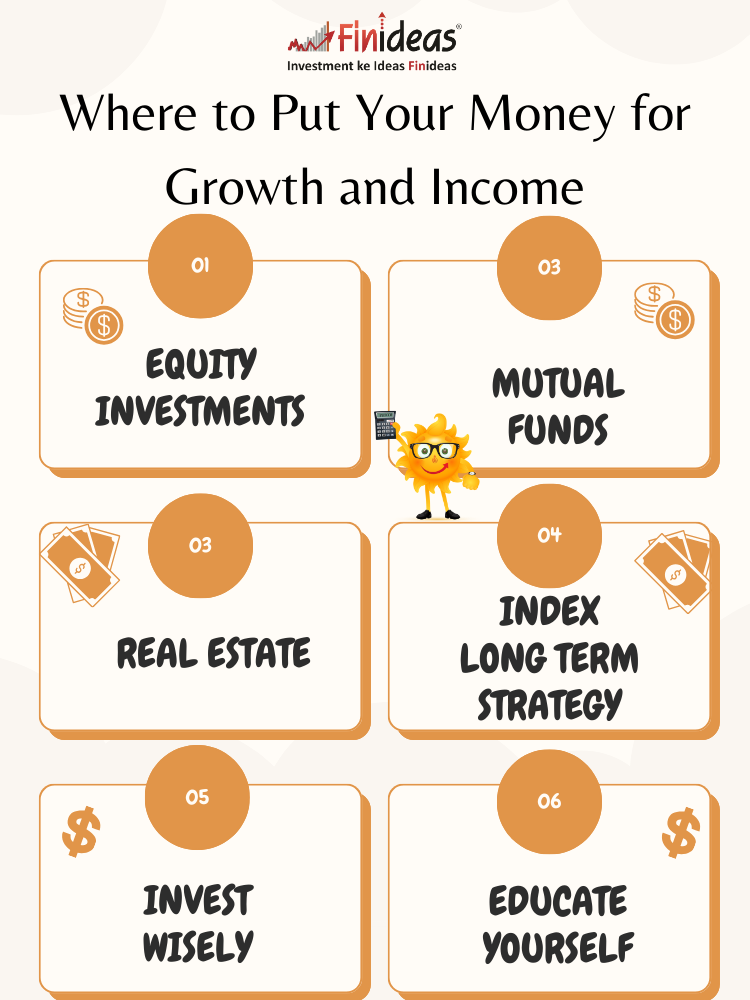
In today’s dynamic economic landscape, the question of “where to put my money to grow” is more pertinent than ever. With inflation eroding purchasing power and the global economy constantly shifting, simply saving money isn’t enough; strategic investment is crucial for building wealth and securing your financial future. This guide will navigate the diverse avenues available for growing your capital, from fundamental principles to specific investment vehicles, ensuring you make informed decisions tailored to your personal circumstances.
Understanding Your Financial Landscape and Goals
Before embarking on any investment journey, a clear understanding of your current financial situation and future aspirations is paramount. This foundational step ensures that your investment strategy aligns with your life goals and risk appetite.
Assessing Your Current Financial Health
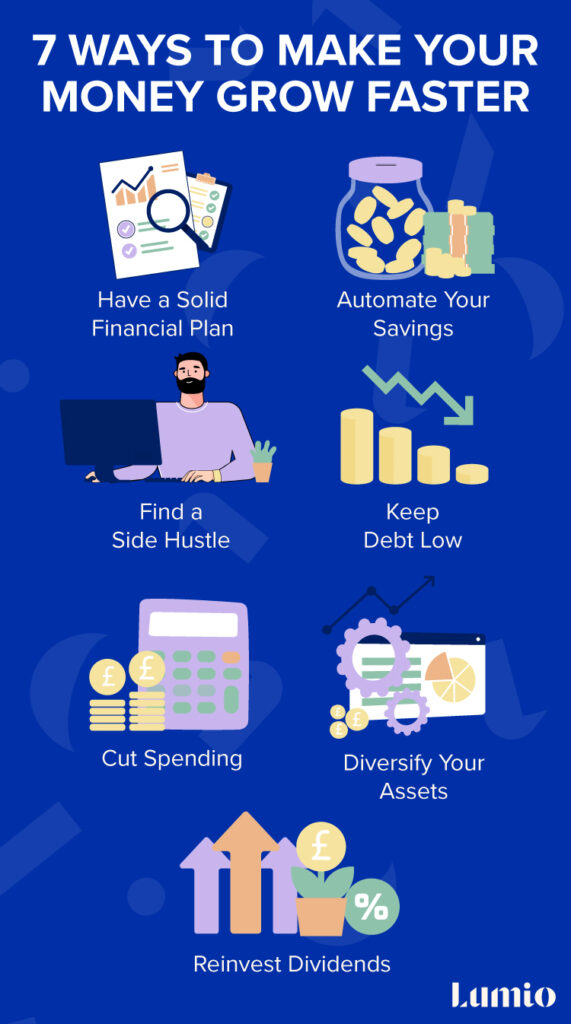
The first step is a thorough audit of your finances. This involves calculating your net worth (assets minus liabilities), understanding your income and expenses, and identifying any existing debt. A robust financial health check will reveal how much capital you genuinely have available for investment after covering essential living costs and establishing a safety net. Are you carrying high-interest credit card debt? Do you have an emergency fund? These are critical questions to answer before allocating funds to growth-oriented assets. Prioritizing debt repayment, especially high-interest debt, often yields a guaranteed “return” that surpasses many investment opportunities, as it eliminates costly interest accruals.
Defining Your Short-Term and Long-Term Goals
Your investment strategy should be a direct reflection of your financial goals. Are you saving for a down payment on a house in five years (short-term)? Or are you focused on retirement planning several decades away (long-term)? Different time horizons necessitate different investment approaches. Short-term goals often call for less volatile, more liquid investments, while long-term goals allow for higher-risk, higher-reward options that have time to recover from market fluctuations. Clearly defining these goals provides direction and helps in selecting appropriate investment vehicles and managing expectations. It’s also important to differentiate between desires and needs, allowing for a more realistic allocation of funds.
Understanding Your Risk Tolerance
Every investment carries a degree of risk, and understanding your personal tolerance for that risk is crucial. Are you comfortable with significant market fluctuations in pursuit of higher returns, or do you prefer more stable, albeit potentially lower-return, options? Your risk tolerance is influenced by factors such as your age, income stability, existing assets, and psychological comfort with potential losses. A younger individual with stable employment and decades until retirement might comfortably adopt an aggressive strategy, while someone nearing retirement might opt for a more conservative approach to preserve capital. Misaligning your investments with your risk tolerance can lead to anxiety, poor decision-making, and premature withdrawals during market downturns.
Foundational Investment Principles for Growth
Regardless of the specific assets you choose, certain universal principles underpin successful long-term financial growth. Adhering to these fundamentals will build a resilient investment portfolio.
Building an Emergency Fund
Before even considering growth-oriented investments, establishing a robust emergency fund is non-negotiable. This fund, typically holding three to six months’ worth of living expenses in an easily accessible, liquid account (like a high-yield savings account), acts as a financial buffer against unforeseen events such as job loss, medical emergencies, or significant home repairs. Without an emergency fund, unexpected expenses might force you to liquidate investments at an inopportune time, potentially incurring losses or missing out on future gains. It provides peace of mind and allows your invested capital to stay put and grow.
Debt Management: High-Interest First
High-interest debt, such as credit card balances or personal loans, can severely cripple your ability to save and invest. The interest rates on such debts often far exceed the returns you could realistically expect from most investments. Therefore, prioritizing the repayment of high-interest debt is a form of guaranteed return. By eliminating these liabilities, you free up more cash flow that can then be directed towards investments, accelerating your wealth accumulation journey. Think of it as investing in your future by removing obstacles to growth.
The Power of Diversification
“Don’t put all your eggs in one basket” is more than just a cliché; it’s a cornerstone of prudent investing. Diversification involves spreading your investments across various asset classes, industries, and geographies to mitigate risk. If one sector or asset class performs poorly, the impact on your overall portfolio is cushioned by the performance of others. This strategy doesn’t eliminate risk entirely, but it reduces the likelihood of catastrophic losses. A well-diversified portfolio might include a mix of stocks, bonds, real estate, and potentially alternative assets, tailored to your risk tolerance and goals.
Exploring Diverse Investment Avenues
Once your financial foundation is secure, you can explore the myriad of investment vehicles available, each with its own risk-return profile.
Traditional Markets: Stocks, Bonds, and Mutual Funds
- Stocks: Represent ownership in a company. They offer the potential for significant capital appreciation and dividends but come with higher volatility. Investing in individual stocks requires research and understanding of market dynamics.
- Bonds: Essentially loans made to governments or corporations. They are generally considered less risky than stocks, offering fixed interest payments and a return of principal at maturity. Bonds provide stability and income to a portfolio.
- Mutual Funds and ETFs (Exchange-Traded Funds): These are professionally managed collections of stocks, bonds, or other securities. They offer instant diversification, often at a lower cost than buying individual securities, and are ideal for investors who prefer a hands-off approach. ETFs, in particular, have gained popularity for their low fees and flexibility. Index funds, a type of mutual fund or ETF, aim to replicate the performance of a market index (like the S&P 500) and are often recommended for their broad diversification and low costs.
Real Estate: Property as an Asset
Investing in real estate can provide both capital appreciation and rental income. This can range from direct ownership of residential or commercial properties to indirect investments through Real Estate Investment Trusts (REITs). REITs are companies that own, operate, or finance income-producing real estate across various property sectors. They are publicly traded, offering liquidity and diversification to real estate exposure without the direct responsibilities of property ownership. Direct real estate investment, however, demands significant capital, management, and carries illiquidity risk.
Alternative Investments: Precious Metals, Commodities, and Crypto
For investors seeking to diversify beyond traditional assets, alternatives offer unique opportunities and risks.
- Precious Metals (Gold, Silver): Often seen as a hedge against inflation and economic uncertainty. They typically don’t generate income but can preserve value during turbulent times.
- Commodities (Oil, Gas, Agricultural Products): Investing in raw materials can provide diversification, but prices are highly volatile and influenced by global supply and demand.
- Cryptocurrencies (Bitcoin, Ethereum): A relatively new and highly volatile asset class. Cryptocurrencies offer the potential for exponential growth but also carry significant risk due to their speculative nature and regulatory uncertainty. They are not for the faint of heart and should only constitute a small portion of a highly diversified portfolio for those with a high-risk tolerance.
Investing in Yourself: Education and Skills
While not a traditional financial asset, investing in your own human capital is arguably one of the most powerful ways to “grow your money.” Pursuing higher education, acquiring new skills, certifications, or professional development can lead to increased earning potential, career advancement, and greater financial security. This type of investment provides compounding returns throughout your working life, often far exceeding market returns.
Leveraging Technology and Professional Guidance
The modern financial landscape offers numerous tools and experts to assist investors, from automated platforms to personalized advice.
Robo-Advisors for Automated Investing
Robo-advisors are digital platforms that use algorithms to build and manage diversified portfolios based on your financial goals and risk tolerance. They offer a low-cost, hands-off approach to investing, making professional-grade portfolio management accessible to a broader audience. Platforms like Betterment and Wealthfront automate rebalancing, tax-loss harvesting, and provide goal-based planning, ideal for those who prefer simplicity and automation.
Financial Planners and Wealth Managers
For complex financial situations, high net worth individuals, or those who prefer personalized, holistic advice, engaging a human financial planner or wealth manager can be invaluable. These professionals can help with comprehensive financial planning, tax optimization, estate planning, and bespoke investment strategies tailored to intricate needs. They offer guidance through market volatility and life’s major financial decisions, often acting as a trusted advisor.
Utilizing Online Platforms and Apps
The rise of user-friendly investment apps and online brokerage platforms has democratized access to financial markets. Apps like Fidelity, Charles Schwab, Vanguard, and even newer platforms like Robinhood (though caution is advised with highly speculative trading) allow individuals to easily research, buy, and sell a wide range of investments. They often provide educational resources, market insights, and tools for portfolio tracking, empowering investors to take control of their finances.
The Importance of Continuous Learning and Review
Investing is not a set-and-forget activity. The financial world is constantly evolving, and a successful investor remains engaged and adaptable.
Staying Informed About Market Trends
While you don’t need to be a day trader, staying generally informed about global economic trends, geopolitical events, and technological advancements can provide context for market movements. Understanding the broader economic picture can help you anticipate potential shifts and make timely adjustments to your strategy, rather than reacting impulsively to daily news cycles. Subscribing to reputable financial news sources and conducting periodic research are good practices.
Regular Portfolio Rebalancing
Over time, the performance of different assets in your portfolio will cause its allocation to drift from your original targets. For instance, if stocks have performed exceptionally well, they might now constitute a larger percentage of your portfolio than you initially intended. Regular rebalancing involves adjusting your portfolio back to its target asset allocation by selling some of the outperforming assets and buying more of the underperforming ones. This helps maintain your desired risk level and ensures you’re not overly exposed to any single asset class.

Adapting to Life Changes
Life is unpredictable, and your financial goals, risk tolerance, and investment capacity will change over time. Major life events such as marriage, starting a family, career changes, or nearing retirement necessitate a review and potential adjustment of your investment strategy. A financial plan should be a living document, evolving with your circumstances to remain relevant and effective in helping you achieve your financial aspirations. Regular check-ins, perhaps annually or bi-annually, with your goals and portfolio are crucial for long-term success.
In conclusion, growing your money is a journey that requires careful planning, consistent effort, and a willingness to learn. By understanding your financial landscape, embracing foundational principles, diversifying across suitable investment avenues, leveraging available tools and expertise, and continuously reviewing your strategy, you can confidently navigate the path to financial growth and secure a prosperous future. The key is to start early, stay disciplined, and make informed choices aligned with your unique financial goals.
aViewFromTheCave is a participant in the Amazon Services LLC Associates Program, an affiliate advertising program designed to provide a means for sites to earn advertising fees by advertising and linking to Amazon.com. Amazon, the Amazon logo, AmazonSupply, and the AmazonSupply logo are trademarks of Amazon.com, Inc. or its affiliates. As an Amazon Associate we earn affiliate commissions from qualifying purchases.