
The financial markets are often likened to a complex ecosystem, constantly evolving and reacting to a myriad of internal and external stimuli. When we observe the stock market undergoing a significant downturn, often described as a “crash” or a severe correction, it’s rarely attributable to a single factor. Instead, it’s typically the confluence of several powerful forces, creating a perfect storm that erodes investor confidence and triggers widespread selling. Understanding these underlying causes is crucial for investors, policymakers, and indeed, anyone interested in the health of the global economy. Today’s market volatility is a testament to the intricate interplay of macroeconomic shifts, geopolitical realities, and evolving corporate landscapes.

Understanding the Macroeconomic Headwinds
One of the most potent drivers behind recent market turbulence stems from fundamental shifts in the global macroeconomic environment. Decades of relatively low inflation and accommodating monetary policies have given way to a new era, characterized by inflationary pressures and a more hawkish stance from central banks. These shifts have profound implications for asset valuations and corporate profitability.
The Specter of Inflation and Interest Rate Hikes
Inflation, the persistent rise in the general price level of goods and services, acts like a corrosive force on purchasing power and investment returns. When inflation runs hot, central banks, primarily the Federal Reserve in the U.S. and its counterparts globally, are compelled to act. Their primary tool to combat inflation is raising interest rates. While intended to cool down an overheating economy, higher interest rates have a cascading effect on the stock market.
Firstly, they increase the cost of borrowing for companies, making it more expensive to finance expansion, invest in new projects, or even manage existing debt. This directly impacts corporate profit margins. Secondly, higher interest rates make bonds and other fixed-income instruments more attractive relative to equities. As the “risk-free” rate of return rises, investors demand higher returns from riskier assets like stocks, leading to a downward revaluation of company shares. Finally, future earnings, a key component in stock valuation models, are discounted at a higher rate, reducing their present value and thus the perceived worth of a company today. The market, in essence, is adjusting to a world where money is no longer “cheap.”
Slowing Global Economic Growth and Recession Fears
Compounding the inflation and interest rate narrative is the pervasive concern about slowing global economic growth, with many economists now openly discussing the possibility of a recession. A recession, defined as a significant decline in economic activity spread across the economy, lasting more than a few months, is a terrifying prospect for the stock market.
Several factors contribute to these recessionary fears. Persistent supply chain disruptions, exacerbated by geopolitical events and lingering effects of the pandemic, continue to stifle production and raise costs. Elevated energy prices, a direct consequence of both increased demand post-pandemic and geopolitical tensions, act as a tax on consumers and businesses, reducing disposable income and profit margins. Moreover, a slowdown in major economies like China, battling its own internal challenges, sends ripple effects across global trade networks. When economic growth stalls or contracts, corporate earnings inevitably suffer, leading investors to pull back from equities in anticipation of tougher times ahead. Consumer spending, the bedrock of many economies, often tightens in such environments, further dampening growth prospects.
Geopolitical Tensions and Their Market Fallout
Beyond pure economics, the geopolitical landscape plays an increasingly significant role in shaping market sentiment and performance. Instability in key regions, conflicts, and shifts in international relations can inject immense uncertainty, which markets inherently dislike.
International Conflicts and Commodity Shocks
Major international conflicts, such as the ongoing war in Ukraine, have far-reaching economic consequences that extend well beyond the immediate combat zones. One of the most immediate and significant impacts is on commodity markets. Russia and Ukraine are major global suppliers of energy, food, and industrial metals. The conflict has led to severe disruptions in supply chains for crude oil, natural gas, wheat, corn, and various precious metals.
This scarcity, coupled with sanctions and export restrictions, has sent commodity prices soaring. For businesses, this translates to higher input costs for everything from manufacturing to transportation. For consumers, it means higher prices at the gas pump and grocery store, further fueling inflation and eroding purchasing power. The volatility in these essential commodities creates uncertainty for businesses’ cost structures and consumers’ budgets, leading to reduced spending and investment. The market reacts by pricing in lower corporate profits and increased economic instability.
Shifting Trade Policies and Supply Chain Disruptions
The globalized economy of the past few decades is increasingly being re-evaluated in the face of national security concerns, protectionist tendencies, and the desire for greater resilience. Shifting trade policies, including tariffs, trade barriers, and the push for “reshoring” manufacturing, can fragment global supply chains that were optimized for efficiency and cost.
While intended to protect domestic industries or enhance security, these policies can lead to higher costs for businesses, reduced access to key markets, and decreased international trade volumes. Companies struggle to adapt to these changes, facing increased operational complexity and higher expenses. Furthermore, the politicization of trade can lead to retaliatory measures between nations, escalating economic tensions. These disruptions and uncertainties make it difficult for companies to plan for the future, impacting their growth prospects and, consequently, their stock valuations. The semiconductor industry, for instance, has seen significant market impact due to geopolitical competition and supply chain vulnerabilities.
Investor Sentiment and Market Psychology
While macroeconomic fundamentals and geopolitical events provide the backdrop, the immediate movements of the market are heavily influenced by investor sentiment and collective psychology. Fear and greed are powerful emotions that can override rational analysis, especially during times of heightened uncertainty.
The Fear Factor: Panic Selling and Contagion
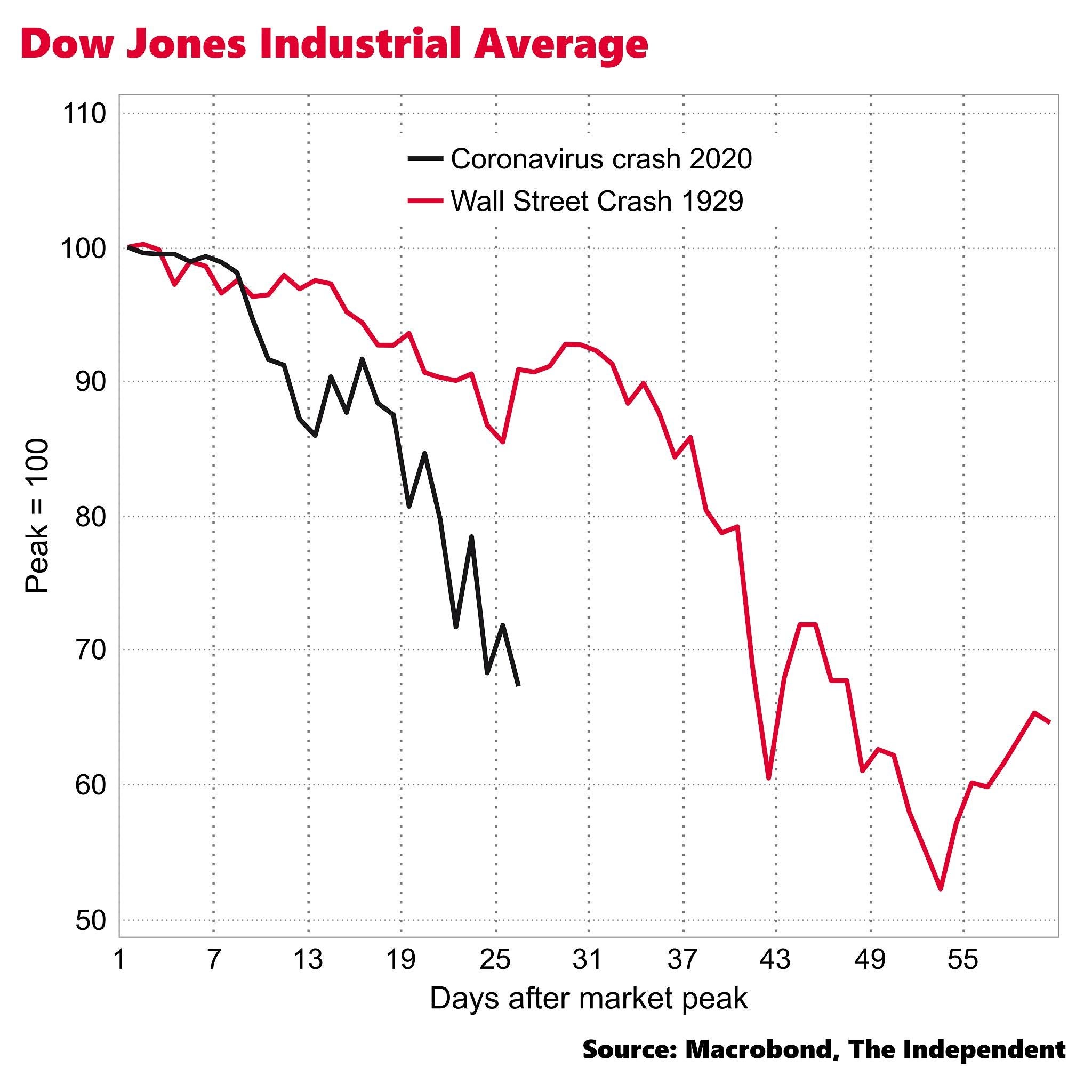
When markets begin to fall, particularly after a prolonged period of growth, a “fear factor” can take hold. Negative news, whether economic or geopolitical, can trigger widespread panic selling. As investors see their portfolios decline, the instinct to cut losses often overrides long-term investment strategies. This leads to a vicious cycle: selling begets more selling, driving prices down further. This phenomenon is known as “contagion,” where negative sentiment spreads rapidly across different asset classes, sectors, and even international markets, irrespective of individual company fundamentals.
Automated trading algorithms, reacting to predefined triggers, can amplify these movements, executing trades at speeds impossible for human investors. Margin calls, where brokers demand additional capital from investors holding leveraged positions, can force further selling, exacerbating the downturn. This emotional spiral can lead to an overshoot, where asset prices fall below their intrinsic value, simply due to overwhelming negative sentiment.
Valuation Concerns and Speculative Bubbles
A sustained bull market often breeds complacency and, at times, irrational exuberance. During such periods, certain assets or entire sectors can become “overvalued,” meaning their market price significantly exceeds what their underlying fundamentals (earnings, assets, growth prospects) would justify. This can lead to the formation of speculative bubbles, where prices are driven more by investor enthusiasm and the expectation of future price appreciation than by actual value.
When the market narrative shifts, perhaps due to rising interest rates, slowing growth, or a change in investor risk appetite, these overvalued assets are often the first and hardest hit. Investors begin to question the sustainability of their lofty valuations, leading to a sharp correction. Sectors that saw explosive growth and high multiples during the easy money era – think certain tech stocks or unprofitable growth companies – are particularly vulnerable. The “reversion to the mean” can be painful, as prices crash back to more reasonable, fundamental-driven levels. This unwinding of speculative positions contributes significantly to the overall market downturn.
The Role of Corporate Earnings and Fundamentals
Ultimately, the stock market is a forward-looking mechanism designed to discount future corporate earnings. When those earnings come under pressure, or the outlook darkens, the market responds swiftly and often dramatically.
Disappointing Earnings Reports and Future Guidance
The quarterly earnings season is a critical period for assessing the health of individual companies and, by extension, the broader market. When major companies report earnings that fall short of analyst expectations, or more critically, when they issue conservative or pessimistic guidance for future quarters, it sends a clear signal that the corporate profit engine is sputtering.
Missing earnings targets suggests that companies are struggling to generate revenue or manage costs effectively. Even more impactful is negative future guidance, as it tells investors that management expects challenges ahead, whether from slowing demand, rising input costs, or other headwinds. This leads to a recalibration of future earnings estimates across the market. Since stock prices are largely a function of discounted future cash flows, a reduction in these estimates directly translates to lower stock valuations. A flurry of such disappointing reports from bellwether companies can drag down entire indices, signaling a systemic weakness in corporate profitability.
Impact of Higher Costs on Profit Margins
In the current inflationary environment, businesses face a relentless assault on their profit margins. Higher costs are emanating from multiple fronts, squeezing profitability even for companies with robust revenue growth. Energy costs, freight expenses, and raw material prices have surged, directly increasing the cost of goods sold. Simultaneously, a tight labor market in many regions has pushed up wage demands, adding to operating expenses.
While some companies can pass on these higher costs to consumers through price increases, many face limitations due to competitive pressures or consumer sensitivity. Those that cannot fully offset the rising costs see their gross and net profit margins erode. Lower profit margins mean less money available for reinvestment, debt reduction, or shareholder returns, making the company less attractive to investors. The market is effectively pricing in a future where corporate profits are leaner, leading to a de-rating of stock prices across sectors. Companies with strong pricing power and efficient cost management are better positioned, but the aggregate effect of margin compression weighs heavily on overall market performance.
Navigating the Volatility: A Long-Term Perspective
While the current market environment can feel daunting, it’s essential for investors to maintain a long-term perspective and employ sound financial strategies. Market downturns are a recurring feature of economic cycles, and while painful, they also present opportunities.
Diversification and Risk Management in Bear Markets
In a volatile market, the importance of diversification cannot be overstated. A well-diversified portfolio, spread across different asset classes (equities, bonds, real estate, commodities), geographies, and sectors, can help mitigate the impact of any single asset’s poor performance. During a bear market, high-quality bonds, often seen as a safe haven, can provide some stability and counterbalance equity losses.
Effective risk management also involves aligning investments with one’s risk tolerance and investment horizon. Investors with a shorter time horizon might need to be more conservative, while those with decades until retirement can afford to weather the storm. Rebalancing a portfolio periodically to maintain the desired asset allocation helps ensure that one isn’t overexposed to rapidly declining assets. Understanding one’s financial goals and having a clear investment plan are paramount during these times.
Opportunities for Long-Term Investors
While “crashing” sounds alarming, history shows that market downturns are often followed by recoveries, and some of the best long-term returns are generated by investing during periods of market distress. For long-term investors, a market crash can represent a significant buying opportunity. High-quality companies, whose intrinsic value remains strong despite temporary macroeconomic headwinds, may trade at significantly discounted prices.
This allows investors to accumulate shares in solid businesses at more attractive valuations, potentially leading to substantial returns when the market eventually recovers. Adopting a dollar-cost averaging strategy – investing a fixed amount regularly, regardless of market fluctuations – can be particularly effective during downturns. This approach means buying more shares when prices are low and fewer when they are high, naturally lowering the average cost of investment over time. Patience, discipline, and a focus on fundamental value are the hallmarks of successful long-term investing during periods of market volatility.
In conclusion, today’s stock market downturn is a complex tapestry woven from the threads of inflation and rising interest rates, slowing global growth, geopolitical instability, and a natural re-evaluation of corporate earnings and asset valuations. While challenging, understanding these forces allows for a more informed and strategic approach to navigating the inevitable cycles of the financial markets.
aViewFromTheCave is a participant in the Amazon Services LLC Associates Program, an affiliate advertising program designed to provide a means for sites to earn advertising fees by advertising and linking to Amazon.com. Amazon, the Amazon logo, AmazonSupply, and the AmazonSupply logo are trademarks of Amazon.com, Inc. or its affiliates. As an Amazon Associate we earn affiliate commissions from qualifying purchases.