
In the dynamic world of financial markets, few metrics capture public attention and investor sentiment quite like the Dow Jones Industrial Average (DJIA), or simply “the Dow.” More than just a number flashing on screens, it represents a daily pulse of the American economy, a snapshot of the health and performance of thirty of the nation’s most influential companies. For seasoned investors and curious onlookers alike, the question, “What’s the Dow now?” isn’t just about a current figure; it’s an inquiry into the broader economic narrative, market psychology, and the potential implications for personal finance and investment strategies.
Understanding the Dow’s current standing requires more than just knowing its latest tick. It demands an appreciation of its historical context, the forces that drive its movements, and how its performance fits into a larger investment framework. This article delves into the significance of the Dow, dissects its present state, explores the factors shaping its trajectory, and offers insights for individuals navigating their financial journeys in its shadow.
Understanding the Dow Jones Industrial Average: A Pillar of the Market
The Dow Jones Industrial Average is arguably the most recognized stock market index globally. Established in 1896 by Charles Dow and Edward Jones, its initial purpose was to provide a clear, concise measure of the performance of the U.S. industrial sector. Over a century later, while its composition has evolved significantly, its role as a key barometer for market health remains steadfast.
A Brief History and Its Composition
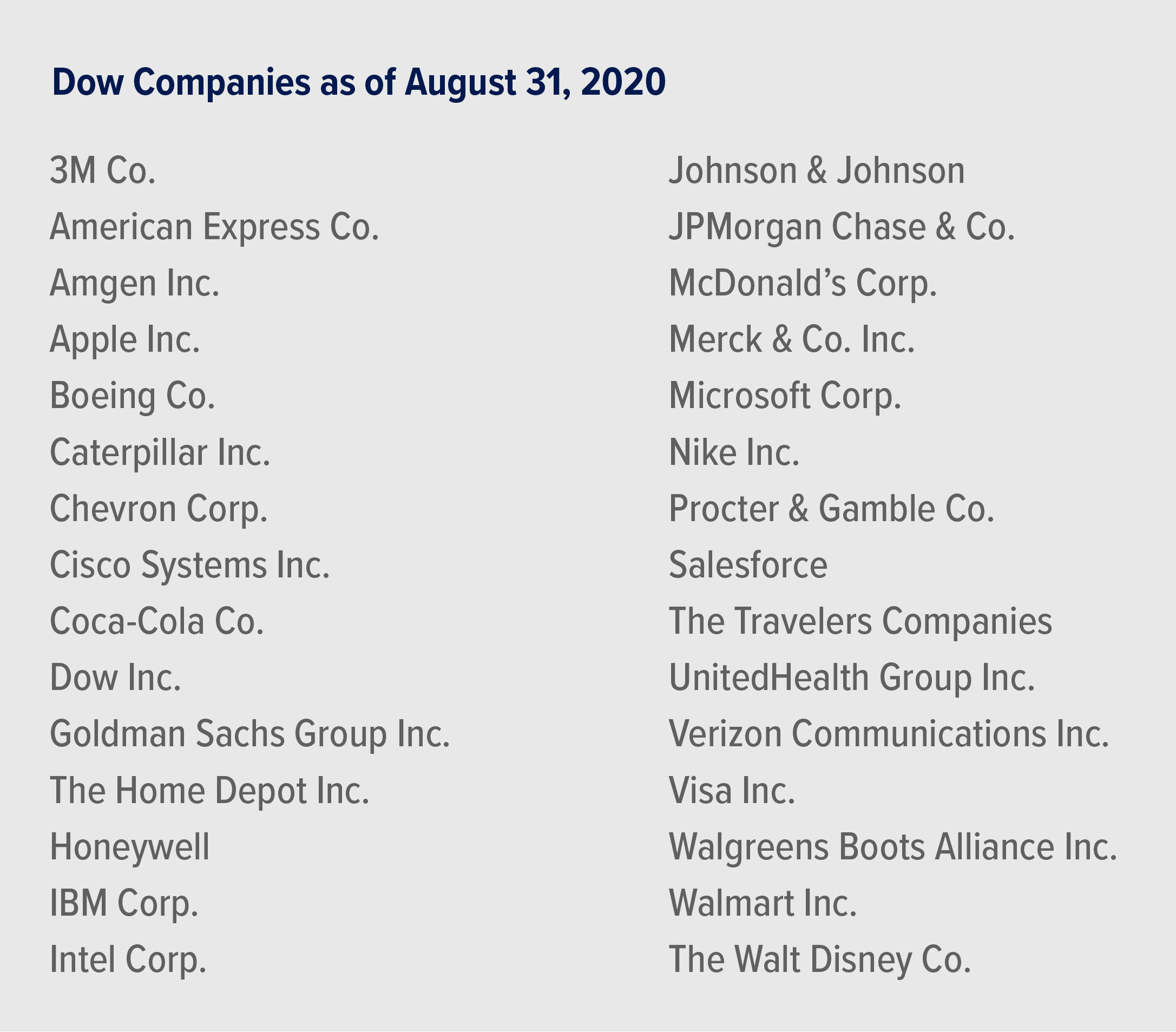
When Charles Dow first conceived the index, it consisted of just 12 companies, primarily railroads and industrial manufacturers. Today, the DJIA comprises 30 blue-chip companies, chosen by a committee from S&P Dow Jones Indices. These aren’t necessarily the largest companies by market capitalization, nor are they selected to represent specific sectors proportionally. Instead, they are chosen for their reputation, sustained growth, investor interest, and their ability to represent a significant portion of the U.S. stock market.
The “industrial” in its name is largely historical, as the index now includes a diverse range of companies from technology, finance, healthcare, and retail sectors, alongside traditional industrials. Giants like Apple, Microsoft, Goldman Sachs, Johnson & Johnson, and Walmart are regulars, making the index a powerful cross-section of American corporate might. Unlike market-cap-weighted indices such as the S&P 500, the Dow is a price-weighted index, meaning companies with higher share prices have a greater impact on the index’s value than those with lower prices, regardless of their total market value. This unique methodology influences how its movements are interpreted.
The Dow as a Barometer
For many, the Dow serves as a proxy for the overall health of the U.S. economy. When the Dow rises, it often signals investor confidence, robust corporate earnings, and a generally positive economic outlook. Conversely, a falling Dow can indicate market anxiety, economic slowdowns, or broader systemic risks. This makes it a crucial indicator for not only professional fund managers and economists but also for the everyday person planning their retirement, saving for a down payment, or simply assessing the financial landscape.
However, it’s essential to recognize that the Dow, while influential, is just one measure. Its limited number of components and price-weighted methodology mean it doesn’t offer a comprehensive view of the entire market. Yet, its historical significance and the prominence of its constituents grant it an undeniable psychological weight, often influencing headlines and public perception of economic prosperity.
Navigating the Current Landscape: Decoding the “Now”
The “now” of the Dow is a complex interplay of immediate market reactions, underlying economic fundamentals, and global events. Tracking its daily fluctuations provides a surface-level understanding, but to truly comprehend its present state requires a deeper dive into the forces shaping its current trajectory.
Recent Performance and Key Trends
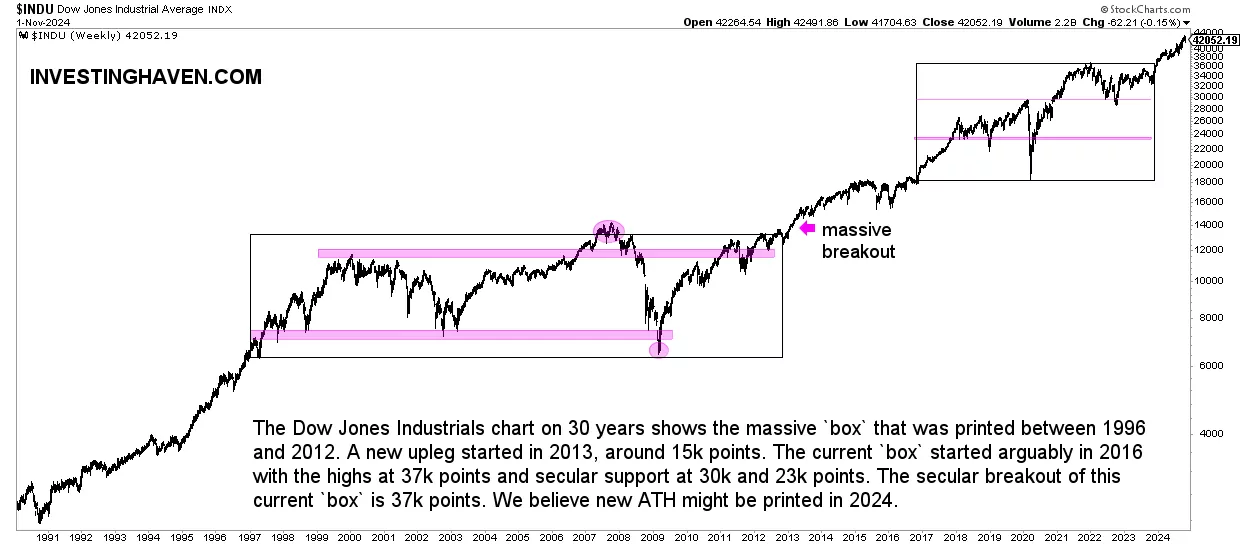
To answer “What’s the Dow now?” one must look at its recent performance: has it been trending upward, downward, or consolidating? Are we seeing record highs, significant corrections, or a period of volatility? Analyzing these short-term trends involves observing daily closes, weekly averages, and monthly performance. For instance, a period of sustained gains might reflect strong corporate earnings reports from its constituents, positive consumer spending data, or optimism surrounding technological advancements. Conversely, a sharp decline could be triggered by unexpected inflation figures, geopolitical tensions, or a shift in central bank policy.
Understanding the magnitude of recent movements is also crucial. A modest daily fluctuation is normal market noise, but a multi-hundred-point swing can signal a significant shift in investor sentiment or a reaction to breaking news. Identifying patterns, such as periods of consolidation after a rally or the formation of support and resistance levels, can offer clues about potential future movements, though past performance is never a guarantee of future results.
Major Economic Drivers
The Dow doesn’t move in a vacuum; it is highly responsive to a multitude of macroeconomic factors.
- Inflation and Interest Rates: Perhaps the most potent drivers in recent times. High inflation erodes purchasing power and corporate profits, while rising interest rates (often implemented by central banks to combat inflation) increase borrowing costs for businesses and consumers, potentially slowing economic growth. A robust Dow typically thrives in an environment of moderate inflation and stable, predictable interest rates.
- Gross Domestic Product (GDP): This measure of a nation’s economic output directly correlates with corporate health. Strong GDP growth often translates to higher revenues and profits for Dow companies, bolstering investor confidence.
- Employment Data: Low unemployment rates, coupled with wage growth, signal a healthy consumer base with spending power, which benefits companies within the Dow. Conversely, rising unemployment or stagnant wages can dampen consumer demand and corporate outlooks.
- Corporate Earnings: Ultimately, the performance of the 30 companies in the Dow drives the index. Strong earnings reports, positive guidance for future quarters, and robust balance sheets from these industrial giants are direct catalysts for upward movement. Weak earnings or cautious outlooks can pull the index down.
Geopolitical and Global Influences
In an interconnected global economy, events far beyond U.S. borders can profoundly impact the Dow. Trade wars, political instability in key regions, major natural disasters, pandemics, or even shifts in global commodity prices (like oil or critical minerals) can send ripples through international markets and, consequently, affect U.S. corporate profitability and investor sentiment. For example, supply chain disruptions originating from overseas can impact manufacturing costs and product availability for Dow components, while political tensions can trigger risk-off sentiment, leading investors to pull capital from equities. Keeping an eye on international headlines is therefore an integral part of understanding “what’s the Dow now.”
Beyond the Headlines: Deeper Insights for Investors
While the daily headlines often trumpet the Dow’s latest rise or fall, a savvy investor understands that these immediate movements are only part of a much larger and more nuanced picture. To make informed financial decisions, it’s crucial to look beyond the surface and consider the Dow’s role within a broader investment strategy.
The Dow vs. Broader Market Indices
One common mistake is to equate the Dow’s performance with the entire U.S. stock market. While highly influential, the Dow represents only 30 companies. Other indices offer different, often broader, perspectives:
- S&P 500: Comprises 500 large U.S. companies, weighted by market capitalization. It is widely considered a more comprehensive barometer of the overall U.S. stock market’s health than the Dow.
- Nasdaq Composite: Heavily weighted towards technology and growth companies. Its movements often reflect the performance of the tech sector and can be more volatile.
- Russell 2000: Tracks 2,000 small-cap U.S. companies. Its performance can indicate the health of smaller, domestically focused businesses and often reacts differently to economic cycles than large-cap indices.
Comparing the Dow’s performance against these other indices can provide deeper insights. For example, if the Dow is rising but the Russell 2000 is lagging, it might suggest that large, established companies are thriving while smaller businesses face headwinds, potentially indicating a broader economic weakness brewing beneath the surface. Diversifying across different indices or understanding their comparative performance is key to a balanced perspective.
Interpreting Dow Movements
A common misconception is that a rising Dow is always good, and a falling Dow is always bad. This oversimplification can be misleading.
- Is a rise always good? Not necessarily. A sharp, unsustainable rally driven by speculative enthusiasm rather than fundamentals could be a “bubble” forming, which often precedes a painful correction. Moreover, a Dow rising purely due to a few heavily-weighted components might mask underperformance in other parts of the market.
- Is a fall always bad? Not always. Market corrections (a drop of 10% or more) are a normal and healthy part of market cycles, often clearing out excesses and creating opportunities for long-term investors to buy quality assets at lower prices. A controlled descent driven by a necessary economic rebalancing can be less concerning than a panicked crash. Understanding the reason behind the movement is far more critical than the movement itself.
Long-Term vs. Short-Term Perspective
Perhaps the most crucial insight for individual investors is to distinguish between short-term noise and long-term trends. Daily, weekly, or even monthly fluctuations in the Dow are often driven by news cycles, algorithmic trading, and short-term speculation. While these movements can be dramatic, they rarely dictate the long-term success of a well-diversified investment portfolio. History shows that over extended periods, the stock market, represented by indices like the Dow, has consistently trended upwards, rewarding patient investors. Focusing too heavily on day-to-day changes can lead to emotional decisions, panic selling, or impulsive buying, often to the detriment of long-term financial goals. Adopting a long-term perspective, focusing on consistent contributions, diversification, and periodic rebalancing, typically yields better results.
Strategies for Engagement: How Investors Can Respond
Given the constant flux of the Dow and the broader market, investors need a well-thought-out approach to manage their assets. Simply knowing “what’s the Dow now” isn’t enough; the key is to understand how that information informs actionable strategies aligned with individual financial goals.
Diversification and Risk Management
The adage “Don’t put all your eggs in one basket” is nowhere more relevant than in investing. Even though the Dow comprises 30 seemingly robust companies, it is still a concentrated index. A wise investment strategy involves diversification not only across different market indices (e.g., combining Dow-tracking investments with S&P 500 or international funds) but also across various asset classes (stocks, bonds, real estate, commodities). This helps mitigate risk. If one sector or asset class experiences a downturn, others might perform well, cushioning the overall portfolio. Risk management also involves understanding your personal risk tolerance and adjusting your portfolio allocation accordingly. Younger investors with a longer time horizon might tolerate more risk, while those nearing retirement might prioritize capital preservation.
Utilizing Financial Tools and Resources
In today’s digital age, staying informed about the Dow and broader market conditions is easier than ever.
- Financial News Outlets: Reputable sources like The Wall Street Journal, Bloomberg, Reuters, and CNBC offer real-time updates, in-depth analysis, and expert commentary.
- Investment Platforms: Many brokerage accounts provide tools for tracking indices, analyzing company performance, and setting up alerts for significant market movements.
- Economic Calendars: These resources highlight upcoming economic data releases (e.g., inflation reports, unemployment figures, GDP updates) that are likely to influence market sentiment and the Dow’s direction.
- Robo-Advisors and Financial Planners: For those who prefer professional guidance, these services can help construct and manage diversified portfolios, often incorporating strategies that adapt to market conditions without requiring constant vigilance from the investor.
Regularly consulting these resources helps investors move beyond mere price tracking to a more nuanced understanding of underlying market dynamics.
The Importance of a Personalized Financial Plan
Ultimately, the Dow’s movements should be interpreted within the context of a personalized financial plan. Your investment strategy should be tailored to your specific goals (e.g., retirement, home purchase, college savings), your time horizon, and your individual risk tolerance. A robust financial plan typically includes:
- Clear Goals: Defining what you’re saving and investing for.
- Budgeting: Managing income and expenses to free up capital for investing.
- Asset Allocation: Deciding how to split investments across different asset classes.
- Regular Review and Rebalancing: Periodically checking your portfolio’s alignment with your goals and adjusting as needed.
- Emergency Fund: Having sufficient liquid savings to avoid having to sell investments during market downturns to cover unexpected expenses.
A well-crafted plan acts as a compass, guiding investment decisions even when the Dow is volatile, preventing emotional reactions from derailing long-term objectives. It emphasizes discipline and consistency over attempts to “time the market.”
The Future Trajectory: What Lies Ahead for the Dow
Predicting the precise future of the Dow is, by nature, an impossible task. However, understanding the potential catalysts and prevailing macroeconomic themes can help investors prepare and adapt their strategies for what might lie ahead.
Anticipating Market Shifts
Several key themes are likely to continue influencing the Dow’s trajectory in the coming years:
- Technological Innovation: Advances in AI, biotechnology, automation, and renewable energy will continue to drive growth in certain sectors, potentially leading to shifts in the Dow’s composition and performance. Companies that embrace and lead in these innovations are likely to thrive.
- Inflationary Pressures and Monetary Policy: Central banks will remain vigilant in managing inflation, and their decisions on interest rates will continue to be a primary determinant of market sentiment and corporate profitability. The balance between combating inflation and supporting economic growth will be a tightrope act.
- Geopolitical Landscape: Ongoing global conflicts, trade relations between major economic powers, and supply chain resilience will continue to introduce volatility and create both risks and opportunities.
- Demographic Changes and Consumer Behavior: Shifting demographics, evolving consumer preferences, and the increasing importance of sustainability and ethical investing will influence corporate strategies and, consequently, their stock performance.
- Corporate Adaptability: The ability of Dow component companies to adapt to regulatory changes, environmental challenges, and evolving market demands will be crucial for their sustained success.
Adapting Investment Strategies
In light of these anticipated shifts, investors should consider strategies that emphasize resilience and adaptability:
- Long-Term Growth Focus: Continuing to invest in companies with strong fundamentals and sustainable competitive advantages, regardless of short-term market noise.
- Diversification Across Sectors and Geographies: Not just within the U.S., but also considering international exposure to capture growth in emerging markets and hedge against domestic downturns.
- Value vs. Growth: Maintaining a balanced approach to investing in both established, value-oriented companies and innovative, growth-oriented firms.
- Dollar-Cost Averaging: Investing a fixed amount regularly, regardless of market highs or lows, which helps average out the purchase price over time and reduces the risk of trying to “time the market.”
Ultimately, while the question “What’s the Dow now?” provides a daily update on market sentiment, the more profound inquiry for investors should be: “How does the Dow’s current state fit into my long-term financial goals and strategy?” By understanding its context, drivers, and limitations, investors can navigate the complexities of the market with greater confidence and make more informed decisions for their financial future.
aViewFromTheCave is a participant in the Amazon Services LLC Associates Program, an affiliate advertising program designed to provide a means for sites to earn advertising fees by advertising and linking to Amazon.com. Amazon, the Amazon logo, AmazonSupply, and the AmazonSupply logo are trademarks of Amazon.com, Inc. or its affiliates. As an Amazon Associate we earn affiliate commissions from qualifying purchases.