
In the fast-paced and ever-evolving world of financial markets, the question “what is the highest stock right now?” is a common one, often posed by both seasoned investors and curious newcomers. However, the answer is rarely a simple ticker symbol or a single dollar figure. The concept of “highest stock” is multifaceted, highly dynamic, and subject to various interpretations, each carrying different implications for an investment strategy. Understanding what truly constitutes a “highest stock” requires delving beyond surface-level metrics into a deeper analysis of market capitalization, growth potential, valuation, and the underlying forces shaping corporate success.
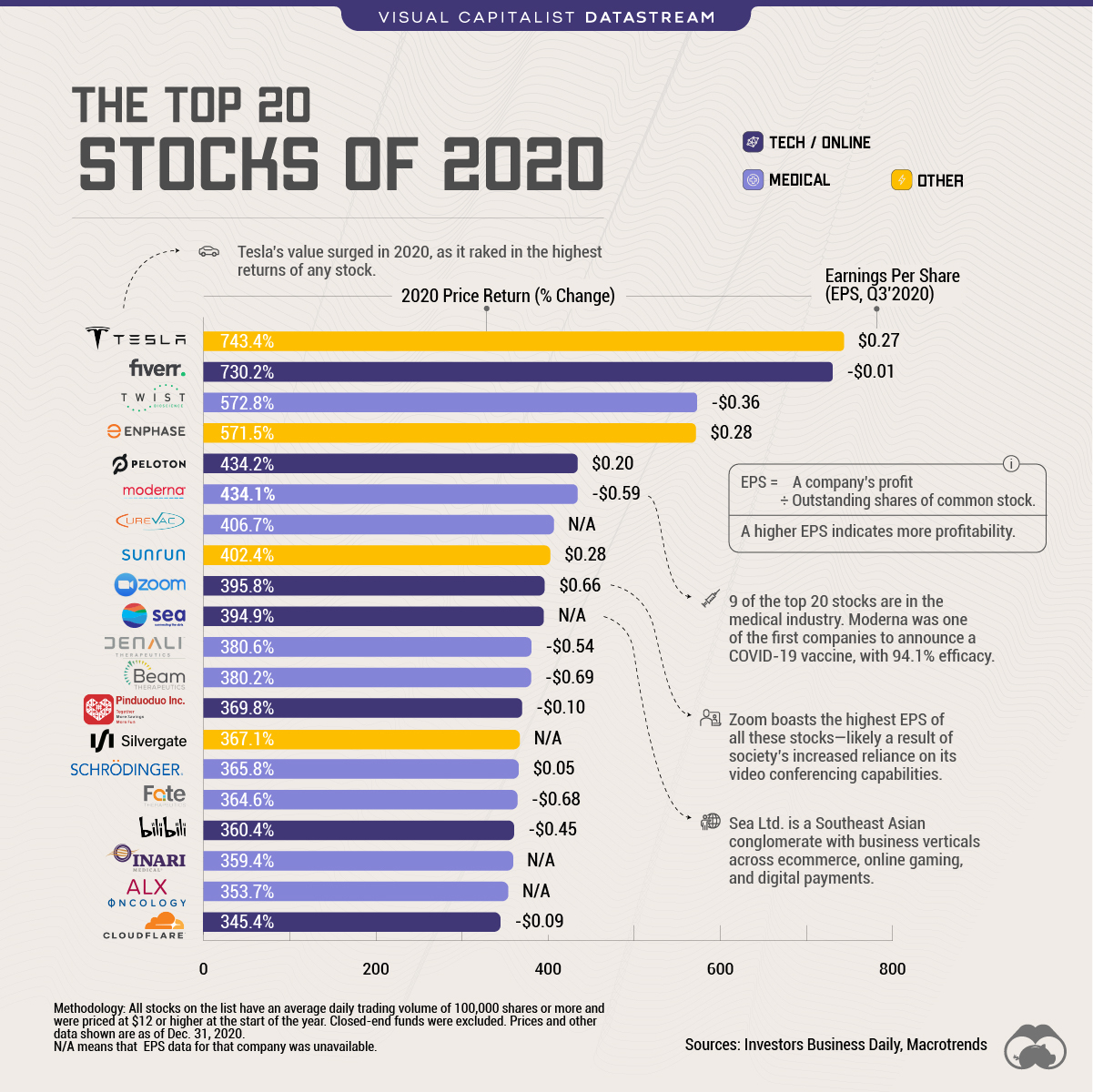
This article aims to demystify the pursuit of the “highest stock,” providing a comprehensive guide to understanding market leaders, the factors that propel them, and a strategic approach to incorporating such insights into a sound investment portfolio. We will explore how different metrics paint distinct pictures of dominance and why a singular focus on a fleeting “highest” title can be misleading without a broader context.
Defining “Highest”: More Than Just Share Price
When investors ask “what is the highest stock,” they often implicitly refer to the share price. While a high share price might indicate a valuable company, it’s a deceptive metric for overall market leadership or investment quality. A stock trading at $1,000 per share is not inherently “higher” or “better” than one at $10 per share. The true measure of a company’s market valuation, and often a better indicator of its prominence, lies in its market capitalization.
Market Capitalization vs. Share Price
Market capitalization (market cap) is the total value of a company’s outstanding shares. It’s calculated by multiplying the current share price by the number of shares outstanding. For example, a company with 1 billion shares at $10 each has a market cap of $10 billion. Another company with 10 million shares at $500 each has a market cap of $5 billion. In this scenario, the first company, despite its lower share price, is twice as large by market cap and thus often considered “higher” in terms of overall market presence and influence. Tech giants like Apple, Microsoft, and Amazon consistently rank among the highest by market cap, reflecting their immense scale and economic impact. This metric gives a far more accurate representation of a company’s size and its standing in the global economy.
Growth Rates and Future Potential
Another interpretation of “highest” might relate to a stock exhibiting the highest growth rate – either in revenue, earnings, or share price appreciation over a specific period. These are often the “hot” stocks of the moment, frequently found in emerging technologies or disruptive industries. While impressive, high growth can be volatile. A stock that has doubled in value in a year might be a “highest performing” stock but could also be significantly overvalued or subject to a market correction. Investors looking for growth are less concerned with current size and more with trajectory, aiming to identify companies poised for significant expansion in the future.
Valuation Metrics: P/E, P/S, and Beyond
Sophisticated investors also consider valuation metrics. A stock might have a high share price or even a large market cap, but if its price-to-earnings (P/E) ratio or price-to-sales (P/S) ratio is exorbitant compared to industry peers or historical averages, it might be considered “overvalued” rather than “highest” in terms of intrinsic worth. Understanding these metrics is crucial for determining whether a stock’s current price is justified by its earnings, revenue, or assets. A “highest” quality stock, in this context, might be one that offers strong fundamentals at a reasonable valuation, suggesting a more sustainable path to long-term gains rather than a speculative bubble.
The Dynamic Nature of Market Leaders
The financial landscape is a constantly shifting environment. The company that holds the title of “highest stock” by any given metric today may well be supplanted tomorrow. This inherent dynamism is a core characteristic of efficient markets, driven by innovation, economic cycles, and investor sentiment.
Sector Rotations and Economic Cycles
Different sectors perform well at different stages of the economic cycle. During periods of economic expansion, growth stocks and technology companies often lead the charge. In downturns, defensive sectors like consumer staples, utilities, and healthcare might outperform. This continuous sector rotation means that the “highest” performing stocks or the largest companies can change as economic conditions evolve. For example, a decade ago, energy and financial companies frequently topped market cap lists; today, technology dominates. Understanding these cycles helps temper expectations and encourages a diversified approach rather than chasing the latest trend.
Technological Innovation and Disruption
Technological advancements are perhaps the most powerful force reshaping market leadership. Companies that innovate rapidly or successfully disrupt existing industries can quickly ascend to market dominance. Think of how companies like Netflix disrupted traditional media, or Tesla challenged established automakers. These innovators often attract significant investor capital, pushing their valuations to new heights. However, the same forces of innovation can also lead to the rapid decline of formerly dominant companies that fail to adapt, illustrating the precariousness of maintaining a “highest” position.
Geopolitical and Regulatory Influences
External factors, such as geopolitical events, regulatory changes, and global economic policies, also play a significant role. A new trade agreement, a change in environmental regulations, or a shift in central bank interest rates can profoundly impact specific industries and companies, altering their market standing. For instance, policies promoting renewable energy can boost companies in that sector, while increased scrutiny on data privacy can affect tech giants. These macro-level forces ensure that the definition of “highest” is never static but a reflection of the current global context.
Key Factors Driving High Stock Performance
While the “highest stock” title is fluid, certain underlying characteristics consistently contribute to sustained high performance and market leadership. Identifying these factors is far more valuable than simply knowing which stock is at the top of a list at any given moment.
Strong Fundamentals and Earnings Growth

At the core of any successful company are robust financial fundamentals. Consistent and growing revenue, healthy profit margins, strong cash flow, and manageable debt are hallmarks of companies capable of sustaining their growth and weathering economic storms. Investors look for companies that can not only generate earnings but grow them predictably over time, signaling a healthy and expanding business. These fundamental strengths provide the bedrock upon which high valuations are built.
Competitive Advantages (Moats)
Warren Buffett famously speaks of “economic moats” – sustainable competitive advantages that protect a company from rivals. These can include strong brand recognition (e.g., Apple), proprietary technology (e.g., Google’s search algorithms), network effects (e.g., Facebook), high switching costs for customers, or significant cost advantages. Companies with wide moats are better positioned to maintain their market share, pricing power, and profitability, making them attractive long-term investments and often leading to their status as “highest” in their respective industries.
Investor Sentiment and Market Momentum
Beyond fundamentals, investor sentiment plays a crucial role in short-to-medium term stock performance. Positive news, strong analyst ratings, and a general optimistic outlook can create market momentum, driving up a stock’s price even beyond what its current fundamentals might suggest. Conversely, negative sentiment can lead to rapid declines. While sentiment can be fickle, it often amplifies the impact of strong fundamentals, propelling already good companies to even greater heights. However, reliance solely on sentiment without fundamental backing can lead to speculative bubbles.
Navigating the Pursuit of “Highest” Stocks
The quest to identify the “highest stock right now” should not be about chasing headlines or current price surges. Instead, it should be a disciplined process rooted in research, risk assessment, and alignment with personal financial goals.
The Illusion of Chasing Returns
A common mistake for many investors is to pour money into a stock after it has already made significant gains, hoping to catch the tail end of a rally. This “fear of missing out” (FOMO) often leads to buying at peak valuations, increasing the risk of substantial losses when the market inevitably corrects. True insight comes from identifying potential leaders before they become universally recognized as “highest.” This requires patience and a willingness to go against the herd.
Importance of Due Diligence and Research
Before investing in any stock, particularly those perceived as “highest,” thorough due diligence is paramount. This involves:
- Analyzing Financial Statements: Income statements, balance sheets, and cash flow statements offer a detailed picture of a company’s financial health.
- Understanding the Business Model: How does the company make money? Is its model sustainable and adaptable?
- Evaluating Industry Trends: Is the company operating in a growing sector? What are the competitive dynamics?
- Assessing Management Quality: Does the leadership team have a proven track record? Are their incentives aligned with shareholders?
Proper research helps distinguish between genuinely strong companies and those that are merely benefiting from temporary market fads.
Understanding Risk vs. Reward
Stocks that are considered “highest” often come with elevated risks. High growth stocks, for instance, can be highly volatile, with their prices fluctuating significantly based on news, earnings reports, or shifts in investor sentiment. Overvalued stocks carry the risk of sharp corrections. It’s crucial for investors to assess whether the potential rewards of investing in a high-performing stock justify the inherent risks. This involves understanding your personal risk tolerance and ensuring that such investments fit within your broader financial strategy.
Strategic Approaches to Investing in Top Performers
Rather than fixating on a single “highest stock,” a more prudent and effective investment strategy involves a holistic approach that seeks to capitalize on the strengths of market leaders while mitigating risks.
Diversification: Beyond Single Stock Focus
Putting all your capital into one or two “highest” stocks, no matter how promising, is an inherently risky strategy. Diversification across different companies, industries, asset classes, and geographies is fundamental to prudent investing. Even the strongest companies can face unforeseen challenges. A diversified portfolio helps to smooth out returns and protect against the concentrated risk of a single stock’s underperformance. While you might allocate a portion of your portfolio to potential high-growth leaders, it should be balanced with more stable, established companies and other asset types.
Long-Term vs. Short-Term Investing
The truly “highest” stocks, in terms of sustained wealth creation, are often those held for the long term. Short-term trading based on daily fluctuations of the “highest stock right now” is highly speculative and difficult to execute profitably for most individual investors. A long-term perspective allows investors to ride out market volatility, benefit from compounding returns, and participate in the sustained growth of fundamentally strong companies. Identifying companies with enduring competitive advantages and holding them through various market cycles is a hallmark of successful long-term investing.

Utilizing Financial Tools and Expert Analysis
For those seeking to identify potential market leaders, a wealth of financial tools and expert analysis is available. Stock screeners can filter companies based on specific criteria (e.g., market cap, P/E ratio, growth rates). Financial news outlets and reputable investment research firms provide in-depth analysis and reports. Robo-advisors and human financial advisors can offer personalized guidance, helping investors construct portfolios aligned with their goals and risk tolerance. Leveraging these resources can provide valuable insights, helping investors make informed decisions rather than relying on fleeting market buzz.
In conclusion, the question “what is the highest stock right now?” is a gateway to a much deeper exploration of market dynamics, company fundamentals, and intelligent investment strategies. While knowing which companies are currently at the top by various metrics can be interesting, true investment success comes from understanding why they are there, assessing their sustainability, and integrating them thoughtfully into a well-diversified, long-term portfolio. Chasing headlines is a path fraught with peril; disciplined research and a strategic approach are the keys to identifying and investing in companies that offer genuinely high potential.
aViewFromTheCave is a participant in the Amazon Services LLC Associates Program, an affiliate advertising program designed to provide a means for sites to earn advertising fees by advertising and linking to Amazon.com. Amazon, the Amazon logo, AmazonSupply, and the AmazonSupply logo are trademarks of Amazon.com, Inc. or its affiliates. As an Amazon Associate we earn affiliate commissions from qualifying purchases.