
Understanding the operational hours of the stock market is a fundamental piece of knowledge for anyone involved in investing, from seasoned day traders to long-term investors. While the question “how long is the stock market open today?” might seem straightforward, the answer encompasses more than just the regular trading session. It delves into pre-market and after-hours activities, holiday schedules, and the global tapestry of financial exchanges. Navigating these various timings is crucial for effective decision-making, risk management, and capitalizing on market opportunities.
For most individual investors in the United States, the focus primarily rests on the New York Stock Exchange (NYSE) and the NASDAQ Stock Market, which are the two largest and most influential exchanges globally. These markets set the pulse for a vast array of publicly traded companies, from established blue-chips to innovative tech giants. However, the world of trading is dynamic, extending beyond these core hours and geographies. This comprehensive guide will illuminate the intricacies of stock market operating times, providing clarity and strategic insights for all market participants.
Understanding Standard Trading Hours
The conventional image of the stock market as a bustling floor with brokers frantically signaling is largely confined to history, replaced by sophisticated electronic systems. Yet, the concept of defined trading hours remains a cornerstone of market structure. These hours are designed to concentrate liquidity, facilitate efficient price discovery, and provide a structured environment for buying and selling securities.
The Core Trading Window: NYSE and NASDAQ
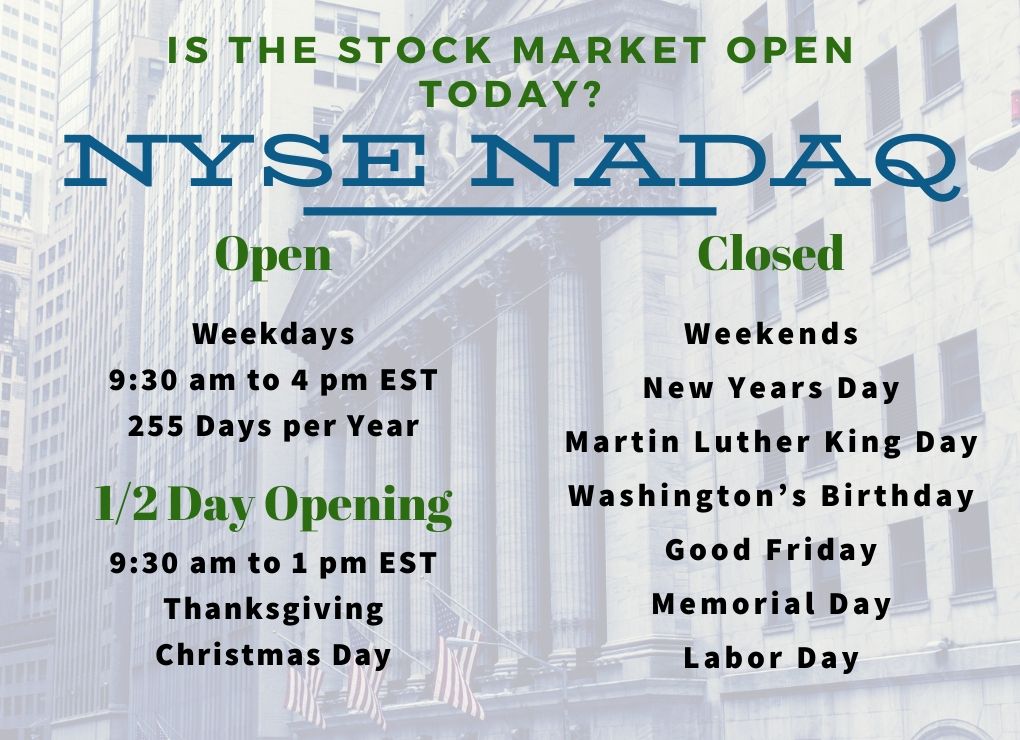
For the vast majority of U.S. equities, the standard trading hours for both the New York Stock Exchange (NYSE) and the NASDAQ Stock Market are 9:30 AM to 4:00 PM Eastern Time (ET), Monday through Friday. This 6.5-hour window is often referred to as the “regular trading session” or “core trading hours.” During this period, liquidity is typically at its highest, bid-ask spreads are generally tightest, and the most significant price movements and trading volumes occur.
The opening bell at 9:30 AM ET signifies the official start of the trading day, often accompanied by heightened volatility as overnight news and orders are processed. Similarly, the closing bell at 4:00 PM ET marks the end of the official session, with a flurry of activity as traders close positions or execute last-minute orders. This concentrated period ensures that a large number of buyers and sellers are present, contributing to fair and transparent pricing mechanisms. Understanding this core window is paramount, as it’s the period most directly impacting the daily valuations of your investments.
Weekends and Federal Holidays: When the Market Rests
The stock market, unlike some other financial markets such as foreign exchange, does not operate 24/7. It observes a traditional five-day work week, meaning it is closed on Saturdays and Sundays. This allows market participants, regulators, and the underlying companies a respite from the constant flow of information and trading activity, providing time for analysis, strategy adjustments, and personal rest.
In addition to weekends, the NYSE and NASDAQ also observe a number of federal holidays throughout the year. On these days, the markets are fully closed, meaning no trading occurs during the regular session, pre-market, or after-hours. These holidays typically include:
- New Year’s Day
- Martin Luther King, Jr. Day
- Washington’s Birthday (Presidents’ Day)
- Good Friday
- Memorial Day
- Juneteenth National Independence Day
- Independence Day
- Labor Day
- Thanksgiving Day
- Christmas Day
It’s also important to note that occasionally, the market may have early closures on days preceding or following a holiday, such as the day after Thanksgiving (Black Friday) or Christmas Eve, where trading might conclude at 1:00 PM ET. These adjusted schedules are always published well in advance by the exchanges. Investors should consult the official NYSE and NASDAQ calendars for precise dates and times, as these can impact the settlement of trades and the timing of news releases. Trading on a holiday or weekend is impossible through standard channels, and any major news released during these periods will only be reflected in stock prices once the market reopens.
Time Zone Considerations for Global Investors
While the core hours of 9:30 AM to 4:00 PM Eastern Time (ET) are standard for U.S. exchanges, investors located in different time zones must adjust accordingly. For example, an investor on the West Coast of the United States (Pacific Time) would find the market open from 6:30 AM to 1:00 PM PT. Someone in London would need to check market activity between 2:30 PM and 9:00 PM GMT, while an investor in Hong Kong would be watching from 9:30 PM to 4:00 AM HKT the following day.
This time zone differential is not just a matter of convenience; it has significant implications for how investors access information, execute trades, and manage their portfolios. It means that major news events or economic data releases occurring outside an investor’s local business hours could significantly impact their holdings before they even have a chance to react during their waking hours. Many international investors rely on advanced trading platforms, alerts, and sometimes even professional management services to navigate these temporal disparities, ensuring they don’t miss critical market movements simply due to geography.
Beyond Standard: Pre-Market and After-Hours Trading
The traditional 9:30 AM to 4:00 PM ET window represents the core of market activity, but the reality of modern electronic trading extends far beyond these boundaries. Pre-market and after-hours trading sessions allow investors and institutions to react to news, earnings reports, and other catalysts outside the regular session.
What is Pre-Market Trading?
Pre-market trading refers to the period before the official opening of the stock market. For U.S. equities, this typically begins as early as 4:00 AM ET and runs until 9:30 AM ET. During this window, electronic communication networks (ECNs) facilitate trading among institutional investors, market makers, and retail investors who have access to platforms that support extended-hours trading.
The primary drivers of pre-market activity are often earnings reports released overnight or early in the morning, significant economic data, or major news announcements that could sway market sentiment. For example, a company announcing better-than-expected earnings at 7:00 AM ET will likely see its stock price react in the pre-market session before the regular market even opens. This early trading provides a glimpse into how the market might react once the full session begins, acting as a “test run” for the day’s likely sentiment.
Exploring After-Hours Trading
Conversely, after-hours trading commences once the regular session closes at 4:00 PM ET and can extend as late as 8:00 PM ET. Similar to pre-market, this period utilizes ECNs and caters to investors who wish to trade based on news or events that unfold immediately after the closing bell. Many corporate earnings calls and major economic indicators are scheduled for release shortly after 4:00 PM ET, making after-hours trading a critical period for price discovery related to these announcements.
Both pre-market and after-hours trading are integral components of the broader trading day. They allow for continuous price discovery and enable market participants to react swiftly to new information without having to wait for the next regular session. This extended access is particularly valuable in today’s fast-paced news cycle, where delays can translate into missed opportunities or increased risk.
Risks and Opportunities in Extended Hours
While extended-hours trading offers flexibility, it also comes with distinct characteristics and risks:
Risks:
- Lower Liquidity: Fewer participants typically mean lower trading volumes. This can lead to wider bid-ask spreads, making it more expensive to enter or exit positions.
- Higher Volatility: With less liquidity, a single large order can have a disproportionate impact on a stock’s price, leading to exaggerated price swings.
- Price Discrepancy: The price established in extended hours may differ significantly from the opening price of the regular session due to new information or increased liquidity.
- Limited Order Types: Some advanced order types (like stop orders) may not be available or may behave differently in extended hours, increasing risk.
- Professional Dominance: Institutional traders and market makers, with their sophisticated tools and information access, often have an advantage over individual retail investors during these less liquid periods.
Opportunities:
- Early Reaction to News: Ability to act on critical news or earnings reports before or after the regular session.
- Flexibility: Allows investors to trade around their personal schedules or respond to global events in real-time.
- Potential for Alpha: Skilled traders can potentially profit from significant price movements caused by breaking news or low liquidity.
For most retail investors, approaching extended-hours trading requires caution and a deep understanding of its nuances. It is generally recommended for experienced traders or those with specific, well-researched strategies, rather than for casual investment.
The Rationale Behind Fixed Trading Hours
In an increasingly interconnected and digital world, one might wonder why stock markets don’t simply operate 24/7 like some other financial instruments. The fixed trading hours, while seeming somewhat archaic, serve several critical functions that contribute to market efficiency, stability, and investor protection.
Ensuring Liquidity and Price Discovery
The primary benefit of fixed trading hours is the concentration of liquidity. By limiting the period during which trading can occur, exchanges ensure that a large pool of buyers and sellers are present simultaneously. This high concentration of participants leads to tighter bid-ask spreads, making it cheaper and easier to execute trades at fair prices. Without concentrated liquidity, trades could become costly, and price discovery — the process by which market participants arrive at a fair price for an asset — would become fragmented and inefficient. The robust liquidity during core hours reduces slippage and allows for more accurate real-time valuations of securities.
Investor Protection and Operational Efficiency
Fixed hours also contribute significantly to investor protection. The structure provides defined periods for regulatory oversight and surveillance, making it easier to detect and address market manipulation or fraudulent activities. Regulators have a clear window to monitor trading patterns, investigate anomalies, and enforce rules. Furthermore, the closure periods allow for essential back-office operations, system maintenance, and data reconciliation without disrupting live trading. This operational efficiency is vital for the integrity and reliability of the complex financial infrastructure that underpins global markets. Regular downtime for system checks and upgrades reduces the risk of technical glitches during active trading, bolstering confidence in the market’s stability.
The Human Element: Work-Life Balance for Market Participants
While often overlooked, the human element plays a crucial role. Defined trading hours provide a necessary structure for the vast ecosystem of individuals who support and participate in the market. This includes traders, analysts, portfolio managers, market makers, regulators, compliance officers, and exchange staff. A 24/7 market would impose immense strain, leading to burnout and potentially compromising decision-making quality. The ability to “switch off” and disengage from constant market monitoring allows professionals to maintain a healthier work-life balance, conduct deeper research, and strategize more effectively, ultimately contributing to a more sustainable and robust financial system.
Strategic Implications for Investors and Traders
Understanding when the stock market is open is not merely a logistical detail; it forms the bedrock of strategic planning for both investors and traders. The timing of market activity dictates how news is processed, how orders are executed, and how portfolios are managed.
Adapting Your Trading Strategy to Market Hours
Different trading periods demand different approaches. During the regular trading session (9:30 AM – 4:00 PM ET), the high liquidity and volume make it ideal for most trading strategies, from long-term investing to swing trading and even day trading. Volatility tends to be higher at the open and close, offering opportunities for short-term traders, while the middle hours often present more stable conditions for accumulating positions or executing larger orders. Investors should be aware that their order types (market orders vs. limit orders) will behave most predictably during these core hours.
For pre-market and after-hours trading, a more cautious and specialized approach is necessary. Given the lower liquidity and higher volatility, strategies here often revolve around reacting quickly to specific news events like earnings surprises or FDA approvals. Limit orders are almost exclusively recommended to prevent significant price slippage. Retail investors, in particular, should exercise extreme caution and consider these periods only if they have a clear understanding of the risks and a well-defined strategy. Using tools that provide deep level II market data can be beneficial to gauge liquidity in these extended sessions.
Monitoring News and Events Outside Core Hours
A significant portion of market-moving news and economic data is released outside of regular trading hours. Corporate earnings reports, analyst upgrades/downgrades, macroeconomic data (like inflation or employment figures), and geopolitical events frequently break before the market opens or after it closes. Savvy investors and traders must have a system in place to monitor these announcements. This might involve subscribing to financial news feeds, setting up alerts, or using platforms that aggregate news releases. Understanding the implications of such news during off-hours can provide a significant advantage, allowing for preparedness or pre-positioning once the market reopens. Ignoring after-hours news means you could wake up to a vastly different portfolio value without having had the chance to react.
The Role of Automation and Technology in Off-Hour Trading
Modern technology has transformed how investors interact with the market, especially during extended hours. Algorithmic trading, once the exclusive domain of institutional players, is becoming more accessible, allowing for automated execution of strategies based on pre-defined conditions, even when an investor isn’t actively watching. Robo-advisors can rebalance portfolios, and advanced trading platforms offer features like conditional orders that can trigger trades based on price movements in pre-market or after-hours sessions.
However, even with automation, human oversight remains critical. The unpredictable nature of extended hours means that automated strategies need to be robust and continuously monitored for unexpected market behavior. Technology empowers investors to participate beyond the traditional clock, but it also necessitates a higher level of understanding and risk management to fully leverage its capabilities effectively.
Navigating Global Markets and Their Timings
While the focus for many U.S.-based investors is naturally on NYSE and NASDAQ, the global financial landscape offers a mosaic of exchanges, each with its own operating hours. Understanding these global timings can unlock new opportunities and provide a broader perspective on market dynamics.
A Glimpse at Major International Exchanges
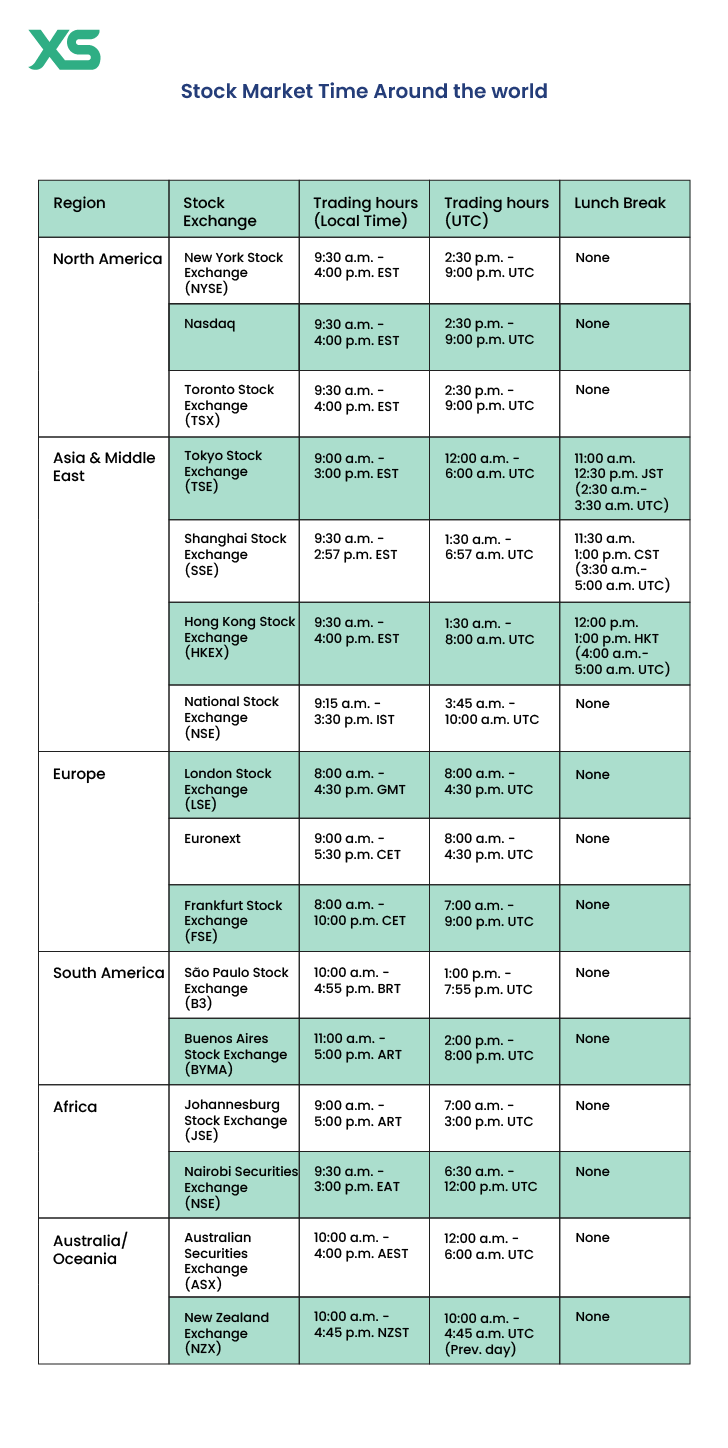
The world’s stock markets operate in a sequential fashion, creating a near 24-hour trading cycle across different time zones. As one major market closes, another is often opening. Here’s a simplified overview of some major global exchanges and their approximate local trading hours (excluding holidays and specific half-days):
- Asia-Pacific:
- Tokyo Stock Exchange (TSE): 9:00 AM – 3:00 PM JST (with a lunch break)
- Shanghai Stock Exchange (SSE): 9:30 AM – 3:00 PM CST (with a lunch break)
- Hong Kong Stock Exchange (HKEX): 9:30 AM – 4:00 PM HKT (with a lunch break)
- Australian Securities Exchange (ASX): 10:00 AM – 4:00 PM AEST
- Europe:
- London Stock Exchange (LSE): 8:00 AM – 4:30 PM GMT/BST
- Euronext (Paris, Amsterdam, Brussels, Lisbon): 9:00 AM – 5:30 PM CET
- Frankfurt Stock Exchange (XTRA): 9:00 AM – 5:30 PM CET
- North America:
- Toronto Stock Exchange (TSX): 9:30 AM – 4:00 PM ET (same as US)
- Mexico Stock Exchange (BMV): 8:30 AM – 3:00 PM CT
This staggered schedule means that news originating in Asia can impact European markets, which then influences North American markets, in a continuous flow. Global events and economic reports often ripple across these time zones, creating interconnected market movements.
The Concept of 24/7 Trading and its Limitations
While no single stock exchange operates 24/7 for equities, the combined operation of global markets creates a near-continuous trading environment for specific assets. For instance, the foreign exchange (forex) market truly operates 24 hours a day, five days a week, as currency trading shifts from one major financial center to another. Similarly, certain futures contracts and cryptocurrencies are traded around the clock.
However, extending this model to traditional stock markets presents significant logistical and regulatory challenges, as previously discussed regarding liquidity, operational efficiency, and the human element. The benefits of concentrated liquidity and regulated oversight during fixed hours currently outweigh the perceived advantages of continuous trading for mainstream equities. While technology continues to push boundaries, a truly 24/7 global stock market for individual company shares remains a distant, perhaps undesirable, prospect for most participants.
Leveraging Global Hours for Diversification and Opportunity
For sophisticated investors and institutions, understanding global market hours is not just an academic exercise; it’s a strategic imperative. By monitoring markets across different time zones, investors can gain insights into global sentiment, identify emerging trends, and potentially front-run movements in their local markets. For example, a strong performance in Asian tech stocks overnight might signal a positive opening for U.S. tech stocks.
Furthermore, direct investment in international markets offers significant opportunities for diversification, allowing investors to tap into growth regions and industries not available domestically. This requires not only an understanding of local trading hours but also an awareness of foreign exchange rates, local regulations, and geopolitical risks. Leveraging global hours effectively demands robust research, access to international trading platforms, and a comprehensive understanding of the interconnectedness of world economies.
In conclusion, knowing “how long is the stock market open today” is far more nuanced than a simple time check. It’s about comprehending the structure of market operations, the strategic implications of different trading periods, and the global symphony of financial activity. For any investor aiming for success, mastering these temporal dynamics is as critical as understanding financial fundamentals.
aViewFromTheCave is a participant in the Amazon Services LLC Associates Program, an affiliate advertising program designed to provide a means for sites to earn advertising fees by advertising and linking to Amazon.com. Amazon, the Amazon logo, AmazonSupply, and the AmazonSupply logo are trademarks of Amazon.com, Inc. or its affiliates. As an Amazon Associate we earn affiliate commissions from qualifying purchases.