
Embarking on the journey to understand the stock market can seem daunting, a complex world filled with jargon, fluctuating numbers, and the promise of wealth alongside the specter of loss. Yet, for anyone aspiring to build long-term financial security, cultivate passive income, or simply gain a deeper understanding of the global economy, learning about the stock market is an invaluable endeavor. It’s not an exclusive club for finance professionals; rather, it’s an accessible arena where informed individuals can make their money work harder for them. This guide aims to demystify the process, offering a structured pathway to financial literacy in the realm of equities, empowering you to navigate the market with confidence and insight.
Laying the Foundation: Understanding the Basics
Before diving into investment strategies or market analysis, it’s crucial to establish a firm grasp of the fundamental concepts that underpin the stock market. Think of it as learning the alphabet before you can read a book – essential for comprehension and effective participation.
What is the Stock Market?
At its core, the stock market is a collection of exchanges and other venues where stocks (shares) of publicly traded companies are bought and sold. When you buy a stock, you’re purchasing a tiny slice of ownership in a company. Companies issue stocks to raise capital for growth, expansion, or operations. The “market” itself is not a single physical location, but a vast, interconnected network of buyers and sellers, facilitated by brokers and electronic trading platforms. It’s a barometer of economic health and investor sentiment, with prices fluctuating based on supply and demand, company performance, industry trends, and broader economic indicators. Understanding the interplay between primary markets (where new stocks are issued) and secondary markets (where existing stocks are traded between investors) is key to grasping its function.
Key Terminology You Need to Know
The stock market has its own lexicon, and familiarizing yourself with these terms will significantly enhance your learning process.
- Stock/Share: A unit of ownership in a company.
- Dividend: A portion of a company’s earnings paid out to its shareholders.
- Market Capitalization (Market Cap): The total value of a company’s outstanding shares (share price multiplied by the number of shares).
- Volatility: The degree of variation of a trading price series over time. High volatility means prices can change dramatically and quickly.
- Bull Market: A period during which stock prices are generally rising.
- Bear Market: A period during which stock prices are generally falling.
- P/E Ratio (Price-to-Earnings Ratio): A company’s share price divided by its earnings per share; a common valuation metric.
- EPS (Earnings Per Share): A company’s profit divided by the number of outstanding shares; indicates profitability.
- Index: A collection of stocks representing a segment of the market (e.g., S&P 500, Dow Jones Industrial Average).
- Brokerage Account: An investment account used to hold financial assets like stocks, bonds, and mutual funds.
Types of Investments Beyond Individual Stocks
While “stock market” often implies individual company shares, the broader investment landscape includes other instruments that trade on exchanges and offer diversification.
- Exchange-Traded Funds (ETFs): A basket of securities (stocks, bonds, commodities) that trades like an individual stock. ETFs are popular for their diversification benefits and lower costs compared to actively managed mutual funds.
- Mutual Funds: Professionally managed portfolios of stocks, bonds, or other investments. While not traded throughout the day like stocks, they offer diversification and expert management, typically priced once a day.
- Bonds: Debt instruments issued by governments or corporations. When you buy a bond, you’re lending money in exchange for periodic interest payments and the return of your principal at maturity. While typically less volatile than stocks, they play a crucial role in a balanced portfolio.
Practical Steps to Self-Education
Learning about the stock market is an ongoing process, but there are distinct, actionable steps you can take to accelerate your understanding and build expertise.
Read, Read, Read: Books, News, and Research
Books provide foundational knowledge and historical context. Classics like “The Intelligent Investor” by Benjamin Graham offer timeless wisdom, while modern titles delve into specific strategies or market psychology. Complement your book learning with daily consumption of reputable financial news outlets (e.g., The Wall Street Journal, Financial Times, Bloomberg, Reuters). These sources provide real-time market updates, economic analysis, and insights into company-specific developments. Don’t shy away from specialized blogs and academic research papers for deeper dives into particular sectors or analytical techniques. The key is to seek out diverse perspectives and critically evaluate the information you encounter.
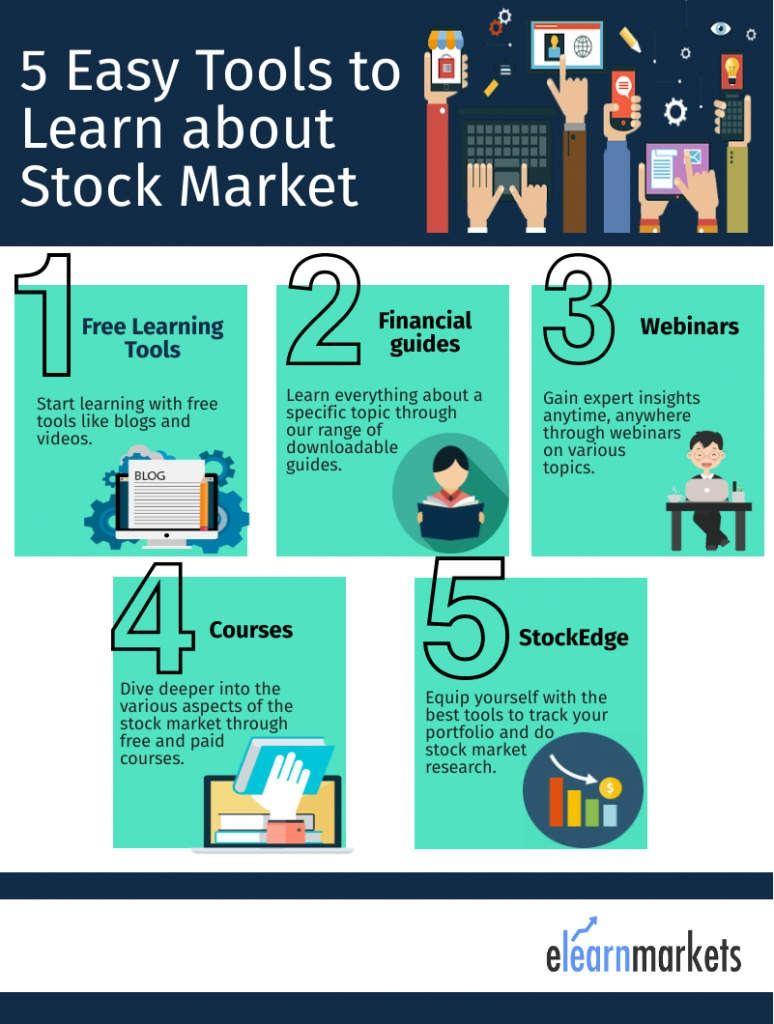
Online Courses and Educational Platforms
The digital age has democratized financial education. Numerous online platforms offer structured courses, often taught by experienced professionals. Websites like Coursera, edX, Udemy, and Khan Academy provide courses ranging from beginner introductions to advanced topics in financial analysis. Many reputable brokerage firms (e.g., Fidelity, Schwab, Vanguard) also offer extensive free educational resources, including articles, webinars, and tutorials tailored for their clients. These platforms can provide a structured curriculum, quizzes, and even certifications, helping solidify your understanding.
Utilize Simulation and Practice
One of the best ways to learn without risking real capital is through paper trading or stock market simulators. Many online brokers offer free demo accounts that mimic live market conditions, allowing you to buy and sell stocks with virtual money. This hands-on experience is invaluable for understanding how orders are placed, how prices move, and how various news events impact your simulated portfolio. It’s a safe sandbox to test strategies, make mistakes, and learn from them without any financial repercussions. This practical application bridges the gap between theoretical knowledge and real-world trading.
Follow Reputable Experts (Critically)
Observing and learning from experienced investors and financial analysts can provide valuable insights. Look for individuals or institutions with a proven track record, transparent methodologies, and a commitment to educating their audience. However, it’s paramount to follow them critically. Understand that no one has a crystal ball, and even experts can be wrong. Use their analyses as a starting point for your own research, rather than as definitive trading signals. Always strive to understand the “why” behind their opinions and cross-reference information from multiple sources.
Developing Your Investment Strategy
Learning the basics is just the beginning. The next crucial step is to develop an investment strategy that aligns with your personal financial goals and risk tolerance.
Defining Your Investment Goals and Risk Tolerance
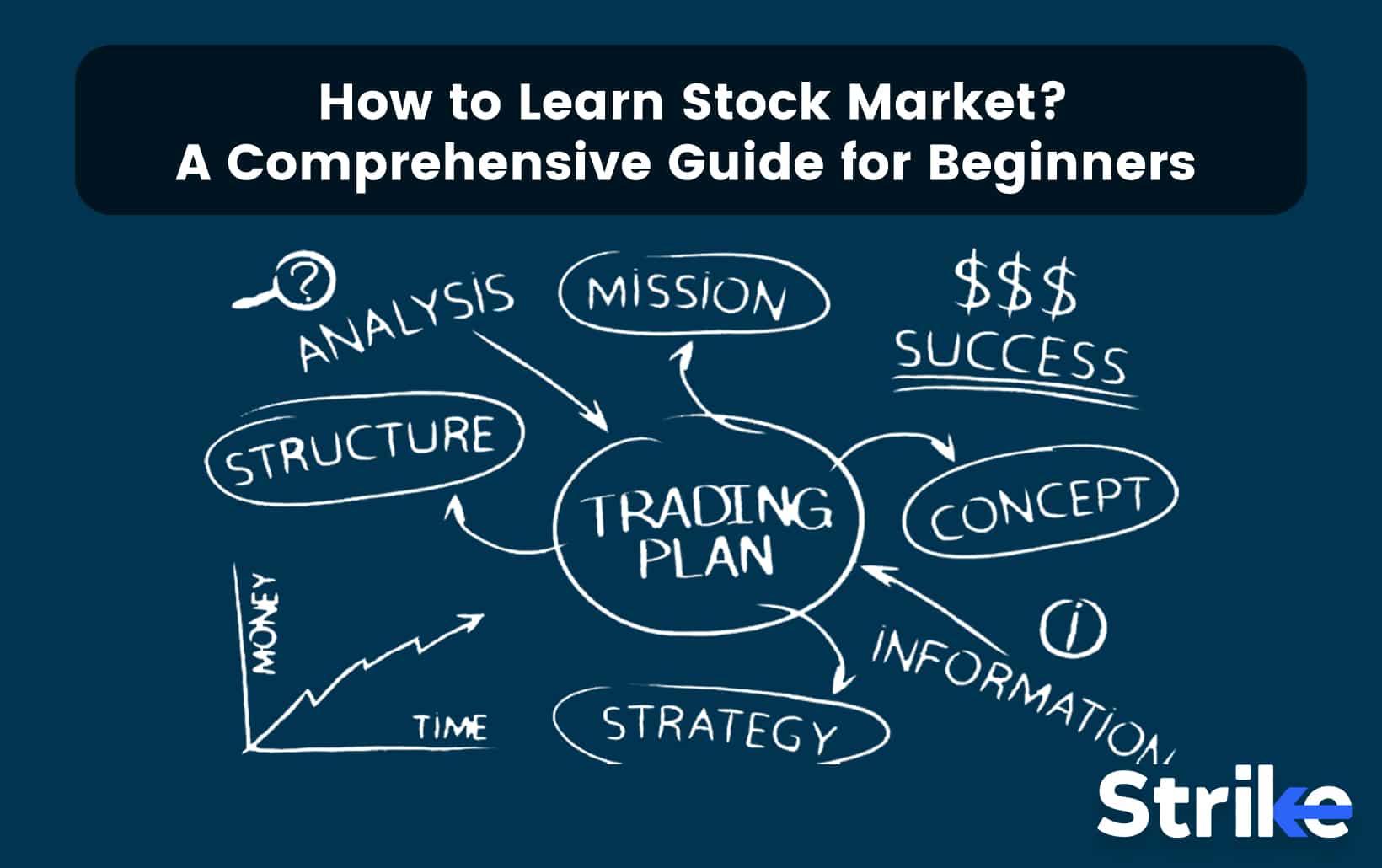
Before investing a single dollar, clarify what you aim to achieve. Are you saving for retirement decades away, a down payment in five years, or seeking short-term capital growth? Your time horizon significantly influences your strategy. Equally important is understanding your risk tolerance – how much volatility are you comfortable with? Are you prepared for potential short-term losses for the prospect of long-term gains, or do you prioritize capital preservation above all else? Your answers will guide your asset allocation and choice of securities. A young investor with a long horizon might tolerate more risk for higher growth potential, while someone nearing retirement might prefer more conservative, income-generating assets.
Fundamental vs. Technical Analysis
These are the two primary methodologies for evaluating investments.
- Fundamental Analysis: This involves evaluating a company’s intrinsic value by examining its financial statements (income statement, balance sheet, cash flow statement), management, industry, and economic outlook. The goal is to determine if a stock is undervalued or overvalued compared to its true worth. Key metrics include P/E ratio, revenue growth, debt levels, and profit margins. Value investors, like Warren Buffett, are often adherents of fundamental analysis.
- Technical Analysis: This approach involves studying past market data, primarily price and volume charts, to identify patterns and predict future price movements. Technical analysts believe that all known information is already reflected in the stock price, and patterns tend to repeat. Tools include moving averages, support/resistance levels, and various indicators (e.g., RSI, MACD). Day traders and short-term investors often rely heavily on technical analysis.
Many successful investors use a blend of both approaches, with fundamental analysis informing long-term holdings and technical analysis helping with entry and exit points.
Diversification and Asset Allocation
The adage “don’t put all your eggs in one basket” is nowhere more relevant than in investing.
- Diversification: Spreading your investments across different assets, industries, and geographies to reduce risk. If one sector performs poorly, others may perform well, cushioning the impact on your overall portfolio. This can mean investing in large-cap and small-cap stocks, domestic and international markets, and different industries (e.g., tech, healthcare, consumer staples).
- Asset Allocation: Dividing your investment portfolio among different asset categories, such as stocks, bonds, and cash. This decision is primarily driven by your risk tolerance, time horizon, and financial goals. A higher allocation to stocks typically implies higher risk but also higher potential returns over the long term, while bonds offer more stability but lower returns.
Long-Term Investing vs. Short-Term Trading
It’s vital to differentiate between these two distinct approaches.
- Long-Term Investing: Focuses on buying quality assets and holding them for extended periods (years or decades), allowing compound interest and business growth to generate returns. This strategy typically involves less frequent trading, lower transaction costs, and a focus on fundamental analysis. It’s often recommended for most individual investors aiming for wealth accumulation.
- Short-Term Trading: Involves frequent buying and selling of securities, sometimes within the same day (day trading), to profit from small price fluctuations. This strategy requires significant time commitment, advanced technical analysis skills, high risk tolerance, and can incur substantial transaction costs and taxes. For beginners, a long-term investment approach is generally safer and more sustainable.
Navigating the Market and Managing Risk
The stock market is dynamic. Continuous learning, disciplined execution, and a clear understanding of risk management are paramount for sustained success.
The Importance of Continuous Learning
The financial world is constantly evolving. New technologies emerge, regulations change, economic conditions shift, and companies rise and fall. What worked yesterday might not work tomorrow. Therefore, a commitment to continuous learning is non-negotiable. Stay updated with global economic news, read quarterly earnings reports of your invested companies, and adapt your knowledge base. This doesn’t mean constantly changing your strategy, but rather refining your understanding and making informed adjustments when necessary.
Avoiding Common Pitfalls
Many new investors fall prey to common mistakes that can erode capital and discourage participation.
- Emotional Investing: Making decisions based on fear (selling during downturns) or greed (buying into speculative bubbles). Rational, data-driven decisions are key.
- Chasing Trends: Investing in “hot” stocks or sectors without proper research, often buying at the peak.
- Lack of Diversification: Concentrating too much capital in a single stock or sector, exposing the portfolio to undue risk.
- Impatience: Expecting quick riches and becoming discouraged by short-term volatility, leading to premature selling.
- Ignoring Fees and Taxes: Underestimating the impact of trading commissions, expense ratios, and capital gains taxes on overall returns.
Building a Disciplined Approach
Success in the stock market often boils down to discipline.
- Consistency: Regularly investing a fixed amount, regardless of market fluctuations (dollar-cost averaging). This helps smooth out market volatility and reduces the risk of timing the market incorrectly.
- Patience: Allowing your investments time to grow and compound. The stock market rewards long-term commitment.
- Rebalancing: Periodically adjusting your portfolio back to your target asset allocation. If stocks have performed exceptionally well, you might sell some to buy more bonds, bringing your portfolio back into balance and maintaining your desired risk level.
- Adhering to Your Strategy: Stick to your defined investment plan, even when market conditions test your resolve.
Taking the First Step: Opening a Brokerage Account
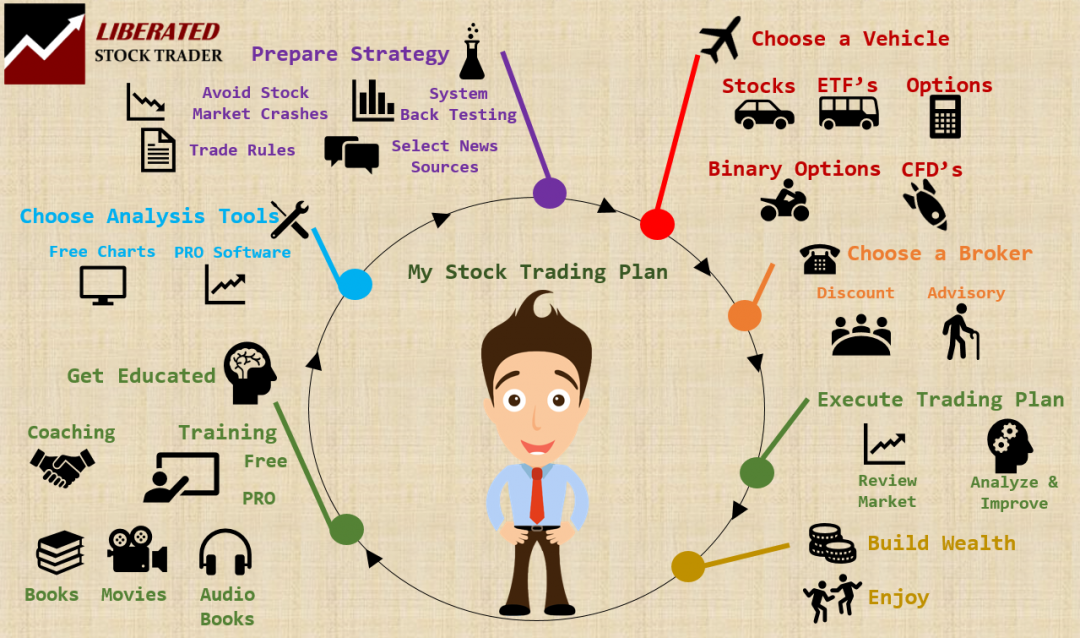
Once you’ve built a solid understanding and developed a preliminary strategy, the practical step is to open an investment account.
Choosing the Right Brokerage
Selecting a brokerage firm is a crucial decision. Consider the following factors:
- Fees and Commissions: Look for low or zero-commission trades, especially for stocks and ETFs.
- Research Tools and Educational Resources: Does the broker offer robust analysis tools, screeners, and educational content that support your learning?
- Customer Service: Is reliable customer support available when you need it?
- Investment Options: Does the broker offer the specific types of investments you’re interested in (stocks, ETFs, mutual funds, international markets)?
- Platform Usability: Is the trading platform intuitive and easy to navigate for beginners?
- Minimum Deposit: Some brokers require a minimum deposit to open an account, though many now have no minimums.
Reputable online brokers include Charles Schwab, Fidelity, Vanguard, E*TRADE, and Robinhood (though Robinhood’s simplified interface might require additional self-education for deeper understanding).
Starting Small
You don’t need a large sum of money to begin investing. Many brokers allow you to start with very small amounts, sometimes even fractional shares, where you can buy a portion of a high-priced stock. This lowers the barrier to entry and allows you to gain real-world experience without significant financial risk. The goal is to start, learn, and gradually increase your investments as your knowledge and confidence grow. The power of compounding makes even small, consistent investments incredibly impactful over time.
Learning about the stock market is a continuous journey that promises intellectual stimulation and the potential for significant financial reward. By understanding the fundamentals, leveraging educational resources, developing a sound strategy, and maintaining a disciplined approach, you can transform from a novice into an informed and successful investor. The market is waiting for you to learn and participate.
aViewFromTheCave is a participant in the Amazon Services LLC Associates Program, an affiliate advertising program designed to provide a means for sites to earn advertising fees by advertising and linking to Amazon.com. Amazon, the Amazon logo, AmazonSupply, and the AmazonSupply logo are trademarks of Amazon.com, Inc. or its affiliates. As an Amazon Associate we earn affiliate commissions from qualifying purchases.