
The question “how bad is the stock market right now?” is on the minds of countless investors, from seasoned professionals to new entrants. After a prolonged period of robust growth and record highs, recent times have ushered in a stark reminder of the stock market’s inherent volatility. What began as a ripple of concern over inflation has escalated into a complex web of economic anxieties, manifesting as significant corrections, bear market declarations for some indices, and a pervasive sense of uncertainty. This article delves into the current state of the stock market, dissecting the underlying factors, drawing parallels with historical downturns, and offering strategic insights for navigating these turbulent waters. Understanding the “bad” isn’t just about the numbers; it’s about comprehending the forces at play and adopting a resilient, informed approach to investing.
Understanding the Current Market Landscape
To truly gauge the “badness” of the current stock market, we must first establish a clear understanding of what constitutes a challenging market environment and examine the key indicators that paint its picture. It’s not merely about daily fluctuations, but rather sustained trends and the underlying economic currents.
What Defines a “Bad” Market?
A “bad” market is typically characterized by sustained downward movements in major stock indices. While a 10% drop from recent highs is termed a “correction,” a bear market is officially declared when an index falls 20% or more from its peak. Beyond these thresholds, a bad market environment often includes:
- Heightened Volatility: Wild swings in asset prices, making short-term predictions nearly impossible and increasing investor anxiety.
- Broad-Based Declines: Not just a few stocks, but widespread selling across sectors and market capitalizations.
- Recession Fears: A growing consensus or strong speculation that a significant economic downturn is imminent or already underway, impacting corporate earnings and consumer spending.
- Tightening Financial Conditions: Central banks raising interest rates, making borrowing more expensive, which can stifle economic growth and make equity valuations less attractive compared to fixed-income alternatives.
- Negative Investor Sentiment: A palpable sense of pessimism, fear, and even panic among investors, leading to a flight to safety assets or outright selling.
The current environment exhibits many of these characteristics, prompting legitimate concerns about the health of investment portfolios.
Key Metrics and Recent Performance
Major indices serve as vital barometers for the overall market health. The S&P 500, a broad measure of U.S. large-cap stocks, the Dow Jones Industrial Average, representing 30 large American companies, and the Nasdaq Composite, heavily weighted towards technology stocks, have all experienced significant pressure.
- S&P 500: Often considered the best gauge of the U.S. stock market, it has seen substantial declines, signaling a broad-based market correction, and at times, dipping into bear market territory.
- Nasdaq Composite: Due to its concentration in growth-oriented technology stocks, which are particularly sensitive to rising interest rates and economic slowdowns, the Nasdaq has often led the downturns, sometimes experiencing even steeper percentage losses than its counterparts.
- Dow Jones Industrial Average: While generally more stable due to its blue-chip constituents, it too has not been immune to the selling pressure, reflecting a broad erosion of market confidence.
Beyond equities, other asset classes like bonds have also faced unusual pressure. Historically, bonds have served as a safe haven during stock market downturns, but with aggressive interest rate hikes to combat inflation, bond prices have fallen, leading to negative returns for many fixed-income portfolios. This simultaneous decline in both stocks and bonds has created an exceptionally challenging environment for traditionally diversified portfolios.
The Role of Volatility
Volatility, measured by indices like the CBOE Volatility Index (VIX), often called the “fear index,” has been elevated. High VIX readings indicate that market participants anticipate large price swings in the near future. This heightened state of flux can be disorienting and stressful for investors. While some degree of volatility is normal in financial markets, sustained periods of extreme volatility signal deep uncertainty and often precede or accompany significant market downturns. For individual investors, increased volatility amplifies the emotional challenge of staying invested, making disciplined decision-making all the more crucial.
Unpacking the Root Causes of Current Volatility
The current market’s turbulent nature isn’t attributable to a single factor but rather a confluence of interconnected economic, geopolitical, and policy-driven forces. Understanding these root causes is essential for comprehending the market’s trajectory and potential future risks.
Inflationary Pressures and Central Bank Responses
Perhaps the most significant driver of current market anxiety is persistent, elevated inflation. After years of relatively low price increases, the global economy has been grappling with inflation levels not seen in decades. This surge is fueled by a combination of factors:
- Excess Demand: Stimulus measures during the pandemic boosted consumer spending.
- Supply Chain Disruptions: Lockdowns, labor shortages, and geopolitical events have snarled global supply chains, leading to shortages and higher costs for goods.
- Energy and Food Prices: Geopolitical conflicts, particularly the war in Ukraine, have dramatically pushed up the prices of oil, natural gas, and key agricultural commodities.
In response to spiraling inflation, central banks worldwide, most notably the U.S. Federal Reserve, have embarked on aggressive monetary tightening cycles. This involves raising benchmark interest rates rapidly and, in some cases, reducing the size of their balance sheets (quantitative tightening). The aim is to cool down the economy by making borrowing more expensive, thereby reducing demand and bringing inflation back down to target levels. However, these actions have significant implications for the stock market:
- Higher Discount Rates: Future corporate earnings are discounted at a higher rate, reducing the present value of stocks, especially for growth companies whose profits are largely in the future.
- Increased Borrowing Costs: Companies face higher costs for financing, impacting profitability and investment plans.
- Reduced Consumer Spending: Higher interest rates on mortgages, car loans, and credit cards can dampen consumer confidence and spending, which is a major component of economic activity.
The speed and magnitude of these rate hikes have caught many off guard, leading to a repricing of assets across the board.
Geopolitical Tensions and Supply Chain Disruptions
Beyond monetary policy, geopolitical events have cast a long shadow over global markets. The ongoing war in Ukraine, for instance, has not only driven up commodity prices but also exacerbated existing supply chain issues and introduced an element of geopolitical risk that directly impacts international trade and investment flows. Sanctions, trade restrictions, and heightened political instability create uncertainty for businesses operating globally.
Furthermore, lingering effects from the pandemic continue to disrupt supply chains, particularly in critical manufacturing hubs. Lockdowns and labor shortages in key production regions can lead to production delays, increased shipping costs, and inventory gluts or shortages, all of which weigh on corporate profitability and consumer prices. These disruptions are not easily resolved and contribute to the unpredictability of the economic outlook.
Recession Fears and Corporate Earnings Outlook
The aggressive stance of central banks, coupled with persistent inflation and geopolitical instability, has significantly amplified fears of a looming recession. A recession, defined as a significant decline in economic activity spread across the economy, lasting more than a few months, is a primary concern for investors because it directly impacts corporate earnings.
- Consumer Spending Decline: In a recession, consumers typically cut back on discretionary spending, hurting retail, travel, and leisure sectors.
- Business Investment Stalls: Companies become more cautious, delaying expansion plans and reducing capital expenditure, affecting industrial and technology sectors.
- Job Losses: Economic slowdowns often lead to job cuts, further dampening consumer confidence and purchasing power.
Analysts are closely watching corporate earnings reports for signs of weakness. Any indication that companies are struggling to maintain profit margins due to rising costs, weakening demand, or supply chain issues can trigger further selling pressure. The market is forward-looking, meaning it often prices in anticipated recessions or earnings downgrades well before they are officially declared, contributing to the current “bad” market sentiment. The balance between combating inflation and avoiding a deep recession is a tightrope walk for policymakers, and the market reflects this tension.
Historical Context: Navigating Market Cycles
While the current market challenges feel unique, periods of significant downturn are not anomalies but rather inherent features of financial markets. Understanding market cycles and drawing lessons from past downturns can provide perspective and reinforce the importance of a long-term investment philosophy.
Lessons from Past Downturns
History offers numerous examples of severe market corrections and bear markets, each with its own set of catalysts and characteristics:
- The Dot-Com Bubble Burst (2000-2002): Fueled by speculative enthusiasm for internet companies, this era saw the Nasdaq Composite lose over 75% of its value. Many companies with little to no revenue saw their valuations evaporate. The lesson here was the danger of irrational exuberance and investing without fundamental analysis.
- The 2008 Financial Crisis (2007-2009): Triggered by a collapse in the housing market and subsequent failures in the financial system, this period saw the S&P 500 drop by over 50%. It highlighted systemic risks, the interconnectedness of global finance, and the importance of financial regulation.
- The COVID-19 Dip (2020): A sudden, sharp, and brief bear market caused by global lockdowns and economic uncertainty. While recovery was swift, it showcased how unexpected global events can trigger rapid market sell-offs and the effectiveness of coordinated policy responses.
In each of these instances, despite widespread fear and predictions of permanent damage, the market eventually recovered and went on to achieve new highs. The key takeaway is that downturns, however painful, are temporary.
The Inevitability of Market Cycles
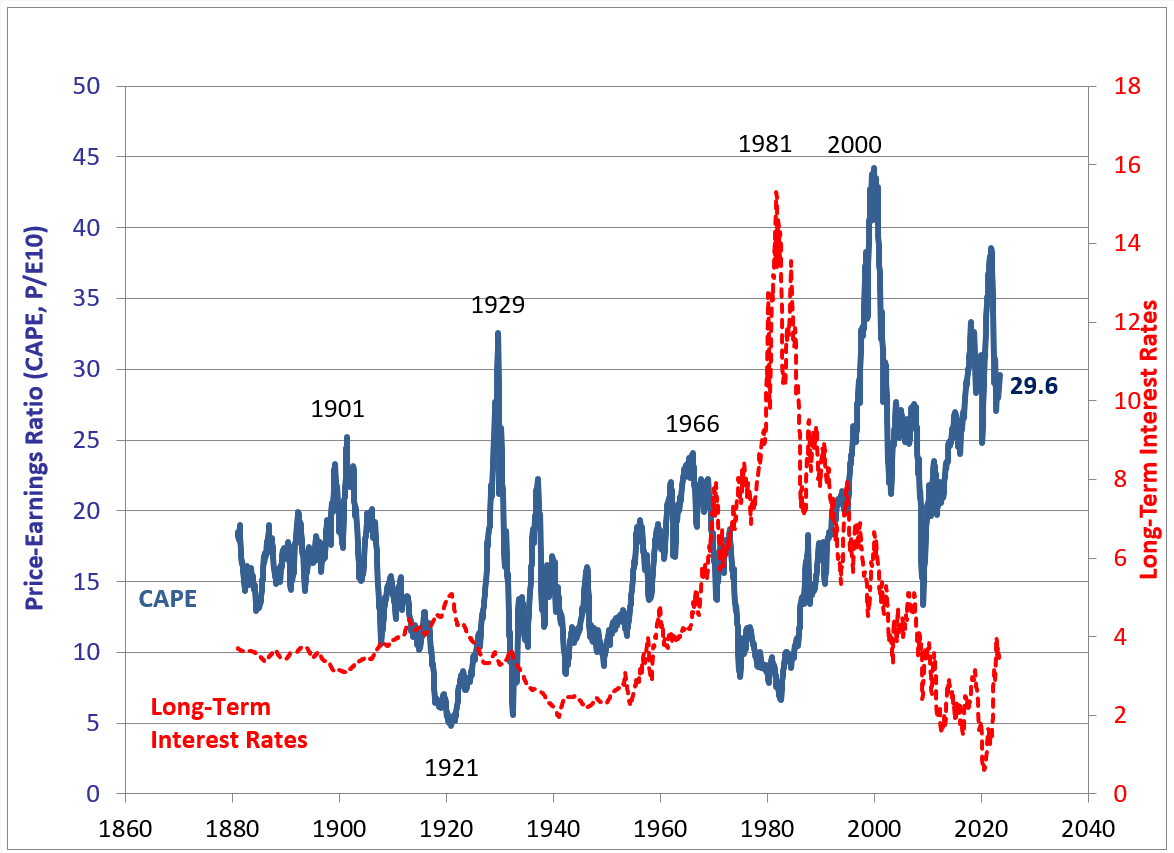
Financial markets operate in cycles, oscillating between periods of expansion (bull markets) and contraction (bear markets). These cycles are driven by a complex interplay of economic growth, interest rates, corporate earnings, investor sentiment, and geopolitical events. No market goes up indefinitely, just as no market stays down forever. Bull markets typically last longer and generate greater returns, but bear markets serve a crucial function: they cleanse excesses, correct overvaluations, and set the stage for future growth by allowing new opportunities to emerge at more attractive prices. Investors who understand and accept the cyclical nature of markets are better equipped to withstand downturns without making impulsive, detrimental decisions.
The Importance of a Long-Term Perspective
Perhaps the most critical lesson from market history is the power of a long-term perspective. While short-term fluctuations can be alarming, the historical trend of equity markets is undeniably upward. Investing for the long haul—typically defined as 10 years or more—allows investors to ride out the inevitable ups and downs, benefit from compounding returns, and ultimately participate in the economy’s long-term growth. Trying to time the market by selling during a downturn and attempting to buy back in at the bottom is notoriously difficult and often leads to missing significant recovery rallies. For most individual investors, staying invested and focusing on their long-term financial goals is the most proven strategy.
Strategies for Investors in a Challenging Environment
A “bad” market tests an investor’s resolve, but it also presents opportunities for those who remain disciplined and strategic. Instead of succumbing to panic, this is a time to revisit fundamental investment principles and adapt your approach to the current realities.
Emotional Resilience and Avoiding Panic
The most dangerous enemy during a market downturn is often not the market itself, but one’s own emotions. Fear and panic can lead to impulsive decisions, such as selling off investments at their lowest points, locking in losses, and derailing long-term financial plans. It’s crucial to cultivate emotional resilience by:
- Avoiding Constant Monitoring: While staying informed is good, obsessively checking portfolio values during volatile periods can amplify anxiety.
- Sticking to Your Plan: If you have a well-thought-out financial plan, trust it. It was likely designed to withstand periods of volatility.
- Focusing on What You Can Control: You can control your savings rate, asset allocation, and spending habits, but not the market’s daily movements.
- Remembering Historical Precedent: Remind yourself that markets recover. This isn’t the first downturn, and it won’t be the last.
Diversification and Asset Allocation
Diversification remains a cornerstone of prudent investing, especially during challenging times. Spreading investments across different asset classes (equities, bonds, real estate, commodities), sectors, geographies, and company sizes helps mitigate risk. If one part of your portfolio is struggling, another might be performing better or at least holding steady.
Asset allocation—determining the right mix of asset classes based on your risk tolerance, time horizon, and financial goals—is equally important. A market downturn is a good time to reassess if your current allocation still aligns with your objectives. For instance, if you’re nearing retirement, a more conservative allocation might be appropriate, while younger investors with longer horizons might have more capacity for equity risk.
Dollar-Cost Averaging: A Disciplined Approach
Dollar-cost averaging (DCA) is a highly effective strategy during volatile or down markets. It involves investing a fixed amount of money at regular intervals (e.g., monthly) regardless of the market’s performance. When prices are high, your fixed investment buys fewer shares; when prices are low, it buys more shares. Over time, this averages out your purchase price and reduces the risk of investing a large sum at an unfortunate market peak. In a falling market, DCA means you are systematically buying more shares at lower prices, positioning you for greater gains when the market eventually recovers.
Rebalancing Portfolios and Identifying Opportunities
A downturn is an excellent opportunity to rebalance your portfolio. Market movements can cause your asset allocation to drift. For example, if equities have performed poorly, their percentage weighting in your portfolio might have fallen below your target. Rebalancing involves selling off assets that have become overweighted and buying assets that are now underweighted, bringing your portfolio back to its target allocation. This often means “buying low” and “selling high,” a counter-intuitive but beneficial strategy.
Furthermore, “bad” markets often present opportunities:
- Attractive Valuations: Quality companies that were previously expensive may now be available at more reasonable prices.
- Sector Rotations: Some sectors might be more resilient or even thrive during a downturn (e.g., consumer staples, healthcare), offering defensive plays.
- Emerging Trends: Downturns can accelerate the adoption of new technologies or business models, creating long-term growth opportunities for astute investors.
Rethinking Risk Tolerance and Financial Goals
Finally, a volatile market is a crucial time for introspection. It forces investors to confront their true risk tolerance. Were you comfortable with the risks you took, or did the downturn expose a level of discomfort you hadn’t anticipated? This understanding is vital for making adjustments that ensure your investment strategy aligns with your psychological comfort level.
Revisit your financial goals. Has anything changed? Is your timeline still accurate? Are your savings targets realistic? A challenging market might necessitate adjustments to your goals, such as extending your retirement timeline slightly or increasing your savings rate, to compensate for lower-than-expected returns in the near term. This holistic review ensures your investment plan remains robust and relevant in the face of evolving market conditions.
The Path Forward: What to Expect and How to Prepare
The current market environment, characterized by inflation, rising interest rates, and geopolitical tensions, presents a complex outlook. While the immediate future remains uncertain, understanding potential scenarios and preparing accordingly can empower investors to navigate what’s ahead.
Potential Scenarios: Recovery, Prolonged Downturn
Predicting the exact timing and magnitude of market movements is impossible, but analysts generally consider a few broad scenarios:
- Soft Landing/Gradual Recovery: In this optimistic scenario, central banks successfully tame inflation without triggering a severe recession. Economic growth slows but avoids a deep contraction, and corporate earnings stabilize. The market gradually recovers as confidence returns and interest rate hikes peak. This would likely involve a choppy, but ultimately upward, trajectory.
- Hard Landing/Prolonged Downturn: This scenario envisions central bank actions leading to a significant recession as they over-tighten monetary policy. Corporate earnings decline sharply, unemployment rises, and consumer spending contracts. In this case, the market could experience a deeper and longer bear market before a sustained recovery begins, often after a clear signal that inflation is under control and central banks can ease policy.
- Stagflation: A less common but concerning scenario involves persistent high inflation coupled with stagnant economic growth and high unemployment. This makes policymaking extremely difficult, as actions to combat inflation could worsen the recession, and vice-versa. Markets would likely remain highly volatile and challenging for an extended period.
Currently, the market is largely pricing in a hard landing or at least a significant slowdown, but the path forward will depend heavily on how inflation evolves and how central banks react.
The Importance of Professional Guidance
For many investors, especially those feeling overwhelmed by the current market conditions, seeking professional financial advice can be invaluable. A qualified financial advisor can help:
- Assess Your Individual Situation: They can analyze your risk tolerance, financial goals, income, and expenses to craft a personalized investment strategy.
- Provide Objective Perspective: Advisors can help you avoid emotional decision-making by offering an objective, data-driven view of your portfolio and the market.
- Implement Complex Strategies: They can assist with portfolio rebalancing, tax-loss harvesting, and other sophisticated strategies that can be beneficial in a downturn.
- Develop a Comprehensive Financial Plan: Beyond investments, an advisor can help with retirement planning, estate planning, and debt management, ensuring all aspects of your financial life are aligned.
Even for experienced investors, a second opinion or a sounding board from a professional can provide reassurance and validation during uncertain times.
Focusing on Personal Financial Health
Beyond investment portfolios, a “bad” market is a stark reminder to bolster personal financial health. This includes:
- Building an Emergency Fund: Having 6-12 months of living expenses saved in an easily accessible account is crucial to avoid being forced to sell investments at a loss if unexpected expenses arise or job security becomes an issue.
- Managing Debt: High-interest debt can become a significant burden during economic downturns. Prioritizing debt reduction, especially on credit cards or personal loans, can free up cash flow and reduce financial stress.
- Reviewing Budget and Spending: This is an opportune time to review your budget, identify non-essential expenses, and potentially cut back. Being financially nimble allows you to adapt to changing economic realities without undue strain.
- Investing in Yourself: Enhancing your skills, pursuing education, or networking can strengthen your career prospects, which is a vital form of financial security, especially if job markets become tighter.
In conclusion, while the stock market right now is undeniably navigating a challenging period, labeling it simply “bad” overlooks the nuances and the cyclical nature of investing. For informed, disciplined investors, these periods, while uncomfortable, also sow the seeds for future growth. By understanding the causes, learning from history, adopting strategic approaches, and fortifying personal financial health, investors can not only withstand the current turbulence but also position themselves for long-term success. The current “bad” market is not a signal to abandon ship, but a call to reaffirm principles, exercise patience, and prepare for the inevitable recovery.
aViewFromTheCave is a participant in the Amazon Services LLC Associates Program, an affiliate advertising program designed to provide a means for sites to earn advertising fees by advertising and linking to Amazon.com. Amazon, the Amazon logo, AmazonSupply, and the AmazonSupply logo are trademarks of Amazon.com, Inc. or its affiliates. As an Amazon Associate we earn affiliate commissions from qualifying purchases.