
The Dow Jones Industrial Average (DJIA), often simply called “the Dow,” is one of the most recognized and frequently cited stock market indices in the world. For over a century, it has served as a critical barometer for the health of the U.S. stock market and the broader economy. More than just a number, the Dow represents a snapshot of the sentiment and performance of thirty of America’s largest and most influential publicly traded companies. Understanding what the Dow Jones is, how it functions, and what drives its daily fluctuations is fundamental for anyone interested in finance, investing, or economic trends. Today, as global markets react to a constant stream of information, the Dow’s movements offer valuable insights into the forces shaping our financial landscape.

Understanding the Dow Jones Industrial Average (DJIA)
At its core, the Dow Jones Industrial Average is a price-weighted average of 30 significant stocks traded on the New York Stock Exchange (NYSE) and the Nasdaq. It was conceived by Charles Dow, co-founder of Dow Jones & Company, and first published in May 1896, making it the second-oldest U.S. market index after the Dow Jones Transportation Average. Its longevity and historical significance have cemented its place as a cornerstone of financial reporting.
A Legacy of Market Representation
When Charles Dow first introduced the index, it comprised just 12 industrial companies, primarily representing heavy industries like railroads, sugar, tobacco, and oil. Over the decades, as the American economy evolved, so too did the composition of the Dow. It expanded to 30 components in 1928, a number it maintains today. The term “industrial” in its name is largely a historical anachronism; while it once accurately described the nature of its constituents, the index now includes companies from a wide array of sectors, including technology, finance, healthcare, and consumer goods. This evolution reflects the dynamic nature of economic leadership and market capitalization, ensuring the index remains relevant in representing the dominant forces of the U.S. economy.
The 30 Pillars of American Industry
The selection of the 30 companies that constitute the DJIA is not based purely on quantitative metrics like market capitalization. Instead, a committee from S&P Dow Jones Indices makes qualitative judgments, aiming to include companies that have excellent reputations, demonstrate sustained growth, are of interest to a large number of investors, and broadly represent the major sectors of the U.S. economy. These companies are typically large-cap, blue-chip stocks, well-established with long histories of performance. Examples frequently include household names like Apple, Microsoft, Boeing, JPMorgan Chase, Procter & Gamble, and Coca-Cola. Changes to the Dow’s components are infrequent but significant, usually occurring only when a company’s business has changed substantially, or its relevance to the broader economy has diminished or increased dramatically.
How the DJIA is Calculated
Unlike market-capitalization-weighted indices such as the S&P 500, the Dow is a price-weighted index. This means that stocks with higher share prices have a greater impact on the index’s value than stocks with lower share prices, regardless of the company’s total market value. To maintain the historical continuity and accuracy of the index when component companies undergo stock splits, mergers, or replacements, a “Dow Divisor” is used. This divisor is a dynamically adjusted number that ensures that the index’s value remains comparable before and after such structural changes, preventing artificial jumps or drops. The Dow’s reported value is simply the sum of the prices of its 30 component stocks divided by this divisor. Understanding this calculation method is crucial, as it highlights a key difference between the Dow and other major indices and sometimes leads to criticisms regarding its representativeness.
The Dow’s Significance as a Market Barometer
Despite its methodological quirks and occasional criticisms, the Dow Jones Industrial Average remains immensely influential. Its daily movements are meticulously tracked by investors, analysts, and the general public, serving as an important indicator of market sentiment and economic health.
Reflecting Economic Health
When the Dow rises significantly, it often signals investor optimism about the future of corporate profits and economic growth. Conversely, a substantial drop in the Dow can indicate growing concerns about economic headwinds, inflation, or geopolitical instability. Because its components are major multinational corporations, their collective performance offers a window into both domestic and global economic conditions. Strong earnings from these companies, robust consumer spending, or positive employment figures tend to lift the Dow, reflecting a robust economy. Conversely, weak economic data, rising interest rates, or supply chain disruptions can exert downward pressure.
Investor Sentiment and Market Psychology
Beyond the raw numbers, the Dow serves as a powerful psychological indicator. News headlines often lead with “the Dow was up/down today,” influencing public perception and shaping investor behavior. A sustained bull market (rising Dow) can foster confidence, encouraging further investment, while a prolonged bear market (falling Dow) can trigger fear and withdrawals. This psychological aspect means that the Dow isn’t just a reflection of the market; it can also be a catalyst for further movements, creating self-reinforcing trends based on collective sentiment. While experienced investors look beyond headline numbers, the Dow’s omnipresence in financial media means its influence on broader market psychology cannot be overstated.
What Drives the Dow’s Daily Movements?
The intricate dance of supply and demand for the 30 component stocks, influenced by a myriad of factors, determines the Dow’s daily fluctuations. These influences can be broadly categorized into macroeconomic, corporate, and geopolitical events.
Macroeconomic Indicators and Federal Reserve Actions
Major economic reports regularly move the Dow. Key indicators like Gross Domestic Product (GDP) growth, inflation rates (Consumer Price Index, Producer Price Index), unemployment figures, retail sales, and manufacturing data provide insights into the overall health and direction of the economy. Positive surprises often lead to rallies, while disappointing figures can trigger sell-offs.
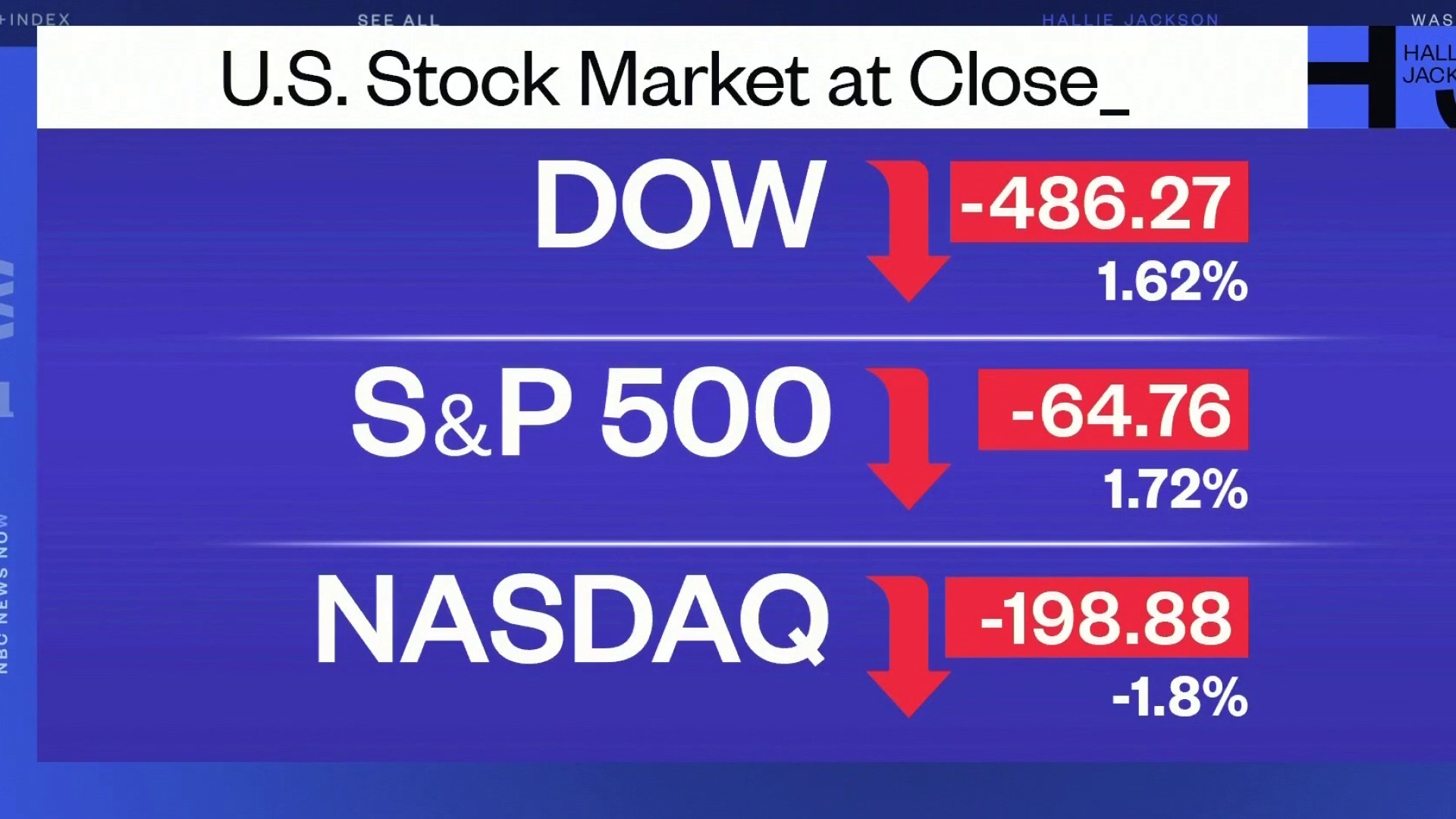
Crucially, the policies and announcements of the U.S. Federal Reserve play a monumental role. Decisions regarding interest rates, quantitative easing (or tightening), and forward guidance on monetary policy directly impact borrowing costs for businesses and consumers, influencing corporate profitability, investment decisions, and overall market liquidity. A hawkish stance (e.g., raising rates to combat inflation) can be seen as a headwind for stocks, while a dovish stance (e.g., cutting rates to stimulate growth) often provides a tailwind.
Corporate Earnings and Sector Performance
Since the Dow is composed of 30 specific companies, their individual and collective performance is a primary driver. Quarterly earnings reports are critical events. When a significant number of Dow components report stronger-than-expected earnings or provide optimistic future guidance, the index tends to rise. Conversely, missed earnings expectations or gloomy outlooks can drag it down. Sector-specific trends also matter; if the technology sector, which includes several Dow components like Apple and Microsoft, experiences a boom or bust, it will inevitably impact the overall index. Industry-specific news, mergers and acquisitions, and regulatory changes affecting key sectors represented in the Dow can also cause significant shifts.
Geopolitical Events and Global Market Influences
In an increasingly interconnected world, geopolitical events far beyond U.S. borders can send ripples through the Dow. International trade disputes, political instability in major economic regions, wars, or even natural disasters can disrupt global supply chains, impact commodity prices, or trigger uncertainty, leading investors to re-evaluate risk and potentially sell off equities. For example, tensions between major trading partners or changes in oil prices due to events in the Middle East can directly affect the profitability of multinational Dow companies and, by extension, the index itself. Furthermore, the performance of other major global stock markets (e.g., European, Asian indices) can often influence U.S. markets, as investor sentiment and capital flows are globally intertwined.
Interpreting the Dow Jones “Today”
Monitoring the Dow Jones “today” involves more than just glancing at the top-line number. A deeper understanding of its context, volatility, and relationship to other indices is essential for making informed interpretations.
Beyond the Headline Number: Volatility and Trends
On any given day, the Dow might experience significant swings. These daily movements, while attention-grabbing, are often just short-term noise. Savvy investors look beyond immediate volatility to identify broader trends over days, weeks, or months. Is the Dow consistently making higher highs and higher lows (an uptrend), or is it struggling to regain ground (a downtrend)? Analyzing moving averages, trading volumes, and technical indicators can help discern underlying momentum and potential reversals. A sudden drop of a few hundred points might seem alarming, but if it occurs within a strong long-term uptrend, it could be seen as a temporary pullback or a buying opportunity rather than a sign of impending doom. Conversely, small gains within a declining market might not indicate a genuine recovery.
The Dow in Context: Comparing with Other Indices
While the Dow is prominent, it’s crucial to remember that it represents only 30 companies. To get a more comprehensive view of the market “today,” it’s essential to compare its performance with other major indices.
- S&P 500: The S&P 500 is a market-capitalization-weighted index of 500 large U.S. companies. It is widely considered a more accurate and broader representation of the overall U.S. stock market due to its larger number of constituents and its weighting methodology. If the Dow is up but the S&P 500 is flat or down, it suggests that the gains might be concentrated in just a few large companies rather than reflecting widespread market strength.
- Nasdaq Composite: The Nasdaq Composite includes over 3,000 stocks, with a heavy concentration in technology and growth companies. Its performance provides insight into the tech sector specifically. Divergences between the Dow and Nasdaq can indicate shifts in investor preference between value stocks (often more prevalent in the Dow) and growth stocks (dominant in the Nasdaq).
Observing how these indices move in relation to each other provides a more nuanced understanding of where market strength or weakness truly lies on a given day. A broadly advancing market would typically see all major indices moving upward in tandem.
Implications for Investors
For individual investors, the Dow Jones Industrial Average is a powerful tool for staying informed, but it should be viewed as one piece of a larger financial puzzle.
Diversification and Long-Term Perspective
No single index, including the Dow, should dictate an investor’s entire strategy. Relying solely on the Dow’s daily performance to make investment decisions can lead to short-sighted and potentially detrimental choices. A core tenet of sound investing is diversification – spreading investments across various asset classes, industries, and geographies to mitigate risk.
Furthermore, successful investing is typically a long-term endeavor. While daily Dow movements are news-worthy, they are often irrelevant to an investor with a multi-year horizon. Focus on your long-term financial goals, maintain a diversified portfolio aligned with your risk tolerance, and resist the urge to react impulsively to every market fluctuation. Over decades, the stock market, as generally reflected by indices like the Dow, has shown a historical tendency to trend upwards despite numerous short-term corrections and bear markets.

Using the Dow as an Informational Tool
Rather than a trading signal, the Dow is best used as an informational tool. By understanding what it is, what companies it comprises, and what factors influence it, investors can gain a better grasp of the broader economic narrative.
- Gauge Sentiment: It helps in understanding prevailing market sentiment and general economic health.
- Identify Trends: It aids in recognizing significant, sustained market trends rather than just daily noise.
- Contextualize News: It provides context for financial news, helping investors understand how major events might be impacting the large, established companies that are pillars of the economy.
By monitoring the Dow in conjunction with other indices, economic data, and personal financial goals, investors can make more informed decisions and navigate the complexities of the stock market with greater confidence. The Dow Jones Industrial Average today continues its legacy as a vital pulse point for the world’s largest economy.
aViewFromTheCave is a participant in the Amazon Services LLC Associates Program, an affiliate advertising program designed to provide a means for sites to earn advertising fees by advertising and linking to Amazon.com. Amazon, the Amazon logo, AmazonSupply, and the AmazonSupply logo are trademarks of Amazon.com, Inc. or its affiliates. As an Amazon Associate we earn affiliate commissions from qualifying purchases.