
In the dynamic world of financial markets, opportunities and challenges aren’t confined to the traditional 9:30 AM to 4:00 PM EST window. Long before the opening bell, and often after the closing gong, a different kind of trading unfolds: extended-hours trading. Among these, pre-market trading stands out as a crucial period where early birds, institutional players, and informed retail investors alike attempt to gain an edge, react to overnight news, and shape the narrative for the trading day ahead. But what exactly is pre-market trading, and why has it become an increasingly significant component of modern investing?

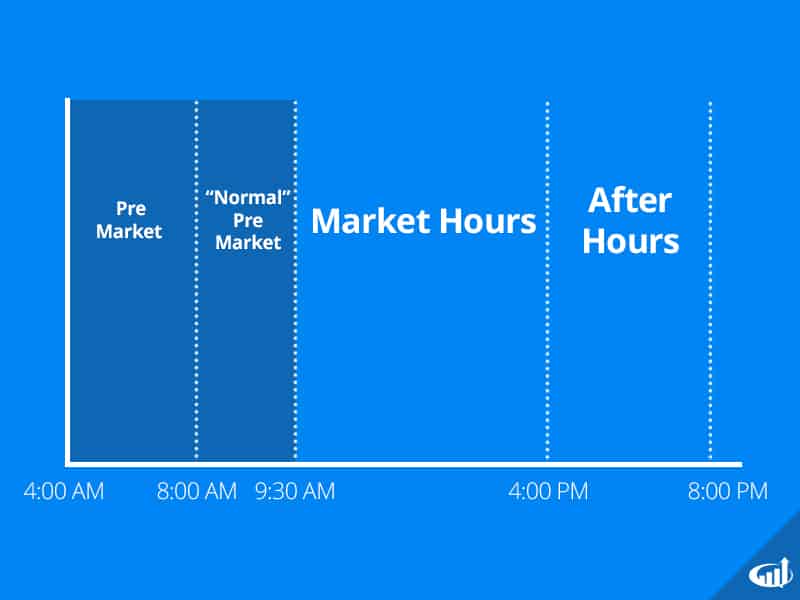
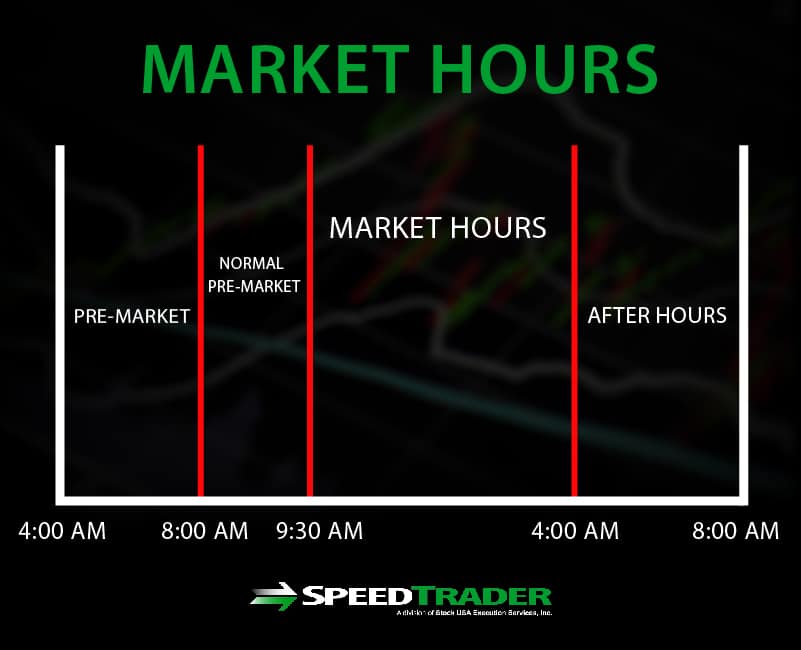
At its core, pre-market trading refers to the trading of securities, primarily stocks, on major exchanges before their official opening hours. While the New York Stock Exchange (NYSE) and NASDAQ typically operate from 9:30 AM to 4:00 PM Eastern Time, pre-market sessions can begin as early as 4:00 AM EST and run until market open. This window, though seemingly a minor addition to the trading day, offers a unique environment characterized by distinct liquidity profiles, price discovery mechanisms, and inherent risks and rewards. For both seasoned traders and burgeoning investors, understanding the nuances of pre-market activity is not just about gaining an advantage; it’s about comprehending the full spectrum of market forces that influence asset valuations and investment outcomes. It’s a realm where breaking news, earnings reports, and economic data are immediately digested, often resulting in significant price movements that set the tone for the regular trading session. Navigating this early terrain requires a specific mindset, robust tools, and a keen awareness of its unique characteristics, making it a critical area of study for anyone serious about mastering financial markets.
Understanding the Fundamentals of Pre-Market Trading
To truly grasp the significance of pre-market trading, one must first delve into its operational framework, defining what it is, how it functions, and who participates in this early-hour activity. This foundational understanding is crucial for any investor considering extending their trading horizon beyond the conventional hours.
Defining Pre-Market Trading
Pre-market trading is the period during which investors can buy and sell securities before the official opening of the regular trading session. For major U.S. exchanges like the NYSE and NASDAQ, this typically commences at 4:00 AM EST and concludes at 9:30 AM EST. Unlike the regular trading session, which is characterized by a high volume of participants and robust liquidity, the pre-market session is generally less active, with fewer participants and often lower trading volumes. This reduced liquidity is a defining characteristic, impacting everything from price stability to the ease of order execution. The primary rationale for pre-market trading stems from the need for markets to react to news that breaks outside of standard hours, such as overnight geopolitical developments, corporate earnings announcements released after the previous day’s close, or early morning economic data reports. Without pre-market trading, such significant information would sit undigested until the market open, potentially leading to chaotic price gaps.
Operational Mechanics: When and How
The execution of pre-market trades is facilitated by electronic communication networks (ECNs) rather than through traditional exchange trading floors. ECNs are automated systems that match buy and sell orders electronically, allowing trades to occur outside of conventional market hours. Access to pre-market trading is typically provided by brokerage firms that offer extended-hours trading capabilities. Investors usually need to explicitly opt-in for extended-hours trading with their broker, and they often face specific restrictions, such as being limited to using limit orders. Limit orders specify the maximum price an investor is willing to pay for a security (buy limit order) or the minimum price they are willing to accept (sell limit order). This restriction is crucial because in a low-liquidity environment, market orders – which execute at the best available price – could lead to unexpected and potentially unfavorable prices due to wide bid-ask spreads and sudden price swings. The trading activity often picks up closer to the regular market open, typically in the hour leading up to 9:30 AM EST, as more participants log on and anticipate the day’s events.
Key Participants and Platforms
While retail investors with extended-hours brokerage accounts can participate, the pre-market session is often dominated by institutional investors, hedge funds, and professional traders. These sophisticated players often have dedicated research teams monitoring global news around the clock and possess the technological infrastructure to react instantly. Their larger order sizes and analytical capabilities can significantly influence early price movements.
The platforms for pre-market trading are essentially the same online brokerage platforms used for regular trading, provided they offer extended-hours access. Major brokers such as Charles Schwab, Fidelity, TD Ameritrade (now part of Schwab), E*TRADE, and Interactive Brokers commonly offer this service. These platforms typically display pre-market quotes, volumes, and charts, allowing traders to monitor activity and place orders. However, it’s vital for investors to ensure their chosen platform clearly distinguishes between regular-hours and extended-hours data, as the latter can be less representative of a stock’s true value due to the lower liquidity.
The Strategic Advantages of Early Market Access
For active traders and savvy investors, pre-market trading is not merely an option but a strategic tool that offers several distinct advantages. These benefits primarily revolve around reacting to information, early price discovery, and maintaining flexibility in one’s investment portfolio.
Capitalizing on Breaking News and Earnings Reports
One of the most compelling reasons to engage in pre-market trading is the ability to react immediately to significant news events that occur outside regular market hours. Companies frequently release their quarterly earnings reports after the market closes or before it opens. Similarly, crucial economic data (e.g., unemployment figures, inflation reports) or geopolitical developments can break at any time. Pre-market trading allows investors to digest this information and execute trades before the broader market has a chance to fully process it. This early reaction can translate into substantial opportunities for profit if one accurately anticipates the market’s collective response. For instance, a stock might gap up significantly after reporting stellar earnings, and an investor who buys pre-market could secure a better entry price than those waiting for the market open. Conversely, adverse news could lead to early exits, mitigating potential losses.
Early Price Discovery and Trend Identification
Pre-market activity often serves as a crucial indicator of a stock’s potential movement during the regular trading session. The initial trades and price changes can reveal the market’s early sentiment and help in identifying potential trends. If a stock shows strong upward momentum on substantial pre-market volume following positive news, it might signal continued strength after the market opens. Conversely, a sharp decline could indicate underlying weakness. This early price discovery mechanism allows traders to gauge market interest, identify potential support and resistance levels, and adjust their strategies accordingly. By monitoring pre-market trends, investors can fine-market their entry and exit points, potentially improving their overall trading performance for the day. It’s an early peek into the market’s collective psychology, providing valuable insights before the full trading frenzy begins.
Enhanced Flexibility for Position Adjustments
For investors holding positions, pre-market trading offers an invaluable degree of flexibility. If an overnight event or early morning news significantly impacts a stock they own, they have the option to adjust their position immediately. This could mean selling a portion or all of their shares to mitigate risk if the news is negative, or adding to their position if the news is overwhelmingly positive and signals further upside. This agility is particularly beneficial in volatile markets where rapid price movements are common. Without pre-market access, investors would be forced to wait until 9:30 AM, potentially missing out on optimal entry or exit points and facing larger losses or foregone gains. The ability to make timely adjustments can be a critical component of effective risk management and portfolio optimization.
Navigating the Risks and Challenges
While pre-market trading offers distinct advantages, it is by no means a risk-free endeavor. The unique characteristics of extended hours also introduce a set of challenges and perils that investors must understand and meticulously manage to avoid significant losses.
The Peril of Lower Liquidity and Wider Spreads
One of the most significant risks in pre-market trading is the substantially lower liquidity compared to regular market hours. With fewer participants placing orders, the volume of shares being traded is typically much lower. This low liquidity translates into wider bid-ask spreads, meaning there’s a greater difference between the highest price a buyer is willing to pay (bid) and the lowest price a seller is willing to accept (ask). For investors, this can result in less favorable execution prices. A buy order might be filled at a much higher price than anticipated, or a sell order at a much lower one, effectively eroding potential profits or exacerbating losses. Furthermore, placing large orders in a low-liquidity environment can significantly move the market against the trader, making it difficult to execute without substantial price impact.
Increased Volatility and Price Swings
The reduced liquidity and concentrated trading around specific news events often lead to increased price volatility during pre-market hours. A single large order, or even a smaller one in thinly traded stocks, can cause dramatic price swings that would be absorbed by higher volume during regular hours. These sudden and often unpredictable movements make it challenging to trade, as prices can change rapidly and without much warning. What appears to be a clear trend can quickly reverse, catching unprepared traders off guard. This heightened volatility, while potentially offering opportunities for quick gains, also amplifies the risk of rapid and significant losses, particularly for those using aggressive trading strategies.
Information Asymmetry and Institutional Dominance
Another challenge lies in the potential for information asymmetry. While retail investors have access to news feeds, institutional players often have sophisticated analytical tools, faster data feeds, and direct lines to company management or market makers. This allows them to process and react to information more quickly and efficiently. Given their larger capital pools, they can also exert greater influence on pre-market prices. Retail investors, therefore, might find themselves at a disadvantage, reacting to price movements rather than initiating them, and potentially becoming “price takers” rather than “price makers.” The dominance of large institutional orders can obscure true market sentiment and make it difficult for individual traders to get a clear read on a stock’s direction.
Potential for Price Reversals at Market Open
Perhaps one of the most frustrating risks is the potential for pre-market price movements to reverse dramatically once the regular trading session begins. A stock that surged 10% in pre-market hours on positive news might give back a significant portion of those gains, or even turn negative, once the full weight of regular-hour liquidity and participation enters the market. This phenomenon, often dubbed the “fade,” occurs because the initial pre-market reaction may have been exaggerated due to low liquidity or based on incomplete information. Once a broader base of investors, including those with different interpretations or longer-term perspectives, begins trading, the initial pre-market sentiment can be challenged and corrected. Traders who bought heavily pre-market might find themselves underwater quickly after the opening bell, highlighting the speculative nature of early-hour movements.
Practical Strategies for Engaging in Pre-Market Trading
Successfully navigating the pre-market landscape requires more than just understanding its mechanics; it demands a disciplined approach coupled with robust strategies tailored to its unique environment. Investors must be exceptionally prepared and cautious.
Research-Driven Decision Making
The bedrock of successful pre-market trading is thorough, up-to-the-minute research. Given that pre-market activity is largely driven by news, earnings reports, and economic data, traders must diligently monitor these catalysts. This involves subscribing to reliable news services, setting up real-time alerts for specific stocks, and understanding how different types of news typically impact various sectors or individual companies. It’s not enough to simply read a headline; traders must delve into the details, analyze the implications, and assess the market’s potential reaction. For instance, an earnings beat might seem positive, but if the company’s forward guidance is weak, the stock could still fall. Without comprehensive research, pre-market trading becomes pure speculation, significantly increasing risk.
Risk Management Protocols
Effective risk management is paramount in the volatile pre-market environment. Given the potential for rapid price swings and wider spreads, traders should always define their maximum tolerable loss per trade and stick to it rigidly. Using stop-loss orders, though sometimes tricky in low liquidity, can be crucial, but understanding their limitations is also important; slippage can occur. Position sizing is another critical aspect: due to increased volatility and lower liquidity, it is often advisable to trade smaller position sizes than one might during regular hours. Diversification, while harder to achieve in a single pre-market trade, can be considered across an overall strategy. Moreover, traders should only commit capital they can afford to lose, as the speculative nature of pre-market trading carries a higher inherent risk of capital impairment.
Focusing on High-Impact News Events
Not all news is created equal, particularly in the pre-market. Traders should concentrate their efforts on stocks that are directly impacted by significant, market-moving catalysts. This typically includes companies releasing quarterly earnings, those involved in major mergers and acquisitions, or those subject to breaking regulatory announcements or substantial analyst upgrades/downgrades. These events tend to generate higher pre-market volume and clearer directional bias, offering more predictable (though still risky) trading opportunities. Avoiding thinly traded stocks or those with minor news in the pre-market is generally wise, as liquidity will be minimal, and price movements erratic. Focusing on widely followed companies that report material news will help ensure some level of liquidity and institutional interest.
Utilizing Limit Orders Effectively
As previously discussed, using limit orders is often a mandatory and always a recommended practice during pre-market hours. Given the wider bid-ask spreads and potential for price volatility, market orders can lead to highly unfavorable execution prices. Limit orders allow traders to specify the exact price at which they are willing to buy or sell, providing crucial control over execution. While a limit order might not always be filled, especially in a fast-moving market, it protects the trader from unexpected price gaps or slippage. Traders should carefully consider their limit price, often placing it within the existing bid-ask spread or slightly outside it, depending on their conviction and the perceived liquidity of the stock at that moment. Patience and careful observation of the order book are key when using limit orders in pre-market sessions.
The Broader Impact and Future Outlook
Pre-market trading, far from being a niche activity, plays an increasingly influential role in the broader financial ecosystem. Its impact extends beyond the early hours, often setting the tone for the entire trading day and prompting ongoing discussions about market structure and regulation.
Influence on Regular Market Hours
The activity witnessed during pre-market hours frequently dictates the opening prices and initial momentum for the regular trading session. Significant price gaps at the open, for instance, are often a direct result of substantial pre-market trading reacting to overnight news. This means that even investors who strictly trade during regular hours need to be aware of pre-market developments, as these can heavily influence their entry and exit points after 9:30 AM. Pre-market trends can set expectations, establish key support and resistance levels, and even shape the psychological landscape for the rest of the day. A strong pre-market rally might attract further buying, while a deep pre-market decline could trigger panic selling once the market opens, demonstrating the powerful ripple effect of early trading.
Regulatory Considerations
Extended-hours trading has always been under the watchful eye of regulators. Concerns primarily revolve around investor protection, given the reduced liquidity, increased volatility, and potential for information asymmetry. Regulatory bodies like the Securities and Exchange Commission (SEC) in the U.S. have issued investor alerts, emphasizing the risks associated with extended-hours trading. Brokerage firms offering pre-market access are required to disclose these risks clearly to their clients. Discussions continue regarding potential adjustments to rules concerning order types, transparency of price data, and the role of ECNs to ensure a fair and orderly market, even outside of conventional hours. The goal is to balance the need for market efficiency and immediate reaction to news with the imperative to protect less sophisticated investors from the unique pitfalls of these sessions.
The Evolving Landscape of Extended-Hours Trading
The trend towards longer trading hours and 24/7 market access appears to be gaining momentum globally. Driven by technological advancements, global interconnectedness, and the demands of institutional investors for continuous risk management, the concept of a rigid 9:30 AM to 4:00 PM trading window is increasingly being challenged. The rise of cryptocurrency markets, which operate non-stop, further highlights the potential for always-on trading. As financial technology evolves, and as more investors seek to react to global events in real-time, it is plausible that pre-market and after-hours sessions will become even more integrated into the standard trading day, potentially seeing increased liquidity and reduced spreads over time. This evolution will likely require continued adaptation from both market participants and regulators, shaping the future of how financial assets are traded and valued.
In conclusion, pre-market trading is a complex but integral part of the modern financial landscape. It offers distinct advantages for informed and disciplined investors seeking to react quickly to news and engage in early price discovery. However, these opportunities come hand-in-hand with heightened risks, including lower liquidity, increased volatility, and challenges stemming from information asymmetry. By understanding its operational mechanics, weighing its benefits against its considerable risks, and employing prudent strategies, investors can navigate this early market window more effectively, potentially enhancing their overall investment outcomes in the ever-evolving world of finance.
aViewFromTheCave is a participant in the Amazon Services LLC Associates Program, an affiliate advertising program designed to provide a means for sites to earn advertising fees by advertising and linking to Amazon.com. Amazon, the Amazon logo, AmazonSupply, and the AmazonSupply logo are trademarks of Amazon.com, Inc. or its affiliates. As an Amazon Associate we earn affiliate commissions from qualifying purchases.