
The stock market is a dynamic entity, a vast, interconnected network where billions of dollars change hands daily, reflecting the collective optimism and apprehension of investors worldwide. For many, the first instinct when economic news breaks or headlines scream about market dips is to ask: “How much is the stock market down today?” This seemingly simple question, however, opens a complex window into macroeconomic forces, investor psychology, and personal financial strategies. Understanding the daily movements of the market, especially downturns, requires looking beyond the immediate figures to grasp the underlying causes, potential impacts, and effective strategies for navigation.
A single day’s performance, whether up or down, is merely a snapshot in the much larger, continuous narrative of global finance. While it’s natural to feel a pang of concern when the numbers are red, a truly insightful perspective demands a deeper dive into the mechanisms that drive these fluctuations and the long-term implications for one’s financial journey. This article will explore how we measure market downturns, what factors contribute to them, how they impact different types of investors, and crucially, what prudent steps individuals can take to safeguard and even grow their wealth during periods of volatility. In the realm of personal finance and investing, emotional reactions are often the most costly; knowledge and a well-defined strategy are the most valuable assets.
Understanding Today’s Market Snapshot: Beyond the Headlines
When the question “how much is the stock market down today?” is posed, it’s often an attempt to gauge the health of one’s investments or the broader economy. However, the answer is rarely a single, definitive number. The stock market is not a monolith; it’s a composite of various indices, sectors, and individual equities, each with its own story.
The Immediate Data: Key Indices and Their Movements
The “stock market” is typically represented by several major indices, which act as barometers for different segments of the economy. The most commonly referenced include:
- The Dow Jones Industrial Average (DJIA): Comprising 30 large, publicly owned companies traded on the NASDAQ and the New York Stock Exchange, it’s often seen as a proxy for the overall health of the U.S. economy. Its movement in points is frequently cited in news reports.
- The S&P 500 Index: This index tracks the stock performance of 500 of the largest companies listed on stock exchanges in the United States. It is widely considered the best gauge of large-cap U.S. equities and a strong indicator of the market’s overall direction.
- The Nasdaq Composite: Heavily weighted towards technology and growth companies, the Nasdaq is a crucial indicator for the tech sector and emerging innovative businesses. Its performance often reflects investor sentiment towards future growth prospects.
When these indices show declines, they typically do so in both points and percentages. A headline stating the Dow is “down 500 points” might sound alarming, but its significance needs to be contextualized by the index’s total value.
Contextualizing Daily Fluctuations: Percentages vs. Points
While points make for dramatic headlines, the percentage change is a more accurate and standardized measure of market movement. A 500-point drop when the Dow is at 35,000 points (roughly a 1.4% decline) is less significant than a 500-point drop when it was at 10,000 points (a 5% decline). Percentages allow for a fair comparison of market movements across different periods and varying index levels.
Understanding these nuances is critical. A market that is “down today” might be experiencing a minor correction within a broader uptrend, or it could be signalling the early stages of a more substantial downturn. Real-time financial news websites, dedicated investment platforms, and reputable financial news channels provide the most up-to-date figures, usually displayed prominently with green for gains and red for losses.
Decoding the Drivers Behind Market Downturns
Stock market downturns are rarely arbitrary; they are the cumulative result of various forces, often interacting in complex ways. Identifying these drivers is essential for informed decision-making and for maintaining a rational perspective during volatile times.
Macroeconomic Factors: Inflation, Interest Rates, and Economic Growth
Perhaps the most influential factors are macroeconomic indicators.
- Inflation: When the cost of goods and services rises rapidly, it erodes purchasing power and can squeeze corporate profit margins. Central banks often respond by raising interest rates to curb inflation.
- Interest Rates: Higher interest rates make borrowing more expensive for businesses, potentially hindering expansion and investment. They also make fixed-income investments (like bonds) more attractive relative to stocks, causing some capital to shift away from equities.
- Economic Growth: Slowdowns or recessions, characterized by declining GDP, rising unemployment, and reduced consumer spending, directly impact corporate earnings and future growth prospects, making investors more risk-averse.
Geopolitical Events and Global Shocks
Global events can send immediate ripples through financial markets. Wars, trade disputes, political instability in key regions, or even unforeseen crises like pandemics can disrupt supply chains, alter consumer behavior, and create uncertainty. Investors inherently dislike uncertainty, often reacting by pulling capital out of riskier assets like stocks. These events can be unpredictable and swift, leading to sharp, sudden market drops.
Corporate Earnings and Sector-Specific Headwinds
At the micro-level, the performance of individual companies and sectors plays a significant role.
- Disappointing Earnings Reports: If a large number of companies report lower-than-expected profits or issue pessimistic future guidance, it suggests a broader economic weakness or specific challenges within certain industries, dragging down indices.
- Sector-Specific Issues: A downturn in one major sector (e.g., technology, energy, finance) can have a disproportionate impact on the broader market, especially if that sector holds significant weight in major indices. Regulatory changes, technological disruptions, or shifts in consumer preference can create headwinds for specific industries.
Investor Sentiment and Behavioral Finance
Beyond the tangible data, investor sentiment — the collective mood of market participants — is a powerful force. Fear and greed are potent emotions that can amplify market movements. Panic selling can exacerbate a downturn, even if underlying economic fundamentals remain relatively strong. Conversely, irrational exuberance can inflate asset bubbles. News cycles, social media, and expert opinions can all influence this collective psychology, sometimes leading to self-fulfilling prophecies in market movements.
The Impact on Your Portfolio: Short-term Jitters vs. Long-term Strategy
A market downturn can evoke a range of emotions, from mild concern to outright panic. However, the actual impact on an investor’s portfolio largely depends on their investment horizon, risk tolerance, and individual financial goals.
For Long-Term Investors: Opportunities Amidst Declines
For those with a long-term perspective (e.g., saving for retirement 10, 20, or 30+ years away), market downturns are often viewed not as threats, but as opportunities.
- Buying at a Discount: When the market falls, quality assets become available at lower prices. This allows long-term investors to accumulate more shares for the same amount of money, increasing their potential returns when the market eventually recovers.
- Rebalancing: Downturns can be an opportune time to rebalance a portfolio, selling off assets that may have become overweighted and buying into those that have become undervalued, realigning with one’s target asset allocation.
Historically, markets have always recovered from downturns, eventually reaching new highs. Patient, long-term investors who resist the urge to sell during declines typically fare better.
For Short-Term Traders: Heightened Risk and Volatility
Short-term traders, who aim to profit from rapid price movements, face a different landscape during downturns. Increased volatility presents both magnified opportunities and significantly heightened risks.
- Risk of Rapid Losses: For those holding positions, a sudden market drop can lead to substantial and swift losses, especially if leverage is involved.
- Difficulty in Timing: Predicting market bottoms or short-term reversals is notoriously difficult, making trading during downturns a high-stakes endeavor best left to experienced professionals.
Psychological Toll: Managing Fear and Panic
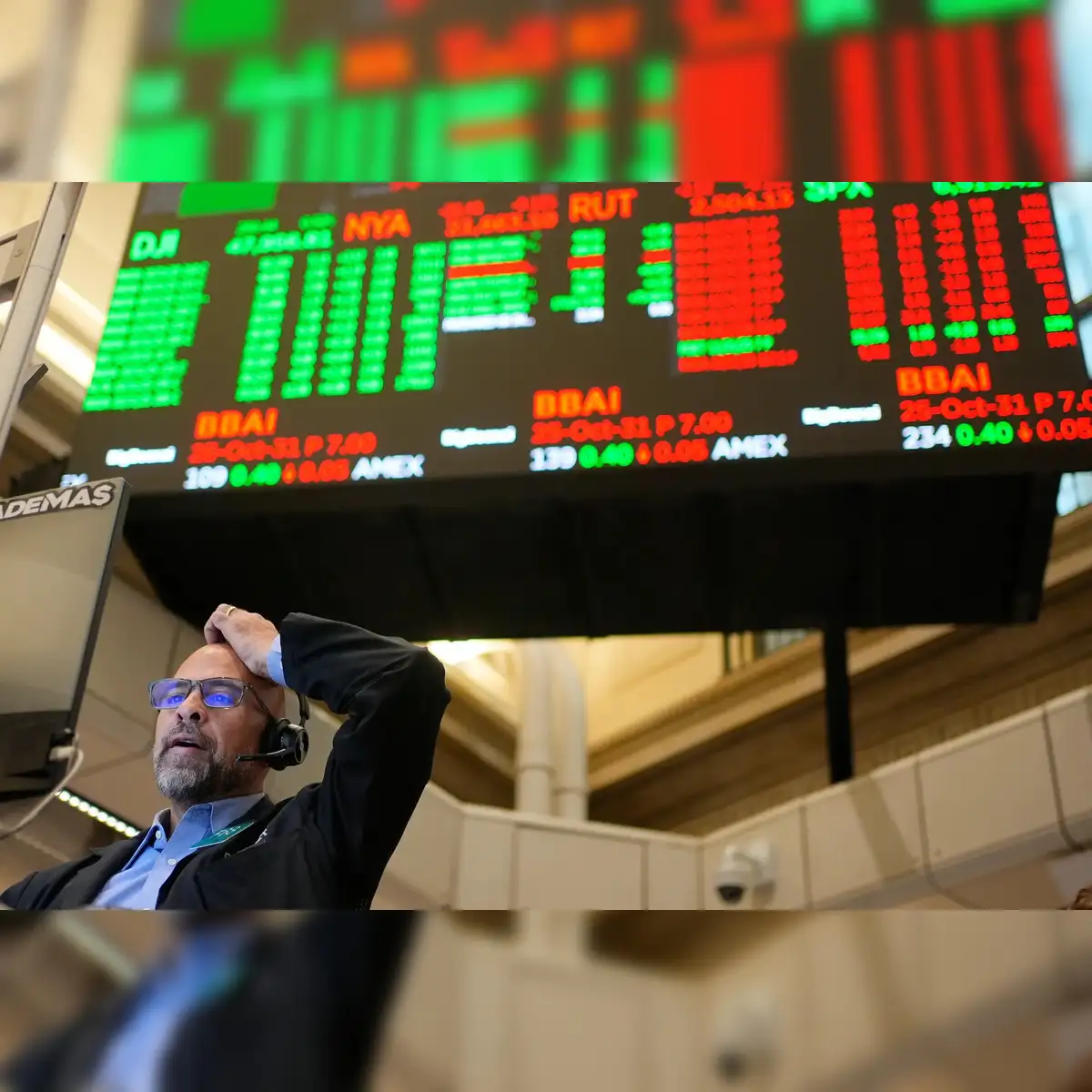
Perhaps the most insidious impact of a market downturn is the psychological one. Seeing portfolio values shrink can trigger fear, leading to irrational decisions like selling off investments at a loss. This “selling low” mentality locks in losses and prevents participation in the inevitable recovery. Understanding that market cycles are normal and downturns are a regular, albeit unpleasant, feature of investing is crucial for maintaining emotional discipline.
Prudent Strategies for Navigating a Declining Market
While the immediate reaction to a down market might be to panic, a well-informed investor understands that these periods are integral to the market cycle and offer specific strategic opportunities. Instead of reacting emotionally, a proactive and disciplined approach is paramount.
Maintaining Perspective: The Historical Resilience of Markets
One of the most powerful tools an investor possesses is historical context. Market downturns, including significant crashes, have occurred regularly throughout history. From the Great Depression to the Dot-com bubble burst, the 2008 financial crisis, and the COVID-19 pandemic, markets have always recovered, often reaching new highs. This long-term perspective reinforces the importance of time in the market over timing the market. Panic selling crystallizes losses and prevents recovery.
Dollar-Cost Averaging: Turning Volatility into an Advantage
For investors contributing regularly to their portfolios (e.g., monthly contributions to a 401k or IRA), a declining market can actually be beneficial through a strategy called dollar-cost averaging. This involves investing a fixed amount of money at regular intervals, regardless of market fluctuations. When prices are high, your fixed investment buys fewer shares; when prices are low (during a downturn), it buys more shares. Over time, this averages out your purchase price and reduces the risk associated with investing a lump sum at an inopportune moment. During a bear market, dollar-cost averaging effectively means you are buying assets “on sale.”
Portfolio Review and Rebalancing
A downturn is an excellent time to review your portfolio.
- Assess Risk Tolerance: Has your comfort level with risk changed? Does your current asset allocation still align with your long-term goals and risk capacity?
- Rebalance: If certain assets have become significantly over- or under-weighted due to market movements, rebalancing involves selling a portion of overperforming assets and buying more of underperforming ones to bring your portfolio back to its target allocation. This helps maintain your desired risk level and can force you to “buy low and sell high” systematically.
Diversification as a Shield
A well-diversified portfolio across different asset classes (stocks, bonds, real estate, commodities), geographies, and sectors is more resilient to market shocks. While diversification cannot prevent losses, it can mitigate their severity by ensuring that not all your investments are exposed to the same risks. If one sector or region is struggling, others might be performing better, cushioning the overall impact.
Seeking Professional Financial Guidance
For many, navigating the complexities of a declining market can be overwhelming. A qualified financial advisor can provide objective advice, help assess your individual situation, and develop a personalized strategy that aligns with your financial goals and risk tolerance. They can help you avoid emotional pitfalls, understand the tax implications of certain decisions, and ensure your portfolio remains on track for the long term.
Looking Ahead: What to Monitor for Market Recovery
While no one can predict the precise timing of a market recovery, certain indicators and developments typically precede and accompany a rebound. Investors can empower themselves by staying informed and understanding what signals to watch for.
Economic Indicators and Central Bank Policies
Key economic data points will often hint at a recovery. Investors should monitor:
- Inflation data: A sustained cooling of inflation can signal that central banks might ease their aggressive interest rate hikes.
- Interest rate decisions: A pause or reversal in rate hikes, or even discussions thereof, can provide a significant boost to market sentiment.
- Employment figures: Robust job growth and declining unemployment rates indicate a healthy economy with strong consumer spending potential.
- GDP growth: Positive and accelerating GDP figures confirm economic expansion.
Central bank commentary and decisions from institutions like the Federal Reserve are especially critical, as their policies heavily influence the cost of money and overall economic liquidity.
Corporate Fundamentals and Innovation
Ultimately, stock prices are tied to the profitability and growth prospects of the underlying companies.
- Improved Corporate Earnings: A rebound in corporate profits, alongside positive forward-looking guidance from companies, can restore investor confidence.
- Innovation and Productivity: New technological breakthroughs or significant advancements in productivity can open new markets, create efficiencies, and drive long-term growth, even during challenging economic periods. Identifying companies with strong fundamentals and innovative potential remains a cornerstone of long-term investing.
The Role of Investor Confidence
While quantitative data is crucial, the qualitative aspect of investor confidence cannot be understated. A shift in sentiment from fear to cautious optimism, and then to broader confidence, is often a necessary ingredient for a sustained market recovery. This can be influenced by positive news cycles, political stability, and a general perception that the worst of an economic downturn has passed.
In conclusion, “how much is the stock market down today?” is a question that serves as a daily reminder of the market’s inherent volatility. However, for the discerning investor, it should also be a prompt for a deeper analysis, a reaffirmation of long-term strategies, and an opportunity to act prudently. By understanding the forces at play, managing emotional responses, and adhering to sound financial principles, investors can navigate downturns not just by surviving them, but by positioning themselves for future success. The stock market is a powerful wealth-building engine over the long run, and even its temporary setbacks are part of that journey.
aViewFromTheCave is a participant in the Amazon Services LLC Associates Program, an affiliate advertising program designed to provide a means for sites to earn advertising fees by advertising and linking to Amazon.com. Amazon, the Amazon logo, AmazonSupply, and the AmazonSupply logo are trademarks of Amazon.com, Inc. or its affiliates. As an Amazon Associate we earn affiliate commissions from qualifying purchases.