
In the dynamic landscape of personal finance technology, brand identity is more than just a name; it’s a beacon that guides user perception, shapes market positioning, and encapsulates a company’s mission. The journey of Rocket Money, a prominent player in financial management, is a compelling case study in strategic brand evolution. Before it became the household name Rocket Money, this innovative platform was known by another identity: Truebill. This transition, far from being a mere cosmetic update, represents a calculated maneuver in corporate branding, designed to align with broader strategic objectives, enhance market resonance, and signify a new chapter in its corporate narrative.
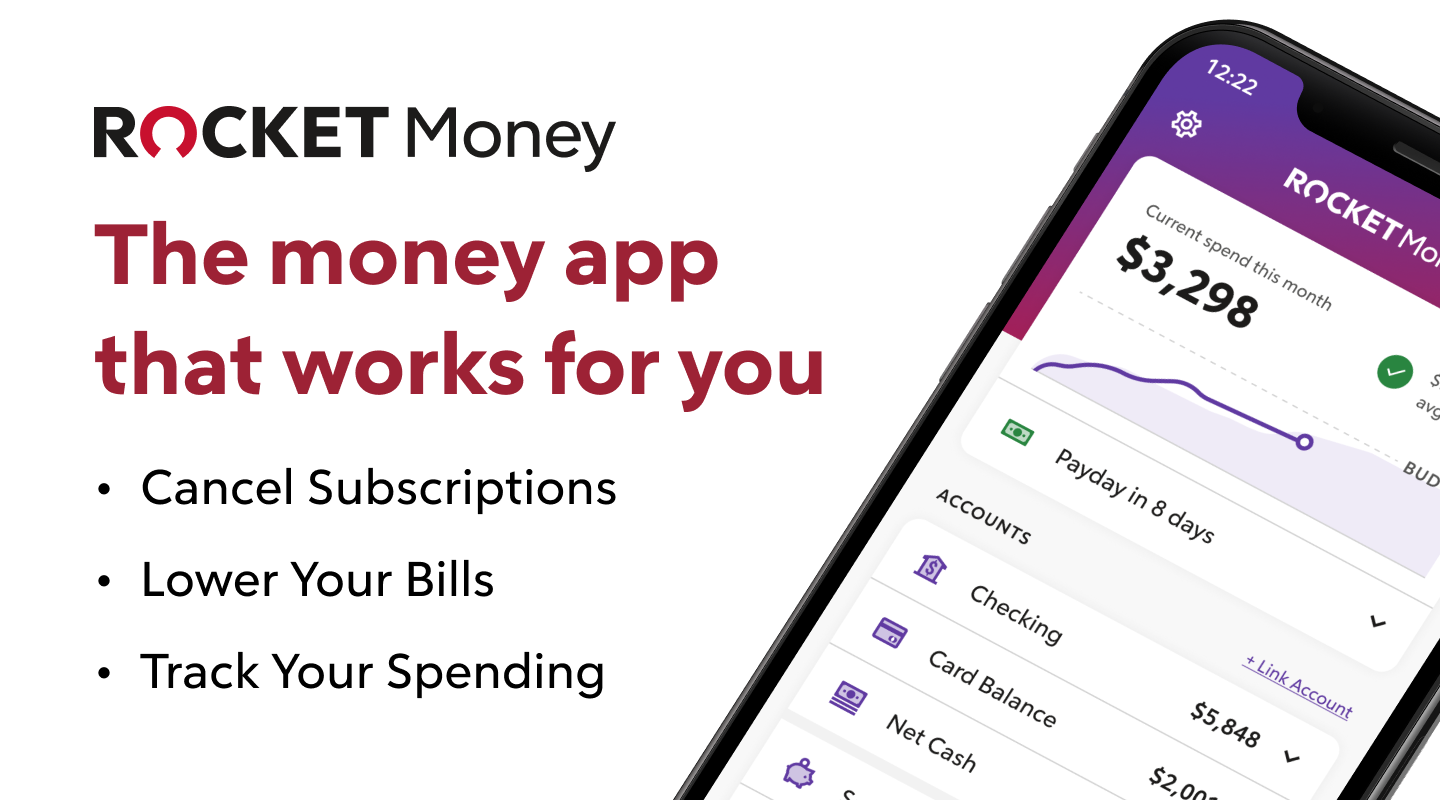
Understanding the rationale behind such a significant rebranding offers profound insights into the intricate interplay between brand strategy, corporate acquisitions, and the ongoing quest for market leadership. It’s a story not just about a name change, but about the strategic foresight required to navigate an increasingly competitive digital marketplace, ensuring that a brand remains relevant, recognizable, and reflective of its evolving value proposition.
From Truebill to Rocket Money: A Name Change with Strategic Intent
The transformation from Truebill to Rocket Money was not an overnight decision but the culmination of strategic planning following a pivotal corporate event. Truebill had carved out a significant niche in the fintech space, recognized for its innovative approach to subscription management and bill negotiation. Its eventual acquisition by Rocket Companies, a behemoth in the financial services industry, created an opportunity for a rebranding that would leverage existing brand equity and signal a unified vision.
The Genesis of Truebill: A Problem-Solver’s Brand
Truebill emerged as a disruptive force in personal finance, founded on a clear premise: to empower consumers by helping them understand and control their spending, particularly with recurring subscriptions that often went unnoticed. The name “Truebill” itself was highly descriptive and problem-solution oriented. It evoked transparency and accuracy, suggesting a commitment to revealing the “true” cost of one’s financial life. Its initial branding focused on being a vigilant advocate for the consumer, a digital assistant designed to identify and cancel unwanted subscriptions, negotiate bills, and provide a clear overview of financial commitments.
This brand identity resonated strongly with a segment of users frustrated by hidden fees and forgotten subscriptions. Truebill’s early success was a testament to the power of a brand that directly addressed a prevalent pain point with a clear, actionable solution. Its logo, often depicting a simplified visual of data or a bill, further reinforced this image of clarity and control. The brand’s messaging was straightforward: “Save Money, Stress Less.” This focused approach allowed Truebill to build a loyal user base and establish itself as a trusted name in a specific, yet crucial, aspect of personal finance management. It demonstrated that a niche brand, with a clear purpose and a name that communicated that purpose directly, could achieve significant traction.
The Acquisition Catalyst: Rocket Companies’ Vision
The strategic landscape shifted dramatically with the acquisition of Truebill by Rocket Companies in December 2021 for an estimated $1.275 billion. Rocket Companies, renowned for its Rocket Mortgage brand and other financial services, saw in Truebill a complementary asset that could significantly broaden its digital financial ecosystem. This acquisition was not merely about integrating technology; it was about strategically expanding the Rocket brand’s reach into new aspects of personal finance.
For Truebill, becoming part of the Rocket Companies family presented an unprecedented opportunity for scale, resources, and cross-pollination with established financial service offerings. However, such an integration naturally prompts questions about brand alignment. Maintaining “Truebill” as a standalone brand within the Rocket Companies portfolio risked fragmentation and missed opportunities for synergistic branding. The acquiring entity, Rocket Companies, had a powerful, widely recognized brand built on trust, speed, and innovation. The decision to rebrand Truebill to Rocket Money was therefore a logical and strategic step to unify the expanded service offerings under a cohesive corporate identity. It signaled to the market, and to existing Truebill users, that this was now part of a larger, integrated financial services giant, offering a broader and more holistic approach to financial well-being. This move was about leveraging existing brand equity to build a more powerful, integrated presence.
Decoding the Rebrand: Why “Rocket Money”?
The rebranding to “Rocket Money” was a deliberate and multifaceted strategic decision, extending beyond simple corporate affiliation. It was an exercise in brand architecture, aiming to enhance recognition, clarify value, and position the product for future growth within a larger ecosystem. The choice of “Rocket Money” was far from arbitrary; it was laden with strategic intent, reflecting a forward-looking vision for the platform’s role in consumer finance.
Harmonizing with the Parent Brand: Synergistic Naming
The most immediate and apparent reason for the rebrand was to create brand synergy with Rocket Companies. By adopting the “Rocket” prefix, the financial management app instantly benefited from the immense brand recognition, trust, and positive associations already cultivated by Rocket Mortgage and other Rocket brands. This form of “house of brands” strategy, where individual offerings carry the parent company’s identifier, is a powerful tool for leveraging established brand equity.
For existing and potential customers of Rocket Companies, the name “Rocket Money” signals a familiar and trusted source. It suggests that the same commitment to efficiency, innovation, and customer-centricity found in Rocket Mortgage is now extended to personal finance management. This harmonization reduces marketing friction, as brand recognition doesn’t need to be built from scratch; it’s inherited. It also streamlines the customer journey, making it easier for users to identify and trust new services within the Rocket ecosystem. The “Rocket” element itself conveys speed, dynamism, and a forward-moving trajectory, aligning perfectly with the digital-first, quick-results promise of the application. This strategic choice was about creating a unified narrative and a stronger, more coherent brand family.
Communicating Broader Value: Beyond Subscription Management
While Truebill excelled at subscription management, its name, though descriptive, could also be perceived as limiting. “Truebill” strongly anchored the brand to its initial core function, potentially obscuring its expanded capabilities in budgeting, credit score tracking, net worth analysis, and personalized financial insights. As the platform evolved, offering a more comprehensive suite of personal finance tools, a name that could encompass this broader value proposition became crucial.
“Rocket Money” is inherently more expansive. The “Money” suffix clearly positions the brand within the broader personal finance category, without confining it to a single feature. It implies a holistic approach to managing one’s finances, from spending and saving to investing and debt management. This allows the brand to scale its offerings more effectively in the future, without being constrained by an outdated name that no longer reflects its full scope. It signals a shift from being a “subscription optimizer” to a comprehensive “money manager,” broadening its appeal to a wider audience seeking an all-in-one financial solution. This strategic broadening of the brand name was essential for future market penetration and diversified product development.
Simplicity and Memorability: The Power of a Strong Identity
In a crowded digital marketplace, simplicity and memorability are invaluable brand assets. “Rocket Money” is a highly concise, impactful, and easily recallable name. It uses common, strong words that are familiar to a broad audience, making it effortless to remember and pronounce. Compared to “Truebill,” which, while descriptive, has a slightly more corporate or technical feel, “Rocket Money” exudes a sense of approachability and straightforwardness.
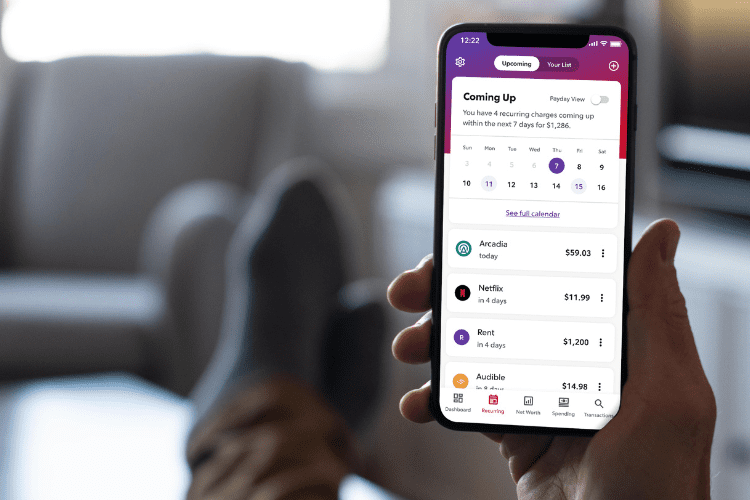
This simplicity aids in word-of-mouth marketing, reduces cognitive load for potential users, and makes it easier for the brand to stand out in app stores and search results. A memorable name contributes significantly to brand recall and top-of-mind awareness, which are critical for user acquisition and retention in the fast-paced app economy. The inherent dynamism in “Rocket” combined with the directness of “Money” creates a powerful and easily digestible brand identity that resonates with modern consumers seeking efficient and effective financial tools. The ease of association and recall contributes directly to the brand’s long-term equity and market penetration.
The Impact of a Name Change: Navigating Brand Transition
A rebrand, especially for an established and well-regarded service like Truebill, is a delicate operation. It involves more than just updating logos and website copy; it requires careful management of stakeholder perceptions, from loyal users to the broader market and internal teams. The success of such a transition hinges on effectively communicating the rationale and benefits of the new identity, ensuring continuity while signaling progress.
User Perception and Trust: Building on Established Foundations
For existing Truebill users, the name change could have been a point of confusion or even concern. Maintaining user trust and ensuring a smooth transition was paramount. Rocket Companies addressed this by clearly communicating the rebrand as an evolution, emphasizing that the core service and benefits users loved would remain, now enhanced by the resources of a larger entity. The message was not “we are changing what you know,” but “we are getting even better, under a new, unified banner.”
The challenge was to leverage Truebill’s existing positive brand associations – its reputation for saving money and simplifying finances – and seamlessly transfer that goodwill to “Rocket Money.” This required consistent messaging across all touchpoints, from in-app notifications to customer service interactions and marketing campaigns. By highlighting the continuity of service and the added backing of Rocket Companies, the rebrand aimed to reinforce, rather than erode, the trust built under the Truebill name. The goal was to ensure users felt they were gaining more, not losing something familiar, thereby fostering continued loyalty.
Market Positioning and Competitive Edge: Reshaping the Narrative
The rebrand to Rocket Money significantly reshaped its market positioning. It moved from being a niche, albeit leading, player in subscription management to a direct competitor in the broader personal finance management space, often going head-to-head with established financial apps and budgeting tools. The “Rocket” affiliation immediately conferred a sense of scale and credibility that might have taken Truebill years to build independently.
This new positioning allowed Rocket Money to differentiate itself by emphasizing its connection to a larger, trusted financial ecosystem. It could now appeal to consumers looking for integrated solutions, potentially linking their mortgage, loan, and personal finance management under one familiar brand. The rebrand provided a stronger narrative for marketing campaigns, allowing the company to tell a more compelling story about holistic financial well-being. This broader appeal, combined with enhanced marketing muscle, provides a significant competitive edge in attracting new users and expanding market share. The rebranding served as a potent marketing tool to establish a stronger, more recognizable presence in a crowded market.
Internal Alignment and Corporate Culture: A Unified Identity
Beyond external perceptions, a rebrand has profound implications for internal stakeholders – employees, management, and investors. For employees of the former Truebill, the transition to Rocket Money meant aligning with a new corporate culture, vision, and set of values. Successful rebranding involves extensive internal communication to ensure that every team member understands the rationale behind the change, embraces the new identity, and can articulate its benefits.
A unified brand identity fosters a sense of cohesion and shared purpose across the organization. It simplifies internal communications, streamlines product development roadmaps, and facilitates cross-functional collaboration within the larger Rocket Companies family. By bringing Truebill into the Rocket fold, the rebrand helped consolidate internal efforts and resources, allowing for more efficient execution of product enhancements and strategic initiatives. This internal alignment is crucial for translating the brand promise into consistent customer experiences, ensuring that the new identity is lived and breathed throughout the organization.
Lessons from the Rebrand: A Masterclass in Brand Evolution
The transformation of Truebill into Rocket Money offers valuable lessons for any organization contemplating a brand evolution. It underscores that a name change is a strategic business decision deeply intertwined with growth objectives, market conditions, and corporate strategy.
Timing and Rationale: The Art of Strategic Naming
The case of Rocket Money highlights the importance of opportune timing and a clear strategic rationale for rebranding. The acquisition by Rocket Companies provided a compelling external catalyst, making the rebrand a logical step towards integration and synergy. This wasn’t a rebrand for the sake of novelty, but one driven by a desire to consolidate a diverse portfolio under a stronger, more recognized parent brand. It demonstrates that the “when” and “why” of a rebrand are as critical as the “what.” A well-timed rebrand, supported by clear reasoning, can unlock significant value and propel a company forward. This strategic foresight is crucial for any brand considering such a significant shift.
Maintaining Brand Equity: Bridging the Old and New
A key challenge in rebranding is to avoid alienating existing customers and losing the goodwill built under the old name. Rocket Money’s transition demonstrates the art of maintaining brand equity by emphasizing continuity of service and enhanced value. By acknowledging Truebill’s legacy and seamlessly integrating its core functions into the new Rocket Money platform, the company ensured that users recognized the underlying product and its benefits. This approach helps bridge the gap between the old and new identities, allowing the new brand to inherit the positive associations of its predecessor. The successful transfer of trust and familiarity is paramount to ensuring that a rebrand doesn’t lead to a loss of customer base.
Future-Proofing the Brand: Adaptability and Growth
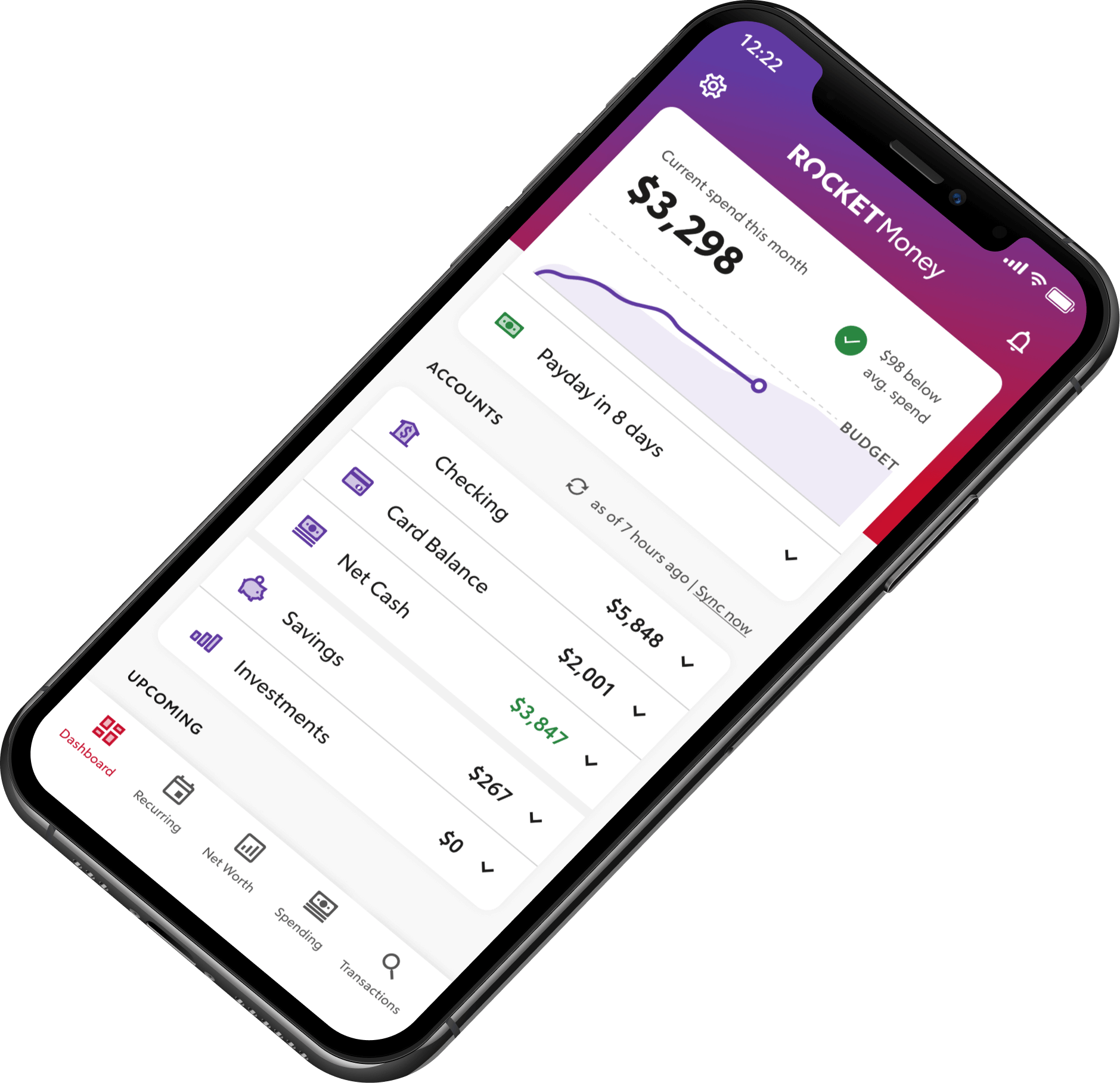
Finally, the rebranding to Rocket Money serves as an excellent example of future-proofing a brand. The more expansive and less feature-specific name provides significant flexibility for future product development and market expansion. As the personal finance landscape continues to evolve, Rocket Money is positioned to adapt and introduce new services without being constrained by a narrow brand identity. This adaptability is critical for long-term growth and sustained relevance in a rapidly changing technological and financial environment. A brand name that allows for innovation and expansion is a strategic asset, enabling the company to evolve its offerings without needing another disruptive rebrand.
In conclusion, the journey from Truebill to Rocket Money is a compelling narrative of strategic brand evolution. It illustrates how a carefully executed rebrand, anchored in a clear vision and supported by strong corporate strategy, can unlock new opportunities, enhance market positioning, and solidify a company’s place in the competitive digital ecosystem. It’s a powerful reminder that in the world of branding, a name is not just an identifier, but a dynamic tool for growth and transformation.
aViewFromTheCave is a participant in the Amazon Services LLC Associates Program, an affiliate advertising program designed to provide a means for sites to earn advertising fees by advertising and linking to Amazon.com. Amazon, the Amazon logo, AmazonSupply, and the AmazonSupply logo are trademarks of Amazon.com, Inc. or its affiliates. As an Amazon Associate we earn affiliate commissions from qualifying purchases.