
Embarking on the journey of online stock investing can initially seem daunting, but it’s a remarkably accessible avenue for building wealth and achieving financial goals. The digital age has democratized investing, enabling individuals from all walks of life to participate in financial markets directly from their computers or smartphones. Gone are the days when stock market participation was exclusive to the affluent or required direct engagement with a traditional broker. Today, with a plethora of online platforms, robust educational resources, and powerful analytical tools at your fingertips, managing your own investments has never been easier or more empowering. This comprehensive guide will walk you through the essential steps, considerations, and strategies to confidently begin investing in stocks online, equipping you with the knowledge to make informed decisions and navigate the market successfully.
1. Understanding the Basics of Online Stock Investing
Before diving into platform selection and trading, a solid understanding of fundamental concepts is crucial. Online investing is not just about pressing buttons; it’s about making educated choices that align with your financial objectives and risk tolerance.
Why Invest in Stocks Online?
The shift towards online investing is driven by several compelling advantages. Firstly, accessibility is paramount. You can research, buy, and sell stocks from anywhere with an internet connection, at any time during market hours. This convenience eliminates geographical barriers and rigid scheduling. Secondly, cost-effectiveness is a significant draw. Online brokerages typically offer lower fees and commissions compared to full-service traditional brokers, with many platforms now offering commission-free trading for stocks and ETFs. This means more of your money goes into your investments rather than covering transaction costs. Lastly, online platforms provide an unparalleled degree of control over your investments. You make the decisions, execute the trades, and track your portfolio’s performance directly, fostering a deeper engagement with your financial future.
Key Concepts for Beginners
To navigate the market effectively, familiarize yourself with some core terminology:
- Stocks: Represent ownership shares in a company. When you buy a stock, you own a tiny piece of that business.
- ETFs (Exchange-Traded Funds): Are baskets of various investments (like stocks, bonds, commodities) that trade on an exchange, much like individual stocks. They offer instant diversification and are often preferred by beginners.
- Mutual Funds: Similar to ETFs in that they pool money from multiple investors to buy a diversified portfolio of securities. However, they are typically managed by professional fund managers and trade only once a day after the market closes.
- Market Order: An order to buy or sell a security immediately at the best available current price.
- Limit Order: An order to buy or sell a security only at a specified price or better. This gives you more control over the price you execute your trade at.
- Dividends: A portion of a company’s earnings paid out to its shareholders, usually quarterly. Not all stocks pay dividends.
- Capital Gains: The profit you make when you sell an investment for more than you paid for it.
Setting Realistic Expectations
The stock market offers potential for significant returns, but it’s not a get-rich-quick scheme. Investing in stocks should generally be viewed as a long-term strategy. Markets can be volatile, experiencing ups and downs. Understanding your risk tolerance — how much risk you’re comfortable taking with your investments — is fundamental. Beginners are often advised to start with broad-market ETFs or well-established companies before venturing into more speculative individual stocks. Patience and discipline are key to weathering market fluctuations and achieving long-term growth.
2. Choosing the Right Online Brokerage Platform
Your online brokerage platform will be the central hub for all your investment activities. Selecting the right one is a critical first step. The market is saturated with options, each offering a unique set of features, fees, and services.
Types of Online Brokerages
Online brokerages primarily fall into a few categories:
- Discount Brokers: These platforms focus on providing low-cost trading with minimal frills. They’re ideal for self-directed investors who prefer to do their own research and don’t require extensive guidance. Many now offer commission-free stock and ETF trades.
- Full-Service Brokers (Online Divisions): While traditionally offering personalized advice and research, many full-service firms now have online platforms that provide a blend of self-directed investing with access to some advisory services for an additional fee.
- Robo-Advisors: These are automated, algorithm-driven platforms that manage your portfolio based on your financial goals and risk tolerance. They typically invest in low-cost ETFs and are excellent for investors who want a hands-off approach to diversification and rebalancing.
Key Features to Look For
When evaluating online brokers, consider the following:
- Fees & Commissions: Beyond commission-free stock trades, check for fees on options, mutual funds, account maintenance fees, inactivity fees, and transfer fees.
- Investment Options: Ensure the platform offers the types of investments you’re interested in (stocks, ETFs, mutual funds, options, crypto, etc.).
- Research Tools & Educational Resources: A good broker provides comprehensive research reports, charting tools, stock screeners, news feeds, and educational content to help you make informed decisions.
- Customer Support: Look for responsive and accessible customer service via phone, chat, or email, especially if you anticipate needing assistance.
- User Interface & Mobile App: A clean, intuitive interface and a robust mobile app are crucial for a seamless investing experience, allowing you to manage your portfolio on the go.
- Minimum Deposit: Some brokers require a minimum initial deposit to open an account, though many now offer accounts with no minimum.
Account Setup Process
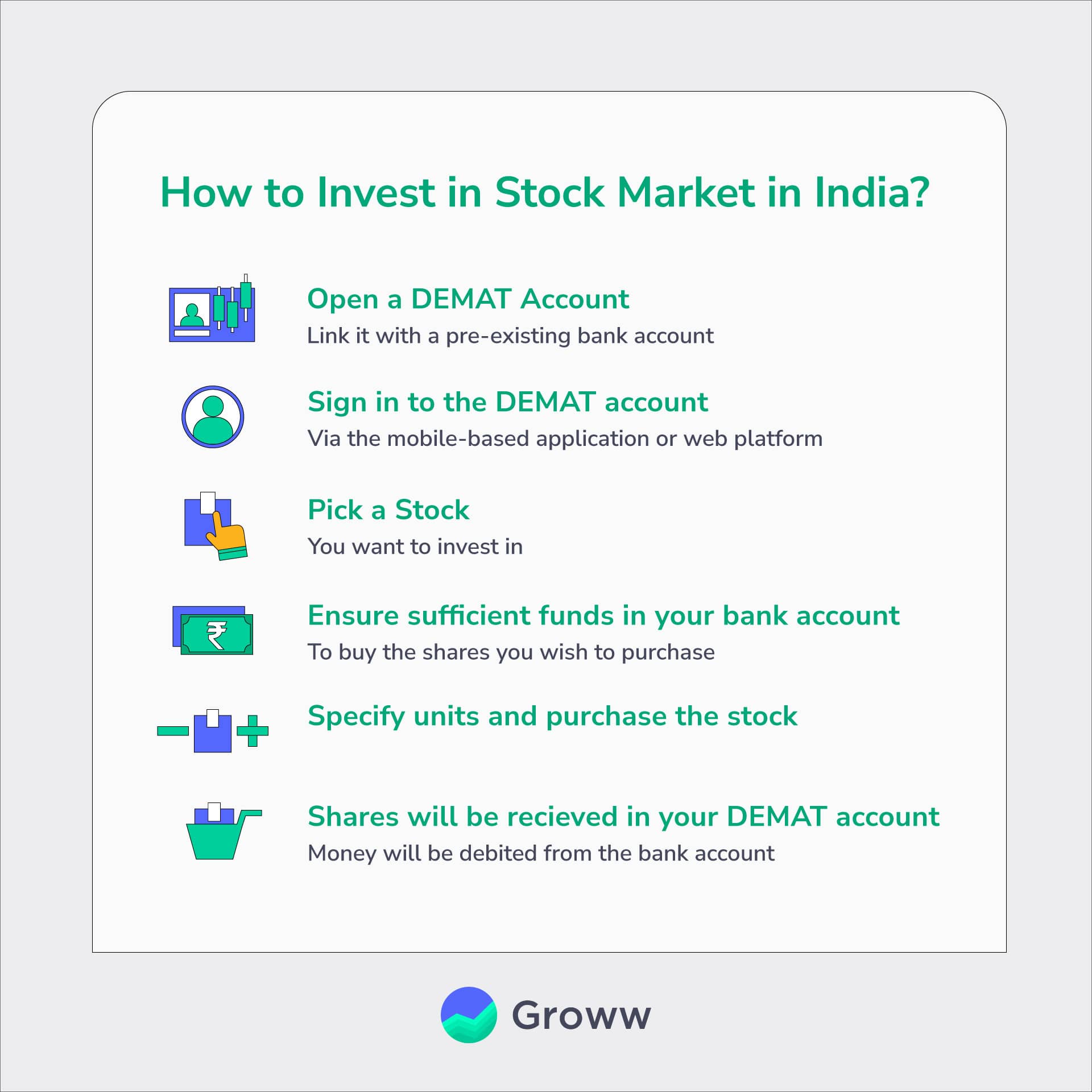
Once you’ve chosen a broker, opening an account is typically straightforward:
- Application: You’ll fill out an online application providing personal information (name, address, date of birth, Social Security number).
- Identity Verification: The broker will verify your identity, often requiring a copy of a government-issued ID.
- Funding: You’ll link a bank account (via ACH transfer), initiate a wire transfer, or mail a check to fund your new brokerage account. This process can take a few business days.
- Investment Profile: You’ll answer questions about your financial goals, income, net worth, and risk tolerance, which helps the broker offer suitable investment suggestions and ensures compliance.
3. Strategies for Building and Managing Your Online Portfolio
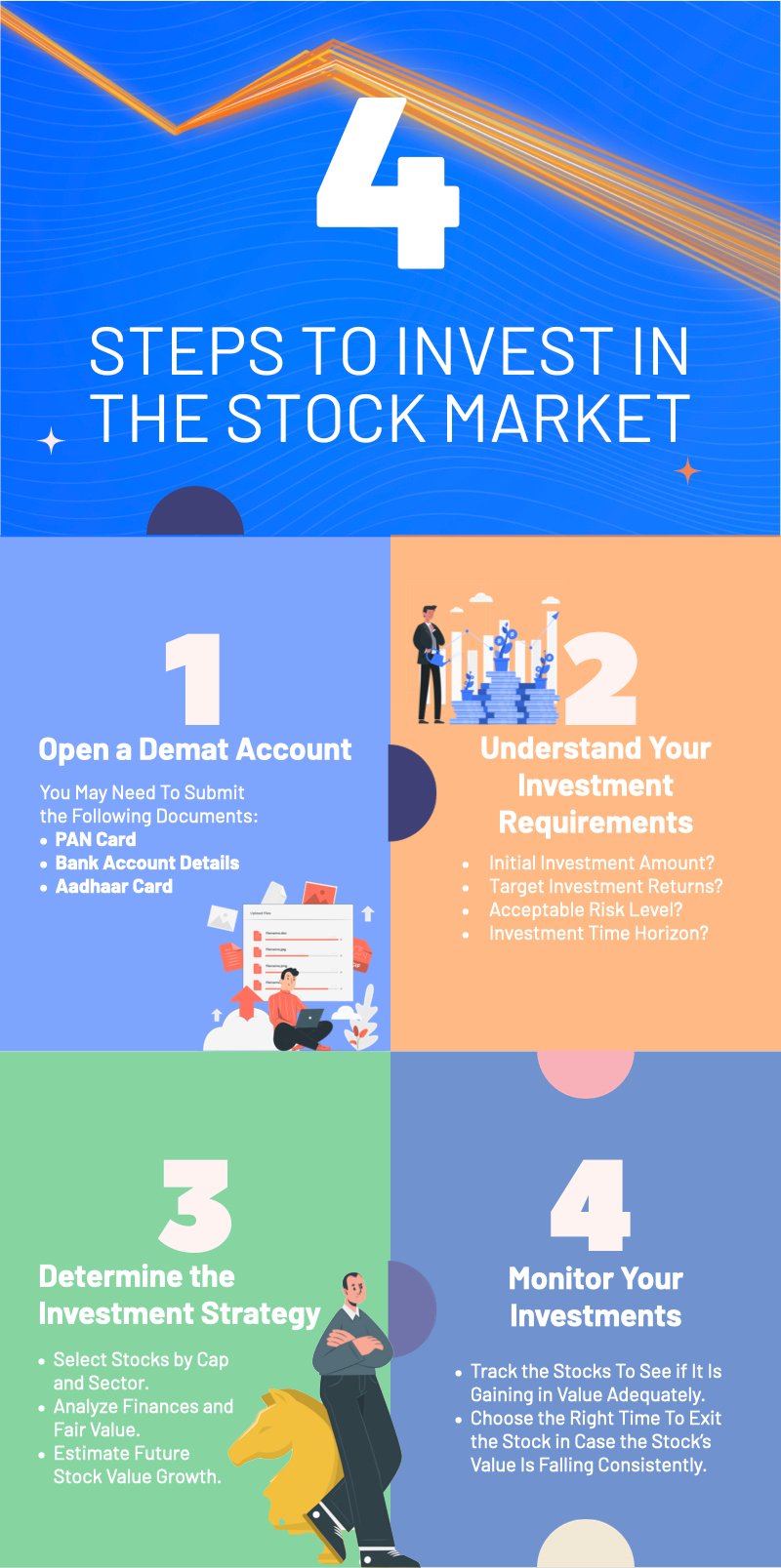
With your account funded, the next step is to strategize your investments and actively manage your portfolio. This involves setting clear objectives and employing sound investment principles.
Defining Your Investment Goals and Risk Tolerance
Before making your first trade, clearly define what you want your investments to achieve. Are you saving for a down payment in three years (short-term) or retirement in thirty years (long-term)? Your goals will dictate your investment horizon and, consequently, your acceptable level of risk. A longer time horizon generally allows for more aggressive investments, as there’s more time to recover from market downturns. Conversely, shorter-term goals warrant a more conservative approach.
Diversification: The Golden Rule
Diversification is perhaps the most crucial strategy in investing. It means spreading your investments across various assets, industries, and geographies to minimize risk. The principle is simple: don’t put all your eggs in one basket. If one investment performs poorly, others may perform well, cushioning the impact on your overall portfolio.

- Asset Allocation: This refers to dividing your portfolio among different asset classes like stocks, bonds, and cash. Your age, goals, and risk tolerance will influence this allocation.
- Sector Diversification: Instead of investing solely in tech stocks, diversify across different sectors such as healthcare, consumer staples, financials, and energy.
- Geographic Diversification: Consider investing in international markets to reduce reliance on a single country’s economic performance. ETFs can be an excellent way to achieve broad diversification easily.
Dollar-Cost Averaging
Dollar-cost averaging (DCA) is a disciplined investment strategy where you invest a fixed amount of money at regular intervals (e.g., $100 every month), regardless of the asset’s price. This strategy helps mitigate the impact of market volatility. When prices are high, your fixed amount buys fewer shares; when prices are low, it buys more shares. Over time, this averages out your purchase price and can lead to a lower average cost per share than if you tried to time the market. DCA is especially effective for long-term investors building their portfolios steadily.
Monitoring and Rebalancing Your Portfolio
Investing is not a set-it-and-forget-it endeavor. Regularly monitor your portfolio’s performance and make adjustments as needed.
- Regular Reviews: Periodically (e.g., quarterly or annually) review your investments to ensure they still align with your goals and risk tolerance. Market conditions and your personal circumstances can change.
- Rebalancing: Over time, some assets in your portfolio may grow faster than others, causing your asset allocation to drift from your target. Rebalancing involves selling some of the overperforming assets and buying more of the underperforming ones to bring your portfolio back to its desired allocation. This helps maintain your risk profile and can be a disciplined way to “buy low and sell high.”
4. Navigating Risks and Ensuring Security in Online Investing
While online investing offers incredible opportunities, it’s essential to be aware of the inherent risks and take steps to protect your investments and personal information.
Common Investment Risks
Every investment carries some level of risk. Understanding these risks is part of making informed decisions:
- Market Risk: The risk that the entire stock market, or a significant portion of it, will decline, affecting even diversified portfolios.
- Liquidity Risk: The risk that you may not be able to sell your investment quickly enough without significantly impacting its price. This is less common with large-cap stocks but can be a factor with smaller, less frequently traded securities.
- Company-Specific Risk (Idiosyncratic Risk): The risk associated with a particular company or industry, which can be mitigated through diversification.
- Inflation Risk: The risk that the purchasing power of your investment returns will be eroded by inflation over time.
- Cybersecurity Risk: The risk of your online account being compromised by hackers, which is why robust security measures are vital.
Protecting Your Online Investment Account
Online security is paramount. Brokerage firms employ sophisticated security measures, but you also have a role to play:
- Strong, Unique Passwords: Use complex passwords that are difficult to guess and different from those used on other sites.
- Two-Factor Authentication (2FA): Always enable 2FA if your broker offers it. This adds an extra layer of security, typically requiring a code sent to your phone in addition to your password.
- Beware of Phishing Scams: Be vigilant about suspicious emails or messages asking for your login credentials or personal information. Always verify the sender and URL before clicking links.
- Public Wi-Fi Caution: Avoid accessing your brokerage account on unsecured public Wi-Fi networks.
- Regular Monitoring: Periodically review your account statements and transaction history for any unauthorized activity.
Regulatory Protections
In the United States, several layers of protection are in place for investors:
- SIPC (Securities Investor Protection Corporation) Insurance: Most U.S. brokerage firms are members of SIPC, which protects client assets up to $500,000 (including $250,000 for cash) in the event the brokerage firm fails. It does not protect against market losses.
- SEC (Securities and Exchange Commission) Oversight: The SEC regulates the securities markets to protect investors and maintain fair, orderly, and efficient markets.
- FINRA (Financial Industry Regulatory Authority): This self-regulatory organization oversees brokers and brokerage firms, ensuring ethical and professional conduct.
5. Tools and Resources for the Savvy Online Investor
The digital landscape offers a wealth of tools and resources that can significantly enhance your online investing experience, from making informed decisions to staying updated on market movements.
Research and Analysis Tools
Effective investing hinges on thorough research. Online brokers typically provide an array of tools:
- Stock Screeners: These tools allow you to filter stocks based on various criteria (e.g., market capitalization, industry, dividend yield, price-to-earnings ratio). They are invaluable for identifying potential investment opportunities.
- Charting Tools: Advanced charting capabilities help you analyze historical price movements, identify trends, and apply technical analysis indicators.
- Fundamental Analysis Reports: Access to company financial statements (income statements, balance sheets, cash flow statements), analyst ratings, and earnings reports helps you assess a company’s intrinsic value.
- News Feeds and Market Commentary: Stay current with real-time financial news, expert opinions, and economic indicators that can influence market sentiment.
Educational Resources
Continuous learning is crucial for investors. Many online brokers, financial news websites, and educational platforms offer:
- Webinars and Online Courses: These resources cover topics from basic investing principles to advanced trading strategies.
- Articles and Guides: A vast library of written content explains complex financial concepts in an accessible manner.
- Glossaries: Handy references for understanding financial jargon.
- Practice Accounts (Paper Trading): Many platforms offer simulated trading environments where you can practice investing with virtual money without risking real capital. This is an excellent way to test strategies and get comfortable with the platform.
Leveraging Mobile Apps and Alerts
Modern investing is often done on the go. Brokerage mobile apps provide:
- Real-time Quotes and Portfolio Tracking: Keep an eye on your investments and market movements instantly.
- Trade Execution: Buy and sell stocks directly from your smartphone or tablet.
- Customizable Alerts: Set up notifications for price movements, news updates, or when a stock reaches a certain threshold, allowing you to react quickly to market changes.
In conclusion, investing in stocks online is a powerful and accessible path to financial independence. By understanding the basics, choosing the right platform, implementing sound strategies like diversification and dollar-cost averaging, prioritizing security, and leveraging the abundant tools and resources available, you can confidently navigate the markets. Remember, successful investing is a marathon, not a sprint. With patience, discipline, and a commitment to continuous learning, you can build a robust online portfolio that helps you achieve your long-term financial aspirations.
aViewFromTheCave is a participant in the Amazon Services LLC Associates Program, an affiliate advertising program designed to provide a means for sites to earn advertising fees by advertising and linking to Amazon.com. Amazon, the Amazon logo, AmazonSupply, and the AmazonSupply logo are trademarks of Amazon.com, Inc. or its affiliates. As an Amazon Associate we earn affiliate commissions from qualifying purchases.