
In the intricate landscape of personal finance, few expenses are as universally borne yet as individually variable as car insurance. The perennial quest for the “best” car insurance prices is a journey many undertake, often with the misconception that a single, definitive answer awaits. In reality, pinpointing the insurer with the absolute lowest prices is akin to chasing a moving target. Car insurance premiums are meticulously calculated based on a confluence of factors unique to each driver, vehicle, and location, making the concept of a universal “best” price a myth. Instead, the smart approach involves understanding the underlying mechanics of pricing, adopting strategic comparison techniques, and leveraging financial acumen to secure the most competitive rates tailored to your specific circumstances.
This article delves into the nuances of car insurance pricing, dissecting the variables that shape your premium and equipping you with actionable strategies to navigate the market. We’ll explore how to effectively compare offers, identify opportunities for savings, and ultimately make an informed decision that balances cost-effectiveness with adequate protection, all firmly within the realm of personal finance.
Understanding the Complexities of Car Insurance Pricing
The sticker price for car insurance is rarely just a number; it’s the output of sophisticated actuarial science, risk assessment, and market dynamics. Insurers analyze a multitude of data points to predict the likelihood and potential cost of future claims, which then dictates the premium you pay. This inherent complexity means that what might be the “best” price for one individual could be prohibitively expensive for another, underscoring the personalized nature of insurance costs.
Factors Influencing Your Premium
Dozens of variables contribute to your car insurance premium, forming a highly individualized risk profile. Understanding these can empower you to make changes that positively impact your rates.
- Driving Record: This is arguably the most significant factor. A clean driving history, free of accidents, traffic violations, and DUIs, signals lower risk to insurers and typically translates to lower premiums. Conversely, a history of claims or infractions will significantly drive up your cost.
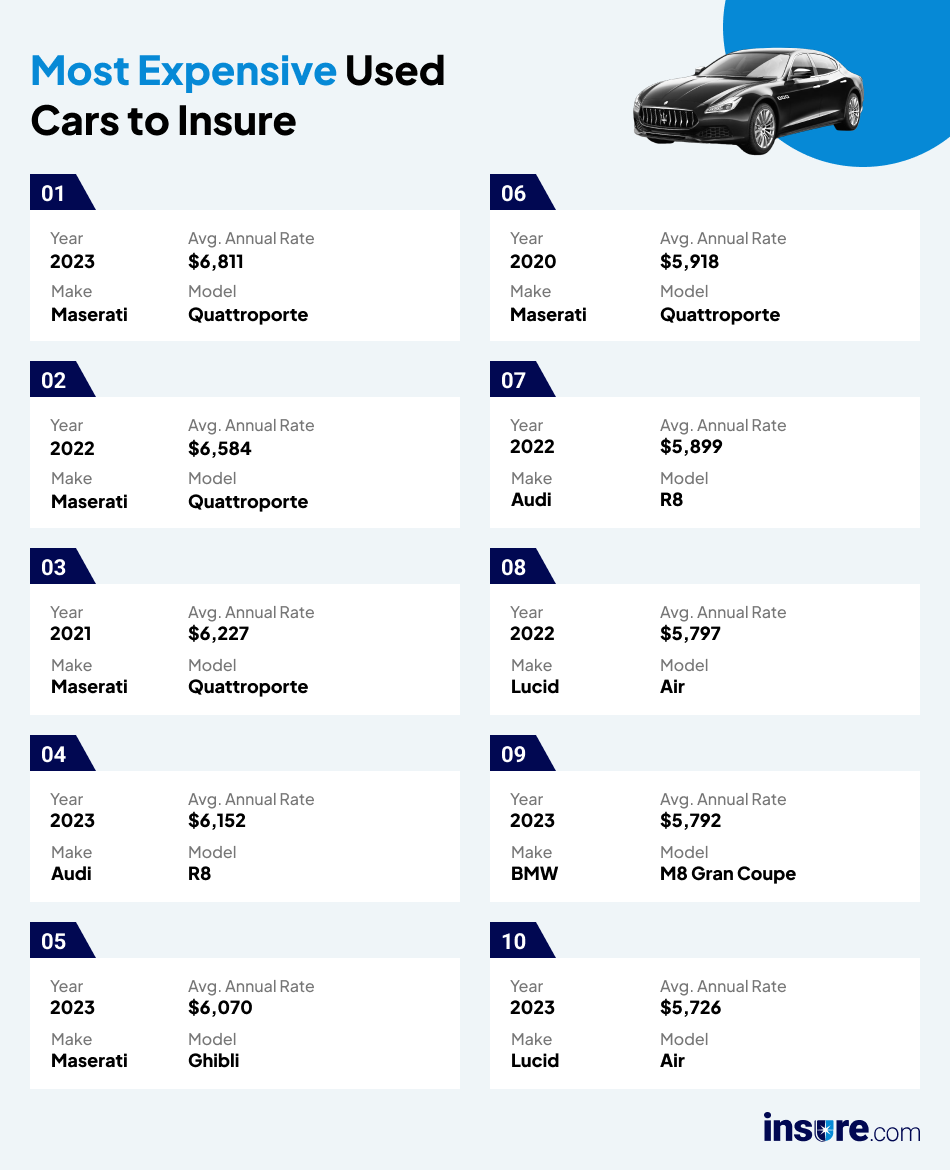
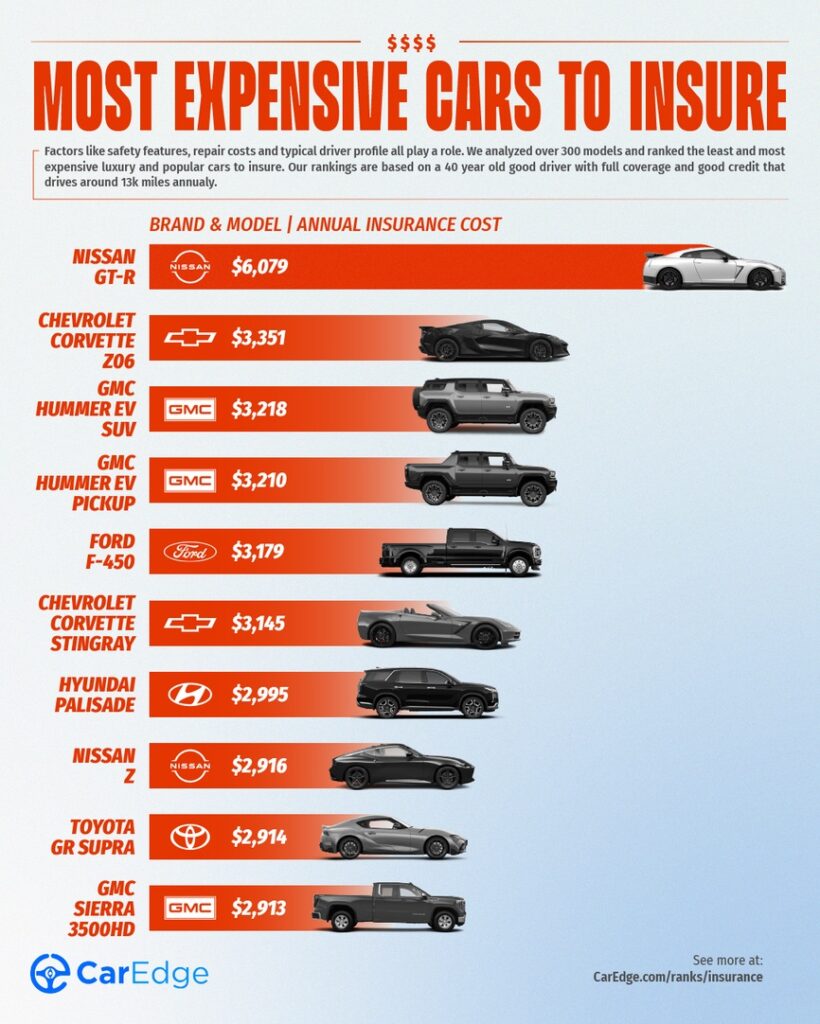
- Vehicle Type: The make, model, year, and safety features of your car play a crucial role. Expensive cars, high-performance vehicles, and those with a higher theft rate or repair cost generally come with higher insurance premiums. Newer cars with advanced safety features might qualify for discounts, but their higher replacement value can counteract this.
- Age and Gender: Statistically, younger drivers, particularly males under 25, are deemed higher risk due to less driving experience and a greater propensity for accidents. As drivers mature, rates tend to decrease, assuming a good driving record is maintained.
- Location: Where you live and park your car profoundly impacts your rates. Urban areas with higher traffic density, crime rates, and greater incidence of accidents or theft typically have higher premiums than rural areas.
- Credit Score: In many states, insurers use credit-based insurance scores as a predictor of future claims. A higher credit score often correlates with a lower risk of filing claims, potentially leading to lower premiums. This is a contentious practice in some regions but remains a significant factor where permitted.
- Annual Mileage: The more you drive, the higher your exposure to risk. Low-mileage drivers may qualify for discounts or opt for usage-based insurance programs.
- Coverage Amount and Deductibles: The level of coverage you choose (liability, collision, comprehensive, uninsured motorist, etc.) and your deductible amounts directly affect your premium. Higher deductibles mean you pay more out-of-pocket in the event of a claim, but they result in lower monthly premiums.
The Myth of a Single “Best” Provider
Because premiums are so tailored, no single insurance company can consistently offer the lowest price for every individual across all circumstances. An insurer that is competitive for a young driver with a sports car in a city might be significantly more expensive for an older driver with a minivan in the suburbs. Companies specialize in different market segments, have varying risk appetites, and offer diverse discount structures. This means the “best” provider is highly subjective and dynamic, necessitating a personalized search rather than relying on generalized rankings.
Why Your Neighbor’s Rate Differs from Yours
Even if you and your neighbor drive identical cars and live next door, your insurance premiums can vary wildly. This is due to the unique combination of the factors listed above. Your neighbor might have a longer driving history, a better credit score, different coverage preferences, or a different claims history. They might also be taking advantage of discounts you’re unaware of, such as bundling policies or being a long-term customer. Understanding this helps set realistic expectations and emphasizes the need for an individualized comparison strategy.
Strategies for Uncovering the Most Competitive Rates
Given the personalized nature of car insurance pricing, the most effective strategy for finding the best rates involves proactive research and intelligent comparison. This isn’t just about getting multiple quotes; it’s about understanding what goes into those quotes and how you can influence them.
The Power of Comparison Shopping
The single most impactful action you can take to find competitive rates is to shop around diligently. Don’t settle for the first quote you receive or assume your current insurer is still offering you the best deal.
- Get Multiple Quotes: Aim to get quotes from at least 3-5 different insurance providers, including large national carriers, regional specialists, and online-only insurers. Each company uses its own underwriting algorithms, so their pricing for your specific profile will vary.
- Use Online Comparison Tools: Websites that allow you to enter your information once and receive multiple quotes simultaneously can be incredibly time-saving. However, always verify these quotes directly with the insurer, as initial estimates can sometimes differ from final offers.
- Engage with Independent Agents: An independent insurance agent works with multiple companies and can shop around on your behalf. They can often provide insights into which insurers are most competitive for profiles similar to yours and help you navigate complex policy options.
- Ensure Apples-to-Apples Comparisons: When comparing quotes, ensure they are for identical coverage types, limits, and deductibles. A lower premium might simply indicate less coverage or a higher deductible, which isn’t a true saving if it leaves you underinsured.
Leveraging Discounts and Bundling Options
Discounts are a cornerstone of reducing insurance premiums, and many individuals overlook potential savings because they don’t ask or aren’t aware.
- Bundling Policies: One of the most common and significant discounts comes from bundling multiple insurance policies (e.g., car and home, car and renter’s) with the same provider. Insurers reward customers who consolidate their business.
- Safe Driver Discounts: If you have a clean driving record for a certain number of years, you may qualify for a good driver discount. Some insurers offer telematics programs (usage-based insurance) that monitor your driving habits (speed, braking, mileage) and reward safe drivers with lower rates.
- Vehicle-Related Discounts: Discounts for anti-theft devices, new cars, cars with specific safety features (e.g., anti-lock brakes, airbags), or even electric/hybrid vehicles are common.
- Affinity and Group Discounts: Membership in certain professional organizations, alumni associations, or even being employed by certain companies can qualify you for group discounts. Always inquire about these.
- Good Student Discounts: For younger drivers, maintaining a good academic record can unlock significant savings.
- Payment Discounts: Paying your premium in full upfront, enrolling in automatic payments, or opting for paperless billing can often lead to small but cumulative discounts.
Optimizing Your Coverage Levels
While it’s crucial not to be underinsured, meticulously reviewing your coverage can uncover opportunities for savings.
- Re-evaluate Comprehensive and Collision for Older Vehicles: For older cars whose market value is low, the cost of comprehensive and collision coverage might outweigh the potential payout in an accident. If your car is worth less than the annual premium for these coverages, consider dropping them and self-insuring against minor damage.
- Adjust Deductibles: Raising your deductible from, say, $500 to $1,000 can significantly lower your premium. Ensure you have enough in savings to cover the higher deductible if you need to file a claim.
- Review Liability Limits: While it’s tempting to opt for minimum liability coverage to save money, this can expose your assets in a serious accident. However, ensure your liability limits are appropriate for your financial situation and state requirements – sometimes you might be over-insured without realizing it.
- Drop Unnecessary Add-ons: Review any extra coverages like rental car reimbursement, roadside assistance, or GAP insurance. While valuable in certain situations, if you have alternative solutions (e.g., an auto club membership, emergency fund), you might not need them through your car insurance.
Key Players Known for Competitive Pricing: A General Overview
While no single insurer is always the cheapest, certain types of companies and business models are frequently cited for competitive pricing due to their operational structures or target demographics. It’s important to note that “competitive” does not always mean “cheapest for everyone,” but rather that they often appear in the top tier of quotes for many consumers.
Large National Insurers vs. Regional Providers
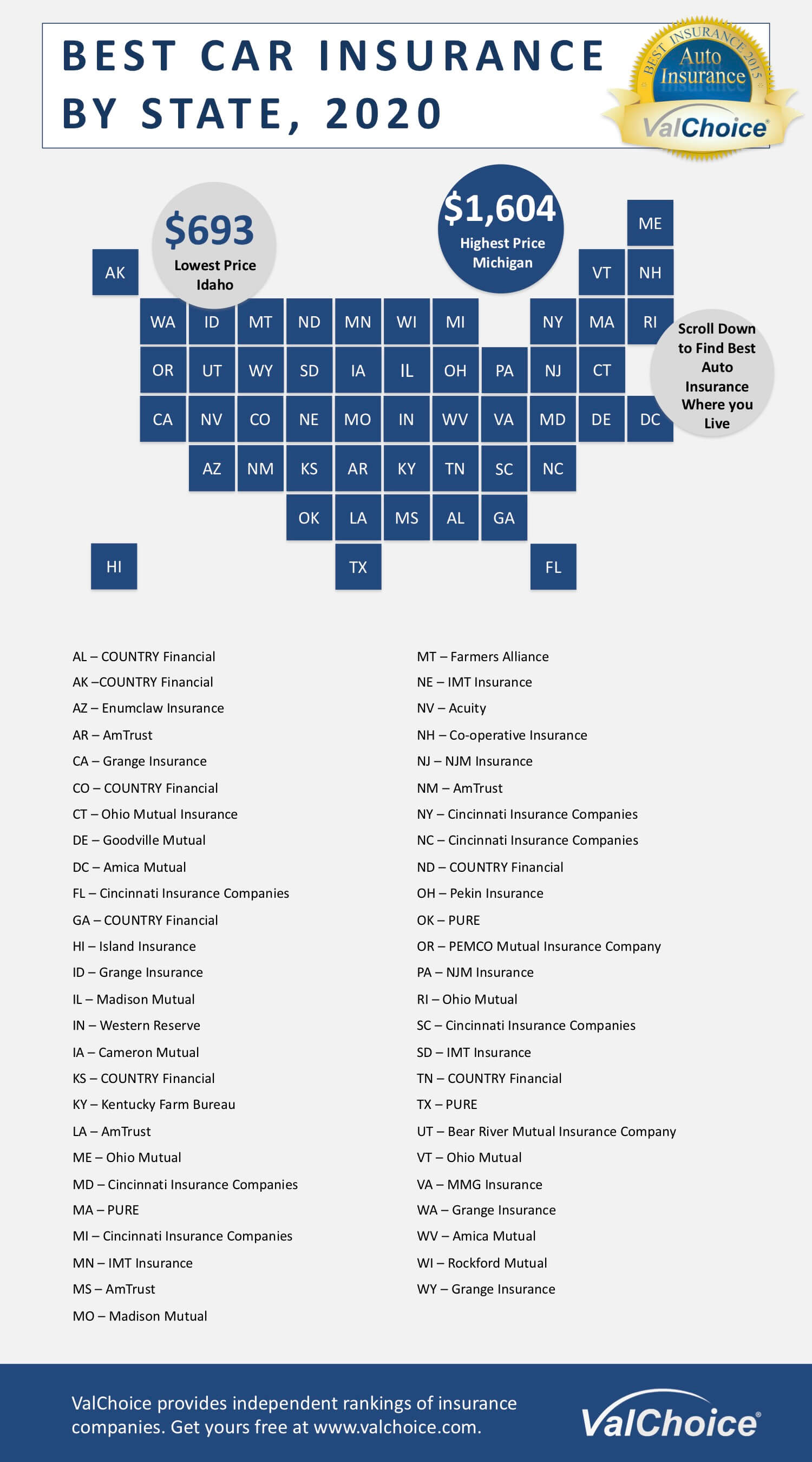
- Large National Insurers (e.g., GEICO, Progressive, State Farm, Allstate): These companies benefit from economies of scale, extensive marketing budgets, and vast pools of data. They often offer a wide range of discounts and have robust online platforms for quoting and policy management. GEICO and Progressive, in particular, are frequently aggressive on pricing, especially for drivers with clean records. State Farm and Allstate, while often having competitive prices, tend to emphasize agent-based service and may bundle more effectively.
- Regional or Smaller Insurers: Local or state-specific insurers can sometimes offer highly competitive rates, especially if they specialize in a particular demographic or geographic area. Their localized knowledge and lower overhead might allow them to undercut national players. It’s always worth checking with these providers in your area.
Direct Insurers vs. Agent-Based Models
- Direct Insurers (e.g., GEICO, Progressive, Esurance, Lemonade Car): These companies primarily operate online or over the phone, cutting out the middleman (the agent). This can translate into lower operating costs, which they may pass on to customers in the form of lower premiums. They are often ideal for consumers comfortable managing their policies digitally and who prioritize price.
- Agent-Based Models (e.g., State Farm, Allstate, Farmers): These insurers rely on networks of local agents who provide personalized service, advice, and assistance with claims. While their premiums might sometimes be slightly higher to account for agent commissions, the value proposition includes tailored guidance, especially for more complex insurance needs or those who prefer face-to-face interaction. Independent agents, as mentioned, can also shop multiple carriers for you.
Emerging Trends: Usage-Based Insurance
Technological advancements have given rise to usage-based insurance (UBI) or telematics programs. Companies like Progressive (Snapshot), Allstate (Drivewise), and State Farm (Drive Safe & Save) offer devices or apps that monitor your driving habits. Safe drivers who opt into these programs can often achieve significant discounts (sometimes 10-30% or more). This trend is particularly beneficial for low-mileage drivers or those with demonstrably safe driving behaviors, shifting the focus from general risk pools to individual driving performance.
The Continuous Journey to Savings: Regular Rate Review
Car insurance isn’t a “set it and forget it” financial product. Your circumstances change, the market shifts, and insurers adjust their pricing models. To truly maintain the “best” prices, a continuous monitoring and re-evaluation process is essential.
When to Re-evaluate Your Policy
Making a habit of reviewing your car insurance policy periodically can unlock consistent savings.
- Annually (at renewal): This is the prime time. Don’t simply accept your renewal offer without checking other options. Your current insurer might increase your rates, or competitors might have become more competitive.
- After Major Life Changes: Significant life events often impact your insurance needs and rates. These include getting married, moving to a new address, buying a new car, adding or removing a driver from your policy, or improving your credit score.
- After Incidents: If you’ve had an accident or received a traffic ticket, your rates will likely increase. This is a critical time to shop around, as some insurers might be more forgiving than others, or the impact on your rates might differ between companies.
- When Your Vehicle Ages: As your car depreciates, the value of comprehensive and collision coverage might diminish relative to its cost. Reviewing these coverages for older vehicles can lead to savings.
The Impact of Life Changes on Your Premiums
- Marriage: Married individuals often receive lower rates, as statistics suggest they are less risky drivers.
- Moving: A change of address, even a short distance, can significantly alter your premium due to varying local accident rates, theft statistics, and population density.
- New Car Purchase: Always get insurance quotes before you buy a new car to understand its impact on your budget. The type of car can drastically change your premium.
- Improved Credit Score: If your credit score has significantly improved, it’s worth revisiting quotes, as it might now qualify you for better rates.
Negotiation Tactics with Your Current Insurer
While comparison shopping is key, don’t underestimate the power of negotiation with your current provider.
- Use Competing Quotes as Leverage: If you receive a lower quote from another reputable insurer for identical coverage, call your current provider. Politely inform them of the competing offer and ask if they can match or beat it. Many insurers would rather retain a customer by adjusting the premium than lose them entirely.
- Ask for a Policy Review: Request a review of your policy to ensure you’re not missing any eligible discounts. An agent can often identify savings opportunities you weren’t aware of.
- Inquire About Loyalty Discounts: If you’ve been a long-term customer with a good payment and claims history, ask if there are any loyalty discounts available.
Beyond Price: Value and Customer Service Considerations
While the focus here is undoubtedly on price, it’s crucial for any financially savvy individual to remember that the cheapest option isn’t always the “best” value. Car insurance is a financial safety net, and its true value often becomes apparent during a claim. Skimping on coverage or choosing a rock-bottom insurer with a poor reputation can lead to significant financial headaches and stress down the line.
Balancing Cost with Coverage Quality
The lowest premium means little if the coverage is inadequate. Ensure your policy provides sufficient liability limits to protect your assets in the event of a serious accident, and that collision and comprehensive coverage are appropriate for your vehicle’s value. Consider the trade-off between a slightly higher premium and the peace of mind that comes with robust coverage. An insurer might offer lower rates but have higher deductibles or more exclusions, which could cost you more in the long run.
The Importance of a Smooth Claims Process
A smooth, efficient, and fair claims process is paramount. When an accident or incident occurs, you want your insurer to be responsive and supportive, not evasive or difficult. A company with excellent customer service and a reputation for fair claims handling, even if slightly pricier, can save you immense stress and potential financial loss during a vulnerable time.
Reading Reviews and Understanding Reputation
Before committing to an insurer based solely on price, take the time to research their reputation.
- Customer Reviews: Look for reviews on independent consumer sites, Better Business Bureau, and app stores. Pay attention to comments regarding claims handling, customer service, and policy transparency.
- Financial Strength Ratings: Reputable agencies like A.M. Best, Standard & Poor’s, and Moody’s rate the financial stability of insurance companies. A high rating indicates the insurer has the financial capacity to pay out claims, even during widespread events.
- Complaint Ratios: Many state insurance departments publish complaint data, which can reveal how an insurer compares to its peers in terms of customer satisfaction and claim disputes.
In conclusion, the quest for “who has the best car insurance prices” is not about finding a universal answer, but rather about mastering a personalized financial strategy. By diligently comparing options, leveraging every available discount, optimizing your coverage, and regularly reviewing your policy, you can consistently secure the most competitive rates that align with your financial goals and risk tolerance. Remember, true financial wisdom in insurance lies in balancing cost with comprehensive protection and reliable service, ensuring you’re not just getting a cheap policy, but a valuable safety net.
aViewFromTheCave is a participant in the Amazon Services LLC Associates Program, an affiliate advertising program designed to provide a means for sites to earn advertising fees by advertising and linking to Amazon.com. Amazon, the Amazon logo, AmazonSupply, and the AmazonSupply logo are trademarks of Amazon.com, Inc. or its affiliates. As an Amazon Associate we earn affiliate commissions from qualifying purchases.