
In the complex landscape of personal finance, the quest for the “cheapest” insurance policy is a common and understandable goal. Everyone wants to protect their assets, health, and loved ones without breaking the bank. However, the term “cheapest” in the context of insurance is rarely as straightforward as a simple price tag. It’s a nuanced discussion that balances premium costs with the adequacy of coverage, the reliability of the provider, and the specific needs of the individual. True financial prudence dictates that we seek the best value – the most robust protection at the most competitive price – rather than merely the lowest possible premium, which often leaves critical gaps in coverage.
This article delves into the strategies for identifying genuinely affordable insurance, exploring the factors that influence costs across various policy types, and offering actionable advice to ensure you’re adequately protected without overspending. We’ll navigate the complexities of comparison, highlight potential savings, and underscore the importance of understanding what you’re actually paying for.
Understanding “Cheapest”: Value Beyond the Premium
The immediate temptation when shopping for insurance is to sort by price and pick the lowest number. However, this approach can lead to significant financial peril in the event of a claim. The “cheapest” policy might offer minimal coverage, high deductibles, or numerous exclusions that render it ineffective when you need it most.
The True Cost of Underinsurance
Opting for the absolute lowest premium often means sacrificing essential coverage. For example, a rock-bottom auto insurance policy might only meet state minimum liability requirements, leaving you personally responsible for thousands in damages if you cause a serious accident. Similarly, a health insurance plan with an incredibly low monthly premium might have an astronomical deductible, effectively making routine care and unexpected emergencies unaffordable until you meet your out-of-pocket maximums.
Underinsurance can have devastating consequences, turning a covered event into a personal financial catastrophe. The true cost isn’t just the premium; it’s the potential out-of-pocket expenses, the stress, and the long-term financial setback that an inadequate policy fails to mitigate. Therefore, “cheapest” should always be interpreted as “most cost-effective for adequate protection.”
Decoding Policy Components: Deductibles, Limits, and Exclusions
To truly compare insurance policies, you must understand their core components:
- Deductible: The amount you pay out-of-pocket before your insurance coverage begins. A higher deductible generally means a lower premium, but requires you to have more liquid cash available for a claim.
- Coverage Limits: The maximum amount your insurer will pay for a covered loss. Ensure these limits are sufficient to protect your assets and liabilities.
- Exclusions: Specific events or circumstances not covered by your policy. Reading these carefully can prevent unwelcome surprises during a claim.
A policy with a lower premium but a sky-high deductible or numerous exclusions might not be cheap at all if it doesn’t cover the risks you’re most concerned about. Conversely, a slightly higher premium for comprehensive coverage can offer significant peace of mind and financial security.
Strategies for Finding Truly Affordable Insurance
While the goal isn’t just the lowest premium, there are numerous legitimate strategies to reduce your insurance costs without compromising essential coverage. Smart shopping, bundling, and proactive risk management can lead to substantial savings.
The Power of Comparison Shopping
This is perhaps the most impactful step in finding affordable insurance. Insurance premiums can vary widely between providers for the exact same level of coverage, sometimes by hundreds or even thousands of dollars annually.
- Online Aggregators: Websites that allow you to compare quotes from multiple insurers simultaneously. These are excellent starting points for a broad overview.
- Independent Agents/Brokers: These professionals work with multiple insurance companies and can often find tailored policies and discounts that you might miss on your own. They can also help explain complex policy details.
- Direct Quotes: Visiting the websites of individual insurance companies or calling them directly can sometimes yield unique offers not available through aggregators.
It’s recommended to get at least three to five quotes for any type of insurance to ensure you’re getting a competitive price.
Bundling and Multi-Policy Discounts
Many insurance companies offer significant discounts when you purchase multiple policies from them. The most common bundle is homeowners/renters and auto insurance. Some insurers also offer discounts for bundling life insurance, umbrella policies, or even pet insurance. These multi-policy discounts can often save you 10-25% on your total premiums, making them a cornerstone of affordable insurance strategy.
Leveraging Discounts and Enhancing Insurability
Beyond bundling, a myriad of other discounts exist, many of which depend on your personal profile and habits:
- Safe Driver Discounts: For those with clean driving records, accident-free history, or completion of defensive driving courses.
- Good Student Discounts: For young drivers maintaining a certain GPA.
- Home Security Discounts: For homes equipped with alarm systems, smoke detectors, deadbolts, or reinforced roofs.
- Non-Smoker Discounts: Particularly prevalent in life and health insurance.
- Loyalty Discounts: For long-term policyholders.
- Professional Affiliation Discounts: Some employers, unions, or professional organizations have arrangements with insurers.
- Paying Annually: Many insurers offer a discount for paying your premium in one lump sum rather than monthly installments.
- Improving Credit Score: In many states, a higher credit-based insurance score (which correlates with your credit score) can lead to lower premiums, as it’s statistically linked to a lower likelihood of filing claims.
Proactively managing your risk factors, such as maintaining a good credit score, keeping a clean driving record, and installing home security features, can significantly lower your long-term insurance costs.
Cost Drivers Across Key Insurance Types
The factors that influence insurance premiums vary by policy type. Understanding these specifics allows you to target areas for potential savings more effectively.
Auto Insurance
- Driver Profile: Age, gender (in some states), driving history, claims history, and credit score.
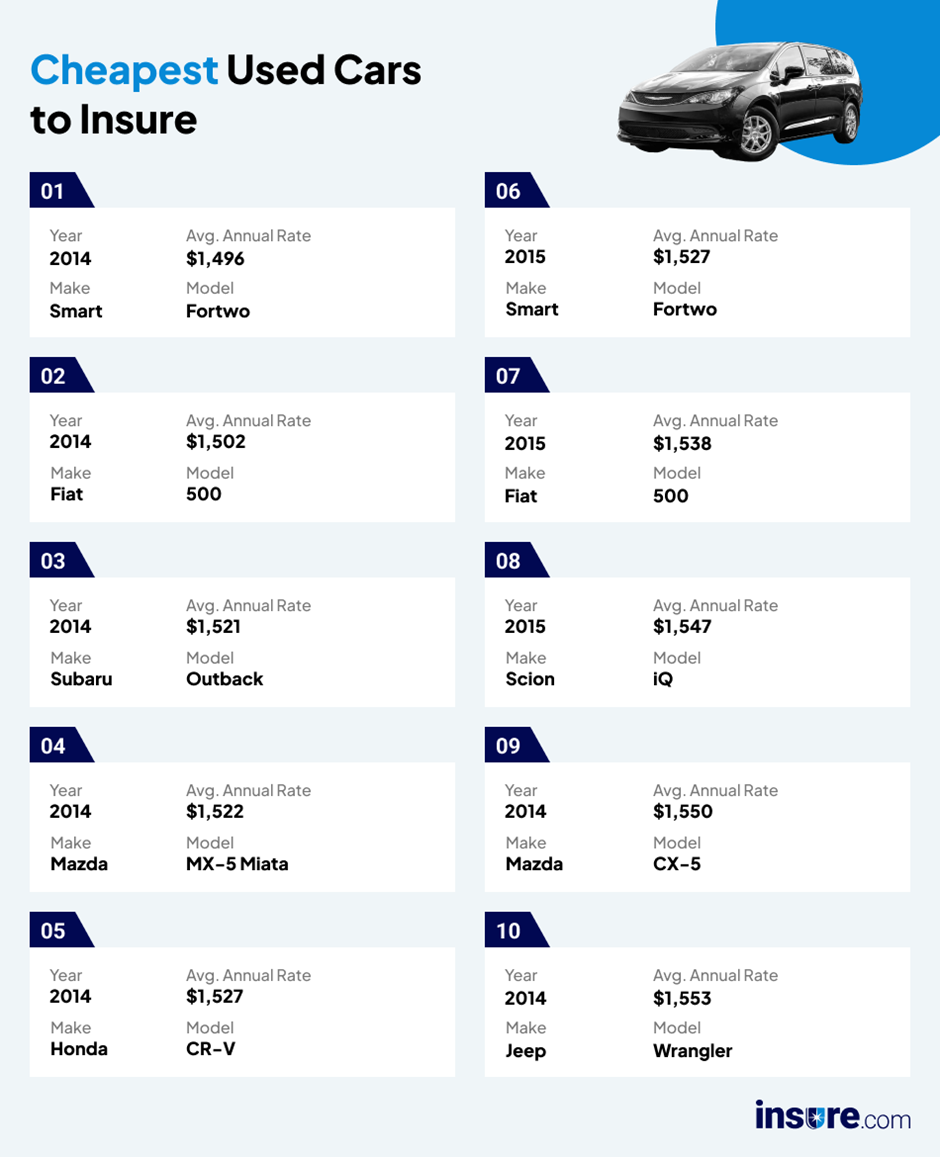
- Vehicle Type: Make, model, year, safety features, and likelihood of theft. Sports cars often cost more to insure than sedans or minivans.
- Location: Urban areas with higher traffic density and theft rates typically have higher premiums.
- Coverage Levels: Higher liability limits, lower deductibles, and comprehensive/collision coverage increase costs.
- Usage: How much you drive annually (miles driven) can influence premiums.
Tips for saving: Maintain a clean driving record, choose a safer and less expensive car, increase your deductible, bundle policies, and explore usage-based insurance programs.
Homeowners/Renters Insurance
- Property Value & Location: The cost to rebuild your home and its geographic location (e.g., proximity to fire hydrants, crime rates, natural disaster zones) are key.
- Home Characteristics: Age of home, construction type, roof condition, and presence of security features.
- Claims History: Past claims, both yours and potentially previous owners’, can impact premiums.
- Deductible: As with auto insurance, a higher deductible lowers your premium.
Tips for saving: Increase your deductible, improve home security, make your home more resistant to natural disasters (e.g., storm shutters), bundle with auto insurance, and review your policy annually to adjust coverage as your home’s value or contents change.
Health Insurance
- Plan Type: HMOs (Health Maintenance Organizations) are generally less expensive than PPOs (Preferred Provider Organizations) due to stricter network limitations. High-deductible health plans (HDHPs) typically have lower monthly premiums.
- Age: Premiums generally increase with age.
- Location: Healthcare costs and competition vary by region.
- Smoking Status: Smokers often pay higher premiums.
- Coverage Level: Plans with lower deductibles and more comprehensive benefits have higher premiums.
Tips for saving: Choose an HDHP if you are generally healthy and can afford the deductible, utilize employer-sponsored plans if available, consider an HMO for lower costs if you’re comfortable with network restrictions, and contribute to an HSA (Health Savings Account) to save for medical expenses tax-free.
Life Insurance
- Type of Policy: Term life insurance (covers a specific period) is significantly cheaper than whole life insurance (provides lifelong coverage and builds cash value). For most people, term life offers the best value.
- Age: The younger and healthier you are when you buy, the cheaper it will be.
- Health & Lifestyle: Medical history, current health status, smoking, weight, and participation in risky hobbies all influence premiums.
- Coverage Amount & Term Length: More coverage and longer terms lead to higher premiums.
Tips for saving: Buy term life insurance when you are young and healthy, choose a term length that covers your primary financial responsibilities (e.g., until your mortgage is paid off or children are independent), and prioritize a healthy lifestyle.
The Role of Financial Planning in Insurance Decisions
Insurance is a cornerstone of a sound financial plan. It protects your accumulated wealth and future earning potential from unforeseen events. Making informed insurance decisions requires a clear understanding of your personal financial situation and risk tolerance.
Assessing Your Individual Risks and Needs
Before shopping for any insurance, take stock of what you need to protect:
- Assets: Your home, car, savings, investments, and other valuables.
- Liabilities: Mortgages, car loans, personal loans, and potential legal judgments.
- Income: Your ability to earn a living is your most valuable asset.
- Dependents: Those who rely on your income and support.
A young single professional without dependents will have very different insurance needs than a homeowner with a family. Regularly reassess these needs as your life circumstances change – marriage, children, a new home, career changes, or retirement all warrant a review of your insurance portfolio.
Budgeting for Insurance Premiums
Integrate insurance premiums into your overall budget. While you’re seeking affordability, ensure that the cost of adequate coverage is a planned expenditure, not an afterthought. Consider your emergency fund; a robust emergency fund might allow you to opt for higher deductibles, thereby lowering premiums. Financial tools and budgeting apps can help you track these expenses and compare them against the value they provide.
Regular Review and Adjustment
Insurance needs are not static. Life events, changes in the market, or new offerings from insurers mean your “cheapest” or best-value policy today might not be tomorrow. Make it a habit to review your policies annually or whenever significant life changes occur. This proactive approach ensures you always have the right coverage at the most competitive price, adapting your financial protection to your evolving life.
Conclusion
The question “what insurance is the cheapest?” is best reframed as “what insurance offers the best value for my specific needs?” True affordability in insurance is a delicate balance of competitive premiums, comprehensive coverage, and excellent service. By diligently comparing quotes, leveraging available discounts, understanding the nuances of different policy types, and regularly assessing your personal risks, you can build a robust insurance portfolio that provides peace of mind without creating financial strain. Remember, the goal is not merely to save money on premiums today, but to safeguard your financial future effectively against the uncertainties of tomorrow. Consult with a trusted independent financial advisor or insurance professional to help tailor a plan that perfectly aligns with your financial goals and risk profile.
aViewFromTheCave is a participant in the Amazon Services LLC Associates Program, an affiliate advertising program designed to provide a means for sites to earn advertising fees by advertising and linking to Amazon.com. Amazon, the Amazon logo, AmazonSupply, and the AmazonSupply logo are trademarks of Amazon.com, Inc. or its affiliates. As an Amazon Associate we earn affiliate commissions from qualifying purchases.