
In the complex landscape of personal finance, managing recurring expenses is a critical component of achieving financial stability and growth. Among these, car insurance stands out as a significant, often mandatory, expenditure that many consumers approach with a sense of resignation. However, viewing car insurance purely as an unavoidable cost is a missed opportunity. Instead, it should be seen as a financial product that, when strategically compared and chosen, can yield substantial annual savings and provide optimal financial protection. This guide will delve into the intricacies of comparing car insurance, equipping you with the knowledge and tools to make informed decisions that benefit your bottom line.
The Financial Imperative: Why Comparing Car Insurance Matters
The notion that all car insurance policies are essentially the same is a costly misconception. The market is dynamic, with providers constantly adjusting their pricing models, discount offerings, and coverage options. Failing to regularly compare policies can result in paying significantly more than necessary for equivalent or even inferior coverage. This isn’t just about saving a few dollars; it’s about optimizing a substantial recurring expense within your personal budget.
Beyond Annual Premiums: The True Cost of Coverage
While the annual or monthly premium is the most visible cost, the true financial impact of an insurance policy extends far beyond this figure. Consider the deductible—the amount you must pay out-of-pocket before your insurance kicks in. A lower premium often comes with a higher deductible, meaning you might save a small amount monthly but face a much larger bill in the event of an accident. Conversely, a higher premium might offer a lower deductible, providing greater financial security during a claim. Understanding this balance is crucial for assessing the real cost versus the potential financial risk. Furthermore, policies can have varying limits on payouts, which directly impacts your financial exposure in a serious incident. An insufficient liability limit, for instance, could leave you personally responsible for damages exceeding your coverage, potentially jeopardizing your assets.
Dynamic Pricing: How Your Profile Affects Your Wallet
Car insurance premiums are not arbitrary; they are meticulously calculated based on a vast array of risk factors, many of which change over time. Your driving record, age, marital status, credit score (in many states), geographical location, and even your occupation can influence your rates. The type of vehicle you drive—its make, model, safety features, and theft risk—also plays a significant role. As these factors evolve in your life, your risk profile changes, and consequently, the pricing structure that different insurers offer you can shift dramatically. A change in residence, a clean driving period, or an improvement in your credit score could unlock better rates that you wouldn’t discover without actively comparing. This dynamic pricing model underscores the necessity of regular comparison; yesterday’s best deal might be today’s overpriced option.
Decoding Your Policy: Key Elements and Their Financial Impact
Before you can effectively compare policies, you must understand what you’re actually comparing. Car insurance is not a monolithic product; it’s a bundle of different coverages, each serving a specific financial purpose and carrying its own cost. A clear understanding of these components is vital for ensuring you get the right financial protection without overpaying for unnecessary features.
Understanding Core Coverage Types (Liability, Collision, Comprehensive)
At the heart of most car insurance policies are three primary types of coverage, each addressing different financial risks:
- Liability Coverage: This is often the legally mandated minimum. It protects you financially if you are at fault for an accident, covering property damage and bodily injury sustained by other parties. It’s crucial for protecting your assets from potential lawsuits. Underinsuring here can have devastating financial consequences.
- Collision Coverage: This pays for damages to your own vehicle if it collides with another car or object, regardless of who is at fault. While not legally required, it’s generally essential for newer or financed vehicles, protecting your investment.
- Comprehensive Coverage: This covers non-collision incidents, such as theft, vandalism, fire, natural disasters (hail, floods), and hitting an animal. It protects your vehicle from a wide range of unforeseen events, offering another layer of financial security for your asset.
Each of these coverages comes with its own premium and often a separate deductible, impacting your overall cost and financial exposure.
Optional Add-ons: Are They Worth the Extra Expense?
Beyond the core coverages, insurers offer a myriad of optional add-ons that can enhance your protection but also increase your premium. These include:
- Uninsured/Underinsured Motorist (UM/UIM) Coverage: Protects you if you’re involved in an accident with a driver who has no insurance or insufficient insurance to cover your damages. A critical financial safeguard in an era where many drivers are uninsured.
- Medical Payments (MedPay) or Personal Injury Protection (PIP): Covers medical expenses for you and your passengers, regardless of fault. PIP can also cover lost wages and essential services. The financial value of these depends on your existing health insurance coverage.
- Roadside Assistance: Covers towing, flat tire changes, battery jump-starts, etc. Convenient, but often duplicated by credit cards or auto club memberships.
- Rental Car Reimbursement: Covers the cost of a rental car while your vehicle is being repaired after a covered claim. Useful if you rely heavily on your car for work or daily needs.
- Gap Insurance: If your car is totaled and you owe more on your loan than the car’s actual cash value, gap insurance covers the difference, preventing you from having to pay off a loan for a car you no longer possess. Essential for new cars with high loan-to-value ratios.
Evaluating these add-ons requires a careful cost-benefit analysis based on your personal financial situation, existing coverage (e.g., health insurance), and risk tolerance. Are you paying for something you already have or something you genuinely don’t need?
Deductibles and Limits: Balancing Risk and Cost
The deductible is the amount you pay out-of-pocket on a claim before your insurance company pays the rest. Choosing a higher deductible typically lowers your premium, as you’re taking on more of the initial financial risk. Conversely, a lower deductible means higher premiums but less out-of-pocket expense during a claim. Financially, it’s about striking a balance: can your emergency fund comfortably cover a higher deductible? If so, opting for one could save you hundreds annually.
Similarly, coverage limits define the maximum amount your insurer will pay for a covered loss. For liability, limits are often expressed as three numbers (e.g., 50/100/25), representing per-person bodily injury, per-accident bodily injury, and property damage limits. Setting appropriate limits is a crucial financial decision. While higher limits mean higher premiums, they offer greater protection for your personal assets in the event of a severe accident, potentially saving you from significant personal debt or even bankruptcy.
Navigating the Comparison Process: Tools and Strategies
Armed with an understanding of policy components, the next step is to actively engage in the comparison process. This involves leveraging various tools and adopting a methodical approach to ensure you gather accurate information and compare apples to apples.
Choosing Your Comparison Method: Online Platforms, Agents, and Direct Quotes
There are several avenues for obtaining car insurance quotes, each with its advantages and disadvantages:
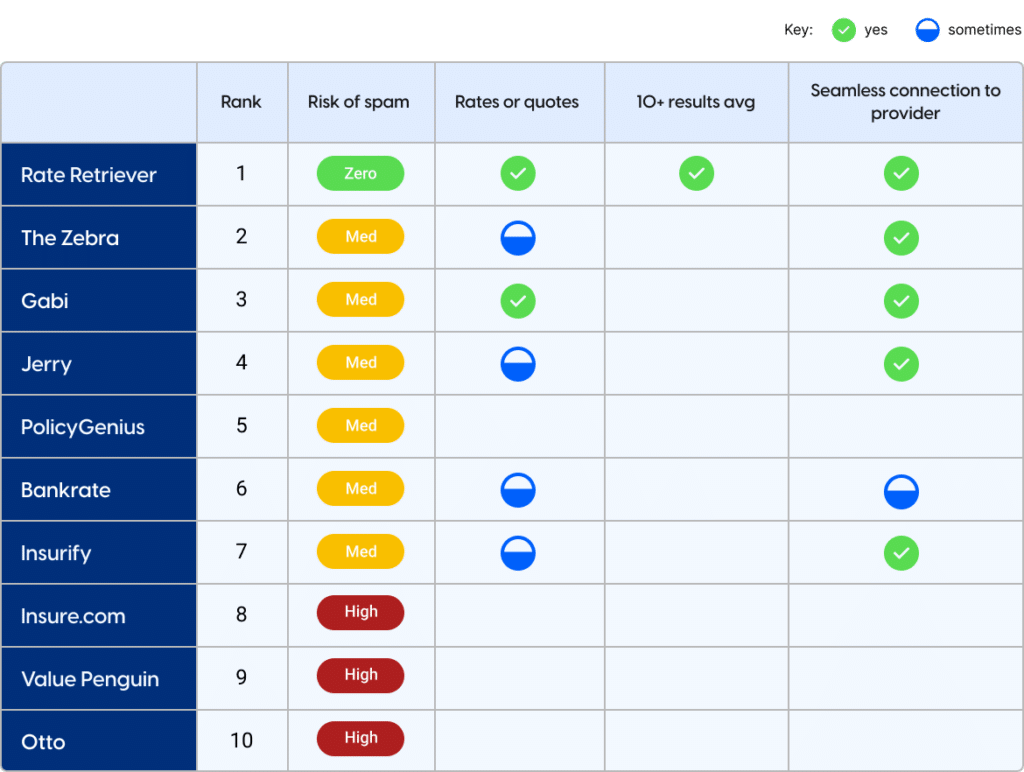
- Online Aggregators (Comparison Websites): These platforms allow you to enter your information once and receive multiple quotes from various insurers simultaneously. They are efficient and provide a broad overview of the market, making them excellent starting points for initial comparisons. However, they might not include all insurers, and sometimes the quotes are estimates, requiring direct follow-up with the insurer for exact pricing.
- Independent Insurance Agents/Brokers: These professionals work with multiple insurance companies and can shop around on your behalf. They offer personalized advice, help you understand complex policy details, and can often find discounts you might miss. Their expertise can be invaluable for navigating complex situations or finding niche coverages.
- Direct Insurers: Obtaining quotes directly from individual insurance companies (either online or by phone) is a viable option, especially if you have a specific company in mind or if they don’t participate in aggregators. While more time-consuming if you contact multiple insurers, it ensures you’re getting the most accurate quote directly from the source.
A hybrid approach, starting with aggregators for a broad market scan and then consulting an independent agent or directly contacting a few promising insurers, often yields the most comprehensive results.
Essential Information to Have Ready
To ensure a smooth and accurate quoting process, gather the following financial and personal information beforehand:
- Personal Information: Dates of birth, driver’s license numbers, marital status, and occupations for all drivers on the policy.
- Vehicle Information: Make, model, year, VIN (Vehicle Identification Number), current mileage, and primary usage (commute, pleasure, business).
- Driving History: Details of any accidents (at-fault or not), traffic violations, and claims in the past 3-5 years for all drivers.
- Current Insurance Policy: Your current coverage limits, deductibles, and policy number, which helps in comparing like-for-like.
- Financial Details: Your credit score (if applicable in your state, as it can influence rates) and any affiliation with organizations that offer discounts.
Having this information readily available will streamline the quoting process and ensure the accuracy of the prices you receive, preventing unpleasant surprises later.
Analyzing Quotes: More Than Just the Price Tag
When you receive quotes, resist the urge to simply pick the cheapest one. A thorough financial analysis requires a deeper dive:
- Compare Identical Coverage: Ensure that each quote provides the same types and limits of coverage, as well as the same deductibles. A lower premium might simply indicate less coverage or higher deductibles, which isn’t a true saving.
- Review Discounts: Scrutinize the discounts applied. Are they consistent across quotes? Are there discounts you’re eligible for but haven’t received?
- Understand Policy Terms: Look for any significant differences in policy terms, exclusions, or endorsements that could affect your financial protection.
- Consider Company Reputation: While not a direct financial cost, an insurer’s reputation for customer service and claims handling can have a significant financial impact during a real claim. A company with a poor track record might delay payouts or make the claims process difficult, leading to additional out-of-pocket expenses or stress. Check consumer reviews and financial strength ratings.
Maximizing Savings and Smart Financial Decisions
Strategic comparison isn’t just about finding the best current deal; it’s about adopting long-term financial habits that continuously optimize your insurance expenses.
Unlocking Discounts: From Bundling to Good Driver Rewards
Insurance companies offer a multitude of discounts, and proactively seeking them out can significantly reduce your premiums. Common discounts include:
- Multi-Policy/Bundling Discount: Combining your car insurance with home, renter’s, or life insurance from the same provider often results in substantial savings on both policies. This is a prime example of a smart financial strategy.
- Good Driver Discount: A clean driving record for a certain period (e.g., 3-5 years) can earn you significant reductions.
- Good Student Discount: High school or college students with good academic standing can often qualify.
- Safe Vehicle Discount: Cars with advanced safety features (e.g., anti-lock brakes, airbags, anti-theft devices) typically receive discounts.
- Low Mileage Discount: If you drive fewer miles than average, you might qualify for lower rates.
- Payment Discounts: Paying your premium in full, setting up automatic payments, or opting for paperless billing can sometimes lead to small savings.
- Affinity Discounts: Membership in certain professional organizations, alumni associations, or employers can also yield discounts.
Always ask your insurer or agent about all available discounts. Don’t assume they will automatically apply them.
Strategic Policy Adjustments: When Less Can Be More
Beyond discounts, making strategic adjustments to your policy can also lead to savings, though often with a trade-off in potential risk:
- Increasing Deductibles: As discussed, a higher deductible lowers your premium. Ensure your emergency fund can cover the chosen deductible.
- Dropping Comprehensive/Collision on Older Cars: For older vehicles whose market value is low, the cost of comprehensive and collision coverage might outweigh the potential payout after a claim, especially after factoring in the deductible. Conduct a financial calculation: if the annual premium for these coverages is, say, 10-15% of the car’s current value, it might be more financially prudent to self-insure (i.e., save that money yourself).
- Reviewing Coverage Limits: While adequate liability is crucial, ensure your other limits align with your needs. If your health insurance is robust, perhaps you can slightly reduce MedPay/PIP.
These adjustments require a careful assessment of your personal financial situation and risk tolerance.
The Long-Term View: Annual Reviews and Life Events
Car insurance comparison should not be a one-time event. Make it an annual financial habit, much like reviewing your budget or investments. Set a reminder to shop around a few weeks before your policy renewal. Furthermore, significant life events warrant an immediate policy review:
- Buying a New Car: Different cars have different risk profiles and repair costs, impacting premiums.
- Moving: A change in zip code can drastically alter your rates.
- Marriage/Divorce: Marital status impacts rates; merging policies can offer discounts.
- Adding/Removing a Driver: Adding a young driver will likely increase rates, while an experienced driver might qualify for discounts.
- Major Driving Record Changes: A clean driving period could open up new discounts, while an accident or ticket will necessitate a rate re-evaluation.
Proactive management of your insurance policies ensures you are always optimizing your financial protection at the best possible price.
Avoiding Common Financial Pitfalls in Car Insurance
Navigating the car insurance market can be fraught with potential financial missteps. Being aware of these common pitfalls can help you avoid costly mistakes and ensure your financial well-being is genuinely protected.
The Dangers of Underinsuring and Overinsuring
One of the most critical financial errors is either having too little or too much coverage.
- Underinsuring: Opting for the absolute minimum legal liability coverage might save a few dollars upfront, but it exposes you to immense financial risk. In a severe accident where you are at fault, if the damages and medical bills exceed your low liability limits, you could be personally sued for the remainder. This can lead to garnished wages, liens on your property, or even bankruptcy, significantly impacting your long-term financial health.
- Overinsuring: Conversely, paying for excessive coverage that doesn’t align with your needs or the value of your vehicle is a waste of money. For instance, maintaining comprehensive and collision on an old car with a low resale value, or carrying high MedPay limits when you have excellent health insurance, could mean you’re essentially paying for duplicate or unnecessary protection. The funds could be better allocated elsewhere in your budget or to an emergency savings account.
The goal is to find the “just right” amount of coverage that provides adequate financial protection without incurring excessive, unnecessary costs.
Scrutinizing the Fine Print: Hidden Costs and Exclusions
The true nature of your insurance policy often lies in the details—the fine print that many policyholders overlook. Ignoring these specifics can lead to unexpected financial burdens during a claim.
- Exclusions: Policies will list specific situations or types of damage that are not covered. For example, some policies might exclude coverage for intentional acts, racing, or using your personal vehicle for commercial purposes (like ridesharing) without an appropriate endorsement. Being unaware of these exclusions means you might mistakenly believe you’re covered, only to face full out-of-pocket costs when an incident occurs.
- Endorsements: These are additions or modifications to the standard policy that either add coverage or restrict it. It’s vital to understand any endorsements attached to your policy, as they can significantly alter its financial scope.
- Limits and Sub-limits: While you might have a general understanding of your coverage limits, some policies contain sub-limits for specific items (e.g., custom parts, audio equipment). If you have valuable aftermarket additions to your vehicle, ensure they are adequately covered or consider an additional endorsement.
- Policy Fees: Some insurers charge various administrative fees that can add to your total cost. Understand all fees associated with the policy, including cancellation fees.
Always take the time to read your policy document thoroughly or ask your agent to walk you through the key sections. A few minutes of review can prevent thousands in unexpected costs.
Prioritizing Value: Customer Service and Claims Efficiency
While the financial cost (premium) is a primary consideration, the quality of customer service and the efficiency of the claims process are equally, if not more, important when an actual accident occurs. A low-cost policy from an insurer with a poor reputation for handling claims can become a significant financial headache.
- Streamlined Claims Process: A smooth and transparent claims process means faster resolution, quicker repairs, and less stress. Delays in claims processing can lead to extended periods without a vehicle, potentially requiring costly rental car expenses (if not covered) or loss of income if your car is essential for work.
- Responsive Customer Support: Being able to easily communicate with your insurer, ask questions, and get timely assistance can save you time and prevent misunderstandings that could lead to financial errors.
- Financial Stability of the Insurer: Research the financial strength ratings of insurance companies. A financially stable insurer is more likely to be able to pay out claims, especially large ones, without issue. This provides an additional layer of financial security for you as a policyholder.
Ultimately, comparing car insurance is a strategic financial exercise. It’s about more than just finding the cheapest premium; it’s about securing comprehensive financial protection that aligns with your specific needs, risk tolerance, and budget. By understanding the intricacies of policies, diligently shopping around, leveraging available discounts, and regularly reviewing your coverage, you can ensure your car insurance is an asset that provides peace of mind, not a financial burden.
aViewFromTheCave is a participant in the Amazon Services LLC Associates Program, an affiliate advertising program designed to provide a means for sites to earn advertising fees by advertising and linking to Amazon.com. Amazon, the Amazon logo, AmazonSupply, and the AmazonSupply logo are trademarks of Amazon.com, Inc. or its affiliates. As an Amazon Associate we earn affiliate commissions from qualifying purchases.