
In an era defined by rapid technological advancement and the incessant demand for efficiency, installing an operating system like Windows has evolved significantly. Gone are the days when clunky optical drives and fragile DVDs were the primary medium for system deployment. Today, the ubiquitous USB flash drive reigns supreme, offering unparalleled convenience, speed, and reliability. This comprehensive guide will walk you through the entire process of installing Windows from a flash drive, ensuring a smooth transition or a fresh start for your computer. Whether you’re upgrading an aging system, performing a clean install to resolve performance issues, or setting up a brand-new PC, mastering this skill is fundamental for any tech-savvy individual.
The Modern Approach: Why Boot from a USB?
The shift from optical media to USB drives for operating system installations isn’t just a trend; it’s a practical evolution driven by several compelling advantages. Understanding these benefits sets the stage for appreciating the streamlined process we’re about to undertake.
Advantages Over Traditional Methods (CD/DVD)
The obsolescence of CD/DVD drives in modern laptops and even many desktop PCs is a clear indicator of the technological landscape’s direction. USB flash drives offer a superior alternative in almost every aspect:
- Speed: USB 3.0 and newer flash drives offer significantly faster data transfer rates compared to optical drives, drastically reducing the time it takes to copy installation files and execute the setup process. This translates to quicker installations and less waiting for you.
- Portability and Durability: Flash drives are compact, lightweight, and far more robust than delicate optical discs. They can withstand minor impacts and scratches that would render a DVD unreadable, making them ideal for carrying around and reusing multiple times.
- Wider Compatibility: As mentioned, many modern computers, especially ultrabooks and compact desktops, no longer include optical drives. A bootable USB drive ensures compatibility across a broader range of hardware, including older machines that might struggle to read scratched DVDs.
- Reusability: Once you’ve installed Windows, you can reformat the flash drive and use it for other purposes, such as data storage, or keep it as a readily available Windows installer for future needs. DVDs, once burned, are largely single-purpose.
- Ease of Creation and Updates: Creating a bootable USB is often simpler and faster than burning a DVD. Furthermore, updating the installation media with the latest Windows version is as simple as deleting the old files and adding new ones, something impossible with burned DVDs.
- Environmental Friendliness: Reduced reliance on physical discs contributes to less electronic waste, aligning with more sustainable tech practices.
Essential Preparations Before You Begin
Before embarking on the Windows installation journey, a few crucial preparatory steps are necessary. These steps safeguard your data and ensure a smoother, more successful installation process. Skipping them can lead to frustration, data loss, or prolonged troubleshooting.
- A USB Flash Drive (8GB or larger): This is your primary tool. Ensure it has at least 8GB of storage for Windows 10/11 (16GB is safer for future-proofing or if you plan to include multiple versions). Critically, this drive will be formatted during the process, so ensure there is no valuable data on it, or back it up elsewhere.
- A Windows ISO File or Microsoft’s Media Creation Tool: You need the Windows operating system files. You can either download an ISO image directly from Microsoft’s website (for specific versions or if you prefer manual methods) or use Microsoft’s official Media Creation Tool, which simplifies the process of downloading and creating a bootable USB simultaneously. We’ll cover both methods.
- A Working Computer with Internet Access: You’ll need access to another computer to download the Windows ISO file or the Media Creation Tool and to create the bootable USB drive. This computer must have an active internet connection.
- Product Key (Optional but Recommended): While you can often install Windows without immediately entering a product key, you will need one eventually to activate the operating system. Have it handy if you plan to activate immediately.
- Backup All Important Data: This is perhaps the most critical step. Installing Windows, especially a clean install, typically involves formatting the hard drive where Windows will reside. Any data on that drive will be permanently lost. Use an external hard drive, cloud storage, or another method to back up all personal documents, photos, videos, and any other irreplaceable files from the computer you intend to install Windows on. Digital security starts with data preservation.
- Check System Requirements: Ensure your computer meets the minimum hardware requirements for the version of Windows you intend to install (e.g., processor speed, RAM, storage space).
Crafting Your Bootable Windows USB Drive
With your preparations complete, the next logical step is to create the bootable USB drive that will house the Windows installation files. There are two primary methods, each with its advantages.
Method 1: Utilizing Microsoft’s Media Creation Tool (Official & User-Friendly)
For most users, Microsoft’s Media Creation Tool is the recommended and simplest way to create a bootable Windows USB drive. It automates the process of downloading the correct Windows version and preparing the USB drive. This tool is specifically designed for Windows 10 and Windows 11.
Steps:
- Download the Media Creation Tool:
- Open a web browser on your working computer and navigate to Microsoft’s official Windows download page (e.g., search for “Windows 10 download” or “Windows 11 download”).
- Locate the section for “Create Windows installation media” and click the “Download tool now” button. Save the executable file (e.g.,
MediaCreationTool22H2.exe).
- Run the Tool:
- Once downloaded, double-click the
MediaCreationTool.exefile. You may be prompted by User Account Control (UAC); click “Yes” to allow it to make changes. - Read and “Accept” the license terms.
- Once downloaded, double-click the
- Choose Your Action:
- On the “What do you want to do?” screen, select “Create installation media (USB flash drive, DVD, or ISO file) for another PC” and click “Next.”
- Select Language, Architecture, and Edition:
- By default, the tool might suggest options based on your current PC. You can uncheck “Use recommended options for this PC” if you need to choose a different language, Windows edition (e.g., Home, Pro), or architecture (32-bit or 64-bit). For most modern systems, 64-bit is the standard. Click “Next.”
- Choose Media Type:
- Select “USB flash drive” as your media type and click “Next.”
- Select Your USB Drive:
- The tool will display a list of connected USB drives. Carefully select the correct flash drive you prepared earlier. Double-check to ensure you’re not selecting an external hard drive or another valuable storage device, as all data on the selected drive will be erased. Click “Next.”
- Download and Create:
- The tool will now begin downloading the Windows files and then create the bootable USB drive. This process can take a significant amount of time depending on your internet speed and the speed of your USB drive. Do not disconnect the USB drive or shut down your computer during this stage.
- Finish:
- Once the process is complete, you’ll see a message indicating that your “USB flash drive is ready.” Click “Finish.” Your bootable Windows USB drive is now ready for use.
Method 2: Advanced Bootable USB Creation with Rufus (For ISO Files)
If you prefer to download the Windows ISO file separately, or if you need more control over the bootable USB creation process (e.g., for specific BIOS/UEFI modes), Rufus is an excellent, free, and open-source utility. This method is particularly useful if you already have a Windows ISO file from a different source or need to troubleshoot specific boot issues.
Steps:
- Download Windows ISO File:
- If you don’t already have it, download the Windows ISO file from Microsoft’s official website. Search for “Windows 10 ISO download” or “Windows 11 ISO download” and follow the prompts to select your edition and language.
- Download Rufus:
- Go to the official Rufus website (
rufus.ie). - Download the latest portable version of Rufus (no installation required).
- Go to the official Rufus website (
- Insert Your USB Drive:
- Plug your prepared USB flash drive (8GB or larger) into your working computer.
- Run Rufus:
- Double-click the downloaded Rufus executable. You might be prompted for UAC permission.
- Configure Rufus Settings:
- Device: From the “Device” dropdown, select your USB flash drive. Again, double-check to ensure you select the correct drive.
- Boot selection: Click the “SELECT” button and browse to the location where you saved your Windows ISO file. Select it and click “Open.”
- Image Option: Leave as “Standard Windows installation.”
- Partition scheme and Target system: This is where Rufus offers more control.
- GPT for UEFI: For most modern computers (manufactured after 2010) that use UEFI firmware, select “GPT” for the Partition scheme and “UEFI (non CSM)” for the Target system. This is the recommended setting for clean installs on newer machines.
- MBR for BIOS (or UEFI-CSM): For older computers (pre-2010) that use traditional BIOS, or for systems where you specifically need Legacy BIOS boot, select “MBR” for the Partition scheme and “BIOS (or UEFI-CSM)” for the Target system. If you’re unsure, “GPT” is usually the safer bet for newer hardware.
- Volume label: You can leave this as the default or change it to something descriptive like “Windows 11 Installer.”
- File system: Leave as default (usually NTFS for Windows installation media).
- Cluster size: Leave as default.
- Start Creation:
- Click the “START” button.
- You will receive a warning that “ALL DATA ON DEVICE WILL BE DESTROYED.” Confirm this by clicking “OK” after you’ve ensured your USB drive contains no important data.
- Wait for Completion:
- Rufus will now create the bootable USB drive. This process involves formatting the drive, copying the ISO contents, and making it bootable. It can take several minutes.
- Close Rufus:
- Once the status bar shows “READY” and is green, you can close Rufus. Your bootable Windows USB drive is now complete.
Preparing Your PC for a Seamless Windows Installation
Before you plug in your freshly created bootable USB and hit the power button, there are a couple of crucial steps to prepare the target computer itself. These steps are vital for both data security and a successful boot.
Crucial Data Backup and System Checks
As reiterated earlier, backing up your data is non-negotiable. If you are performing a clean installation (which is highly recommended for optimal performance), your primary drive will be formatted. Ensure every important file, document, photo, and video is safely stored on an external drive, cloud service, or another computer. This is your digital security net.
Beyond data backup, it’s a good practice to:
- Disconnect Non-Essential Peripherals: Unplug any unnecessary USB devices, external hard drives, printers, or other peripherals that might interfere with the boot process or be misidentified during installation. Keep only the keyboard, mouse, and monitor connected.
- Note Down Important Drivers: If you have an older or niche hardware component, it might be wise to note its model number and perhaps even download its drivers to another USB stick (or your backup drive) in case Windows doesn’t automatically detect it post-installation. This is less common with modern Windows versions but can save a headache.
- Record Your Windows Product Key: If you have a physical product key or one linked to your account, having it readily available can expedite the setup process.
Navigating BIOS/UEFI Settings for Boot Priority
Your computer’s BIOS (Basic Input/Output System) or its modern successor, UEFI (Unified Extensible Firmware Interface), is the firmware that initializes hardware components and launches the operating system. To install Windows from a USB drive, you need to instruct your computer to boot from the USB drive before attempting to load the existing operating system from the hard drive.
Steps to Access and Configure BIOS/UEFI:
- Restart Your Computer: With your bootable USB drive plugged into an available USB port, restart the computer you want to install Windows on. Use a USB 2.0 port if you encounter issues with USB 3.0 during boot, though this is rare now.
- Enter BIOS/UEFI Setup: As the computer starts up, you need to press a specific key repeatedly to enter the BIOS/UEFI setup utility. This key varies by manufacturer but is commonly one of the following:
- Del (Delete)
- F2
- F10
- F12
- Esc
- Some manufacturers might display a quick message like “Press F2 to enter Setup” on the screen. If you miss it, restart and try again.
- Locate Boot Options: Once in the BIOS/UEFI menu, navigate to the “Boot,” “Boot Options,” “Boot Order,” or “Startup” section. Use your keyboard arrow keys to move around, as mouse support is often limited or absent.
- Set USB as First Boot Device:
- Find your USB drive listed (it might be identified by its brand, model, or simply as “USB HDD,” “Removable Device,” or “UEFI USB Device”).
- Move it to the top of the boot order list. The specific keys for doing this (e.g., F5/F6, +/-) will usually be indicated in the BIOS/UEFI interface.
- Important Note for UEFI: If your system uses UEFI, you might see two entries for your USB drive: one starting with “UEFI” and another without. For modern Windows installations on modern hardware, selecting the “UEFI” option is usually preferred for compatibility with features like Secure Boot.
- Save and Exit: Once the boot order is configured correctly, navigate to the “Exit” tab or option. Select “Save Changes and Exit” or “Exit Saving Changes.” Confirm your choice when prompted.
The computer will then restart, attempting to boot from your USB drive.
Step-by-Step: The Windows Installation Process
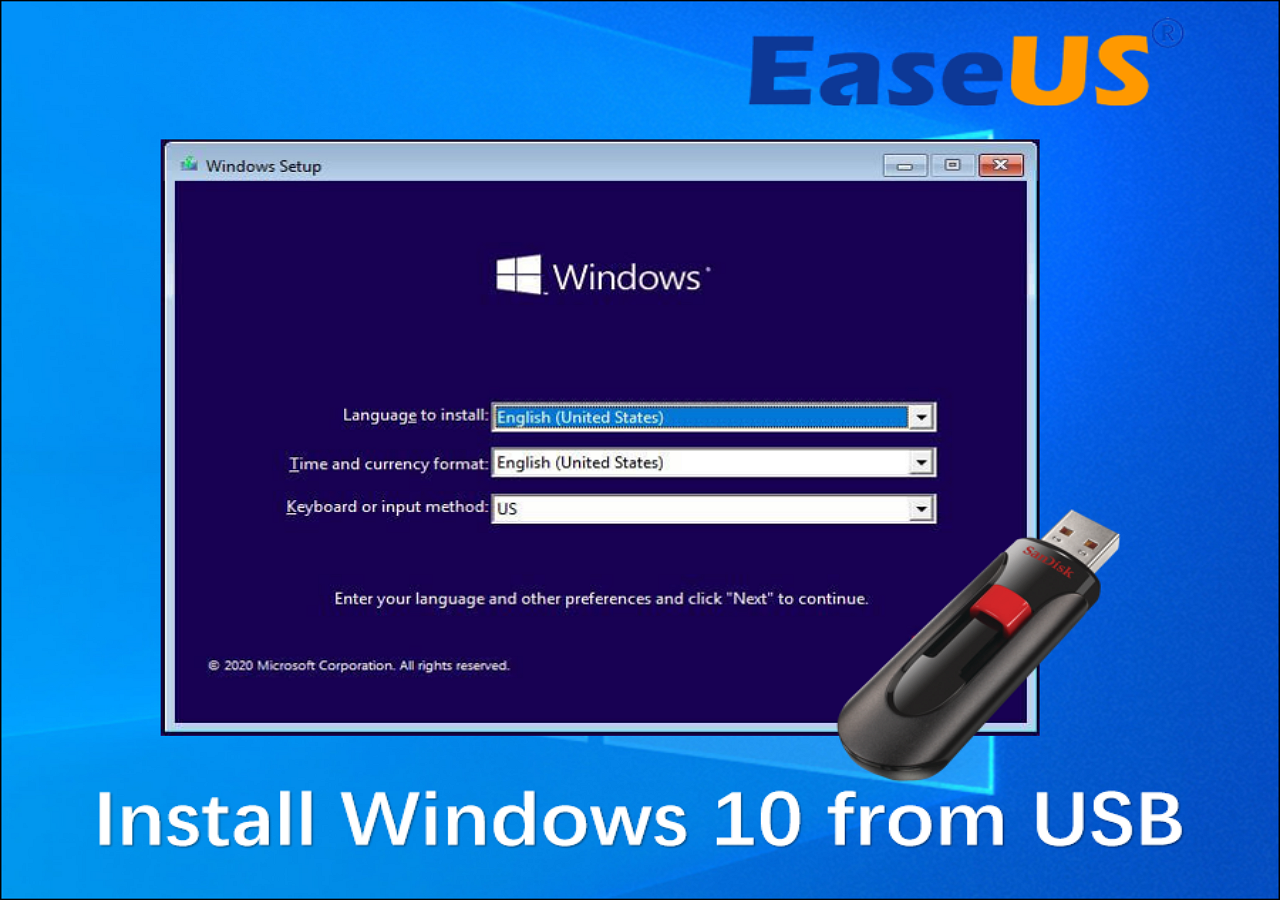
Once your computer successfully boots from the USB drive, you’ll be guided through the Windows Setup Wizard. This interactive process will handle everything from language selection to disk partitioning.
Initiating the Setup: Booting from Your USB Drive
After saving your BIOS/UEFI settings, your computer will restart. Instead of loading your old operating system, it should now display a message like “Press any key to boot from USB…” or directly load the Windows installation environment. If you see the “Press any key…” prompt, do so quickly. If it boots back into your old OS, you’ll need to re-enter BIOS/UEFI and verify the boot order.
Once successful, you’ll see the Windows logo, followed by the initial setup screen.
The Windows Setup Wizard: Configuration and Partitioning
The setup wizard is intuitive, but certain steps require careful consideration, particularly disk partitioning.
- Language, Time, and Keyboard:
- The first screen asks you to select your preferred language, time and currency format, and keyboard or input method. Make your selections and click “Next.”
- Install Now:
- Click “Install now” to proceed.
- Product Key:
- You’ll be prompted to enter your Windows product key. If you have it, enter it now. If you don’t, or plan to activate later, click “I don’t have a product key.” Windows will install but require activation later. If you select this option, you’ll then need to choose which edition of Windows (e.g., Home, Pro) you want to install. Ensure it matches your product key if you plan to activate.
- License Terms:
- Read the Microsoft Software License Terms, check the “I accept the license terms” box, and click “Next.”
- Installation Type (Upgrade vs. Custom):
- Which type of installation do you want?
- Upgrade: Install Windows and keep files, settings, and applications: This option is only available if you’re running an existing, compatible version of Windows and want to upgrade it while preserving your data and applications. It’s generally not recommended for resolving major system issues, as it carries over potential problems.
- Custom: Install Windows only (advanced): This is the option you want for a clean installation. It allows you to manage disk partitions and install Windows onto a fresh slate. Choose this for virtually all USB installations.
- Which type of installation do you want?
- Disk Partitioning: Creating, Deleting, Formatting:
- This is arguably the most critical step, as incorrect choices can lead to data loss. The “Where do you want to install Windows?” screen shows all detected storage drives and their partitions.
- For a clean install on a new drive: You’ll likely see “Drive 0 Unallocated Space.” Select it and click “New” to create a new partition. Windows will typically create several small system partitions automatically (e.g., Recovery, EFI System, MSR) and a primary partition for Windows.
- For a clean install on an existing drive (that you backed up):
- Identify the partition where your old Windows installation resides (e.g., “Drive 0 Partition 2: Primary”).
- Select each existing partition (including Recovery, EFI, MSR, and the main C: drive partition) and click “Delete.” Confirm the warning messages. Your goal is to return the entire drive to “Unallocated Space.”
- Once the entire drive is “Unallocated Space,” select it and click “New.” Windows will automatically create the necessary partitions.
- If you only want to reinstall Windows on the C: drive and keep other partitions (D:, E: etc.) untouched, you can select only the existing C: drive partition and click “Format” (then “Next”). However, deleting all partitions on the target drive is generally cleaner.
- After creating/formatting partitions, select the Primary partition (usually the largest one) where you want to install Windows and click “Next.”
- Windows Installation:
- Windows will now begin copying files, getting features ready, installing updates, and finishing up. Your computer will restart several times during this process. Do not remove the USB drive until after the first restart, or ideally, until you reach the desktop.
- Initial Setup: User Accounts, Privacy Settings:
- After the final restart, Windows will guide you through the Out-of-Box Experience (OOBE).
- Region and Keyboard Layout: Confirm or change your region and keyboard layout.
- Network Connection: Connect to a Wi-Fi or Ethernet network.
- Microsoft Account / Local Account:
- Windows 10/11 heavily promotes using a Microsoft account for sign-in. You can create one or sign in with an existing one.
- To create a local offline account (if desired and available for your Windows version), look for options like “Offline account,” “Sign-in options,” or “Domain join instead” during this phase. This option is sometimes hidden or requires disconnecting from the internet.
- PIN Creation: Set up a PIN for quicker sign-in.
- Privacy Settings: Review the privacy settings (location, diagnostics, advertising ID, etc.) and choose your preferences. Microsoft defaults tend to be more permissive, so adjust as you see fit to enhance your digital security.
- Cortana, OneDrive, etc.: You might be asked to set up other Microsoft services. Choose to enable or skip them based on your preference.
- Welcome to Your Desktop!
- After the final configurations, Windows will prepare your desktop, and you’ll be greeted by your brand-new operating system.
Post-Installation Essentials: Optimizing Your New Windows System
The installation itself is only half the battle. To ensure your new Windows system runs smoothly, securely, and efficiently, several post-installation steps are critical. These focus on bringing your system up to date, securing it, and equipping it with necessary tools.
Driver Installation and System Updates
- Install Device Drivers:
- While modern Windows versions often include a vast repository of generic drivers, it’s crucial to install the latest, manufacturer-specific drivers for your hardware. This ensures optimal performance and stability.
- Graphics Card Drivers: Essential for display performance, especially for gaming or graphic design. Visit the NVIDIA, AMD, or Intel website (depending on your GPU) to download the latest drivers.
- Chipset Drivers: Download these from your motherboard manufacturer’s website (e.g., Asus, MSI, Gigabyte, Dell, HP). These are vital for your motherboard’s functionality.
- Network Drivers: If you don’t have internet access post-installation, you’ll need to transfer network (Wi-Fi/Ethernet) drivers via another USB stick.
- Other Drivers: Check your Device Manager (right-click Start -> Device Manager) for any devices with yellow exclamation marks. These indicate missing or problematic drivers. You can often right-click and choose “Update driver” or search your manufacturer’s website.
- Run Windows Update:
- Connect to the internet and immediately run Windows Update. Go to
Settings > Update & Security > Windows Update(Windows 10) orSettings > Windows Update(Windows 11) and click “Check for updates.” - Allow all critical and recommended updates to download and install. This can take some time and multiple restarts. Keeping your system updated is a cornerstone of digital security and productivity, patching vulnerabilities and improving performance.
- Connect to the internet and immediately run Windows Update. Go to

Essential Software and Security Measures
- Install an Antivirus/Antimalware Program:
- While Windows Defender (Microsoft Defender Antivirus) offers solid basic protection, many users prefer third-party solutions for enhanced features and peace of mind. Install your preferred antivirus software. This is a crucial security measure against malware and other threats.
- Install Web Browsers:
- Edge is pre-installed, but you’ll likely want to install your preferred browser like Chrome, Firefox, or Brave.
- Install Essential Applications:
- Reinstall all the software you regularly use:
- Productivity Suites: Microsoft Office, LibreOffice, Google Workspace apps.
- Communication Tools: Zoom, Discord, Slack.
- Media Players: VLC Media Player.
- Utilities: Compression software (7-Zip, WinRAR), cloud storage clients (Dropbox, Google Drive).
- Consider using a package manager like Ninite (
ninite.com) to install multiple popular applications simultaneously, saving time and ensuring clean installations.
- Reinstall all the software you regularly use:
- Configure Backup Solutions:
- Now that your system is fresh, set up a regular backup strategy for your new installation and data. Use Windows Backup, File History, or a third-party backup solution. Consistent backups are the ultimate safeguard against data loss and critical for long-term productivity and peace of mind.
- Personalize Your System:
- Adjust your desktop background, theme, sound settings, and other preferences to make your new Windows environment feel like home. This helps improve your overall user experience and productivity.
By following these post-installation steps, you transform a bare-bones Windows installation into a fully functional, secure, and personalized computing environment ready for all your tasks.
Installing Windows from a flash drive is a fundamental skill in today’s tech landscape. It offers a fast, reliable, and convenient method for deploying a fresh operating system or upgrading an existing one. By meticulously following the steps outlined in this guide—from careful preparation and creating the bootable media to navigating the installation wizard and performing crucial post-setup tasks—you can ensure a seamless and optimized experience. Embrace this modern approach to system management, empowering yourself with the ability to maintain and enhance your digital productivity and security.
aViewFromTheCave is a participant in the Amazon Services LLC Associates Program, an affiliate advertising program designed to provide a means for sites to earn advertising fees by advertising and linking to Amazon.com. Amazon, the Amazon logo, AmazonSupply, and the AmazonSupply logo are trademarks of Amazon.com, Inc. or its affiliates. As an Amazon Associate we earn affiliate commissions from qualifying purchases.