
The quest for affordable car insurance is a universal challenge for drivers across the globe. As a significant and often mandatory financial outlay, car insurance premiums can weigh heavily on a household budget. While the allure of “cheap” car insurance might conjure images of bare-bones policies, the savvy consumer understands that true value lies in securing comprehensive coverage at the most competitive price without compromising essential protection. This isn’t about cutting corners; it’s about intelligent financial planning and strategic decision-making to minimize a recurring expense. Navigating the complex world of insurance rates, discounts, and policy options can seem daunting, but armed with the right knowledge and a methodical approach, achieving substantial savings is well within reach. This article delves into actionable strategies and insights to help you secure genuinely affordable car insurance, ensuring you get the best bang for your buck while staying adequately protected on the road.
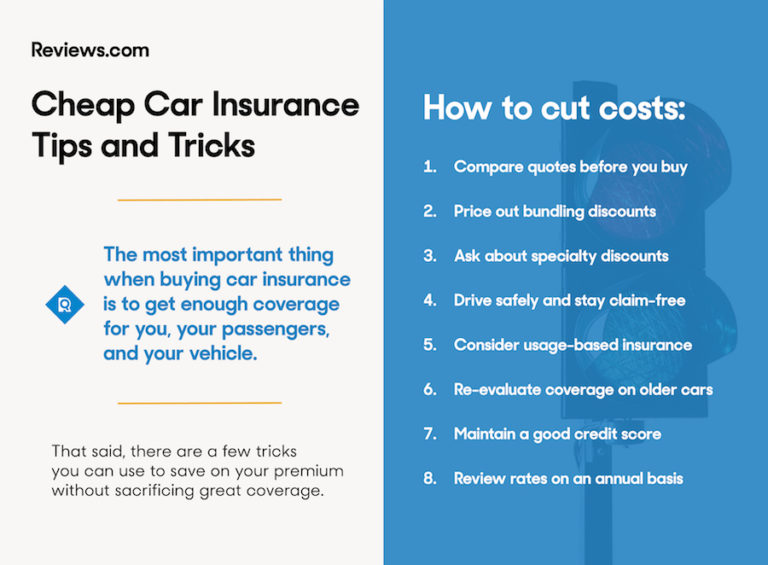
Decoding the Drivers of Car Insurance Costs
Before embarking on the journey to reduce your premiums, it’s crucial to understand what factors insurance providers consider when calculating your rate. These elements are far more complex than just your driving record; they encompass a wide array of personal, vehicle-related, and geographical data points designed to assess your risk profile. Grasping these underlying dynamics empowers you to make informed choices that can positively influence your premium.
Key Factors Influencing Your Premium
Insurance companies are essentially risk assessors. The higher they perceive your risk of filing a claim, the more you’ll likely pay. Several critical factors come into play:
- Your Driving Record: This is arguably the most significant factor. A history of accidents, traffic violations (speeding tickets, DUIs), or previous claims signals higher risk and will almost certainly lead to elevated premiums. Conversely, a clean driving record is your best asset for securing lower rates.
- Your Age and Experience: Younger, less experienced drivers, especially those under 25, statistically present a higher risk due of their lack of driving experience and sometimes, less cautious habits. Premiums tend to decrease as drivers mature and accumulate years of safe driving.
- Your Location: Where you live and often park your vehicle can significantly impact your rates. Urban areas with higher traffic density, greater rates of theft, and more accidents typically have higher premiums than rural or suburban areas. Even specific zip codes within the same city can have varying rates.
- Your Vehicle Type: The make, model, year, and even the color of your car matter. High-performance, luxury, or frequently stolen vehicles are more expensive to insure due to higher repair costs, greater likelihood of theft, or higher potential for severe accidents. Older, safer, and less expensive-to-repair vehicles generally command lower premiums.
- Your Credit Score (in some regions): In many states and countries, your credit-based insurance score (which is related to, but not identical to, your credit score) is a factor. Insurers believe there’s a correlation between financial responsibility and a lower likelihood of filing claims. A good credit score can lead to lower rates, while a poor one can increase them.
- Your Marital Status: Statistically, married individuals are considered less risky drivers than single individuals, potentially due to perceived stability and more cautious driving habits.
- Your Annual Mileage: The more you drive, the higher the chances of an accident. Insurers often ask for your estimated annual mileage; driving less can result in lower premiums.
The Myth of “One-Size-Fits-All” Insurance
It’s a common misconception that car insurance is a commodity where all policies are identical, and only the price differs. In reality, insurance policies are highly customizable. The “cheapest” policy might not offer adequate coverage, leaving you vulnerable in a major accident. Conversely, an overly comprehensive policy might include coverage you don’t genuinely need, unnecessarily inflating your premiums. The ideal strategy is to find a policy that perfectly balances sufficient protection with an affordable price tailored to your specific needs and risk tolerance. Understanding the different types of coverage—liability, collision, comprehensive, uninsured/underinsured motorist, personal injury protection (PIP), and more—is fundamental to building an appropriate and cost-effective policy.
Strategic Approaches to Reducing Your Premiums
Once you understand what drives insurance costs, you can proactively implement strategies to lower your premiums. These approaches range from leveraging available discounts to making smart choices about your coverage and even your driving habits.
Leveraging Discounts: Don’t Leave Money on the Table
Insurance companies offer a plethora of discounts, many of which go unclaimed simply because policyholders aren’t aware of them or don’t ask. Actively inquiring about and applying for relevant discounts is one of the most straightforward ways to cut costs.
- Multi-Policy/Bundling Discounts: One of the most common and substantial discounts is for bundling multiple insurance policies (e.g., car and home insurance) with the same provider.
- Multi-Car Discounts: Insuring multiple vehicles under the same policy, even if driven by different family members, often qualifies for a discount.
- Good Driver Discounts: Maintaining a clean driving record for a certain number of years (e.g., 3-5 years) without accidents or violations can earn you a significant discount.
- Student Discounts:
- Good Student Discount: Many insurers offer discounts to high school or college students who maintain a B average or higher.
- Student Away at School Discount: If a student on your policy attends school more than a certain distance from home and doesn’t regularly drive the insured vehicle, you might qualify for a discount.
- Vehicle Safety Features Discounts: Cars equipped with anti-lock brakes, airbags, anti-theft devices, automatic seatbelts, or other safety features often receive discounts.
- Low Mileage Discount: If you drive less than a certain number of miles annually (e.g., 7,500-10,000 miles), you might qualify for a discount.
- Defensive Driving Course Discount: Completing an approved defensive driving course can sometimes lead to a discount, especially for older drivers or those looking to offset minor infractions.
- Usage-Based Insurance (UBI): Programs like telematics (e.g., “Drive Safe and Save” or “Snapshot”) use devices or apps to monitor your driving habits (speed, braking, mileage). Safe drivers can earn significant discounts.
- Professional/Affinity Discounts: Some insurers offer discounts to members of certain professional organizations, alumni associations, or employee groups.
- Early Shopper/Renewal Discounts: Getting a quote or renewing your policy a certain number of days before your current policy expires can sometimes net you a small discount.
Always ask your current or prospective insurer about every discount they offer and see which ones you qualify for.
Optimizing Your Coverage and Deductibles
The level of coverage you choose and your deductible amount have a direct impact on your premium. Adjusting these can lead to considerable savings, but it requires a careful assessment of your financial risk tolerance.
- Review Your Coverage Needs:
- Dropping Collision/Comprehensive on Older Cars: If your car is older and its market value is low (e.g., less than 10-15 times your annual premium for these coverages), the cost of collision and comprehensive insurance might outweigh the potential payout. Consider dropping these to save money, but be prepared to pay for repairs or replacement out of pocket if you have an accident.
- Adjusting Liability Limits: While it’s tempting to opt for minimum liability coverage to save money, this can be a dangerous gamble. If you’re at fault in a major accident, and the damages exceed your liability limits, you could be personally responsible for the remaining costs. It’s often wise to carry higher liability limits than the state minimum, but review if your current limits are excessive for your assets.
- Increasing Your Deductible: Your deductible is the amount you pay out of pocket before your insurance coverage kicks in for collision and comprehensive claims. A higher deductible means you pay more in the event of a claim, but it also signals to the insurer that you’re taking on more risk, leading to lower monthly or annual premiums. Carefully consider how much you could comfortably afford to pay out of pocket if an accident occurred. Moving from a $250 deductible to a $500 or even $1,000 deductible can significantly reduce your premium.
The Impact of Your Vehicle and Driving Habits
Beyond discounts and policy adjustments, your choices regarding your vehicle and how you use it can fundamentally alter your insurance costs.
- Choose Your Vehicle Wisely: When buying a new or used car, research insurance costs before you buy. Some models are inherently more expensive to insure due to their cost, repair complexity, safety ratings, or theft rates. Opting for a vehicle with high safety ratings, lower repair costs, and less appeal to thieves can lead to lower premiums.
- Improve Your Driving Habits: This is the most enduring strategy. A clean driving record is invaluable. Avoid speeding tickets, reckless driving, and accidents. Not only does this keep your premiums low, but it also contributes to road safety. Participating in Usage-Based Insurance (UBI) programs can actively reward your good driving.
- Consider Where You Park: Parking your car in a secure garage overnight rather than on the street can sometimes influence your rates, especially in high-risk areas.

The Power of Comparison and Negotiation
Perhaps the single most effective strategy for getting cheap car insurance is actively shopping around and being prepared to switch providers. The insurance market is highly competitive, and rates can vary wildly between companies for the exact same coverage.
Mastering the Art of Shopping Around
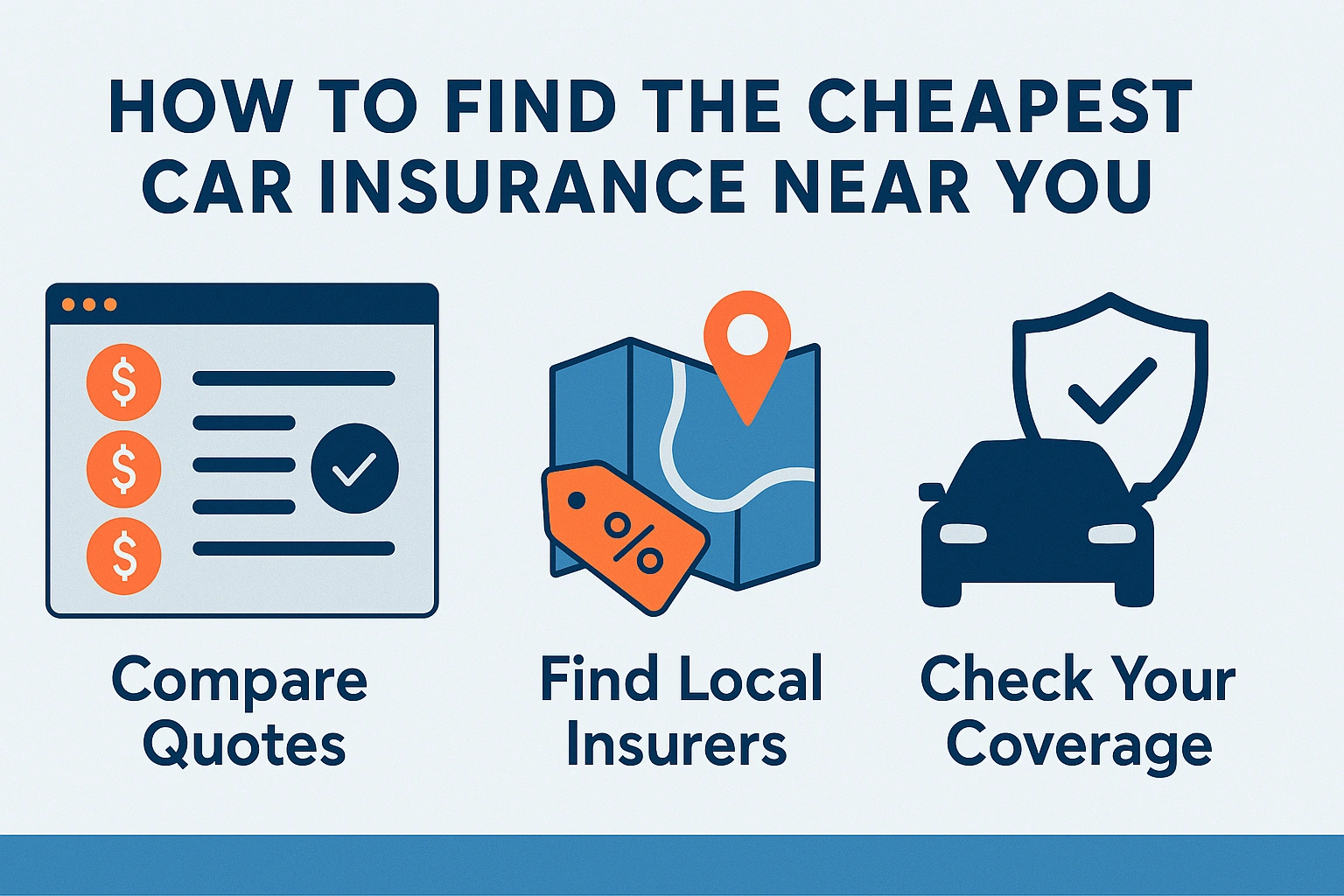
- Get Multiple Quotes Annually: Don’t just stick with your current insurer out of habit. Make it a routine to get quotes from at least 3-5 different insurance providers every year, or whenever your policy is up for renewal. Websites and independent agents can help you compare multiple quotes quickly. Rates can change due to new company algorithms, your changing circumstances, or even general market trends.
- Don’t Just Compare Prices – Compare Policies: While price is critical, ensure you’re comparing apples to apples. A cheaper quote might be for less coverage or have different deductibles. Carefully review the limits, deductibles, exclusions, and additional features of each policy.
- Consider Independent Agents: An independent insurance agent works with multiple insurance companies and can often find you the best rates from various providers without you having to contact each one individually. They can also offer valuable advice on coverage.
- Leverage Online Comparison Tools: Many websites specialize in comparing insurance quotes from numerous providers simultaneously. These can be a great starting point for gathering initial price estimates.
When to Re-evaluate Your Policy
Life changes can significantly impact your insurance needs and rates. Don’t wait for your annual renewal to reassess your policy.
- Major Life Events: Get new quotes and review your policy after events like getting married, buying a new house, moving to a new city, or adding a new driver to your household (e.g., a teen driver).
- Vehicle Changes: When you buy a new car, sell an old one, or your current vehicle significantly depreciates in value, it’s time to review your coverage and potentially adjust it.
- Credit Score Improvement: If your credit score has significantly improved (in regions where it’s a rating factor), inform your insurer or seek new quotes.
- Driving Record Changes: After a certain period, an accident or violation might “fall off” your record, leading to lower rates. If you’ve maintained a clean record for several years, you might qualify for better rates or good driver discounts.
Long-Term Strategies for Sustainable Savings
While immediate actions can yield quick savings, a long-term perspective on financial responsibility and driving habits is key to consistently maintaining low car insurance premiums.
Building a Strong Driving Record
The most powerful long-term strategy for cheap car insurance is simply to be a consistently safe and responsible driver. A clean driving record over many years not only qualifies you for the best good driver discounts but also makes you a low-risk client in the eyes of any insurer, giving you access to the most competitive rates. Avoid speeding, drunk driving, distracted driving, and other risky behaviors. Enroll in defensive driving courses periodically, even if not required, to refresh your skills and potentially earn discounts.
The Role of Financial Responsibility in Insurance Costs
Beyond driving, your broader financial behavior can influence your insurance costs. Maintaining a good credit score (where applicable) signals financial stability to insurers. Consistently paying your premiums on time, managing your finances responsibly, and avoiding bankruptcy all contribute to a positive financial profile that can translate into lower insurance rates. Building an emergency fund also allows you to comfortably choose a higher deductible, which, as discussed, can significantly reduce your premiums.
Navigating Common Pitfalls and Misconceptions
In the pursuit of cheap car insurance, it’s easy to fall prey to common pitfalls or misunderstandings that can end up costing you more in the long run.
Avoiding Underinsurance: A Costly Mistake
The biggest mistake drivers make when trying to find “cheap” car insurance is opting for minimal coverage to achieve the lowest possible premium. While this saves money upfront, it can be devastating in the event of a serious accident. If your liability limits are too low, and you’re at fault in an accident causing significant property damage or personal injury, you could be held personally responsible for the costs exceeding your policy limits. This could mean liquidation of assets, wage garnishments, or even bankruptcy. “Cheap” insurance isn’t truly cheap if it leaves you financially ruined. Always ensure your liability limits are sufficient to protect your assets, and consider uninsured/underinsured motorist coverage to protect yourself if an at-fault driver has insufficient insurance.
Understanding Policy Terms and Conditions
Never simply sign a policy without reading and understanding its terms and conditions. Pay close attention to:
- Exclusions: What situations or damages are not covered by your policy?
- Limits: What are the maximum payouts for each type of coverage?
- Deductibles: How much will you pay out of pocket before coverage applies?
- Endorsements: Any additional coverages or modifications added to the standard policy.
- Cancellation Policy: Understand the fees or procedures if you need to cancel your policy early.
Asking questions and seeking clarification from your agent or insurer is crucial. A thorough understanding of your policy ensures you know exactly what you’re paying for and what protection you have.
In conclusion, securing cheap car insurance isn’t about finding the lowest advertised rate; it’s about a strategic, informed approach to managing risk and leveraging market competition. By understanding the factors that influence your premiums, actively seeking out discounts, optimizing your coverage, maintaining a pristine driving record, and consistently shopping around, you can significantly reduce your car insurance costs without sacrificing essential protection. This diligent financial management ensures that your car insurance remains an affordable and effective safeguard against the uncertainties of the road.
aViewFromTheCave is a participant in the Amazon Services LLC Associates Program, an affiliate advertising program designed to provide a means for sites to earn advertising fees by advertising and linking to Amazon.com. Amazon, the Amazon logo, AmazonSupply, and the AmazonSupply logo are trademarks of Amazon.com, Inc. or its affiliates. As an Amazon Associate we earn affiliate commissions from qualifying purchases.