
Navigating the landscape of auto insurance can often feel like a complex financial puzzle. With countless providers, varying coverage options, and a multitude of factors influencing premiums, many individuals wonder if they’re truly getting the best deal. The truth is, auto insurance is a significant recurring expense for most households, and neglecting to compare rates regularly can lead to substantial overspending year after year. This guide is designed to empower you with the knowledge and strategies necessary to effectively compare auto insurance rates, ensuring you secure the optimal balance between comprehensive coverage and financial prudence.
Comparing auto insurance isn’t merely about finding the cheapest policy; it’s about understanding the financial implications of different coverage levels, identifying potential savings, and making an informed decision that safeguards your assets without draining your wallet. It’s a proactive step in sound personal financial management, allowing you to reallocate savings towards other financial goals, be it investments, debt reduction, or simply building an emergency fund. Let’s delve into the systematic approach to unlock these potential savings.
Understanding the Financial Fundamentals of Auto Insurance
Before diving into direct comparisons, it’s crucial to grasp the core financial mechanics that dictate auto insurance premiums. This foundational understanding allows for a more insightful evaluation of quotes and helps in identifying areas for potential savings or necessary investments in coverage.
Key Factors Influencing Your Premiums
Insurance companies assess risk to determine your premium, and this assessment is heavily influenced by several financial and demographic factors. Recognizing these helps you understand why rates vary and how your personal profile impacts costs.
- Driving Record: A clean driving record is arguably the most significant financial asset when it comes to insurance. Accidents, traffic violations, and claims directly signal higher risk to insurers, leading to increased premiums. Conversely, a history of safe driving can unlock significant discounts.
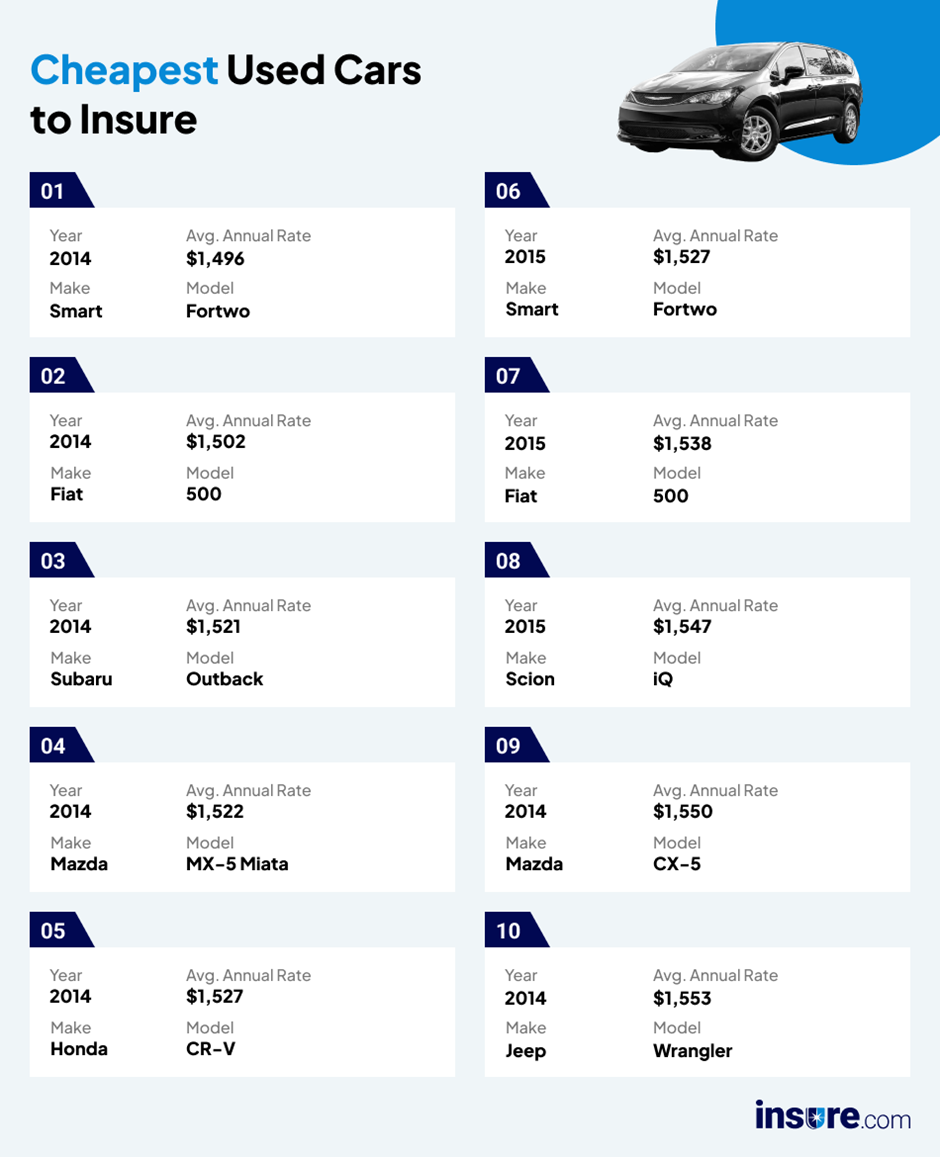
- Vehicle Type: The make, model, age, and safety features of your car play a substantial role. Expensive luxury cars, high-performance vehicles, or models with a high theft rate typically command higher premiums due to higher repair costs and increased risk. Vehicles with advanced safety features, however, might qualify for discounts.
- Location: Where you live and park your car profoundly impacts your rates. Urban areas with higher traffic density, crime rates, and accident frequency generally face higher premiums than rural areas. Even your specific zip code can influence the cost.
- Age and Gender: Statistically, younger, less experienced drivers (especially males) are deemed higher risk due to a greater likelihood of accidents, resulting in elevated premiums. Rates typically stabilize and decrease with age, assuming a good driving record.
- Credit Score (in most states): Insurers often use a credit-based insurance score as a predictor of future claims. A higher credit score often correlates with a lower likelihood of filing claims, translating into lower premiums. Maintaining good credit is thus not just beneficial for loans but also for your auto insurance costs.
- Annual Mileage: The more you drive, the higher your exposure to risk. Low-mileage drivers might qualify for discounts, as they are statistically less likely to be involved in accidents.
Types of Coverage and Their Financial Implications
Auto insurance isn’t a one-size-fits-all product. Understanding the different types of coverage is essential for building a policy that offers adequate financial protection without overpaying for unnecessary elements.
- Liability Coverage: This is the cornerstone of any policy, legally mandated in most states. It covers damages (bodily injury and property damage) you might cause to others in an at-fault accident. Opting for higher liability limits, while increasing your premium slightly, offers critical financial protection against potentially ruinous lawsuits. It’s often a financially sound decision to exceed minimum state requirements.
- Collision Coverage: This pays for damages to your own vehicle resulting from a collision with another car or object, regardless of fault. While not legally required, it’s highly recommended for newer or financed vehicles, protecting your significant investment.
- Comprehensive Coverage: This covers damages to your car from non-collision events such as theft, vandalism, fire, natural disasters, or hitting an animal. Like collision, it protects your asset but against a different set of risks.
- Uninsured/Underinsured Motorist (UM/UIM) Coverage: This protects you financially if you’re involved in an accident with a driver who has no insurance or insufficient insurance to cover your damages. Given the number of uninsured drivers, this is a vital financial safeguard.
- Medical Payments/Personal Injury Protection (PIP): This covers medical expenses for you and your passengers after an accident, regardless of fault. It can be crucial for covering immediate medical costs and lost wages.
Strategically choosing your coverage limits and deductibles (the amount you pay out-of-pocket before insurance kicks in) directly impacts your premium. A higher deductible typically means a lower premium, but it also means a greater initial financial outlay if you file a claim.
Gathering Your Financial Information: The Prerequisite for Comparison
Before you can effectively compare rates, you need to be organized. Having all relevant information readily accessible will streamline the quoting process and ensure accuracy, leading to reliable financial projections.
Essential Documents and Details
Prepare a dossier of information that insurers will require to provide accurate quotes. Incomplete or inaccurate information can lead to voided policies or unexpected premium adjustments down the line.
- Personal Information: Your full name, date of birth, driver’s license number, marital status, and occupation for all drivers in your household.
- Vehicle Information: Make, model, year, Vehicle Identification Number (VIN), current odometer reading, and safety features for each vehicle you wish to insure.
- Driving History: Details of any accidents or traffic violations for all drivers in the last 3-5 years, including dates, types, and any claims filed.
- Current Insurance Policy: If you have one, have your current declarations page handy. It outlines your existing coverage levels, deductibles, and any discounts you currently receive. This serves as a benchmark for comparison.
Knowing Your Coverage Needs and Financial Thresholds
Beyond just listing your current policy details, take time to critically assess what coverage you genuinely need. This is a personal financial decision based on your assets, risk tolerance, and budget.
- Deductibles: Are you comfortable with a $500 deductible, or would you prefer a $1,000 deductible to lower your monthly premium, knowing you’d pay more out-of-pocket if an incident occurs? This is a crucial financial trade-off to consider.
- Coverage Limits: Do your liability limits adequately protect your net worth in the event of a severe accident? Financial planners often recommend higher liability limits than state minimums, especially for individuals with significant assets.
- Add-ons: Do you need roadside assistance, rental car reimbursement, or gap insurance (if you have a new car loan)? While these add to your premium, they can offer significant financial relief in specific scenarios. Weigh the cost against the potential benefit.
Strategies and Tools for Effective Comparison
With your information gathered and your coverage needs defined, you’re ready to explore the market. There are several avenues to compare auto insurance rates, each with its own advantages.
Leveraging Online Comparison Websites
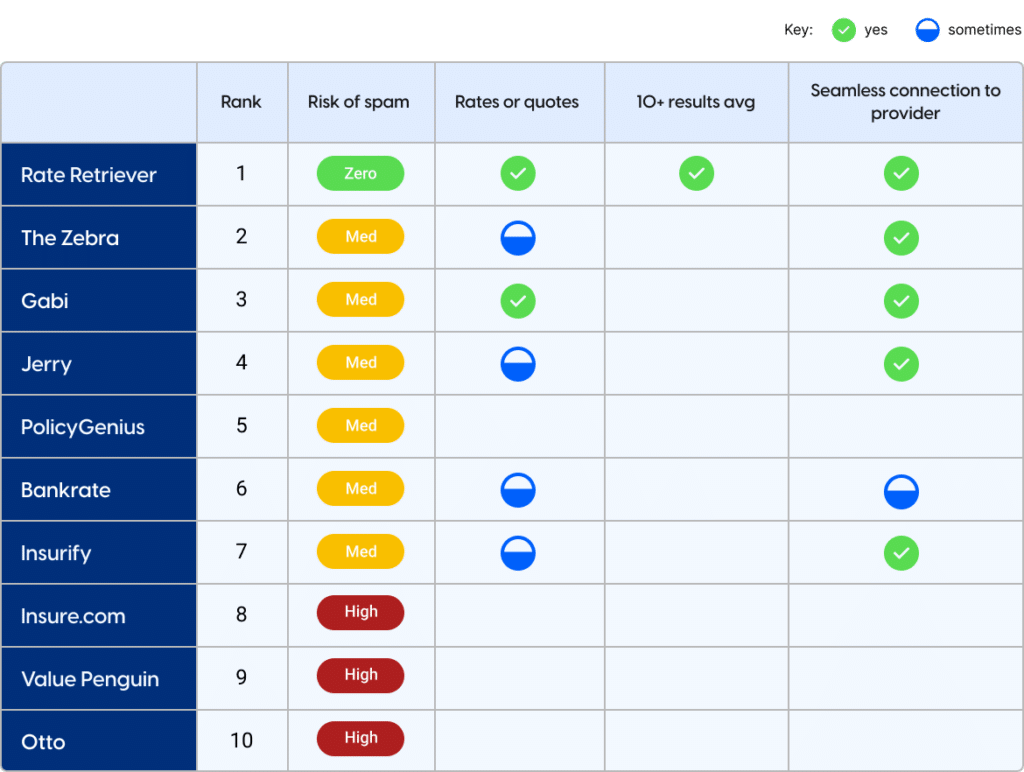
These platforms have revolutionized the way consumers shop for insurance, offering unparalleled convenience. Websites like Policygenius, The Zebra, or Compare.com allow you to enter your information once and receive multiple quotes from various insurers simultaneously.
- Advantages: Time-saving, provides a broad overview of the market, easy to compare basic quotes side-by-side.
- Financial Consideration: While a great starting point, remember these sites don’t always include every insurer, especially smaller regional ones, and the quotes are often estimates. They are excellent for identifying the general price range and a shortlist of competitive insurers.
Direct Quotes from Individual Insurers
Once you’ve narrowed down your options, or if you prefer a more hands-on approach, obtaining quotes directly from specific insurers is invaluable. This can be done online, over the phone, or in person.
- Advantages: Allows for more detailed discussions about specific coverage needs, potential discounts, and personalized advice. You might uncover additional savings not visible on comparison sites.
- Financial Consideration: Direct quotes are often more accurate and can sometimes reveal unique bundling opportunities (e.g., home and auto insurance) or loyalty discounts that comparison sites might miss.
Working with Independent Insurance Agents
An independent insurance agent represents multiple insurance companies, not just one. They can be a powerful ally in your financial planning.
- Advantages: Agents can shop around on your behalf, providing quotes from several carriers. They offer personalized advice, help you understand complex policy language, and can often find niche policies or discounts you might not uncover yourself. They act as a knowledgeable intermediary, simplifying the process and often finding more tailored financial solutions.
- Financial Consideration: Their expertise can be particularly valuable for complex situations or for those who value expert guidance over self-service. They can help you balance cost and coverage effectively.
Leveraging Discounts and Bundling Options
Discounts are a key strategy for reducing your auto insurance premiums. Always inquire about every possible discount.
- Common Discounts: Multi-car, good driver, good student, anti-theft devices, safe driver programs (telematics), military, professional affiliations, payment in full, paperless billing.
- Bundling: Insuring your home and auto (or other policies) with the same carrier can often lead to significant savings on both policies. This is one of the most effective ways to reduce your overall insurance expenditure.
- Financial Tip: Don’t assume you automatically receive discounts. Always ask your agent or insurer if you qualify for any additional savings.
Analyzing and Deciding: Beyond Just the Price Tag
Receiving multiple quotes is only half the battle. The next crucial step is to analyze them thoroughly, looking beyond just the bottom-line price to ensure you’re making a financially sound decision.
Evaluating the Total Value Proposition
The cheapest policy isn’t always the best financial choice. Consider the overall value each insurer offers.
- Coverage vs. Cost: Ensure that each quote provides comparable coverage limits and deductibles. A lower premium might indicate less coverage, leaving you financially exposed in the event of a major claim.
- Customer Service and Claims Process Reputation: A smooth, efficient claims process can save you immense financial and emotional stress after an accident. Research insurer ratings for customer satisfaction and claims handling (e.g., J.D. Power, A.M. Best). A company with a poor reputation might be cheap upfront but could be costly in the long run if you face delays or disputes during a claim.
- Financial Stability: Ensure the insurance company you choose is financially stable and capable of paying out claims. Ratings from agencies like A.M. Best provide insights into an insurer’s financial health.
Understanding Policy Details
Before committing, meticulously review the policy documents. Pay close attention to the fine print.
- Exclusions: What specifically is not covered? Understanding exclusions prevents unpleasant financial surprises later.
- Endorsements: Are there any specific additions or modifications to the standard policy that affect your coverage or premium?
- Payment Plans: Understand the payment schedule and if there are any fees associated with monthly installments versus paying in full.
The Importance of Regular Review
Auto insurance rates are not static. They can change based on market conditions, your driving history, your credit score, and even your loyalty with an existing insurer.
- Annual Comparison: Make it a habit to compare rates at least once a year, ideally a few weeks before your current policy renews. This ensures you’re continually getting the best financial deal.
- Life Changes: Significant life events like moving, getting married, buying a new car, or adding a new driver to your household should prompt a fresh comparison of quotes. Each of these can significantly impact your rates.
Common Pitfalls to Avoid When Comparing Rates
Even with the best intentions, certain mistakes can undermine your efforts to secure optimal auto insurance coverage at the right price. Being aware of these pitfalls can help you navigate the comparison process more effectively and avoid costly errors.
Focusing Solely on Price
While saving money is a primary driver for comparing rates, making price the only criterion is a common and potentially dangerous mistake. A rock-bottom premium often correlates with inadequate coverage, high deductibles, or a provider with a questionable claims reputation. In the event of a serious accident, being underinsured can lead to devastating out-of-pocket expenses, legal fees, and severe financial strain that far outweigh the initial premium savings. Always prioritize sufficient coverage for your assets and liabilities, then seek the most competitive price for that level of protection.
Not Providing Accurate Information
When seeking quotes, it’s crucial to be completely honest and accurate with all the information you provide, from your driving history to your vehicle’s features and your annual mileage. Insurers verify this information, and any discrepancies discovered after a policy is issued can lead to several negative outcomes. Your premium might be adjusted upwards, your policy could be canceled, or, most critically, a claim could be denied due to material misrepresentation. This would leave you financially vulnerable at a time when you need your insurance the most. Always ensure the details are precise to receive an accurate quote and maintain policy validity.
Forgetting About Deductibles and Limits
It’s easy to get fixated on the overall premium, but the deductibles and limits on your policy are equally, if not more, important from a financial perspective. A quote with a very low premium might come with a very high deductible, meaning you’d have to pay a substantial amount out-of-pocket before your insurance coverage kicks in after a claim. Conversely, skimping on liability limits to save a few dollars could leave your personal assets exposed in a severe at-fault accident. Always compare policies with similar deductible amounts and coverage limits to ensure an apples-to-apples financial comparison. Adjusting these elements strategically can help you manage your monthly premium while maintaining an acceptable level of financial risk.

Conclusion
Comparing auto insurance rates is a vital exercise in personal financial management, offering a direct path to optimizing your budget and securing your financial well-being. By understanding the factors that influence your premiums, meticulously gathering your information, leveraging diverse comparison tools, and critically evaluating quotes beyond just the price tag, you empower yourself to make informed decisions. Remember, your ideal policy balances comprehensive protection with cost-effectiveness. Make it a regular practice to review and compare your auto insurance — it’s a simple, yet powerful, strategy to keep more money in your pocket and ensure peace of mind on the road.
aViewFromTheCave is a participant in the Amazon Services LLC Associates Program, an affiliate advertising program designed to provide a means for sites to earn advertising fees by advertising and linking to Amazon.com. Amazon, the Amazon logo, AmazonSupply, and the AmazonSupply logo are trademarks of Amazon.com, Inc. or its affiliates. As an Amazon Associate we earn affiliate commissions from qualifying purchases.