
In the evolving landscape of personal finance, the transition from traditional, paper-based systems to digital-first solutions has revolutionized how we manage our wealth. Perhaps no area has seen a more significant shift than our interaction with the Internal Revenue Service (IRS). For many taxpayers, the phrase “the check is in the mail” has been replaced by “the transaction is confirmed.” Understanding how to pay federal taxes online is no longer just a matter of convenience; it is a fundamental skill for modern financial management. By leveraging digital payment portals, taxpayers can ensure accuracy, improve security, and maintain a precise digital audit trail of their financial contributions.
Understanding the Modern IRS Payment Ecosystem
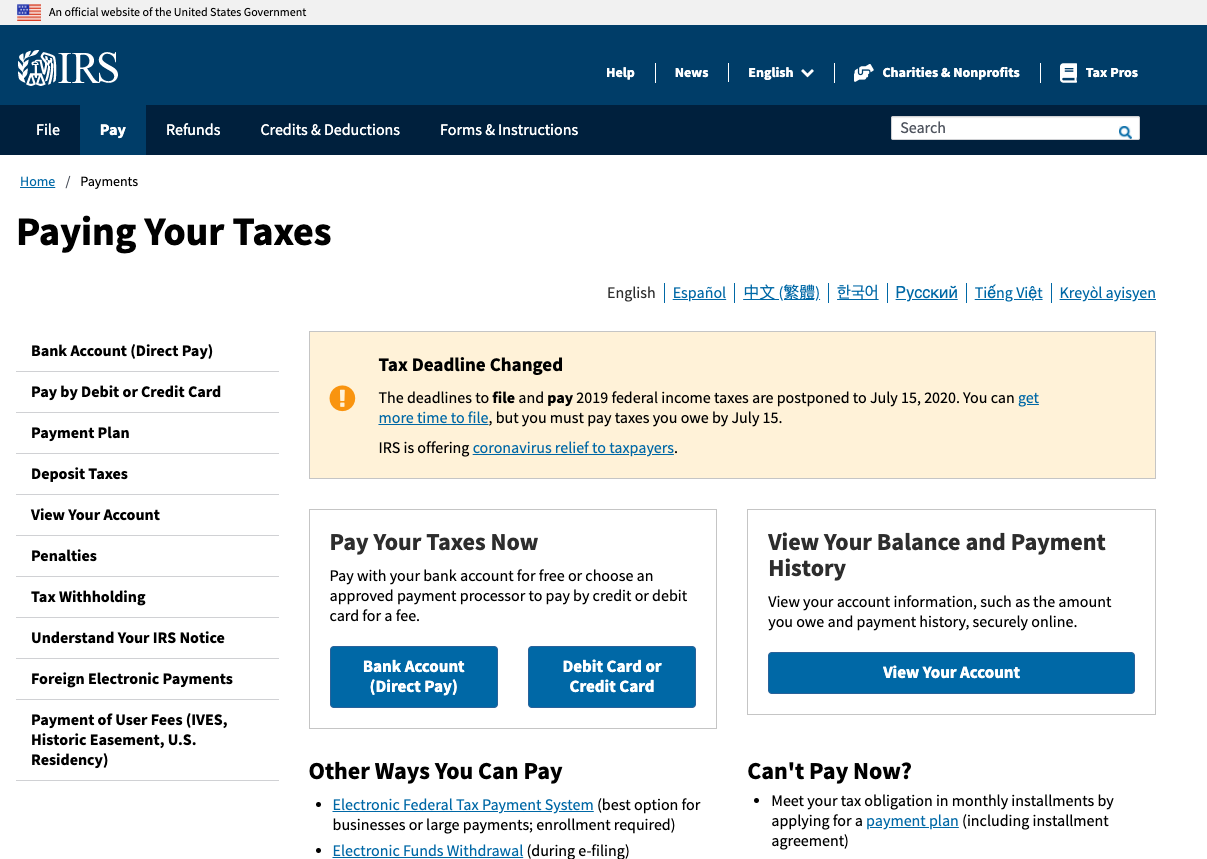
The move toward digital tax payments is part of a broader trend in financial technology designed to reduce friction between citizens and the government. Historically, paying taxes involved manual calculations, physical checks, and the inherent risks of the postal service. Today, the IRS offers a suite of online tools tailored to different financial profiles—ranging from the W-2 employee to the high-net-worth investor and the small business owner.
The Shift from Paper Checks to Digital Portals
The primary motivation for the IRS’s digital push is efficiency. For the taxpayer, the benefits are even more tangible. Digital payments eliminate “mail anxiety”—the uncertainty of whether a check reached its destination or was lost in transit. When you pay online, you receive an immediate confirmation number. This instant receipt is a critical component of professional financial record-keeping, providing peace of mind and legal protection in the event of a dispute.
Benefits of Online Payments: Accuracy and Real-Time Processing
One of the most significant advantages of paying federal taxes online is the reduction of human error. Digital forms often have built-in validation checks that ensure you are selecting the correct tax year and filing form. Furthermore, online payments allow for better cash flow management. Rather than waiting days for a check to clear, online transactions allow you to know exactly when funds will leave your account, enabling more precise budgeting.
Primary Methods for Individual Taxpayers
For the individual taxpayer, the IRS provides several distinct pathways to settle a balance. Choosing the right one depends on your specific financial situation, your preference for speed, and whether you want to pay via a direct bank transfer or a line of credit.
IRS Direct Pay: The Gold Standard for Individuals
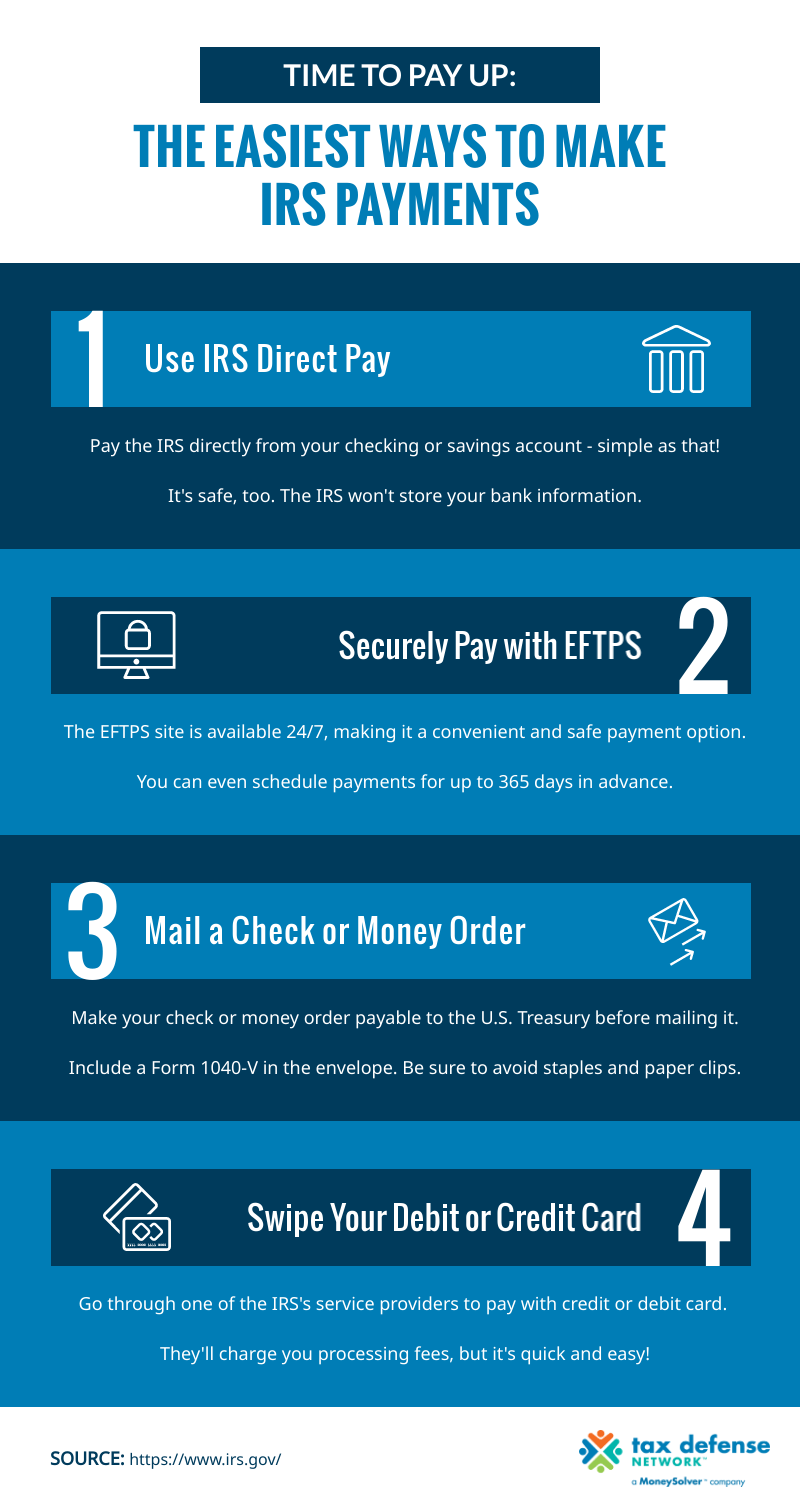
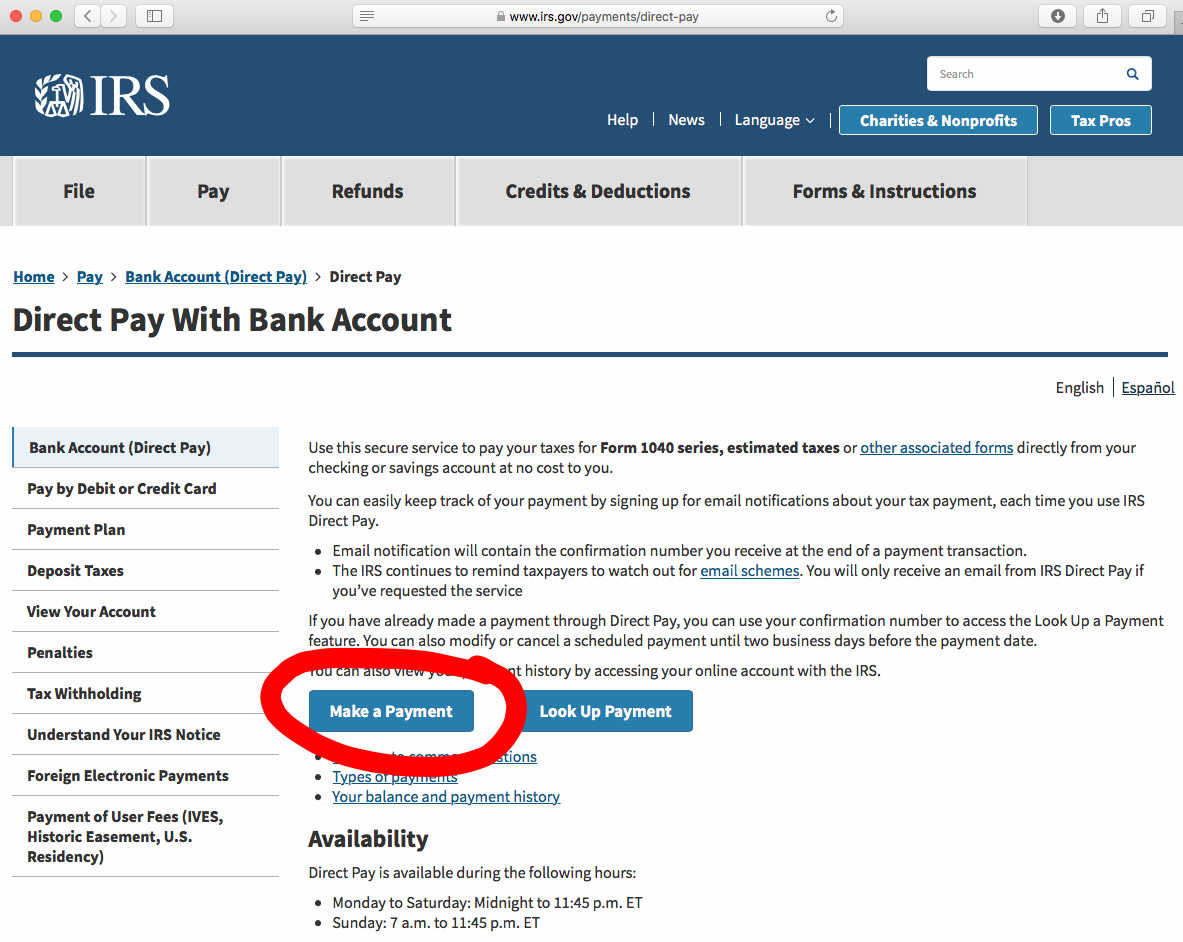
IRS Direct Pay is arguably the most efficient tool for individuals filing Form 1040. This service allows you to pay your tax bill or estimated tax directly from your checking or savings account without any processing fees.
The beauty of Direct Pay lies in its simplicity. You do not need to create an account or remember a password. Instead, you verify your identity using information from a previous year’s tax return. This method is ideal for one-time payments or making quarterly estimated payments. It is insightful to note that Direct Pay provides immediate confirmation, which is essential for those filing close to the April deadline.
Using the Electronic Federal Tax Payment System (EFTPS)
While Direct Pay is built for simplicity, the Electronic Federal Tax Payment System (EFTPS) is built for robustness. EFTPS is a free service provided by the U.S. Department of the Treasury that allows both individuals and businesses to pay all federal taxes.
Unlike Direct Pay, EFTPS requires an initial enrollment process, which includes receiving a PIN via physical mail. However, once enrolled, it offers unparalleled features for financial planning. You can schedule payments up to 365 days in advance and review a comprehensive 16-month history of your digital payments. For side hustlers and investors who need to make regular estimated payments, EFTPS is a powerful tool for maintaining financial discipline.
Debit and Credit Card Options: Convenience vs. Cost
The IRS does not collect taxes via credit card directly; instead, it utilizes third-party payment processors. While this offers the ultimate convenience and the potential to earn “cash back” or travel rewards, it comes with a financial trade-off. Processors charge a convenience fee, typically ranging from 1.8% to 2% for credit cards, or a flat fee for debit cards.
From a personal finance perspective, this method should be used strategically. If the rewards points earned on your card exceed the value of the processing fee, it may be a savvy move. However, for most taxpayers, the cost of the fee outweighs the benefits, making direct bank transfers the more financially sound choice.
Digital Solutions for Small Businesses and Side Hustlers
For those who operate in the “gig economy” or run a small business, tax obligations are not a once-a-year event—they are a quarterly responsibility. Managing these recurring outflows requires a structured approach to business finance.
Managing Estimated Quarterly Payments
If you earn income that is not subject to withholding—such as freelance income, capital gains, or dividends—you are likely required to make estimated tax payments. Paying these online is vital for maintaining liquidity. By using the IRS online account or EFTPS, you can automate these payments to ensure you never miss a deadline. This proactive approach prevents the accumulation of underpayment penalties, which can quietly erode your annual profits.
Employment Tax Obligations and Online Portals
For business owners with employees, the stakes are higher. You are responsible for withholding and paying social security, Medicare, and federal income taxes. These “trust fund taxes” are scrutinized heavily by the IRS. Utilizing online systems like EFTPS is the standard for professional business management, as it allows for precise tracking of these deposits. Integrating these payments into your digital accounting software can further streamline your business’s financial health.
Security Protocols and Financial Safety in a Digital World
In an era of increasing cyber threats, security is a paramount concern for anyone moving large sums of money online. Protecting your financial identity is just as important as the payment itself.
Recognizing Phishing Scams and Official Domains
A common pitfall for taxpayers is falling victim to “phishing” sites that mimic the IRS. It is a fundamental rule of digital finance: the IRS will never initiate contact with taxpayers via email, text message, or social media to request personal or financial information. When paying taxes online, always ensure the URL ends in .gov. Genuine IRS payment portals use high-level encryption to protect your banking details, but your first line of defense is ensuring you are on a legitimate site.
Documenting Your Digital Trail for Record-Keeping
A professional approach to money management involves more than just clicking “submit.” You must treat your digital confirmation as a physical receipt. Every time you make an online federal tax payment, you should save a PDF copy of the confirmation page and cross-reference it with your bank statement. This creates an airtight digital trail that simplifies future audits and helps your tax professional reconcile your accounts at the end of the year.
Optimizing Your Cash Flow Management
Finally, paying federal taxes online is not just a chore; it is an opportunity to practice high-level cash flow management. By understanding the timing and tools available, you can make your money work harder for you.
Scheduling Payments to Avoid Penalties
One of the greatest features of online tax tools is the ability to schedule payments. From a financial strategy standpoint, this allows you to keep your money in a high-yield savings account or a short-term investment for as long as possible before the deadline. By scheduling a payment for the actual due date, you maximize your interest-earning potential while ensuring that you remain in full compliance with the law.
Integrating Tax Payments into Your Monthly Budget
The most successful taxpayers do not view federal taxes as a surprise expense. Instead, they integrate these payments into their monthly or quarterly budget. By using the “Estimated Tax” calculators available on the IRS website and other financial tools, you can determine exactly how much to set aside from every paycheck or business invoice.
Digital payment platforms allow you to transfer these funds immediately or at scheduled intervals, turning a potentially overwhelming annual bill into a series of manageable, automated transactions. This shift from a reactive to a proactive financial mindset is the hallmark of sophisticated personal finance management.
In conclusion, mastering the art of paying federal taxes online is a cornerstone of modern financial literacy. Whether you are a traditional employee using Direct Pay or a business owner utilizing EFTPS, the transition to digital payments offers a level of precision, security, and strategic control that paper checks simply cannot match. By embracing these tools, you are not just paying a bill; you are optimizing your entire financial ecosystem for the digital age.
aViewFromTheCave is a participant in the Amazon Services LLC Associates Program, an affiliate advertising program designed to provide a means for sites to earn advertising fees by advertising and linking to Amazon.com. Amazon, the Amazon logo, AmazonSupply, and the AmazonSupply logo are trademarks of Amazon.com, Inc. or its affiliates. As an Amazon Associate we earn affiliate commissions from qualifying purchases.