
The ubiquitous phrase “what is on the TV?” once conjured a simple mental image: flipping through a finite set of broadcast channels, perhaps consulting a paper guide for scheduled programming. Today, however, that question unlocks a labyrinthine world of digital possibilities, a sprawling ecosystem defined by unprecedented choice, technological innovation, and a fundamental shift in how we access and interact with visual media. The answer is no longer singular; it is a dynamic, personalized tapestry woven from an almost infinite array of content, delivered through a sophisticated network of devices and platforms. This article delves into the technological underpinnings of this modern reality, exploring the evolution, current state, and future trajectory of what’s “on the TV.”
The Evolving Landscape of Content Delivery: From Analog to Algorithmic
The journey of television content delivery has been a dramatic one, marked by continuous technological advancements that have shattered old paradigms and introduced revolutionary ways to consume media. Understanding this evolution is key to appreciating the complexity of today’s TV experience.
From Broadcast to Broadband: A Historical Shift
For decades, television content was a finite resource, dictated by scheduled broadcast times and geographical limitations. Terrestrial antennas picked up electromagnetic waves, and later, cable and satellite provided more channels, but the core principle remained: content was pushed to the viewer at a predetermined schedule. This era, while foundational, inherently limited viewer choice and flexibility. The technology was primarily one-way, with limited interactivity.
The advent of the internet and high-speed broadband connections initiated the first seismic shift. Suddenly, content no longer needed to be transmitted over the air or via dedicated cable lines; it could be streamed over the internet. This opened the floodgates for on-demand content, allowing viewers to choose what they watched and when. This technological leap fundamentally altered the relationship between content creators, distributors, and consumers, paving the way for a more personalized and flexible viewing experience. The internet transformed the TV from a passive receiver into an interactive portal.
The Rise of Streaming: On-Demand Dominance
The transition to broadband-driven content truly blossomed with the rise of dedicated streaming services. Platforms like Netflix, Hulu, and Amazon Prime Video pioneered models that prioritized on-demand access to vast libraries of movies, TV shows, and original programming. This wasn’t merely about convenience; it was a technological revolution. Streaming relies on sophisticated data compression algorithms to deliver high-quality video efficiently over varying internet speeds, adaptive bitrate streaming to adjust quality based on network conditions, and robust global content delivery networks (CDNs) to minimize latency and buffering.
This era also saw the decoupling of content from specific hardware. While traditional TV required a television set connected to an antenna or cable box, streaming allowed content to be accessed on a multitude of devices: smartphones, tablets, laptops, gaming consoles, and eventually, smart TVs themselves. This device agnosticism, facilitated by cross-platform application development and cloud-based content libraries, gave viewers unprecedented freedom and flexibility, making “the TV” less about a physical device and more about the access to content it provided.
Decoding the Modern TV Ecosystem: Technologies and Platforms
Today, asking “what is on the TV?” involves navigating a complex matrix of hardware, software, and content providers. The modern TV ecosystem is a testament to technological convergence and diversification.
Smart TVs and Connected Devices
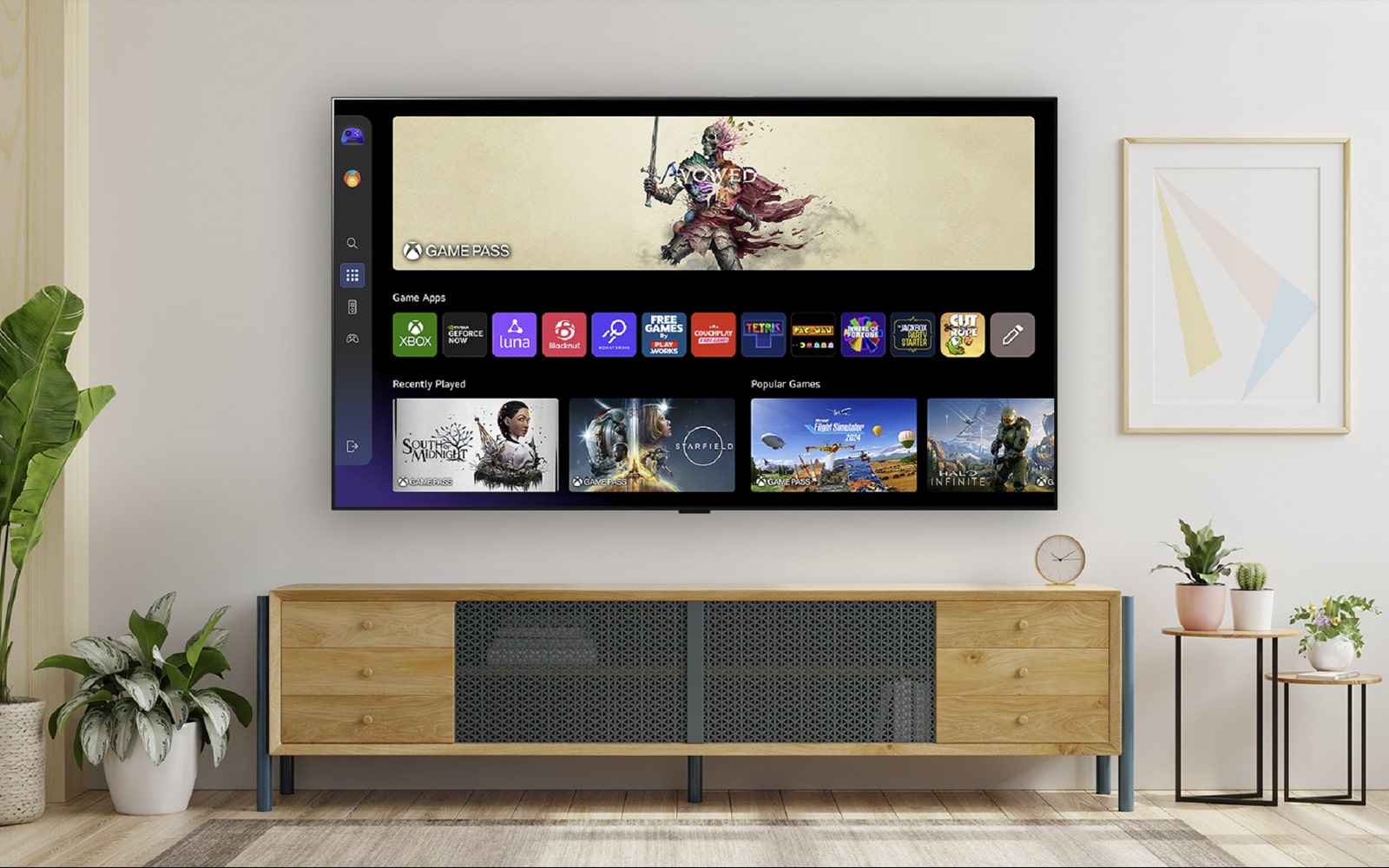
At the heart of many modern viewing experiences is the Smart TV. These aren’t just displays; they are integrated computing devices running operating systems (like Google TV, Roku OS, Tizen, webOS) that provide direct access to streaming apps, web browsers, and other internet-enabled functionalities. Smart TVs eliminate the need for external streaming boxes for many users, offering a seamless, all-in-one experience. Their underlying technology includes powerful processors, sufficient RAM, and Wi-Fi connectivity to handle demanding streaming and interactive applications.
Beyond integrated smart TVs, a plethora of connected devices continue to play a crucial role. Streaming sticks and boxes (e.g., Roku, Amazon Fire TV Stick, Apple TV, Google Chromecast) transform older, non-smart TVs into fully functional streaming hubs. Gaming consoles (PlayStation, Xbox) also double as robust media centers, leveraging their processing power for high-quality video playback and app ecosystems. These devices are constantly evolving, featuring faster processors, support for higher resolutions (4K, 8K), and advanced audio technologies (Dolby Atmos), ensuring an immersive viewing experience.
The Proliferation of Streaming Services
The streaming revolution has led to an explosion in the number and variety of content providers. From general entertainment giants like Netflix and Disney+ to niche platforms focused on specific genres (e.g., Shudder for horror, BritBox for British content), sports (ESPN+, DAZN), or even single franchises, the landscape is incredibly fragmented. Each service typically operates on a subscription model, offering access to its exclusive library. The technology behind these services involves sophisticated digital rights management (DRM) to protect content, secure payment gateways, and robust content recommendation engines powered by machine learning.
This proliferation, while offering immense choice, also introduces challenges like “subscription fatigue” and the need for consumers to manage multiple accounts and applications. The technological solution often comes in the form of content aggregators – apps or platforms that attempt to centralize discovery and access across different services, acting as a universal guide.
Beyond Linear TV: A Spectrum of Content Types
The content available on TV today extends far beyond traditional movies and series.
- Live TV Streaming: Services like YouTube TV, Sling TV, and Hulu + Live TV offer digital versions of traditional cable bundles, delivering live broadcast and cable channels over the internet. This technology requires robust low-latency streaming infrastructure to ensure real-time delivery without significant delay.
- User-Generated Content (UGC): Platforms like YouTube and Twitch, accessible directly on TVs, showcase content created by individuals. This democratized content creation and distribution, facilitated by accessible recording and editing tools, has carved out a massive segment of TV viewing, especially among younger demographics.
- Interactive Content: Some platforms are experimenting with interactive narratives, where viewers make choices that influence the storyline (e.g., Netflix’s “Bandersnatch”). This pioneering technology requires dynamic content branching and real-time user input processing.
- Virtual Events & Concerts: The TV has become a portal for live virtual events, from concerts to conferences, using high-definition streaming and sometimes multi-camera angles to provide an immersive experience from home.
Navigating the Ocean of Choices: Discovery and Personalization
With thousands of shows, movies, and videos available across hundreds of services, a primary technological challenge is helping viewers find what they want to watch. This is where advanced algorithms and personalization technologies come into play.
Algorithmic Curation and Recommendations

Modern streaming platforms heavily rely on sophisticated machine learning algorithms to curate content and provide personalized recommendations. These algorithms analyze vast amounts of data, including viewing history, genres preferred, time of day watched, pauses/replays, and even the shows friends are watching (if profiles are linked). They identify patterns and similarities between content and user preferences to suggest new titles.
The technology behind this involves collaborative filtering (recommending what similar users enjoyed), content-based filtering (recommending similar items to what you’ve liked), and hybrid approaches. The goal is to reduce decision fatigue and keep viewers engaged by presenting highly relevant options. This system, while powerful, also creates “filter bubbles,” potentially limiting exposure to diverse content.
User Profiles and Customized Experiences
Most streaming services allow for the creation of multiple user profiles within a single account. This seemingly simple feature is a technological marvel that enables highly customized experiences. Each profile maintains its own viewing history, watchlists, language preferences, and parental controls, allowing algorithms to tailor recommendations uniquely for each family member. This compartmentalization ensures that a child’s viewing habits don’t skew an adult’s recommendations, and vice-versa, making the “what’s on the TV” question individually answerable for everyone in the household.
The Challenge of Content Overload
Despite the advanced algorithms, the sheer volume of content can still be overwhelming. This phenomenon, often termed “content overload” or “paradox of choice,” means that viewers spend more time browsing than watching. Technologically, this pushes platforms to continuously refine their user interfaces (UIs) and user experiences (UX) to be more intuitive, to highlight trending content, and to offer clearer categorization. Features like “continue watching,” “my list,” and curated editorial collections are designed to mitigate this challenge, making the vast digital library feel more manageable.
The Future of Television: Interactive and Immersive Experiences
The evolution of TV is far from over. Future innovations promise to transform “what’s on the TV” into an even more interactive, immersive, and integrated experience, leveraging cutting-edge technologies.
Live Events and Interactive Storytelling
The future will likely see a significant expansion of interactive live events. Imagine sports broadcasts where viewers can choose their camera angles, access real-time stats overlays, or even place friendly wagers within the streaming interface. Interactive storytelling, similar to choose-your-own-adventure books but with cinematic production values, will become more commonplace, blurring the lines between passive viewing and active participation. These advancements will require ultra-low latency streaming, robust cloud computing for real-time decision processing, and sophisticated UI/UX design.
AI, VR, and AR in Content Delivery
Artificial intelligence (AI) will continue to deepen its role in content creation, from generating realistic special effects to potentially scripting and even directing portions of shows. More immediately, AI will power even more personalized content discovery, anticipate viewer preferences, and dynamically adjust advertising to individual tastes.
Virtual Reality (VR) and Augmented Reality (AR) hold the promise of truly immersive experiences. Imagine watching a concert in VR, feeling like you’re on stage, or having AR overlays appear on your physical TV screen, providing additional context to a documentary. While mass adoption is still nascent, the technological groundwork is being laid for integrating these realities into the home viewing experience, transforming the TV into a portal for alternate realities.
The Metaverse and the Blurring Lines of Reality
The concept of the Metaverse — a persistent, shared, virtual 3D space — presents the most radical potential future for television. While still largely theoretical for mainstream home use, it envisions a future where “what’s on the TV” could mean stepping into a virtual world to watch a movie with friends from across the globe, attending a virtual premiere, or even interacting with characters from a show. This would require immense computing power, advanced graphics rendering, haptic feedback, and seamless integration of various digital platforms, turning the TV from a window to content into a gateway to a parallel digital existence. The “TV” in this context might not even be a physical screen, but an all-encompassing virtual environment.
Optimizing Your TV Experience: Practical Tech Tips
In this complex landscape, making the most of “what is on the TV” requires understanding how to optimize your setup and manage your digital consumption.
Choosing the Right Streaming Setup
The first step is selecting the right hardware. For most, a Smart TV with a reputable operating system (e.g., Google TV, Roku OS, LG’s webOS, Samsung’s Tizen) offers the best integration. For those with older TVs, a dedicated streaming device (Roku, Fire Stick, Apple TV, Chromecast) is an excellent, cost-effective upgrade. Consider features like 4K/8K support, HDR (High Dynamic Range) capabilities, and voice control for a richer experience. The processing power and amount of RAM in these devices directly impact app performance and responsiveness.
Bandwidth and Quality Considerations
The quality of your streaming experience is directly tied to your internet bandwidth. High-definition (HD) streaming typically requires at least 5-8 Mbps, while 4K Ultra HD demands 25-50 Mbps. Ensure your home network, including your Wi-Fi router, can support these speeds. Investing in a modern router (Wi-Fi 6 or 6E) and placing it optimally can significantly improve stability and speed, reducing buffering and ensuring crisp visuals and clear audio. Hardwiring your TV or streaming device with an Ethernet cable offers the most reliable connection.
Managing Subscriptions and Apps
With the multitude of streaming services, it’s easy to accumulate subscriptions. Periodically review your subscriptions and cancel those you rarely use – many services offer monthly payment options, making this flexible. Utilize features like watchlists and “continue watching” across platforms to keep track of your content. For unified discovery, consider using integrated smart TV interfaces or dedicated aggregator apps that provide a single search bar across your subscribed services, streamlining the answer to “what is on the TV?”
In conclusion, “what is on the TV” is no longer a simple question but an exploration of a dynamic technological frontier. From the fundamental shift to on-demand streaming to the sophisticated algorithms guiding our choices and the speculative futures of VR and the Metaverse, television remains at the forefront of technological innovation, constantly redefining how we connect with stories, information, and entertainment. Understanding these technologies empowers us not just to consume content, but to actively shape our personal viewing experiences in this exciting digital age.
aViewFromTheCave is a participant in the Amazon Services LLC Associates Program, an affiliate advertising program designed to provide a means for sites to earn advertising fees by advertising and linking to Amazon.com. Amazon, the Amazon logo, AmazonSupply, and the AmazonSupply logo are trademarks of Amazon.com, Inc. or its affiliates. As an Amazon Associate we earn affiliate commissions from qualifying purchases.