
In the dynamic world of digital entertainment, managing your streaming subscriptions effectively has become a critical aspect of personal finance. With an ever-growing array of platforms vying for your attention and dollars, understanding the nuances of how services are priced and distributed is paramount. One common point of inquiry for budget-conscious consumers revolves around the cost of popular services when accessed through alternative channels – a prime example being “how much is Paramount Plus on Prime?” This question isn’t just about a single price point; it delves into the strategic financial decisions consumers make, weighing convenience against cost, and understanding the true value proposition of their entertainment investments.
This article aims to provide a comprehensive financial breakdown of Paramount Plus, both as a standalone service and through Amazon Prime Video Channels. We’ll explore the pricing structures, compare the value, and offer insights into how you can make the most financially sound choices for your streaming needs, ensuring your entertainment budget is optimized for maximum enjoyment and minimum waste.
Understanding Paramount Plus: A Core Streaming Offering
Before delving into its availability on Prime Video Channels, it’s essential to grasp the core financial structure and content value of Paramount Plus itself. Launched by Paramount Global, this service is a significant player in the streaming wars, offering a vast library that appeals to a broad audience. For the financially astute consumer, understanding its direct offering is the baseline for any comparative analysis.
Paramount Plus Tiers and Standalone Pricing
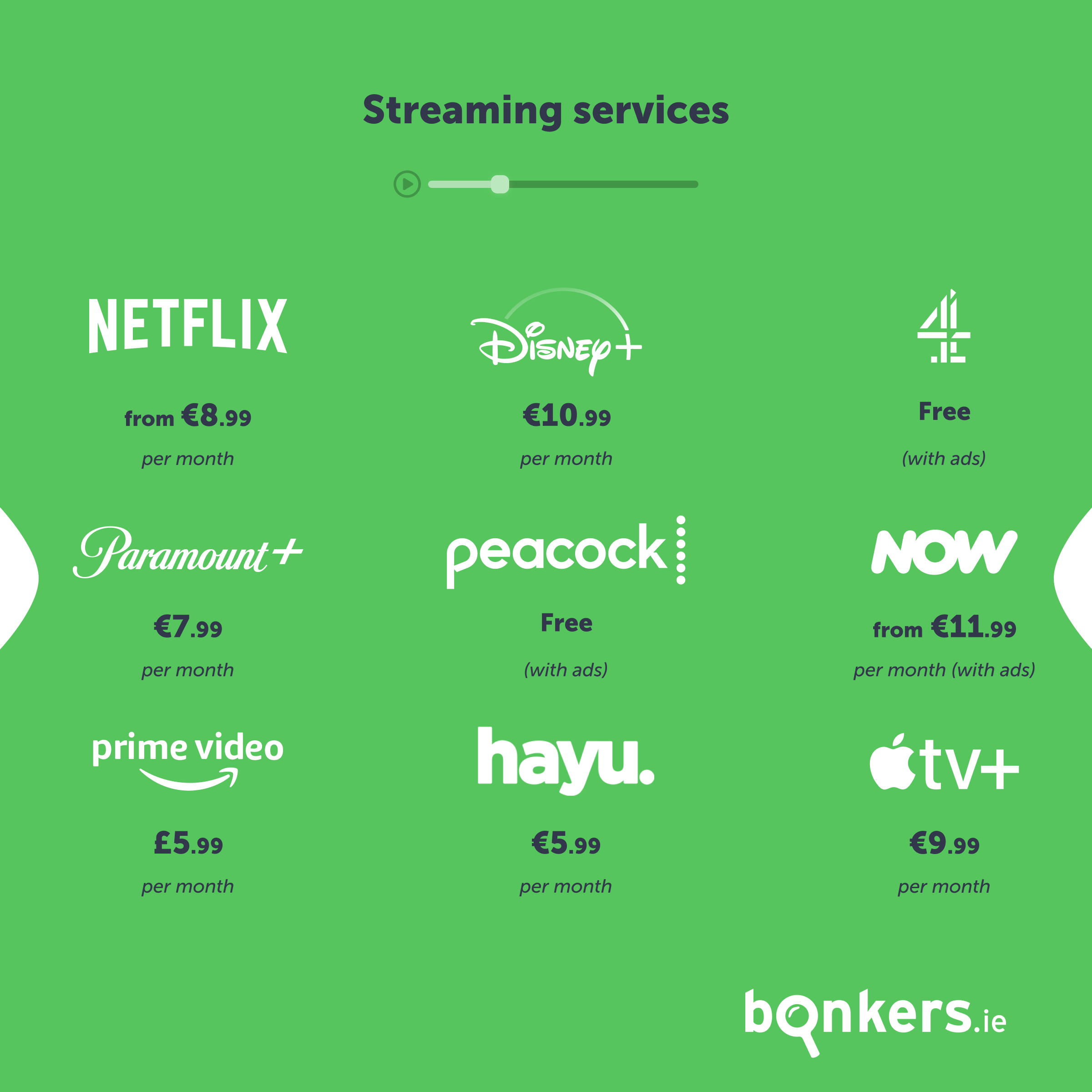
Paramount Plus typically offers two primary subscription tiers, each with a distinct pricing structure designed to cater to different consumer preferences and budgets. These tiers are the bedrock of its standalone financial model:
- Paramount Plus Essential (with ads): This tier is generally the more budget-friendly option. It provides full access to the extensive content library, including on-demand shows, movies, and live news via CBSN. However, it incorporates commercials, which is a trade-off for its lower monthly cost. From a financial perspective, this tier represents a calculated compromise: you save money, but you invest time watching ads. For many, the cost savings outweigh the minor interruption.
- Paramount Plus Premium (ad-free): At a higher monthly price point, this tier offers an uninterrupted viewing experience, removing most commercials from on-demand content. It also typically includes access to your local live CBS station (in many markets), allowing you to stream local news and sports without a cable subscription – a significant financial advantage for cord-cutters. The premium tier represents a willingness to pay more for an enhanced user experience and additional features, reflecting a consumer’s value placed on convenience and ad-free viewing.
It’s crucial to note that pricing is subject to change, and annual subscription options are often available, providing a modest discount compared to paying month-to-month. This annual commitment is a common financial strategy employed by streaming services to secure longer-term revenue and offer consumers a perceived savings, which can indeed add up over twelve months. Always check the official Paramount Plus website for the most current pricing.
The Content Library: What You Get with Paramount Plus
The value of any streaming service isn’t solely in its price tag, but equally in the content it delivers. From a financial perspective, the content library determines whether your investment is truly worthwhile. Paramount Plus leverages the vast archives of Paramount Global (formerly ViacomCBS), offering a compelling mix of:
- Original Series: Exclusive shows like “Yellowstone” spin-offs (“1883,” “1923”), “Star Trek: Strange New Worlds,” and “Mayor of Kingstown” are significant draws. These originals are often the primary reason subscribers opt for the service, representing a unique entertainment “asset” that can’t be found elsewhere.
- Movies: A rotating selection of popular films from Paramount Pictures, often hitting the service shortly after their theatrical runs. This rapid access to new releases enhances the financial value proposition, as it can reduce the need for expensive movie rentals or purchases.
- Live Sports: A strong offering in live sports, particularly soccer (including the UEFA Champions League and Europa League), and NFL games on CBS. For sports fans, this can represent a substantial saving compared to dedicated sports packages or traditional cable subscriptions.
- News and Entertainment from CBS: Access to CBS programming, including “60 Minutes,” “The Late Show with Stephen Colbert,” and live news through CBSN. This integrated approach can reduce the need for separate news subscriptions, bundling value into one monthly fee.
- Kids and Family Content: A broad range of shows from Nickelodeon and Nick Jr., making it a family-friendly option and potentially saving on other kids’ content subscriptions.
Evaluating the content against the price is a fundamental financial exercise. If you primarily watch content unique to Paramount Plus, your per-use cost is lower, making the subscription a more efficient use of funds.
The Amazon Prime Video Channels Ecosystem
Amazon Prime Video Channels presents an alternative distribution model for various streaming services, including Paramount Plus. Understanding this ecosystem is vital for discerning the financial implications and convenience factors involved in subscribing through Amazon.
How Prime Video Channels Work
Amazon Prime Video Channels are an add-on service for existing Amazon Prime members. They allow subscribers to bundle various streaming services (like Paramount Plus, Max, Showtime, etc.) directly within the Prime Video app. The core mechanism is straightforward:
- Existing Prime Membership Required: This is the foundational financial prerequisite. You must already be an Amazon Prime subscriber (which carries its own annual or monthly cost, offering benefits beyond just video streaming, like free shipping, Prime Music, etc.). The cost of Prime itself is a fixed “overhead” cost that must be factored into the overall expense if you are considering it solely for channel access.
- Separate Subscription Fee: Each channel, including Paramount Plus, incurs its own additional monthly fee on top of your Prime membership. This means you’re not getting Paramount Plus for free; you’re simply paying for it through Amazon.
- Consolidated Billing: One of the most significant financial conveniences is consolidated billing. All your Prime Video Channels subscriptions appear on a single Amazon bill, simplifying expense tracking and reducing the number of individual transactions on your bank statement. This can be a boon for personal budgeting and financial oversight.
- Integrated Viewing Experience: Content from all your subscribed channels is accessible within the Prime Video app and interface. This means no switching between multiple apps, which, while not a direct financial saving, certainly adds to the user experience value proposition.
The Convenience Factor of Bundling
From a purely financial standpoint, bundling through Prime Video Channels doesn’t inherently offer a lower price for the individual service itself (like Paramount Plus). However, its value lies in convenience, which can indirectly impact financial behaviors and perceptions of value:
- Simplified Subscription Management: For many, having all subscriptions under one roof (Amazon) simplifies management. It’s easier to subscribe, cancel, and keep track of active services. This reduction in administrative overhead can prevent forgotten subscriptions, a common financial drain where users continue paying for services they no longer use.
- Unified Watchlist and Recommendations: The integrated interface often provides a unified watchlist and personalized recommendations across all your Prime Channels, potentially helping you discover content more efficiently and maximize your viewing “return on investment.”
- One-Stop Shop for Entertainment: If you already heavily utilize Prime Video for its included content, adding channels makes it a central hub for all your streaming needs. This centralization can reduce decision fatigue and friction, enhancing the overall user experience and perceived value of the Prime ecosystem.
While the cost of Paramount Plus remains the same, the ease of managing and accessing it through Prime can contribute to a feeling of getting more value for your money, especially for those who appreciate simplicity in their digital life.
The Financial Breakdown: Paramount Plus via Prime Video Channels
Now, let’s directly address the central question: “how much is Paramount Plus on Prime?” Understanding the exact cost and the financial implications of subscribing through Amazon is crucial for informed decision-making.
Direct Comparison: Subscribing Standalone vs. Through Prime
The key takeaway for the cost of Paramount Plus through Amazon Prime Video Channels is straightforward: the monthly price is generally identical to subscribing directly through Paramount Plus.
- Paramount Plus Essential (with ads) via Prime: Typically costs the same as its standalone counterpart.
- Paramount Plus Premium (ad-free) via Prime: Similarly, typically costs the same as its standalone counterpart.

This means that financially, you are paying the same amount for the Paramount Plus content, regardless of whether you access it via the dedicated Paramount Plus app or through the Amazon Prime Video Channels interface. There isn’t usually a built-in discount for choosing the Prime Channel route.
However, there are a few important considerations for a complete financial analysis:
- Amazon Prime Membership Cost: As mentioned, you must be an Amazon Prime member to subscribe to Prime Video Channels. If you are not already a Prime member and are considering becoming one solely for Paramount Plus access, then the cost of Prime itself (annual or monthly) must be added to your Paramount Plus subscription. This significantly increases the total outlay and is generally not financially advisable if Prime’s other benefits hold no value for you.
- Promotional Offers: Occasionally, Amazon may run special promotional offers for Prime Video Channels, including Paramount Plus. These could include extended free trials or discounted introductory periods. Similarly, Paramount Plus directly might offer its own promotions. Savvy consumers will compare these transient offers to snag the best deal, a classic strategy in personal finance. Always check both platforms for current deals.
- Free Trials: Both Paramount Plus directly and through Prime Video Channels often offer free trial periods (typically 7 days). This is a financially prudent way to test the service’s content and interface before committing any money. Ensure you note the trial end date to avoid unintended charges.
Value Proposition: Is the Prime Channel Worth It?
Given that the direct cost for Paramount Plus is usually the same, the “worth” of subscribing through Prime Video Channels becomes a financial calculation based on convenience, existing habits, and overall ecosystem value.
Arguments for the Prime Channel (Value-Added Convenience):
- Consolidated Billing and Management: For those who already subscribe to multiple Prime Video Channels, having one bill and one platform to manage all entertainment subscriptions is a significant convenience. This simplification can reduce mental load and potential errors in budgeting.
- Unified User Experience: If the majority of your streaming consumption happens within the Prime Video app, adding Paramount Plus keeps everything in one place, leading to a smoother, more integrated viewing experience. This is a “lifestyle” financial benefit – reducing friction in daily activities.
- Leveraging Existing Prime Investment: If you already pay for Amazon Prime for shipping, music, or other benefits, adding Paramount Plus as a channel simply extends the utility of an existing financial commitment without adding complexity.
Arguments for Direct Subscription (Potentially More Control/Features):
- No Prime Membership Required: If you are not an Amazon Prime member and have no intention of becoming one, subscribing directly to Paramount Plus is the only way to access the service without incurring the additional Prime membership cost. This is the most financially lean approach if Prime’s ecosystem is irrelevant to you.
- Platform-Specific Features: While often similar, there can sometimes be minor feature differences between a service’s native app and its channel version. For example, specific device compatibility or download features might vary slightly.
- Direct Support: If you encounter issues, dealing directly with Paramount Plus customer support might be preferable for some users over navigating Amazon’s support channels, though both are generally robust.
Ultimately, the financial “worth” is subjective. If the convenience of consolidation and the existing Prime ecosystem holds significant value for you, paying the same price through Amazon is a financially sound decision. If you prioritize minimizing overall subscription costs and only want Paramount Plus, direct subscription without a Prime membership is the more economical path.
Maximizing Your Streaming Budget: Financial Considerations
Beyond just knowing the price, effective management of your streaming subscriptions is a key component of personal financial planning. This involves strategic thinking about how you subscribe, when you subscribe, and how you monitor your spending.
Free Trials, Promotions, and Bundling Strategies
Smart consumers leverage every available financial tool to reduce costs:
- Aggressively Utilize Free Trials: Never pay for a service until you’ve fully explored its free trial. This allows you to evaluate the content library, user interface, and overall value without any financial commitment. Calendar reminders for trial end dates are essential to avoid unwanted charges.
- Monitor for Promotions: Streaming services, both directly and through channel providers like Amazon, frequently offer promotional deals – discounted rates for a few months, or longer free trial periods. Keep an eye on tech news sites, coupon aggregators, and the services’ own announcements for these opportunities. A small discount each month can add up to significant annual savings.
- Consider Bundling (Beyond Prime Channels): While Prime Video Channels offers a form of bundling, other companies also bundle services (e.g., cell phone providers or internet companies offering streaming services as perks). Explore these options, but always calculate the true cost. Is the “free” service truly free, or is its cost baked into a higher monthly bill for another service?
- Strategic Churning: This advanced financial strategy involves subscribing to a service, watching all the content you want, canceling, and then resubscribing months later when new content has accumulated or a new promotion appears. While it requires more effort, it can significantly reduce your annual streaming expenditure by avoiding paying for months you don’t actively use the service.
Managing Your Subscriptions: A Key Financial Tool
Effective subscription management is paramount for controlling your entertainment budget. Many individuals unknowingly hemorrhage money on forgotten or underutilized subscriptions.
- Create a Master List: Maintain a single document (spreadsheet, app, or even a note on your phone) listing all your subscriptions, their monthly/annual cost, renewal dates, and the associated payment method. This provides a clear, holistic view of your recurring entertainment expenses.
- Regular Audits: Periodically (e.g., quarterly or bi-annually) review your master list. Ask yourself for each service: Am I still actively using this? Is the content still valuable to me? Can I get similar content elsewhere for less? Be ruthless in canceling services that no longer provide sufficient value for their cost.
- Utilize Financial Tracking Apps: Many personal finance apps (e.g., Mint, YNAB, Rocket Money) offer features to track recurring subscriptions, flag increases, and even help you cancel unwanted services. These tools are invaluable for maintaining financial discipline in the digital age.
- Set Budget Limits: Establish a firm monthly or annual budget for your entertainment subscriptions. This forces you to make conscious choices and prioritize, preventing spending creep. If a new service comes along, you might have to decide which existing service to cut to stay within budget.
Making the Smart Financial Choice for Your Entertainment
The decision of how to subscribe to Paramount Plus – directly or through Amazon Prime Video Channels – ultimately boils down to a personal financial calculation that factors in convenience, existing commitments, and individual viewing habits. There isn’t a universally “cheaper” option in terms of the raw Paramount Plus price, so the choice becomes about optimizing value within your personal financial ecosystem.
Weighing Convenience Against Cost Savings
For those already entrenched in the Amazon Prime ecosystem, the added convenience of consolidated billing and a unified interface through Prime Video Channels can be a powerful incentive. If you value simplicity, reduced administrative overhead, and seamless integration with your existing Prime benefits, then subscribing via Amazon is a perfectly sensible financial decision, even if the monthly cost of Paramount Plus itself is the same. The “cost savings” here are in time, effort, and reduced cognitive load, which have their own intrinsic financial value.
However, for individuals who are not Amazon Prime members, or who prefer to keep their subscriptions entirely separate, subscribing directly to Paramount Plus is the most financially straightforward and economical choice. Avoiding the additional cost of a Prime membership (if it offers no other value to you) is a clear cost saving.

Future-Proofing Your Streaming Investments
The streaming landscape is constantly evolving, with prices changing, new services emerging, and content libraries shifting. Future-proofing your entertainment investments means adopting a flexible, financially agile approach:
- Stay Informed: Keep abreast of pricing changes, new promotions, and content announcements. Knowledge is power in managing your financial outflows.
- Avoid Long-Term Contracts (Where Possible): The beauty of most streaming services is their month-to-month flexibility. This allows you to “churn” services as needed, optimizing your content consumption against your budget. While annual subscriptions can offer a discount, weigh this against the potential need to cancel prematurely.
- Diversify, But Don’t Over-Subscribe: Aim for a diverse set of streaming options that cover your primary entertainment needs without redundant content or excessive monthly bills. The goal is maximum entertainment for a controlled budget.
In conclusion, understanding “how much is Paramount Plus on Prime” is more than just a simple price check. It’s an entry point into a broader financial discussion about managing digital subscriptions, valuing convenience, and strategically allocating your entertainment budget to maximize enjoyment and minimize unnecessary expenditure. By applying sound personal finance principles to your streaming habits, you can ensure your viewing experience is both rich in content and responsible with your money.
aViewFromTheCave is a participant in the Amazon Services LLC Associates Program, an affiliate advertising program designed to provide a means for sites to earn advertising fees by advertising and linking to Amazon.com. Amazon, the Amazon logo, AmazonSupply, and the AmazonSupply logo are trademarks of Amazon.com, Inc. or its affiliates. As an Amazon Associate we earn affiliate commissions from qualifying purchases.