
In the increasingly crowded digital streaming arena, Paramount Plus has carved out a distinctive niche, leveraging a century of storied content from ViacomCBS’s extensive library. Far more than just a repository for iconic films and television shows, Paramount Plus operates as a sophisticated technology platform, delivering a vast array of entertainment to millions globally. This deep dive moves beyond a mere listing of titles, scrutinizing the service through a technical lens, evaluating its content delivery mechanisms, user experience, platform features, and overall performance that define its digital presence.
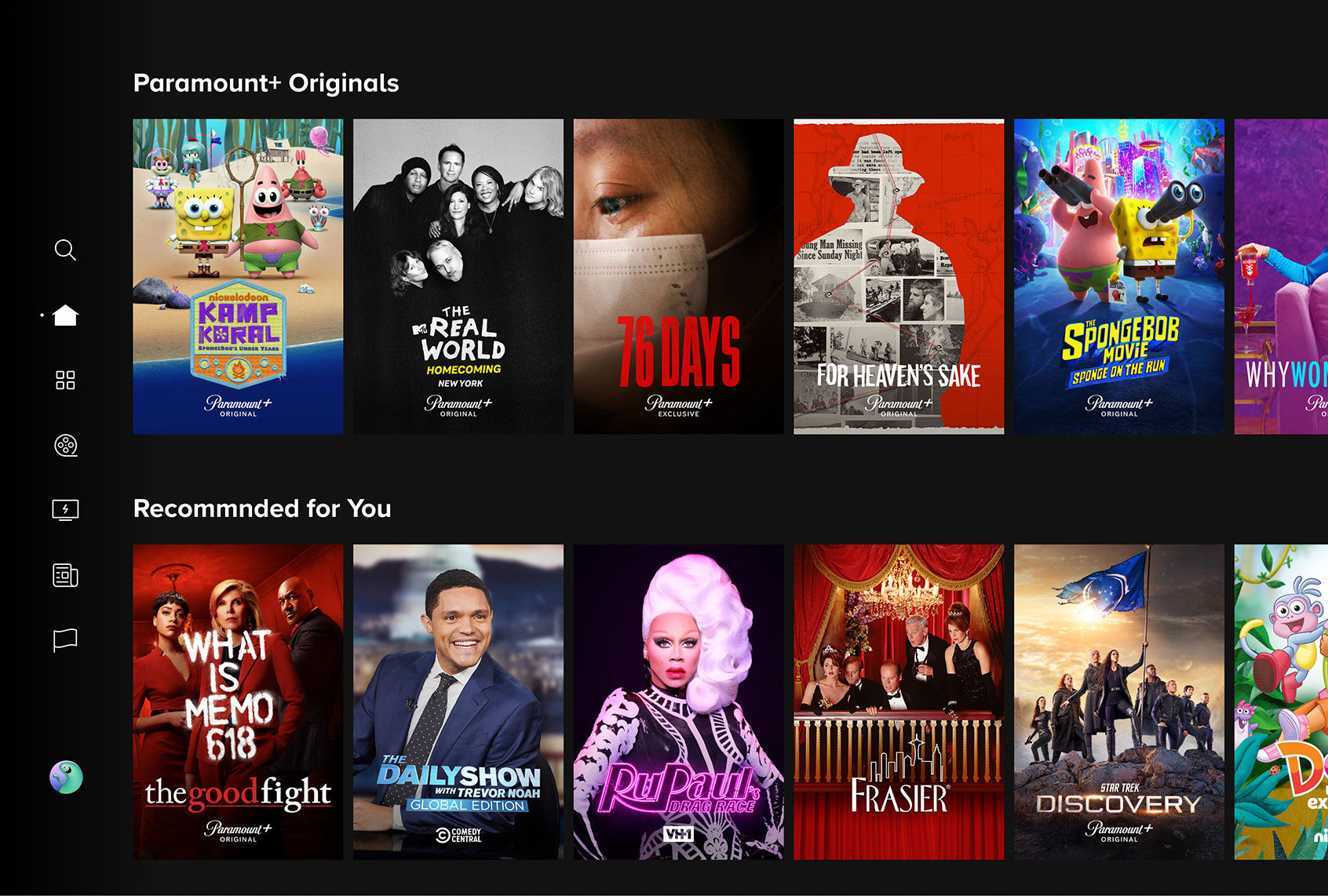
At its core, any streaming service is an intricate dance between content and technology. Paramount Plus, with its dual subscription tiers (Essential and Premium), presents a compelling case study in balancing broad accessibility with advanced features. Understanding “what’s on Paramount Plus” from a technical standpoint involves dissecting how this content is not only presented but also how the underlying technology influences viewer interaction and overall satisfaction.
The Digital Content Library: Quality, Quantity, and Delivery Mechanisms
Paramount Plus is home to an expansive universe of content, encompassing everything from blockbuster movies and critically acclaimed original series to live sports, news, and a rich archive of classic television. For the tech-savvy user, however, the sheer volume is only half the story; the true value lies in the technical specifications and delivery mechanisms that bring this content to life.
Decoding the Content Spectrum: From Hollywood to Originals
The content breadth on Paramount Plus is impressive, drawing from Paramount Pictures, CBS, Comedy Central, MTV, Nickelodeon, Smithsonian Channel, and Showtime (as an add-on). This diversity translates into a wide array of file types, encoding standards, and metadata requirements that the platform must seamlessly manage. Original series like “Star Trek: Strange New Worlds,” “Yellowstone” prequels (“1883,” “1923”), and “Tulsa King” represent significant investments not just in storytelling but also in high-production value, often filmed with advanced cameras and sound equipment.
From a technical perspective, hosting such a varied library demands robust content management systems (CMS) capable of handling vast amounts of data, intricate rights management, and dynamic content scheduling. Each piece of content, whether a new 4K HDR original or an upscaled classic, is ingested, transcoded into multiple bitrates and resolutions, and then stored across a global content delivery network (CDN) to ensure rapid access for users worldwide. The ability to efficiently tag and categorize this content through advanced metadata schemes is crucial for effective search and recommendation algorithms, a key technical feature.
Visual and Auditory Fidelity: The Technical Standards of Streaming
The immersive quality of a streaming experience is largely dictated by the technical standards of its visual and auditory delivery. Paramount Plus, particularly with its Premium tier, strives to offer high-fidelity experiences.
- Picture Quality: Many of Paramount Plus’s original series and newer film titles are available in 4K Ultra HD (UHD), often accompanied by High Dynamic Range (HDR) formats like Dolby Vision or HDR10. This significantly enhances color accuracy, contrast, and brightness, providing a more lifelike image compared to standard HD. Delivering 4K HDR streams efficiently requires substantial bandwidth (typically 20-25 Mbps for 4K) and sophisticated adaptive bitrate (ABR) streaming technologies. ABR dynamically adjusts the video quality based on the user’s internet connection speed and device capabilities, minimizing buffering while maximizing resolution.
- Audio Quality: Complementing the visual upgrade, many premium titles feature Dolby Digital 5.1 Surround Sound, and an increasing number are incorporating Dolby Atmos. Dolby Atmos provides a three-dimensional audio experience, placing sounds precisely in space (including overhead), which drastically improves immersion for users with compatible home theater systems. The platform’s ability to encode, transmit, and render these advanced audio formats consistently across diverse devices is a significant technical achievement, requiring specific audio codecs and processing capabilities.
The technical infrastructure supporting these high-fidelity streams includes powerful media servers, intelligent load balancing, and a resilient network architecture designed to handle peak demand without compromising quality.
Content Curation and Discovery: Algorithmic Approaches
Navigating thousands of titles requires more than just a search bar. Paramount Plus, like its competitors, employs sophisticated algorithms to personalize content recommendations. These algorithms analyze viewing habits, genre preferences, interactions (likes/dislikes), and even time of day to suggest relevant content.
Technically, this involves:
- Machine Learning (ML) Models: Used to identify patterns in user data and predict preferences.
- Collaborative Filtering: Recommending content based on what similar users have watched.
- Content-Based Filtering: Suggesting titles similar to those a user has enjoyed, based on metadata (actors, genres, themes).
- Hybrid Recommendation Systems: Combining multiple approaches for more accurate and diverse suggestions.
The effectiveness of these algorithms directly impacts user engagement and content discovery, transforming a vast library into a curated, personalized experience. Continuous optimization of these algorithms through A/B testing and data analytics is an ongoing technical challenge and a critical component of user retention.
The User Experience Interface (UX/UI) and Device Ecosystem
The technology that powers a streaming service extends beyond content delivery; it profoundly shapes how users interact with the platform. A well-designed User Interface (UI) and a smooth User Experience (UX) across a broad range of devices are paramount to a service’s success.
Navigating the Platform: Design, Responsiveness, and Personalization
Paramount Plus’s UI is generally clean and functional, aiming for ease of navigation. The layout typically features a prominent hero banner for new or featured content, followed by horizontally scrolling carousels categorized by genre, brand, or recommendations.
From a technical UX/UI perspective:
- Responsiveness: The interface must be highly responsive, with quick load times for menus, smooth transitions between sections, and instant playback upon selection. Laggy interfaces or slow loading times are significant friction points.
- Consistency: The design language and navigation patterns should remain consistent across different devices (smart TVs, mobile apps, web browsers) to ensure a familiar and intuitive experience regardless of the viewing platform.
- Search Functionality: A robust search engine, capable of quickly sifting through the entire library based on keywords, titles, actors, and genres, is a technical necessity. Auto-completion and suggested searches enhance usability.
- Personalization: User profiles, allowing for distinct viewing histories, watchlists, and recommendations for different family members, are a standard feature. Technically, this requires separate data storage and algorithm application for each profile, ensuring personalized data remains isolated.
Continuous user feedback and iterative design are essential for refining the UI/UX, often involving front-end development teams employing frameworks and libraries optimized for performance across various operating systems.
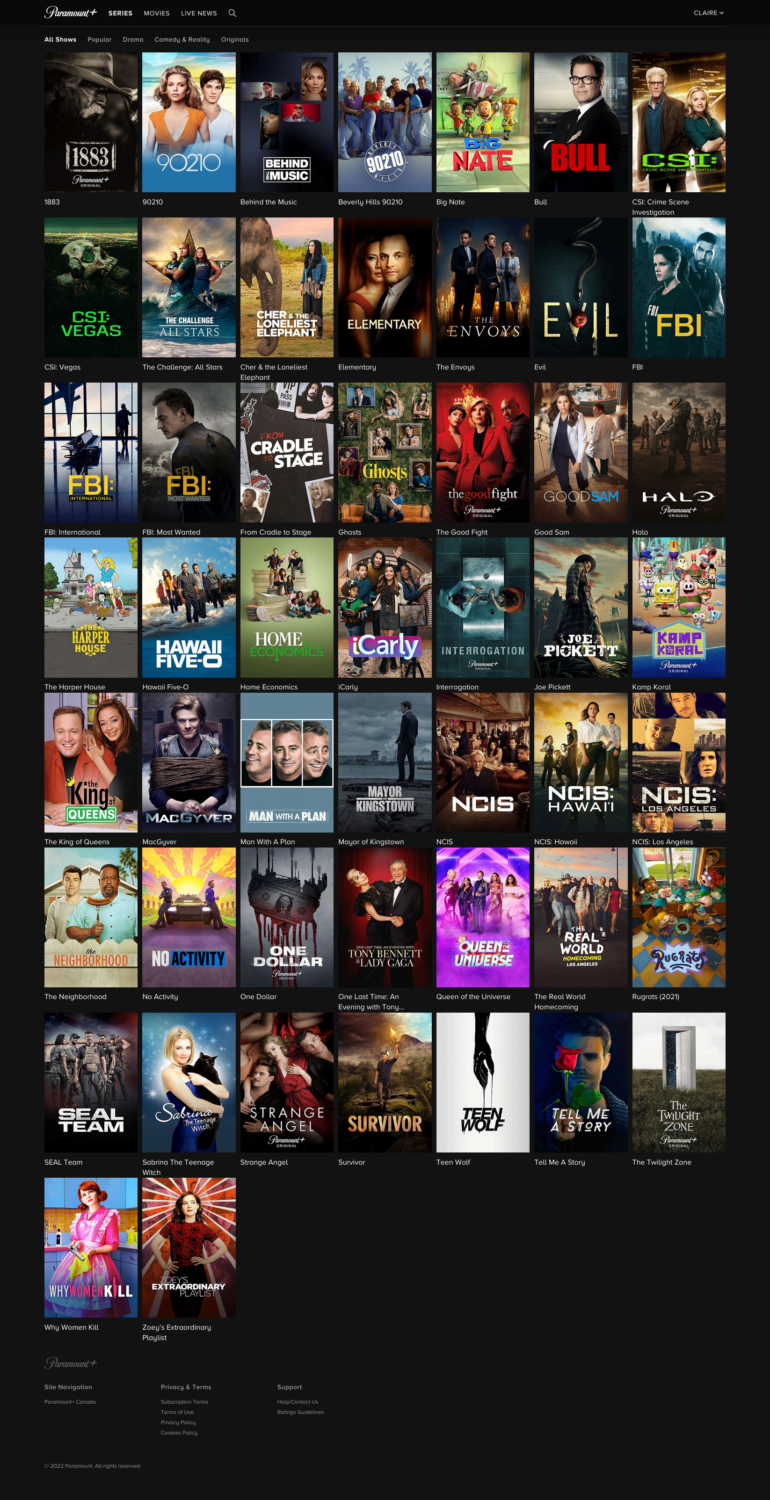
Device Compatibility and Cross-Platform Performance
A leading streaming service must be ubiquitous, available on a wide array of devices. Paramount Plus boasts broad device compatibility, crucial for its market reach:
- Smart TVs: Samsung, LG, Vizio, Hisense, etc.
- Streaming Devices: Roku, Amazon Fire TV, Apple TV, Google Chromecast, Android TV.
- Game Consoles: PlayStation, Xbox.
- Mobile Devices: iOS (iPhone, iPad), Android smartphones and tablets.
- Web Browsers: Chrome, Firefox, Safari, Edge.
Ensuring optimal performance across this diverse ecosystem is a significant technical challenge. Each device has different processing power, screen resolutions, operating systems, and network capabilities. Paramount Plus developers must build and maintain multiple versions of their application, often using cross-platform development frameworks where possible, but frequently requiring native development for performance-critical components. Regular updates are pushed to maintain compatibility, introduce new features, and patch security vulnerabilities across all these platforms.
Core Streaming Features: Profiles, Downloads, and Simultaneous Streams
Standard features expected from a modern streaming platform include:
- Multiple Profiles: Allowing distinct user experiences within a single account, managed through separate data containers for viewing history and recommendations.
- Offline Downloads: Available on mobile devices for Premium subscribers, this feature allows users to download selected content over Wi-Fi for later viewing without an internet connection. Technically, this involves DRM (Digital Rights Management) to protect copyrighted content, secure storage on the device, and a mechanism to verify subscription status and download limits.
- Simultaneous Streams: Paramount Plus typically allows up to three simultaneous streams per account. This requires backend systems to track active streams, manage user sessions, and enforce limits, ensuring service quality for all active users.
These features, while seemingly basic, rely on complex backend systems and robust network infrastructure to function flawlessly.
Advanced Features and Under-the-Hood Performance
Beyond the surface-level UI and basic features, the true technical prowess of a streaming service lies in its advanced capabilities and the efficiency of its underlying infrastructure.
Live Streaming and Hybrid Content Delivery
Paramount Plus distinguishes itself with its integration of live content, a feature that many competitors lack or offer only as an add-on. Premium subscribers have access to their local CBS live broadcast, including NFL games, NCAA March Madness, and breaking news via CBSN (a 24/7 news channel).
- Technical Challenge: Live streaming is significantly more complex than video-on-demand (VOD). It requires ultra-low latency encoding, real-time segmenting (e.g., HLS or DASH protocols), dynamic ad insertion, and scalable infrastructure to handle sudden spikes in viewership (e.g., during major sporting events).
- Hybrid Model: The seamless transition between VOD and live content within the same application requires sophisticated routing and content delivery logic, presenting a hybrid content delivery model that leverages both CDN for VOD and dedicated live streaming servers.
Accessibility and Inclusive Design in Digital Media
Technological advancements in streaming also encompass efforts toward greater inclusivity. Paramount Plus integrates various accessibility features:
- Closed Captions (CC) / Subtitles: Available for most content, often in multiple languages, crucial for deaf/hard-of-hearing viewers or those watching in noisy environments. The platform must manage multiple subtitle tracks (SRT, WebVTT formats) and allow user customization (font size, color, background).
- Audio Descriptions (AD): For visually impaired users, AD provides narration of key visual elements within a program. Implementing AD requires separate audio tracks that can be toggled on/off, synchronized perfectly with the video.
- Multiple Audio Tracks: Offering content in original language plus dubbed versions for international markets.
These features are not merely add-ons but are increasingly integral to modern digital media platforms, driven by both regulatory requirements and a commitment to broader user access.
Network Optimization, Stability, and Data Management
The backbone of any streaming service is its network infrastructure. Paramount Plus relies on robust CDN partnerships (e.g., Akamai, Cloudflare) to distribute content globally, minimizing latency and buffering.
- Adaptive Bitrate Streaming (ABR): As discussed, ABR is critical for managing varying network conditions. The player continuously monitors bandwidth and adjusts stream quality to prevent interruptions, ensuring a smooth playback experience even on fluctuating connections.
- Scalability: The infrastructure must be highly scalable to handle varying user loads, especially during peak viewing times or major live events. Cloud-based solutions (AWS, Azure, Google Cloud) provide the elasticity required to scale compute and storage resources dynamically.
- Data Consumption: Users are increasingly conscious of data usage, especially on mobile networks. Paramount Plus’s mobile apps often include settings to control video quality (e.g., “Good,” “Better,” “Best”) to help users manage their data consumption, which translates to selecting lower bitrate streams.
- Security: Protecting content from piracy through Digital Rights Management (DRM) technologies (e.g., Widevine, PlayReady, FairPlay) and securing user data are paramount. Encryption, secure authentication, and regular security audits are foundational to the platform’s operation.
Paramount Plus in the Competitive Tech Landscape: Innovation and Future Trajectories
In a market dominated by tech giants, Paramount Plus’s ability to innovate and leverage its legacy content through modern technology is key to its sustained growth.
Benchmarking Against Competitors: A Technical Perspective
When compared to Netflix, Disney+, Max, or Hulu, Paramount Plus generally holds its own in core technical features. Its 4K HDR and Dolby Atmos support are competitive, and its live TV integration is a distinct advantage. However, some users occasionally report interface quirks or performance inconsistencies compared to more established pure-play streaming platforms. Technical teams continuously work to optimize the app’s performance, stability, and responsiveness across all devices. The ongoing challenge is not just to match competitors but to innovate with features that enhance the viewing experience in unique ways.

The Road Ahead: Anticipated Technological Enhancements
The future of Paramount Plus will undoubtedly be shaped by emerging technologies. Anticipated areas of development might include:
- Enhanced Personalization: More sophisticated AI/ML-driven recommendation engines, potentially integrating contextual data like time of day, current events, or even mood analysis (if user-consented).
- Interactive Content: While nascent, interactive storytelling, where viewers make choices that influence the narrative, could become a feature for specific titles, demanding new content authoring tools and playback capabilities.
- Spatial Computing and VR/AR Integration: As technologies like Apple Vision Pro gain traction, streaming services may explore delivering content in immersive virtual or augmented reality environments, offering new ways to experience films and shows.
- Advanced Analytics: Deeper insights into user engagement, content consumption patterns, and technical performance metrics will drive data-informed decisions for content acquisition, platform development, and marketing strategies.
- Cloud Gaming Integration: While speculative, integrating casual games or even cloud-streamed game versions of popular franchises could broaden the platform’s appeal, leveraging its existing content IPs.
Paramount Plus’s journey in the streaming world is a testament to the dynamic interplay between creative content and cutting-edge technology. “What’s on Paramount Plus” is not just about the movies and shows; it’s about the sophisticated digital infrastructure that brings them to life, the seamless user experience that fosters engagement, and the continuous technical innovation that keeps it competitive in a rapidly evolving digital landscape. As the platform matures, its success will increasingly depend on its ability to harness technological advancements to deliver an even richer, more reliable, and ultimately more captivating entertainment experience.
aViewFromTheCave is a participant in the Amazon Services LLC Associates Program, an affiliate advertising program designed to provide a means for sites to earn advertising fees by advertising and linking to Amazon.com. Amazon, the Amazon logo, AmazonSupply, and the AmazonSupply logo are trademarks of Amazon.com, Inc. or its affiliates. As an Amazon Associate we earn affiliate commissions from qualifying purchases.