
In today’s ever-expanding digital landscape, streaming services have become a ubiquitous part of modern entertainment, offering an unprecedented array of content at our fingertips. However, as the number of available platforms proliferates, so too does the complexity of managing our monthly entertainment budget. Paramount Plus, a prominent player in the streaming wars, offers a vast library spanning movies, original series, live sports, and news. For many consumers, the primary question isn’t just about what content is available, but rather, “how much will this add to my monthly expenses?” Understanding the precise cost structure of Paramount Plus is crucial for savvy financial planning, ensuring that your entertainment choices align with your personal finance goals. This article delves into the various subscription tiers, pricing models, potential savings, and overall financial considerations to help you make an informed decision about integrating Paramount Plus into your budget. We’ll break down the numbers, explore the value proposition from a financial perspective, and offer insights into optimizing your streaming expenditure.

Deconstructing Paramount Plus Subscription Tiers and Pricing
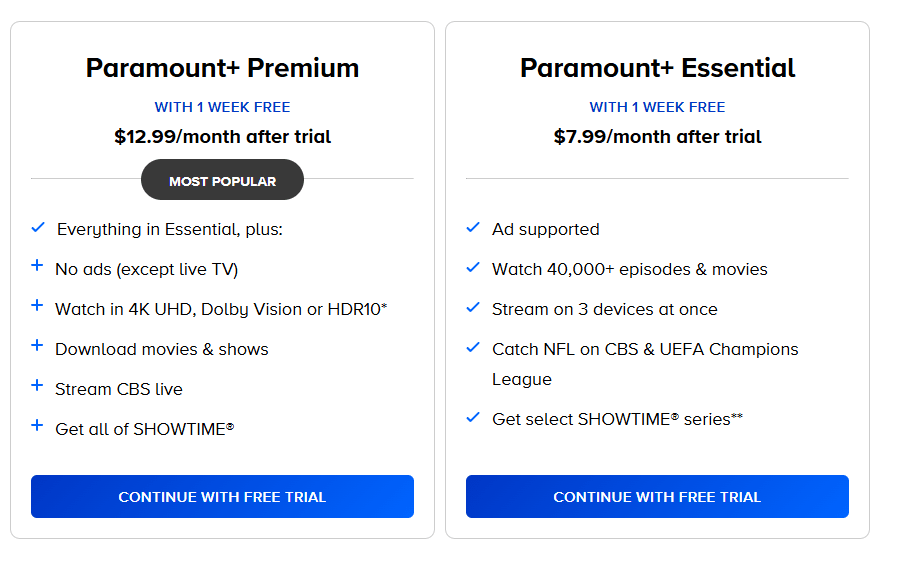
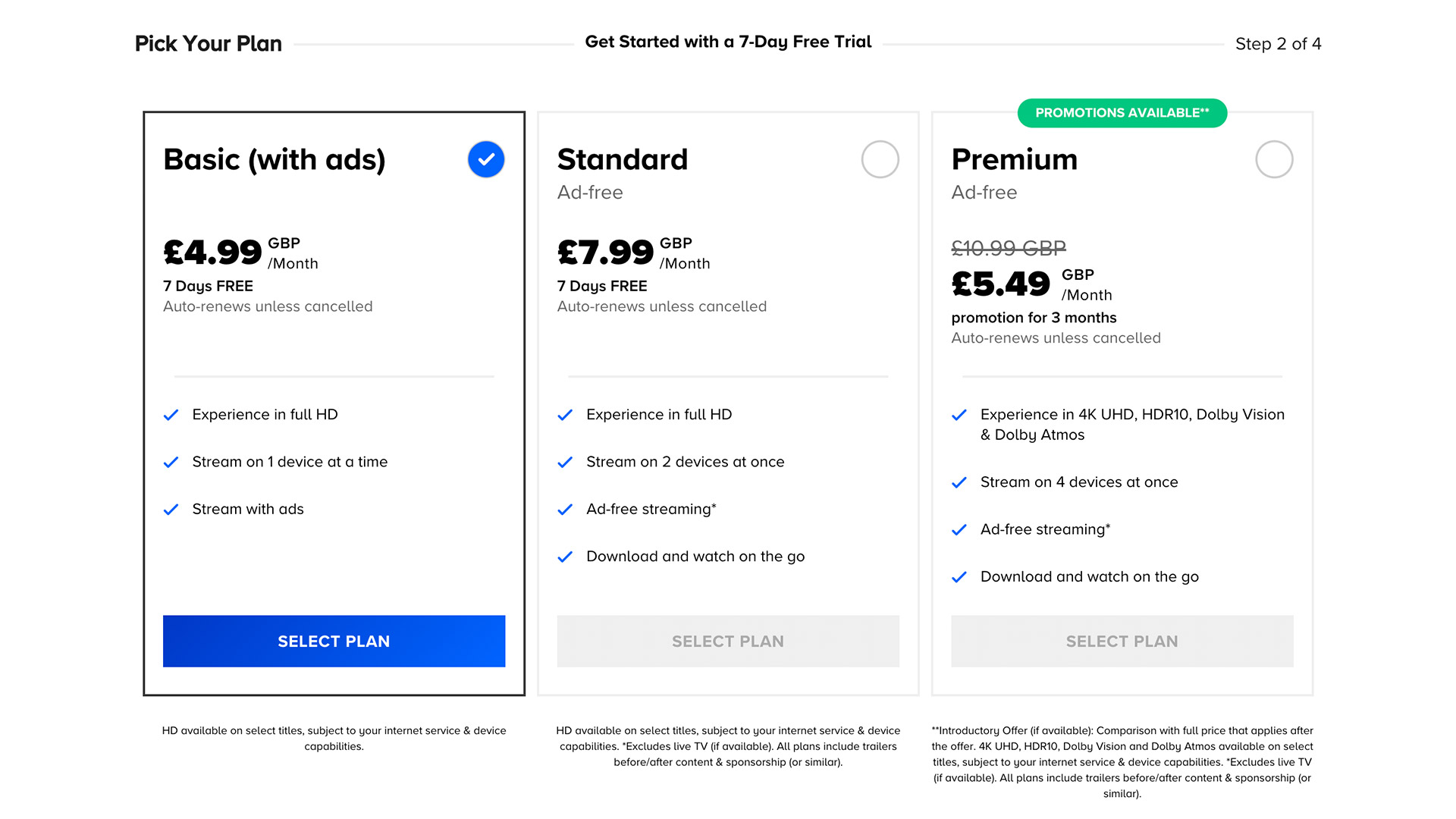
Understanding the financial commitment required for Paramount Plus begins with a clear overview of its available subscription plans. Like many modern streaming platforms, Paramount Plus offers tiered pricing designed to cater to different consumer needs and budgets. Each tier comes with distinct features that directly impact its monetary value and suitability for various financial situations.
Paramount+ Essential: The Budget-Friendly Gateway
The Paramount+ Essential plan represents the entry point into the service, designed for cost-conscious consumers. This tier typically offers access to the full streaming library, including thousands of episodes and movies, plus limited live sports (like NFL on CBS) and 24/7 national news from CBSN. The key financial aspect of this plan is its lower monthly cost, achieved primarily through the inclusion of commercials. For individuals or families looking to maximize their entertainment budget, the Essential plan provides a significant amount of content at a manageable recurring expense. It’s an excellent option for those who prioritize cost savings and don’t mind occasional ad breaks, treating their streaming experience akin to traditional broadcast television but with on-demand flexibility. From a personal finance perspective, evaluating whether the ad interruptions justify the savings is a crucial budgeting decision. It asks consumers to weigh the intangible cost of their time and attention against tangible monetary savings.
Paramount+ with Showtime: The Premium Experience and Enhanced Value
For those willing to invest more for an enhanced viewing experience and expanded content, the Paramount+ with Showtime plan is the premium offering. This tier not only includes everything from the Essential plan but crucially removes most commercials from the on-demand library (live TV streams may still contain ads). The most significant financial differentiator, however, is the inclusion of the entire Showtime library. This means access to critically acclaimed Showtime original series, movies, and sports, effectively merging two distinct streaming services into one subscription. While the monthly cost is notably higher than the Essential plan, it often represents a financial saving compared to subscribing to Paramount Plus and Showtime separately. For consumers who value an ad-free experience and have an interest in Showtime’s exclusive content, this bundled approach can be a strategic financial decision, consolidating entertainment expenses and potentially reducing overall monthly outlays if both services were desired independently. It simplifies budgeting by offering a single bill for a comprehensive entertainment package, streamlining financial oversight.
Unlocking Savings: Annual Plans, Bundles, and Promotions
Beyond the standard monthly rates, Paramount Plus, like many subscription services, provides several avenues for financially savvy consumers to reduce their overall expenditure. Understanding these options is key to optimizing your streaming budget and ensuring you get the most value for your money. Strategic utilization of these discounts can significantly impact your annual savings.
The Financial Advantage of Annual Subscriptions
One of the most straightforward ways to save money on Paramount Plus is by opting for an annual subscription instead of monthly payments. Both the Essential and Paramount+ with Showtime plans typically offer a discounted rate when you commit to a full year upfront. This strategy provides a significant percentage saving over 12 months compared to paying month-to-month. For consumers who are certain they will use the service consistently throughout the year, an annual plan represents a wise financial move, locking in a lower effective monthly cost. While it requires a larger upfront payment, this lump sum often translates to two or more months of “free” service over the year. From a personal finance perspective, if you have the disposable income for the initial outlay and a long-term interest in the content, an annual plan is almost always the more economically sound choice. It also eliminates the minor mental overhead of a recurring monthly charge.
Exploring Bundles and Promotional Offers
Paramount Plus frequently engages in promotional activities and bundle offers, which can provide substantial financial benefits. These might include extended free trials, discounted rates for a limited period, or special pricing when combined with other services (beyond the integrated Showtime bundle). For instance, telecommunication providers or mobile carriers might offer Paramount Plus as part of a larger package deal, potentially reducing the overall cost of your internet or phone bill. Students, military personnel, or specific affinity groups might also qualify for special discounts. Keeping an eye on these temporary promotions, especially during peak seasons or holidays, can lead to significant savings. It’s a good practice for budget-conscious consumers to research current offers before committing to a full-price subscription, as these promotions can dramatically alter the financial calculus of adding Paramount Plus to one’s streaming portfolio. Savvy consumers often rotate subscriptions, leveraging free trials and promotional offers to minimize their overall annual spending while maximizing access to desired content.
Leveraging Free Trials for Financial Prudence
Almost universally, Paramount Plus offers a free trial period for new subscribers. This isn’t just an opportunity to sample the content; it’s a critical financial tool. Utilizing a free trial allows consumers to assess the value proposition of the service without any upfront financial commitment. It provides a risk-free way to determine if the content library, user experience, and overall offering justify the eventual recurring expense. From a budgeting standpoint, always mark your calendar for the trial’s end date to avoid unintended charges. Setting a reminder a few days before the trial expires allows ample time to decide whether to continue the subscription or cancel it without incurring any cost. If the service doesn’t meet your expectations or doesn’t fit into your budget, canceling before the trial expires ensures zero financial impact. This proactive approach to managing free trials is a cornerstone of responsible personal finance in the subscription economy, preventing “subscription creep” where forgotten trials turn into recurring expenses.
The Financial Equation: Value Proposition vs. Cost
Deciding whether a Paramount Plus subscription is “worth it” from a financial standpoint extends beyond merely looking at the price tag. It requires a deeper analysis of the perceived value the service offers relative to its cost, considering individual viewing habits and overall entertainment needs. This holistic financial evaluation helps justify the expenditure within a personal budget.
Content Library and Exclusive Offerings as Financial Drivers
The primary driver of value for any streaming service is its content. Paramount Plus boasts a rich catalog derived from ViacomCBS brands like CBS, MTV, Comedy Central, BET, Nickelodeon, and the Paramount Pictures film library, alongside exclusive originals and live sports. For fans of specific franchises (e.g., Star Trek, Yellowstone spin-offs, SpongeBob) or live events (UEFA Champions League, NFL), the platform offers content that might not be available elsewhere. If these exclusive offerings are a high priority for a household, the financial outlay for Paramount Plus can be easily justified, as it provides access to unique entertainment that would otherwise be inaccessible or require purchasing individual titles. The “value” here is subjective but directly impacts the perceived return on investment for the subscription fee. For example, if you save money by cutting cable because you can get live sports or news on Paramount+, the subscription’s financial value increases.
Comparing Costs with Competing Services
In a crowded streaming market, comparing Paramount Plus’s pricing against competitors is a vital financial exercise. Services like Netflix, Hulu, Disney+, Max, and Peacock all vie for a share of your entertainment budget. Each has different price points and content strengths. A wise financial approach involves evaluating which combination of services best meets your household’s needs without exceeding a predefined entertainment budget. For example, if Paramount Plus’s content overlaps significantly with another service you already subscribe to, or if a competitor offers a more compelling library at a similar price point, it might influence your decision. Consolidating subscriptions or rotating them periodically can also be effective budget strategies to control overall spending. This comparative analysis ensures that every dollar spent on streaming is optimized for maximum entertainment return.
The Opportunity Cost of Subscription Stacking
“Subscription stacking”—subscribing to multiple services simultaneously—is a common phenomenon that can quickly escalate monthly entertainment costs. While each individual subscription might seem affordable in isolation, their cumulative effect can be significant. When considering Paramount Plus, it’s essential to factor in its cost alongside all other recurring subscriptions (streaming, music, fitness apps, software, etc.). The financial “opportunity cost” here is what else that money could be used for. Could those funds be better allocated to savings, debt repayment, investment, or other discretionary spending? Budgeting requires tough choices, and understanding the total outflow for subscriptions is a critical step in making financially responsible decisions about adding another service. Being mindful of subscription stacking helps prevent entertainment expenses from silently eroding other financial goals.
Managing Your Paramount Plus Subscription for Financial Health
Once you’ve decided to subscribe, effective management of your Paramount Plus account can further contribute to your financial well-being. This includes understanding payment cycles, cancellation policies, and proactive monitoring of your expenses to avoid unnecessary charges and maintain budget control.
Understanding Billing Cycles and Auto-Renewal
Like most subscription services, Paramount Plus operates on an auto-renewal model. This means that once you subscribe, your payment method will be charged automatically at the end of each billing cycle (monthly or annually) until you cancel. From a financial management perspective, it’s crucial to be aware of your billing date. This helps prevent unexpected charges, especially if you initially signed up for a free trial or a promotional period that eventually converts to a paid subscription. Regular checks of your bank or credit card statements can also help catch any discrepancies or forgotten subscriptions, ensuring you’re only paying for services you actively use and intend to keep. Many financial apps can also help track and notify you about upcoming subscription charges, adding an extra layer of financial protection.
The Financial Prudence of Timely Cancellation
Life circumstances and entertainment preferences can change. If Paramount Plus no longer provides sufficient value or if you need to trim your budget, knowing how to cancel your subscription promptly is essential. Most streaming services, including Paramount Plus, allow cancellation at any time, with access continuing until the end of your current paid billing period. There are typically no hidden fees for cancellation, but failing to cancel before the next billing cycle will result in another charge. Proactive cancellation before the renewal date is a simple yet powerful financial habit that prevents unnecessary expenditure and keeps your budget in check. Rotating subscriptions—subscribing to a service for a few months to catch up on specific content, then canceling and moving to another—is a smart budgeting tactic that maximizes content access while minimizing long-term costs.
Monitoring Streaming Expenses Within Your Overall Budget
Integrating streaming service costs, including Paramount Plus, into a comprehensive personal budget is a hallmark of good financial health. Allocate a specific line item in your budget for “entertainment” or “subscriptions,” and ensure it fits within your broader financial framework. Regularly review this category to ensure you’re staying within your financial limits. Tools like budgeting apps, personal finance software, or even simple spreadsheets can help track these recurring expenses and provide a clear overview of where your money is going. By actively monitoring how much you spend on streaming, you can make conscious decisions about which services to keep, which to pause, and which to cut, ensuring that your entertainment choices are sustainable and don’t derail other financial goals like saving, investing, or debt reduction. This discipline is vital for long-term financial stability.
Conclusion
Determining “how much is a subscription to Paramount Plus” is more than just identifying a price point; it’s about understanding its financial implications within your broader personal finance strategy. With various tiers, annual savings, promotional opportunities, and the combined value of Showtime, Paramount Plus offers flexibility, but requires careful consideration. By breaking down the costs, weighing them against the content value, comparing with competitors, and diligently managing your subscription, you can ensure that this entertainment expense remains a controlled and justifiable part of your budget. In an era of escalating subscription fatigue, being an informed consumer who actively manages their digital expenditures is key to maintaining financial wellness and maximizing the return on every dollar spent on entertainment. Ultimately, the true cost isn’t just the sticker price, but how well that price aligns with your financial priorities and entertainment needs, making it a valuable investment rather than an uncontrolled outflow.
aViewFromTheCave is a participant in the Amazon Services LLC Associates Program, an affiliate advertising program designed to provide a means for sites to earn advertising fees by advertising and linking to Amazon.com. Amazon, the Amazon logo, AmazonSupply, and the AmazonSupply logo are trademarks of Amazon.com, Inc. or its affiliates. As an Amazon Associate we earn affiliate commissions from qualifying purchases.