
The landscape of digital media has undergone a seismic shift, transitioning from physical hardware and traditional broadcast schedules to complex, cloud-based ecosystems. At the center of this transformation is Paramount+, a platform that represents more than just a library of cinematic history; it is a sophisticated piece of software engineering designed to deliver high-bitrate content to millions of concurrent users across a fragmented device landscape. When we ask “what is on Paramount,” we are not merely discussing a list of titles, but rather an intricate synergy of digital delivery systems, user interface design, and cross-platform integration.
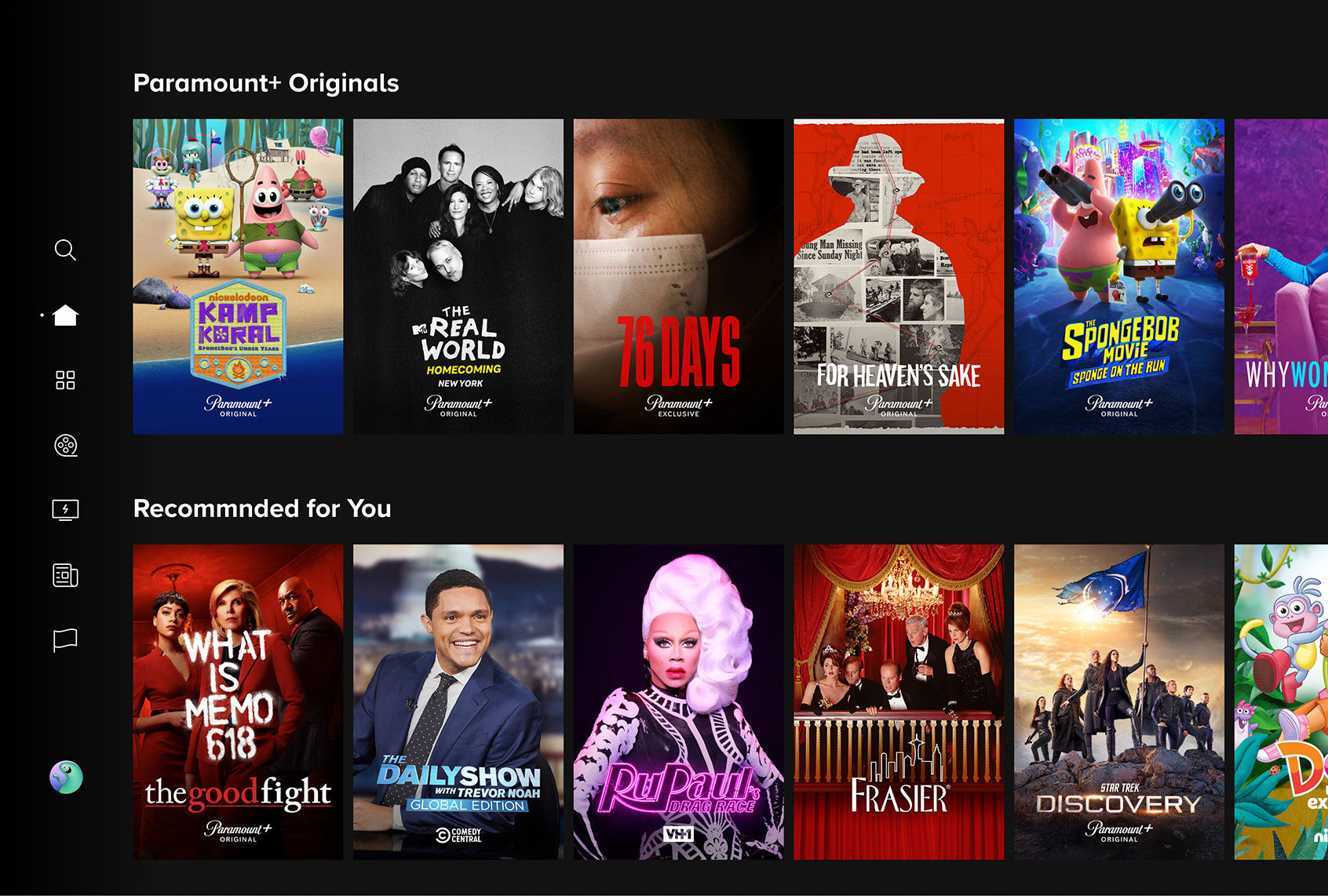
The technical evolution of Paramount+ from its origins as CBS All Access to its current iteration reflects the broader trends in the streaming industry. It is a case study in how legacy media companies are reinventing themselves as tech-first entities, prioritizing software stability, data analytics, and high-fidelity transmission to remain competitive in an era dominated by algorithmic discovery.
The Architecture of a Modern Streaming Giant
Building a platform capable of hosting tens of thousands of hours of 4K content requires an infrastructure that is both resilient and elastic. Paramount+ operates on a massive cloud-based architecture, utilizing high-performance Content Delivery Networks (CDNs) to minimize latency and prevent buffering. For a service that frequently hosts live global events, such as the Super Bowl or UEFA Champions League matches, the technical backend must be capable of handling massive surges in traffic without compromising stream quality.
Backend Infrastructure and Global Delivery
The backbone of the Paramount+ service relies on sophisticated load-balancing algorithms and edge computing. By distributing content across servers located closer to the end-user, the platform reduces the physical distance data must travel. This is critical for maintaining a “buffer-free” experience, especially as bitrates increase for 4K UHD and Dolby Vision content.
The transition to a unified global tech stack has allowed Paramount to scale rapidly across international markets. This involves localized content management systems (CMS) that can handle various languages, regional licensing restrictions, and varied payment gateways, all while maintaining a consistent core user experience. The engineering feat lies in the ability to push updates and features—such as new interactive overlays for sports—simultaneously across different geographical regions.
UI/UX Design: Navigating the Digital Library
From a software perspective, the user interface (UI) is the primary touchpoint between the user and the massive database of media. Paramount+ employs a “hub-and-spoke” design philosophy. The interface is categorized into distinct brand pillars—including Nickelodeon, MTV, Comedy Central, and the Smithsonian Channel—which act as curated sub-ecosystems within the main app.
This design is intentional, aiming to reduce “decision fatigue” through a visual hierarchy that highlights both trending titles and user-specific recommendations. The front-end development utilizes modern frameworks that ensure the app remains responsive, whether it is being accessed via a low-powered streaming stick, a high-end gaming console, or a mobile device. The challenge for the UI/UX team is maintaining aesthetic consistency while optimizing the code for varied hardware capabilities.
The Content Engine: Software and Integration Features
What truly defines the modern streaming experience is the layer of software that sits between the video file and the screen. Paramount+ has invested heavily in personalization engines and cross-platform synchronization features that track user behavior to refine the “Continue Watching” and “Recommended for You” carousels.
Cross-Platform Compatibility and Synchronization
One of the most vital technical features of Paramount+ is its robust state-synchronization. A user can start a film on a smart TV in their living room, pause it, and resume from the exact second on a smartphone during a commute. This requires a highly synchronized database that updates in real-time, tracking metadata such as timestamps, audio preferences, and subtitle settings across all logged-in devices.
Furthermore, the app is engineered to integrate with broader digital ecosystems. It supports Apple’s “TV” app integration, Amazon’s Prime Video Channels, and Google’s “Google TV” interface. This level of interoperability is achieved through standardizing APIs (Application Programming Interfaces), allowing third-party hardware to index Paramount’s content library for universal search results.
Personalized Recommendation Algorithms

The “What to Watch” section of Paramount+ is powered by machine learning models that analyze a user’s viewing history, the duration of time spent on specific genres, and even the time of day they consume content. These AI-driven tools are essential for surface-level discovery. By categorizing thousands of titles with deep metadata—tags ranging from “90s Nostalgia” to “High-Stakes Thriller”—the algorithm can predict with high accuracy what will keep a subscriber engaged.
Engagement isn’t just about the initial click; the software also monitors “churn” signals. If a user consistently stops watching a series halfway through, the algorithm adjusts, de-prioritizing similar content in the feed. This data-driven approach to content delivery is what separates modern streaming tech from the linear television models of the past.
Technical Specs: 4K, HDR, and Spatial Audio Support
For many tech enthusiasts, the value of a streaming service is measured in its technical output. Paramount+ has moved aggressively to support high-fidelity formats that cater to the “home theater” demographic. This involves not just the storage of high-resolution files, but the dynamic encoding required to stream them over varying internet speeds.
Optimizing the Viewing Experience on High-End Gadgets
The platform supports 4K Ultra HD, Dolby Vision, and HDR10, which provide significantly improved color depth and contrast compared to standard high definition. However, delivering these formats requires a high degree of technical optimization. The Paramount+ app uses adaptive bitrate streaming (ABS), which monitors the user’s bandwidth in real-time and adjusts the video quality accordingly. This prevents the stream from stopping entirely if the network fluctuates, instead opting to lower the resolution temporarily.
On the audio side, the integration of Dolby Atmos provides an immersive, spatial audio experience for users with compatible soundbars or multi-speaker setups. The technical challenge here is the synchronization of high-bandwidth audio with the video stream, ensuring that there is zero “lip-sync” latency, a common issue in lower-tier streaming software.
Connectivity and Offline Access Capabilities
The mobile version of the Paramount+ app includes a sophisticated download manager. This feature allows users to store encrypted video files on their device’s local storage for offline viewing. From a digital security and DRM (Digital Rights Management) perspective, this is a complex process. The app must manage “lease” timers for the content, ensuring that the files remain playable only as long as the subscription is active, and automatically purging expired content to save device space.
Additionally, the software supports “Watch Party” features in certain regions, which synchronize a video stream across multiple disparate devices, allowing users to watch together in real-time. This requires low-latency signaling between servers to ensure every participant is seeing the same frame at the same time.
Future Innovations: The Road Ahead for Paramount Tech
As we look forward, the technology powering Paramount+ is likely to evolve alongside advancements in artificial intelligence and network hardware. The integration of AI tools could revolutionize how content is localized and searched.
Integration with Emerging AI Tools
We are approaching a point where AI could be used to generate personalized trailers for users based on their specific interests. For example, if a user primarily watches action movies, the AI might curate a trailer for a drama series that emphasizes its most suspenseful, high-stakes moments. Furthermore, AI-driven closed captioning and real-time dubbing are on the horizon, which would significantly lower the barrier for global content consumption.
Another area of technical growth is the “gamification” of the streaming interface. As smart TVs become more powerful, we may see more interactive elements within the Paramount+ app—especially during live sports. Imagine being able to pull up real-time player statistics, alternate camera angles, or interactive polls directly on the screen without leaving the broadcast. This requires a “thin-client” app architecture that can handle heavy interactive overlays on top of a 4K video stream.

Expanding the Digital Frontier
The ultimate goal of Paramount’s technical strategy is ubiquity. Whether through integration with automotive infotainment systems—allowing passengers to stream content during transit—or through optimization for the next generation of VR/AR headsets, the focus is on “device-agnostic” delivery. The transition to 5G and eventually 6G networks will further enable high-fidelity streaming on the go, making the technical limitations of today’s mobile hardware a thing of the past.
In conclusion, “what is on Paramount” is a question that encompasses the entirety of the modern digital experience. It is a fusion of high-level software engineering, data-driven content curation, and a commitment to high-fidelity audio-visual standards. As the platform continues to refine its app ecosystem and embrace emerging technologies, it stands as a prime example of how the tech industry is reshaping the way we interact with global media. The value of the service lies not just in its storied library, but in the sophisticated digital pipeline that brings that library to life on screens of every size.
aViewFromTheCave is a participant in the Amazon Services LLC Associates Program, an affiliate advertising program designed to provide a means for sites to earn advertising fees by advertising and linking to Amazon.com. Amazon, the Amazon logo, AmazonSupply, and the AmazonSupply logo are trademarks of Amazon.com, Inc. or its affiliates. As an Amazon Associate we earn affiliate commissions from qualifying purchases.