
To ask “what is a Tesla?” is to delve deeper than merely identifying a car manufacturer or a technology company. It is to explore a phenomenon, a brand that has not only disrupted multiple established industries but has also cultivated a global identity synonymous with innovation, sustainability, and a futuristic vision. Tesla, Inc., under the leadership of Elon Musk, has transcended the traditional boundaries of a product company to become a powerful brand with a distinct corporate identity, a unique market strategy, and an unparalleled impact on consumer perception. This article will unpack the essence of the Tesla brand, examining its foundational pillars, its unconventional approach to marketing, and its profound influence on the global stage.
Defining the Tesla Brand: More Than Just a Car Company
At its core, the Tesla brand is an embodiment of a grand mission: “to accelerate the world’s transition to sustainable energy.” This ambitious goal underpins every product, every strategy, and every communication, making Tesla a mission-driven brand. It isn’t just selling electric vehicles; it’s selling a future. This powerful narrative forms the bedrock of its brand identity, resonating with a demographic eager for change and technological advancement.
A Visionary Mission: Accelerating the World’s Transition to Sustainable Energy
Tesla’s brand narrative is compelling because it’s rooted in a clear, aspirational mission. Unlike many companies that might prioritize profit or market share as their overt objective, Tesla frames its existence around a societal benefit. This gives the brand a moral high ground and fosters a sense of purpose among its employees and customers alike. Early adopters weren’t just buying a car; they were investing in a vision for a cleaner planet, enabled by cutting-edge technology. This mission-first approach has cultivated a loyal community, transforming customers into brand evangelists who actively promote Tesla’s values and products.
Disrupting Established Industries and Challenging Norms
The Tesla brand identity is intrinsically linked to its role as a disruptor. It didn’t just enter the automotive market; it fundamentally challenged its conventions. From its direct-to-consumer sales model, eschewing traditional dealerships, to its over-the-air software updates that continuously improve its vehicles post-purchase, Tesla redefined customer expectations. It tackled the energy sector with its Powerwall and Solar Roof products, aiming to decentralize power generation and consumption. This relentless pursuit of challenging the status quo, often against significant skepticism, has forged an image of a fearless, innovative, and pioneering brand that is unafraid to carve its own path.
The Pillars of Tesla’s Corporate Identity
Tesla’s corporate identity is built on several distinctive pillars that differentiate it from competitors and solidify its unique position in the market. These pillars contribute to the brand’s mystique and influence.
Innovation as Core Identity
Innovation isn’t just a department at Tesla; it’s woven into the very fabric of its brand. From its proprietary battery technology and advanced electric powertrains to its pioneering work in autonomous driving (Full Self-Driving, or FSD) and its giga-scale manufacturing processes, Tesla positions itself as a technological vanguard. This relentless drive for innovation ensures that the brand is always perceived as forward-thinking, pushing the boundaries of what’s possible. It appeals to consumers who are early adopters and those who value cutting-edge performance and functionality, creating a perception of exclusivity and technological superiority.
Leadership and Personality: The Elon Musk Effect
Few brands are as inextricably linked to their CEO as Tesla is to Elon Musk. Musk’s persona—his audacious vision, unfiltered communication style, and occasional controversial statements—is a significant component of the Tesla brand. He serves as the primary brand ambassador, often driving narratives and generating immense publicity without traditional marketing spend. This personal branding, while sometimes polarizing, creates a distinct, recognizable voice for Tesla that is dynamic, ambitious, and often inspiring. His vision provides a human face to the company’s lofty goals, fostering a connection with the public that many corporate entities struggle to achieve.
Direct-to-Consumer Model and Customer Relationship
Tesla’s decision to forgo the traditional dealership model in favor of a direct-to-consumer (D2C) approach is a cornerstone of its brand strategy. This model allows Tesla to maintain absolute control over the customer experience, from initial inquiry and purchase to service and software updates. By cutting out intermediaries, Tesla fosters a more direct and often more personalized relationship with its customers. This strategy reinforces the brand’s image as modern and customer-centric, focused on efficiency and transparency, and allows for direct feedback loops that inform product development and service improvements. The online configurator and sleek showrooms reinforce the modern, tech-forward image.
Tesla’s Unconventional Marketing and Brand Evangelism

One of the most striking aspects of the Tesla brand is its highly unconventional, almost non-existent, traditional marketing strategy. In an industry that spends billions on advertising, Tesla relies on organic growth, product news, and the power of its community.
Organic Growth and Social Media Power
Tesla rarely runs traditional advertisements. Instead, it leverages product launches, technological breakthroughs, and the media attention surrounding Elon Musk to generate buzz. Social media, particularly Twitter (now X), has been a pivotal platform for Musk to communicate directly with millions, share updates, and generate conversations about Tesla. This approach cultivates a sense of authenticity and immediate connection, allowing the brand to bypass traditional gatekeepers and speak directly to its audience. The resulting media coverage, often fueled by anticipation and speculation, serves as a powerful, cost-effective form of marketing, building immense brand awareness and desire.
Building a Community, Not Just a Customer Base
Tesla has cultivated a fervent, almost cult-like following. Its customers are more than just buyers; they are passionate advocates and members of a global community. This community actively engages in online forums, social media discussions, and even organizes unofficial meetups. Tesla fosters this sense of belonging by involving its users in product feedback, celebrating milestones, and creating a shared identity around sustainability and technological progress. This strong community acts as a powerful word-of-mouth marketing engine, amplifying the brand’s message and attracting new customers through authentic testimonials and shared experiences. This brand evangelism is a testament to the emotional connection Tesla has forged with its audience.
Design and User Experience: Reinforcing the Brand Image
The aesthetic and functional design of Tesla products are crucial components that reinforce its brand identity as modern, minimalist, and forward-thinking.
Minimalist Aesthetics and Functional Design
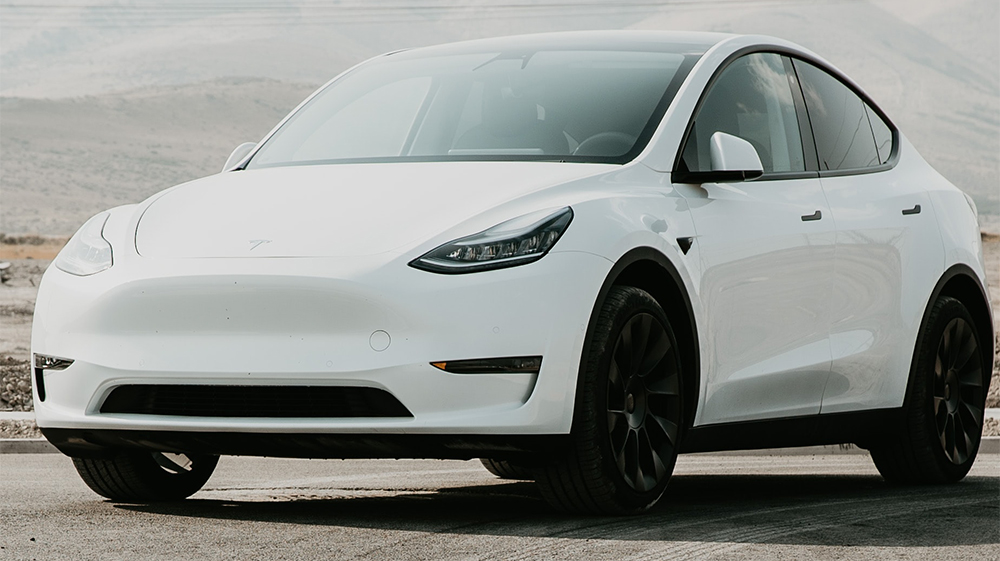
Tesla vehicles are instantly recognizable for their sleek, minimalist design. The exterior styling is clean, aerodynamic, and devoid of unnecessary embellishments, conveying a sense of sophistication and efficiency. This design philosophy extends to the interior, where large touchscreens dominate the dashboard, replacing physical buttons and creating a spacious, uncluttered environment. This minimalist approach aligns perfectly with the brand’s focus on technology and innovation, presenting vehicles that look and feel like products of the future, rather than just evolved versions of the past. The design isn’t just about looks; it’s about optimizing functionality and user interaction, making the technology accessible and intuitive.
Software-Defined Vehicles and Continuous Improvement
A core differentiator for the Tesla brand is its emphasis on software. Tesla vehicles are essentially “computers on wheels,” with capabilities that are primarily defined and improved through over-the-air (OTA) software updates. This means that a Tesla car can gain new features, improve performance, and even enhance safety long after it leaves the factory floor. This concept of continuous improvement reinforces the brand’s commitment to innovation and provides a unique value proposition: the car you buy today will be better tomorrow. This software-centric approach not only keeps the brand relevant but also strengthens customer loyalty by offering ongoing enhancements and demonstrating a dedication to future-proofing its products.
The Global Impact and Future of the Tesla Brand
Tesla’s brand influence extends far beyond its direct customers, profoundly impacting industries and global consciousness. Its trajectory continues to shape both automotive and energy landscapes.
Shaping the Automotive and Energy Landscapes
Tesla’s relentless pursuit of electric vehicles has forced traditional automakers to accelerate their own EV development, effectively ushering in a new era for the automotive industry. Its success has demonstrated the viability and desirability of electric transportation, proving that EVs can be high-performance, stylish, and practical. Similarly, in the energy sector, Tesla’s battery storage solutions (Powerwall, Megapack) and solar products are contributing to a decentralized, cleaner energy infrastructure, pushing the envelope for sustainable living. The Tesla brand has become a catalyst for industry-wide transformation, inspiring both competitors and consumers to embrace sustainable alternatives.
Challenges and Brand Resilience
Despite its monumental success, the Tesla brand is not without its challenges. It faces intense competition from legacy automakers and new EV startups, production hurdles, and scrutiny over its autonomous driving claims. However, the brand’s resilience is a testament to its strong foundation. Its ability to innovate, adapt, and maintain a clear vision, combined with its dedicated customer base, often allows it to weather storms that might cripple other companies. The strong brand identity and loyal community act as a buffer, ensuring continued relevance and demand even amidst setbacks.

The Evolving Legacy
The question “what is a Tesla?” will likely continue to evolve as the company expands its product lines and technological capabilities. Currently, it represents a powerful force in sustainable energy and advanced technology, driven by a visionary mission and an unconventional approach to business. Its brand legacy is one of disruption, innovation, and a bold reimagining of what a company can achieve. Tesla is more than just a manufacturer; it is a symbol of progress, a beacon for a sustainable future, and a masterclass in building a powerful, mission-driven brand in the 21st century.
aViewFromTheCave is a participant in the Amazon Services LLC Associates Program, an affiliate advertising program designed to provide a means for sites to earn advertising fees by advertising and linking to Amazon.com. Amazon, the Amazon logo, AmazonSupply, and the AmazonSupply logo are trademarks of Amazon.com, Inc. or its affiliates. As an Amazon Associate we earn affiliate commissions from qualifying purchases.