
Elon Musk’s name is synonymous with innovation, disruption, and an almost mythical ability to command market attention. As the CEO and public face of Tesla, his personal financial stake in the electric vehicle and clean energy giant is a subject of intense scrutiny for investors, financial analysts, and the general public alike. Understanding the nuances of his ownership—not just a simple percentage, but the mechanisms, evolution, and financial implications—is crucial for comprehending both his immense wealth and his profound influence over one of the world’s most valuable companies. This exploration delves into the financial architecture of Musk’s Tesla holdings, dissecting the layers of direct ownership, stock options, and performance awards that constitute his substantial position, all within the lens of investment and corporate finance.
The Evolving Landscape of Musk’s Tesla Ownership
Elon Musk’s journey with Tesla began not just as a visionary founder, but as a significant financial backer, eventually evolving into an intricate web of ownership shaped by compensation plans, market dynamics, and strategic financial decisions. His stake has never been static; it’s a living entity that reflects the company’s growth, his performance as CEO, and broader market conditions.
Initial Stakes and Early Investments
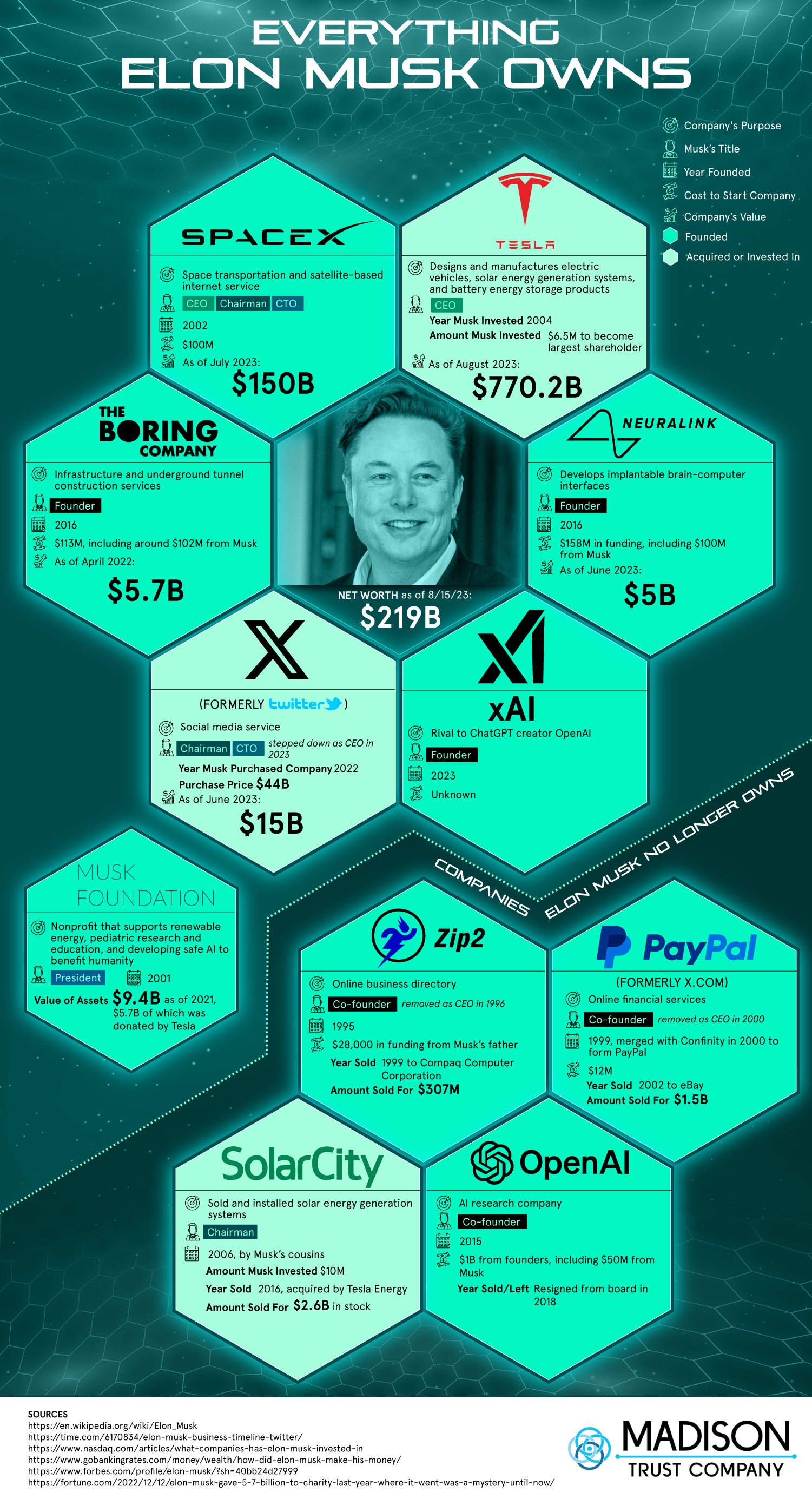
Musk was an early investor in Tesla, co-leading the Series A funding round in 2004 with a substantial investment of $6.5 million, becoming the largest shareholder and chairman of the board. While not one of the original founders (Martin Eberhard and Marc Tarpenning founded the company in 2003), his early financial commitment and subsequent leadership were pivotal. This initial capital infusion translated into a significant equity position from the outset. As the company navigated its early, tumultuous years and eventually went public in 2010, Musk’s ownership, while diluted by subsequent funding rounds, remained foundational. His willingness to put his own capital at risk in the nascent stages underscored his belief in Tesla’s mission and laid the groundwork for his future financial success.
Performance-Based Compensation and Stock Options
A cornerstone of Musk’s accumulating ownership has been Tesla’s highly unusual and aggressive performance-based compensation packages. Unlike traditional executive salaries, Musk famously takes no cash salary or bonus from Tesla. Instead, his compensation is entirely tied to the company’s market capitalization and operational milestones.
The most notable of these was the 2012 compensation plan, and even more significantly, the 2018 CEO Performance Award. The 2018 package granted Musk 12 tranches of stock options, each vesting only if Tesla hit audacious market capitalization and operational targets. For instance, to fully unlock the award, Tesla needed to reach a staggering $650 billion market capitalization (it has since surpassed $1 trillion) and achieve ambitious revenue and adjusted EBITDA goals. Each tranche gave Musk the right to buy 8.44 million shares at a deeply discounted exercise price (around $70 per share, adjusted for splits). This structure financially incentivized Musk to maximize shareholder value, directly linking his personal wealth to the company’s long-term success. As Tesla met these milestones, Musk’s option grants vested, allowing him to acquire millions of shares, thereby increasing his ownership stake.
Strategic Stock Sales and Acquisitions
While Musk has primarily been an acquirer of Tesla shares through his compensation plans, he has also engaged in strategic sales. These sales are typically driven by two primary factors:
- Tax Obligations: When Musk exercises his stock options, the “gain” (the difference between the exercise price and the market price at the time of exercise) is treated as taxable income. To cover these substantial tax liabilities, he often sells a portion of the newly acquired shares. This is a common practice for executives receiving stock-based compensation and should not be confused with a lack of confidence in the company.
- Funding Other Ventures/Personal Liquidity: On occasion, sales might be executed to fund his other ambitious projects, such as SpaceX, or for personal liquidity, although this has been less of a stated reason compared to tax obligations.
These sales, while significant in dollar terms, often represent a relatively small percentage of his total holdings at the time and are typically accompanied by the exercise of even larger tranches of options, effectively increasing his net share count over time. Understanding this dynamic is crucial for investors who might otherwise misinterpret large dollar-value sales as a bearish signal.
Quantifying Musk’s Current Tesla Equity
To truly grasp Musk’s financial power within Tesla, it’s essential to look beyond raw percentages and understand the value and nature of his holdings. His stake is not just a number on paper; it represents billions in personal wealth and significant voting power.
Percentage of Outstanding Shares
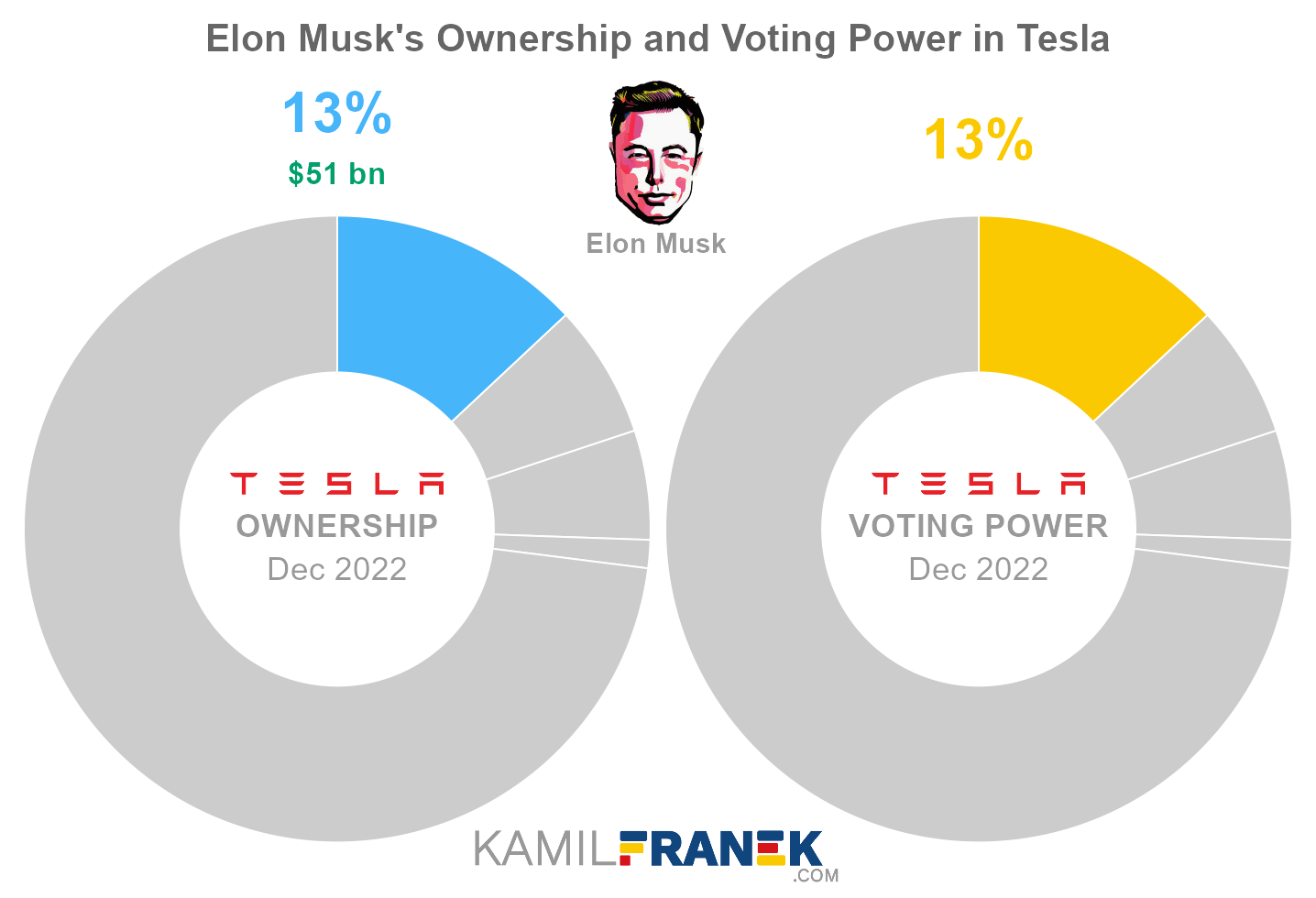
As of recent filings (which investors should always cross-reference with the latest SEC disclosures, primarily Form 4 filings and proxy statements), Elon Musk typically holds around 13-15% of Tesla’s outstanding shares directly. However, this figure can fluctuate. It includes shares he owns outright and shares he acquires through exercising stock options. Crucially, the “fully diluted” ownership percentage, which accounts for all outstanding stock options and convertible securities, might show a slightly different picture, but for practical purposes, his direct voting power is based on these outstanding shares.
It’s also important to consider the concept of a “beneficial owner”. The SEC defines a beneficial owner as anyone who has the power to vote or dispose of shares, directly or indirectly. While Musk’s direct ownership is substantial, his influence extends far beyond this due to his executive position and personal brand.
The Value of His Stake
Given Tesla’s immense market capitalization, which has fluctuated between $500 billion and over $1 trillion in recent years, even a 13-15% stake translates into a staggering personal fortune. If Tesla’s market cap is, for example, $800 billion, Musk’s 15% stake would be worth $120 billion. This single holding forms the largest component of his overall net worth, making him one of the wealthiest individuals globally. The volatility of Tesla’s stock price, therefore, directly impacts Musk’s personal financial standing, sometimes by tens of billions of dollars in a single day. This illustrates the profound concentration of his wealth within a single, publicly traded asset.
Distinguishing Direct Ownership from Options
A critical distinction for investors is between shares directly owned and unexercised stock options.
- Directly Owned Shares: These are shares Musk has fully acquired and holds, giving him immediate voting rights and full equity exposure. These are often held in brokerage accounts or trusts.
- Stock Options: These are the right, but not the obligation, to purchase shares at a predetermined price (the exercise price) within a specified timeframe. Until these options are exercised, they do not confer voting rights. Musk’s compensation packages have primarily granted him these options. When he “exercises” them, he pays the exercise price, and those options convert into actual shares, which then become part of his directly owned holdings. This process is often what triggers the need for stock sales to cover taxes.
Understanding this difference clarifies how his ownership has grown over time – it’s been a continuous process of earning and exercising options, converting potential future ownership into current, realized equity.

The Financial Power and Influence of a Major Shareholder
Holding such a substantial stake in a company like Tesla bestows immense financial power and unparalleled influence, shaping not only corporate strategy but also investor perception and market dynamics.
Voting Power and Corporate Governance
With a 13-15% stake, Elon Musk is by far Tesla’s largest individual shareholder. This level of ownership translates into significant voting power, allowing him to exert considerable influence over corporate governance. While he doesn’t own a majority, his large block of shares means:
- Board Elections: He has a strong voice in electing board members, many of whom are either closely aligned with him or directly appointed by him (e.g., his brother Kimbal Musk).
- Shareholder Proposals: His vote carries substantial weight on key shareholder proposals, such as executive compensation, mergers and acquisitions, or changes to the company’s articles of incorporation.
- Strategic Direction: While the board ultimately approves strategic decisions, Musk’s position as CEO and largest shareholder means his vision for the company’s future often becomes its de facto strategy, backed by his financial commitment.
This concentrated voting power provides a critical safeguard against hostile takeovers and allows him to pursue long-term, often unconventional, strategies without immediate fear of being outvoted by institutional investors who might prioritize short-term returns.
Impact on Investor Confidence and Market Perception
Musk’s financial stake is deeply intertwined with investor confidence. His willingness to tie his personal wealth so directly to Tesla’s performance is often seen as a powerful signal of his long-term commitment and belief in the company’s prospects. For many retail and institutional investors, Musk’s substantial ownership is a positive indicator, suggesting that the CEO’s interests are perfectly aligned with those of the shareholders.
However, this alignment also introduces unique risks. Musk’s often unconventional public statements, use of social media, and involvement in other ventures can lead to significant stock price volatility. Any major action he takes regarding his shares—whether exercising options, selling stock, or even pledging shares as collateral—is closely watched and can move the market. His persona and financial stake are so intertwined with Tesla that he effectively acts as a living, breathing financial instrument for the company.
Personal Wealth and Diversification Considerations
For Elon Musk personally, his immense Tesla stake forms the bedrock of his estimated net worth, making him one of the wealthiest individuals in history. However, from a financial planning perspective, such a highly concentrated position presents both extraordinary opportunities and significant risks. While it has enabled exponential wealth growth, it also means his net worth is heavily exposed to the performance of a single company and sector.
Traditional financial advice often advocates for diversification to mitigate risk. For someone like Musk, whose wealth is primarily tied to Tesla and SpaceX, true diversification would be challenging without divesting a substantial portion of his holdings, which could itself send negative market signals. The financial implications for Musk are therefore a balance of maintaining influence and growth potential versus managing the inherent risks of wealth concentration. His ability to access capital through various means, including pledging shares, further illustrates the financial leverage his ownership provides.
Implications for Tesla’s Financial Future
Elon Musk’s ownership is not merely a historical artifact; it continues to cast a long shadow over Tesla’s financial future, influencing everything from executive compensation structures to potential market reactions to his future financial moves.
Executive Compensation and Shareholder Dilution
The structure of Musk’s compensation, heavily reliant on performance-based stock options, means that as he continues to vest and exercise these options, new shares are often issued or acquired, which can lead to a slight dilution of existing shareholders’ ownership percentages. While the 2018 compensation package was highly beneficial in driving market cap growth, the exercise of these options does increase the total number of outstanding shares.
Future compensation plans for Musk, should he continue to lead Tesla, will likely follow a similar model, presenting a perpetual financial balancing act: incentivize the CEO for extraordinary performance while managing the degree of shareholder dilution. Investors must weigh the benefits of a highly motivated CEO against the potential for a slight reduction in their proportional ownership.
Potential Future Stock Sales and Market Reaction
Given the size of Musk’s holdings and the tax implications of exercising options, future stock sales are almost inevitable. Each time Musk sells a significant block of shares, even if primarily for tax purposes, the market often reacts with heightened volatility. Investors, analysts, and algorithmic trading systems scrutinize these moves for any underlying signals about Musk’s confidence in the company or his personal financial strategy.
Tesla’s board and Musk himself are acutely aware of this sensitivity. Any communication around future sales or option exercises is often carefully managed to minimize adverse market reactions, emphasizing the underlying tax motivations. The scale of these potential sales means they are always a factor in Tesla’s short-term trading dynamics, making them a recurring financial event investors must consider.
Alignment of Interests: CEO vs. Major Shareholder
One of the most compelling aspects of Musk’s ownership is the near-perfect alignment of his personal financial interests with those of Tesla’s long-term shareholders. By taking no cash salary and deriving almost all of his wealth from Tesla’s stock performance, Musk is financially incentivized to maximize the company’s value over extended periods. This structure is often applauded by corporate governance experts as it minimizes agency problems – where a CEO’s interests might diverge from those of shareholders.
However, this extreme alignment also has potential downsides. It could encourage hyper-aggressive strategies or investments that might carry higher risks, given Musk’s personal appetite for ambitious, often moonshot, projects. From a financial perspective, it means that his decisions, driven by his substantial equity, are deeply embedded in the company’s risk profile. Investors betting on Tesla are not just betting on a company; they are betting on Elon Musk’s singular vision, backed by his gargantuan financial stake. This confluence of leadership, innovation, and personal wealth makes Tesla an unparalleled case study in modern corporate finance and investment.
aViewFromTheCave is a participant in the Amazon Services LLC Associates Program, an affiliate advertising program designed to provide a means for sites to earn advertising fees by advertising and linking to Amazon.com. Amazon, the Amazon logo, AmazonSupply, and the AmazonSupply logo are trademarks of Amazon.com, Inc. or its affiliates. As an Amazon Associate we earn affiliate commissions from qualifying purchases.