
In the dynamic world of stock markets, few companies command as much attention and debate as Tesla, Inc. (TSLA). From its revolutionary electric vehicles (EVs) to its ambitious ventures in AI, energy storage, and robotics, Tesla has consistently defied conventional valuations, captivating investors and analysts alike. Understanding “what Tesla stock is worth today” goes beyond merely checking a real-time ticker; it requires a deep dive into its financial health, growth prospects, market sentiment, and the broader economic landscape. For both seasoned investors and curious onlookers, dissecting Tesla’s current valuation offers a fascinating case study in modern investing, blending fundamental analysis with the often-unpredictable forces of innovation and speculation.

Tesla’s journey on the stock market has been nothing short of extraordinary. From its initial public offering (IPO) price of $17 per share in 2010 to its meteoric rise, splits, and subsequent fluctuations, TSLA has delivered outsized returns while also exhibiting periods of significant volatility. This article aims to provide a comprehensive, insightful, and professional examination of what drives Tesla’s present value and what factors investors should consider when assessing its position in their portfolios.
Decoding Tesla’s Current Market Valuation
Determining the “worth” of a company like Tesla involves a multifaceted approach, combining immediate market data with broader financial metrics and expert opinions. It’s not just about the share price at any given moment but understanding the context behind that number.
The Immediate Snapshot: Real-Time Price and Market Cap
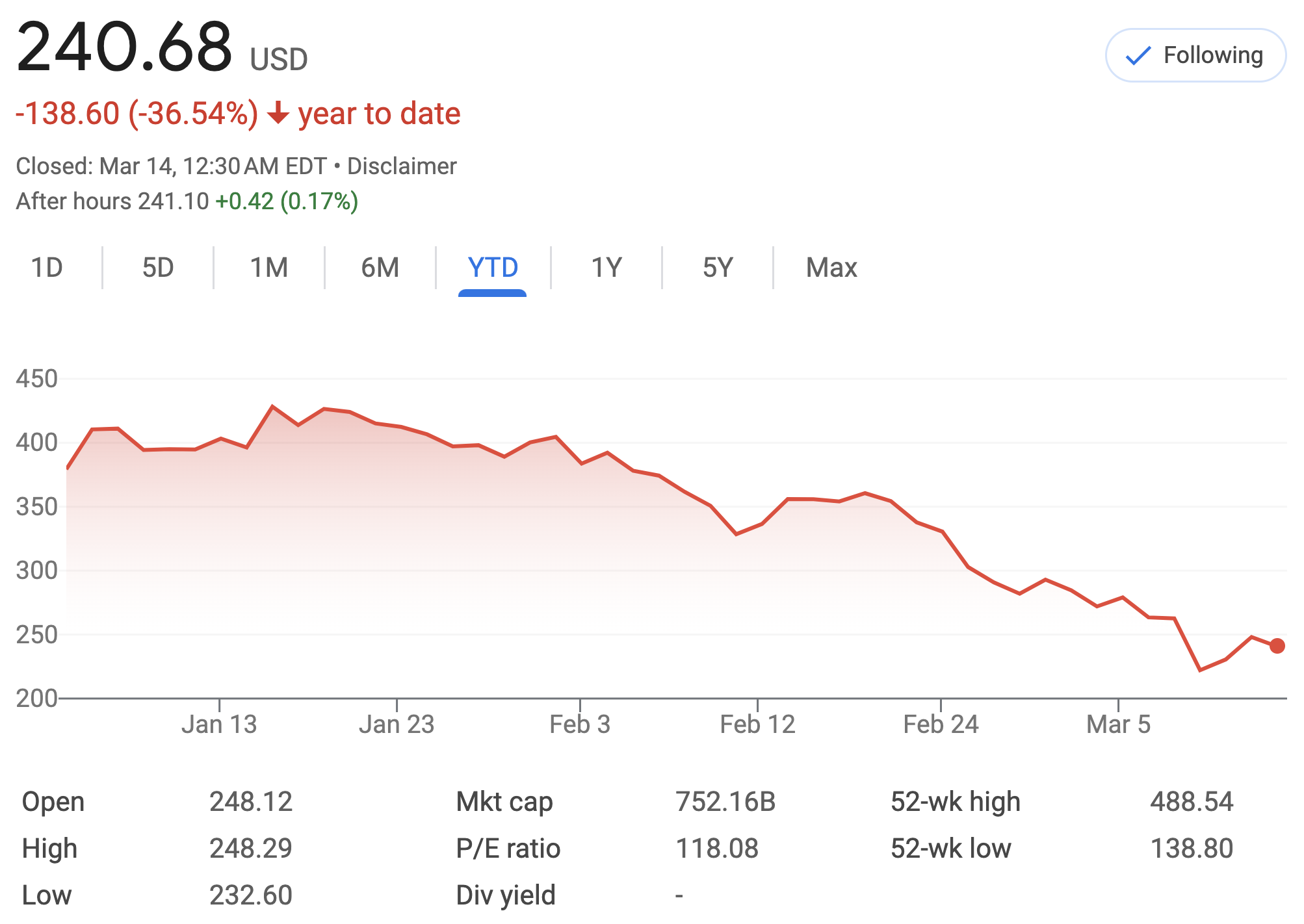
At its most fundamental level, Tesla’s worth today is reflected by its real-time stock price multiplied by the number of outstanding shares, yielding its market capitalization. This market cap represents the total dollar value of the company, as perceived by the stock market. However, this figure is a moving target, fluctuating continuously throughout trading hours based on supply and demand, news, and overall market sentiment. A high market capitalization indicates significant investor confidence in the company’s future earnings power and strategic direction, but it doesn’t inherently guarantee a “good” investment without further analysis. It’s crucial to remember that this immediate snapshot is a reflection of collective investor opinion, which can be rational or irrational in the short term.
Beyond the Ticker: Understanding P/E Ratios and Other Multiples
While the market cap offers a top-line view, deeper insights come from valuation multiples. The Price-to-Earnings (P/E) ratio is a widely used metric that compares a company’s current share price to its per-share earnings. For Tesla, this ratio has historically been significantly higher than traditional automotive manufacturers, reflecting investor expectations of exponential growth and profitability rather than just current earnings. A high P/E suggests investors are willing to pay a premium for future growth potential.
Other important multiples include the Price-to-Sales (P/S) ratio, which can be particularly useful for high-growth companies that may not yet have consistent profits, and Enterprise Value to EBITDA (EV/EBITDA), which provides a more capital-structure-neutral view of valuation. Comparing these ratios against industry averages and Tesla’s historical performance helps contextualize its current valuation. Tesla’s multiples often reflect its status not just as an automaker, but as a technology and energy company, blurring traditional industry lines and attracting a different set of valuation benchmarks.
Analyst Consensus and Price Targets
Wall Street analysts frequently issue reports and set price targets for TSLA stock, offering a collective expert view on its potential future worth. These targets are often derived from various valuation models, including discounted cash flow (DCF) analysis, relative valuation, and scenario planning. While analyst consensus can provide a useful benchmark, it’s essential to understand the assumptions behind these targets. Analysts often update their projections based on quarterly earnings, new product announcements, competitive shifts, and changes in the macroeconomic environment. Investors should consider the range of targets, the underlying methodologies, and the reputation of the analysts before relying solely on these projections.
Key Factors Driving Tesla’s Share Price
Tesla’s stock performance is influenced by a complex interplay of internal execution and external market forces. Understanding these drivers is critical to appreciating its current valuation.
Production and Delivery Numbers: The Core Business
At its heart, Tesla’s valuation is heavily tied to its ability to produce and deliver vehicles. Quarterly production and delivery figures are meticulously scrutinized by the market, serving as a direct indicator of operational efficiency, demand for its products, and scalability. Strong growth in these numbers reassures investors of the company’s ability to execute on its ambitious targets, while any slowdown or miss can trigger significant share price corrections. Beyond just the headline numbers, the mix of models, geographic distribution, and average selling prices (ASPs) also play a role in assessing the quality of these deliveries. The ramp-up of new factories (Gigafactories) and efficiency improvements are consistently factored into investor expectations.
Innovation and Technological Advancements
Tesla is often valued more as a technology company than a traditional automaker. Its advancements in battery technology, electric powertrains, autonomous driving (Full Self-Driving or FSD), and artificial intelligence are crucial drivers of its perceived value. Breakthroughs or perceived leadership in these areas can ignite investor excitement, while setbacks or increased competition can weigh heavily. The promise of FSD, in particular, has long been a major component of Tesla’s forward-looking valuation, with investors betting on its potential to unlock significant revenue streams through robotaxis and software services. The market’s anticipation of future innovations, such as humanoid robots like Optimus, also contributes to its growth premium.
Global Expansion and Market Share
Tesla’s strategy of global expansion, particularly in key markets like China and Europe, is another critical determinant of its growth trajectory and, consequently, its stock worth. The successful establishment of new Gigafactories in diverse regions not only increases production capacity but also enhances market penetration and reduces logistical complexities. However, this expansion also brings increased exposure to geopolitical risks, local competition, and regulatory hurdles. The company’s ability to capture and maintain a dominant market share in the rapidly evolving EV landscape is closely monitored, as it directly impacts long-term revenue and profitability potential.
Regulatory Environment and Government Incentives
Government policies and incentives play a significant role in stimulating EV demand and impacting Tesla’s bottom line. Subsidies, tax credits, and favorable regulatory frameworks for EVs and renewable energy can boost sales and improve profit margins. Conversely, changes in these policies, such as the phasing out of tax credits or the introduction of stricter environmental regulations, can create headwinds. Tesla’s ability to adapt to varying regulatory landscapes across different countries is crucial for sustaining its growth momentum. Furthermore, carbon credit sales, though a smaller component, have historically contributed to Tesla’s profitability and are influenced by environmental regulations.
Financial Performance and Profitability
While growth is important, sustained profitability and a strong financial foundation are paramount for long-term stock appreciation. Investors look beyond top-line revenue to understand the underlying efficiency and health of the business.
Revenue Growth and Profit Margins
Tesla’s ability to consistently grow its revenue is a primary indicator of its market success. This growth has historically been fueled by increasing vehicle deliveries, expanding product lines, and, to a lesser extent, revenue from energy generation and storage. Equally important are profit margins, which indicate how efficiently the company converts sales into profit. Improvements in gross margins (especially for automotive sales) and operating margins demonstrate better cost management, economies of scale, and pricing power. Declining margins, often due to price cuts or increased competition, can signal pressure on profitability and lead to investor concern.
Free Cash Flow and Balance Sheet Strength
Free Cash Flow (FCF) is a vital metric that shows how much cash a company generates after accounting for capital expenditures. Positive and growing FCF is crucial for funding future growth initiatives, reducing debt, or returning capital to shareholders. Tesla’s path to consistent FCF generation has been closely watched, signifying its transition from a capital-intensive startup to a financially self-sufficient enterprise.
A strong balance sheet, characterized by ample cash reserves and manageable debt levels, provides financial flexibility and resilience against economic downturns or unforeseen challenges. Tesla’s cash position has significantly improved over the years, giving it a strong war chest for investments in new technologies, production expansion, and potential acquisitions. This financial strength underpins its long-term viability and reduces investor risk.
Competitive Landscape and Pricing Strategies
The EV market is becoming increasingly crowded, with traditional automakers and new entrants vying for market share. Tesla’s pricing strategies, including periodic price adjustments and the introduction of new, more affordable models, directly impact its sales volumes, profitability, and competitive positioning. The ability to maintain technological leadership and brand loyalty in the face of intense competition is essential for sustaining its premium valuation. Investors closely monitor the competitive actions of rivals and Tesla’s strategic responses to gauge its long-term market dominance.
Navigating Volatility: Risks and Opportunities
Tesla’s stock has always been characterized by significant volatility, driven by both intrinsic company-specific factors and broader macroeconomic currents. Understanding these risks and opportunities is crucial for any investor.
Macroeconomic Headwinds and Interest Rates
The broader economic environment plays a substantial role in influencing consumer spending on big-ticket items like electric vehicles. Economic downturns, high inflation, or rising interest rates can dampen consumer demand, affect financing costs, and increase the cost of capital for businesses. High interest rates, in particular, can make growth stocks like Tesla less attractive as future earnings are discounted more heavily, and safer, income-generating investments become more appealing. Global economic uncertainties and potential recessions are constant considerations for investors.
Geopolitical Factors and Supply Chain Resilience
Tesla’s global manufacturing footprint and sales presence expose it to geopolitical risks, including trade tensions, regulatory changes, and international conflicts. Disruptions in global supply chains, such as those seen with semiconductor shortages or raw material price fluctuations, can significantly impact production capabilities and cost structures. The company’s ability to diversify its supply chains and mitigate these risks is vital for operational stability and predictable financial performance. Its reliance on specific markets for growth also makes it susceptible to local political and economic shifts.
Competition and Emerging Technologies
While Tesla has enjoyed a first-mover advantage and technological leadership in many areas, the competitive landscape is rapidly intensifying. Established automotive giants are pouring billions into their EV transitions, and new startups are emerging with innovative solutions. This increased competition could lead to pricing pressure, reduced market share, and a slowdown in Tesla’s growth trajectory. Furthermore, the rapid pace of technological development means that new battery chemistries, charging infrastructures, or autonomous driving solutions from rivals could challenge Tesla’s current advantages.
Leadership Influence and Shareholder Sentiment
Elon Musk, Tesla’s CEO, is a unique and often polarizing figure whose actions, statements, and other ventures frequently impact TSLA stock. His public persona, social media presence, and involvement in other companies (like SpaceX and X, formerly Twitter) can create both excitement and controversy, directly influencing shareholder sentiment. While his visionary leadership is often credited with Tesla’s success, concerns about his focus, potential share sales to fund other ventures, or controversial remarks can introduce additional layers of volatility and risk for investors.
The Long-Term Perspective: Is TSLA a Buy, Hold, or Sell?
For an investor asking “what is Tesla stock worth today,” the ultimate question often revolves around whether it represents a compelling investment opportunity. This requires moving beyond short-term fluctuations and adopting a long-term strategic view.
Valuation Models: Discounted Cash Flow (DCF) and Relative Valuation
Sophisticated investors and analysts often rely on valuation models like Discounted Cash Flow (DCF) to estimate a company’s intrinsic value. A DCF model projects a company’s future cash flows and discounts them back to the present, providing an estimate of what the company should be worth. For a high-growth company like Tesla, input assumptions about future revenue growth, profit margins, and capital expenditures are highly sensitive and can lead to a wide range of outcomes.
Relative valuation compares Tesla’s metrics (P/E, P/S, EV/EBITDA) to those of comparable companies or its own historical averages. While finding truly comparable companies for Tesla is challenging due to its diverse operations, this method helps gauge whether it’s trading at a premium or discount relative to its peers. Both DCF and relative valuation are essential tools, but they rely heavily on assumptions, making them more art than pure science, especially for a disruptive innovator like Tesla.
Growth Catalysts Beyond EVs: Energy, AI, and Robotics
Tesla’s long-term worth is not solely dependent on its automotive division. Its ventures into energy storage (Powerwall, Megapack), solar, artificial intelligence (Dojo supercomputer), and robotics (Optimus) represent significant potential growth catalysts. If these divisions achieve substantial scale and profitability, they could unlock entirely new revenue streams and dramatically increase Tesla’s overall valuation. Investors betting on these “moonshot” projects are effectively valuing Tesla based on its potential to disrupt multiple industries beyond just transportation. The successful commercialization and deployment of these technologies could redefine Tesla’s identity and financial profile in the coming decades.

Investor Profile and Risk Tolerance
Ultimately, whether Tesla stock is “worth” buying, holding, or selling today depends significantly on an individual investor’s financial goals, time horizon, and risk tolerance. Tesla is not a low-risk investment; its valuation often incorporates significant future growth expectations, making it susceptible to large price swings based on news, sentiment, and execution.
- Growth-oriented investors with a high risk tolerance and a long-term perspective might view dips as buying opportunities, believing in Tesla’s ability to execute on its ambitious vision across multiple sectors.
- Value investors might find its current multiples too high and seek more conservatively valued companies, or wait for a significant pullback.
- Short-term traders might capitalize on its volatility, but this strategy carries substantial risk.
Before making any investment decision, it is paramount to conduct thorough due diligence, understand personal financial circumstances, and consider consulting with a qualified financial advisor. Tesla’s story is one of innovation and disruption, and its stock worth today is a reflection of its current achievements and the enormous potential, and risks, that lie ahead.
aViewFromTheCave is a participant in the Amazon Services LLC Associates Program, an affiliate advertising program designed to provide a means for sites to earn advertising fees by advertising and linking to Amazon.com. Amazon, the Amazon logo, AmazonSupply, and the AmazonSupply logo are trademarks of Amazon.com, Inc. or its affiliates. As an Amazon Associate we earn affiliate commissions from qualifying purchases.