
In an increasingly digitized world, the methods by which we conduct financial transactions have evolved dramatically. At the forefront of this revolution stands PayPal, a pioneering digital payment platform that has reshaped how consumers pay and how businesses get paid. The question “what stores use PayPal” is more relevant than ever, reflecting both the platform’s extensive reach and consumers’ desire for secure, convenient, and flexible payment options. This article delves into PayPal’s widespread adoption across various retail sectors, explores the underlying financial benefits for both shoppers and merchants, and offers insights into leveraging this powerful financial tool effectively.

PayPal’s journey began with the promise of simplifying online transactions, and it has since grown into a global financial powerhouse, accepted by millions of businesses worldwide. From vast e-commerce giants to independent local shops, its presence is a testament to its reliability and adaptability. For the consumer, PayPal represents not just a payment method but a secure financial intermediary that protects sensitive banking details. For businesses, it opens doors to a vast customer base, streamlines checkout processes, and offers robust fraud protection, contributing significantly to their financial health and operational efficiency. Understanding where and why PayPal is utilized sheds light on critical aspects of modern personal and business finance, highlighting the strategic choices made by both consumers and corporations in the digital economy.
The Ubiquity of PayPal in E-commerce: A Cornerstone of Online Transactions
PayPal’s most pronounced impact has undeniably been within the realm of e-commerce. Its early integration with online marketplaces and its subsequent expansion across diverse retail websites have cemented its status as a cornerstone of digital shopping. For businesses, accepting PayPal is not merely about offering another payment option; it’s about tapping into a massive, pre-qualified user base and enhancing the financial flow of online sales.
Global Reach and Market Penetration
PayPal’s influence extends far beyond national borders, making it a critical tool for international trade and cross-border shopping. Its ability to handle multiple currencies and facilitate secure transactions between buyers and sellers in different countries has propelled its global market penetration. For consumers, this means the freedom to purchase goods and services from virtually any corner of the globe without the complexities of traditional international banking. For merchants, it translates into an expanded market reach, allowing them to sell to a worldwide audience, thereby diversifying their revenue streams and bolstering their financial growth potential. The platform’s integrated fraud protection and buyer/seller protections further mitigate the financial risks often associated with international transactions, providing peace of mind for both parties. This global interoperability is a significant financial advantage, fostering a more interconnected and accessible global marketplace.
The Seamless Online Shopping Experience
One of PayPal’s most celebrated features is the unparalleled ease it brings to the online checkout process. Instead of laboriously entering credit card numbers, billing addresses, and shipping details for every purchase, users can complete transactions with just a few clicks or taps, often without needing to recall their full card details. This streamlined experience is not just a convenience; it’s a critical financial driver for e-commerce businesses. Studies have consistently shown that complicated or lengthy checkout processes lead to high cart abandonment rates, directly impacting a retailer’s bottom line. By reducing friction, PayPal helps merchants minimize lost sales opportunities and maximize conversion rates, contributing directly to increased revenue. For consumers, the efficiency means less time spent on administrative tasks and more time enjoying their purchases, while also feeling secure that their sensitive financial information is not repeatedly shared with multiple vendors.
Key Online Retail Giants Embracing PayPal
A vast array of prominent online retailers proudly display the PayPal logo, signaling their commitment to offering preferred payment flexibility. E-commerce behemoths like eBay, where PayPal originated as the primary payment method, continue to heavily feature it. Major fashion and apparel retailers such as ASOS, Adidas, Nike, and Zappos integrate PayPal seamlessly into their checkout flows, understanding their tech-savvy customer base. Electronics giants like Dell and HP also accept PayPal, catering to consumers making significant purchases who value the added security layers. Furthermore, numerous travel and entertainment sites, including Expedia, Booking.com, and many airline carriers, offer PayPal as an option, recognizing the convenience for larger, often multi-party transactions. Even without direct integration, services like purchasing gift cards through PayPal or using the PayPal Key virtual card can extend its reach to platforms like Amazon, demonstrating its extensive utility in the broader online retail ecosystem. This widespread acceptance among market leaders reinforces PayPal’s status as a default and trusted payment option for millions of online shoppers globally.
Beyond the Web: PayPal’s Presence in Physical Retail
While PayPal gained prominence in the digital sphere, its ambition to be a comprehensive financial tool has led it to expand its footprint into brick-and-mortar retail. This expansion reflects a strategic move to cater to evolving consumer habits and bridge the gap between online and offline spending, ensuring that PayPal remains relevant across all transaction environments.
In-Store Payment Solutions and Flexibility
PayPal has introduced various solutions to facilitate in-store payments, aiming to replicate the convenience of its online platform in physical locations. The PayPal Debit Card allows users to spend funds directly from their PayPal balance, functioning like a traditional debit card but drawing from their digital wallet. Furthermore, many merchants accept PayPal via QR code payments, where customers scan a code at checkout using the PayPal app to authorize a transaction. This “scan to pay” method is gaining traction, particularly in smaller businesses and markets outside traditional card infrastructure. Some larger retailers also integrate PayPal into their point-of-sale (POS) systems, allowing customers to pay by entering their phone number and a PIN. The emergence of contactless payment options, like PayPal Credit or Pay in 4 integrated with digital wallets (where applicable), also allows for more flexible spending and repayment structures in physical stores. These methods not only enhance consumer convenience but also offer businesses diverse ways to accept payments without necessarily investing in new, expensive hardware, thereby optimizing their financial operations.
Small Businesses and Service Providers
PayPal has always been a vital tool for small businesses and independent service providers. Its low barrier to entry and straightforward fee structure make it an attractive option for entrepreneurs who may not have the resources for complex merchant accounts. Many independent boutiques, local cafes, artisans, and freelancers use PayPal Here (a mobile card reader and app) or simply generate invoices via the PayPal platform to accept payments. For these businesses, PayPal simplifies financial management, provides instant payment notifications, and streamlines record-keeping, allowing them to focus more on their core services rather than administrative overhead. It also offers them credibility, as customers often trust the PayPal brand with their financial information. This accessibility is crucial for the growth of the small business sector, enabling them to compete more effectively and manage their finances with greater ease.
Everyday Essentials and Groceries
While less prevalent than in specialized retail, PayPal’s reach is extending into the realm of everyday essentials and groceries. Consumers can use their PayPal Debit Card at virtually any store that accepts MasterCard, making it a viable option for supermarket runs, pharmacy purchases, and gas station fill-ups. Additionally, some grocery chains and convenience stores, particularly those with strong online ordering and pickup/delivery services, integrate PayPal into their digital checkout flows. For example, apps like Instacart or DoorDash, which deliver groceries and food, often accept PayPal. This integration means that consumers can manage a significant portion of their daily and weekly spending through their PayPal account, centralizing their financial transactions and simplifying budgeting. As digital wallets become more ubiquitous and QR code payment adoption grows, we can expect to see PayPal’s presence in the grocery and daily essentials market expand further, solidifying its role in managing personal finance for essential expenditures.
Why Merchants Choose PayPal: A Financial Perspective
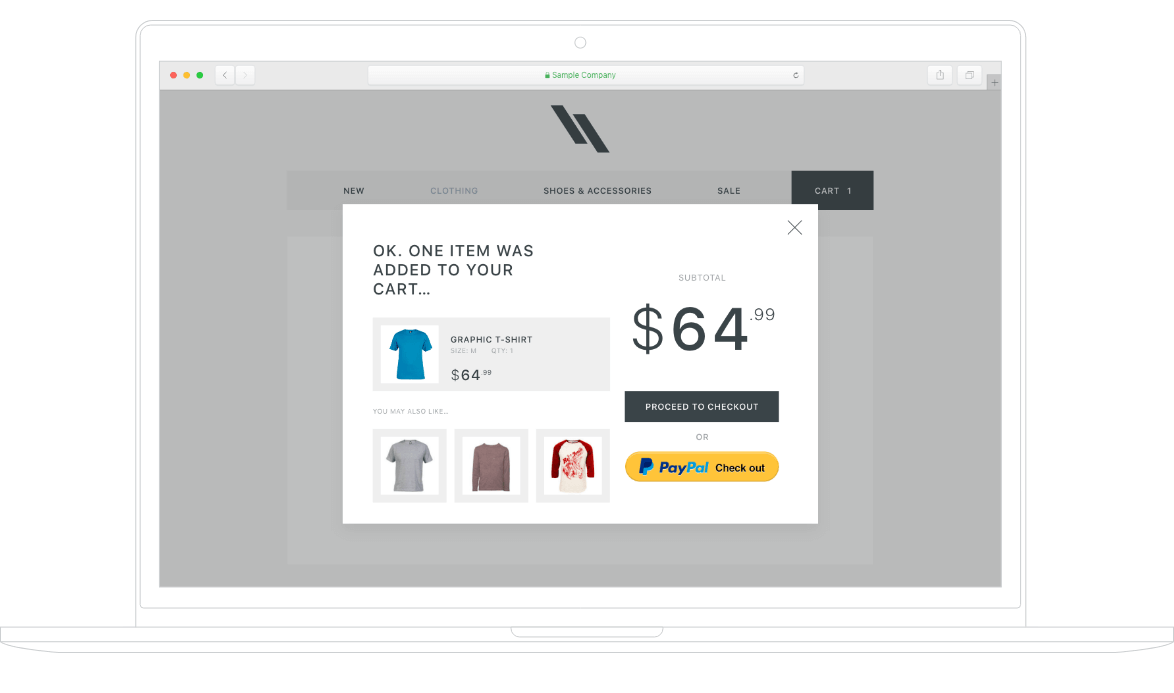
The widespread acceptance of PayPal by businesses isn’t accidental; it’s a strategic financial decision driven by a clear understanding of the benefits it provides. For merchants, PayPal offers a compelling package that addresses critical aspects of business finance, from security to customer acquisition.
Enhanced Security and Fraud Protection
In the digital age, cybersecurity threats and fraud are constant concerns for businesses, potentially leading to significant financial losses and reputational damage. PayPal provides merchants with robust fraud protection tools and sophisticated encryption technologies that safeguard sensitive transaction data. This protection extends to both buyer and seller, reducing the financial risk associated with accepting online payments. By leveraging PayPal’s security infrastructure, businesses can minimize chargebacks, protect against unauthorized transactions, and reduce the administrative burden and costs associated with managing fraud internally. This not only secures their revenue but also builds customer trust, encouraging repeat business—a clear financial advantage in a competitive market.
Streamlined Transactions and Reduced Cart Abandonment
As discussed earlier, a seamless checkout process is paramount for online sales. PayPal’s one-click payment option significantly reduces the time and effort required for customers to complete a purchase. This efficiency directly translates into lower cart abandonment rates for merchants. When customers face fewer hurdles, they are more likely to finalize their purchase, leading to increased sales and improved revenue. For businesses, this means fewer potential customers dropping off at the last moment, optimizing their marketing and sales funnel’s financial return on investment. The convenience offered by PayPal is not just a customer perk; it’s a powerful financial tool for boosting conversion rates and overall profitability.
Access to a Vast User Base
PayPal boasts hundreds of millions of active users globally, many of whom prefer to use PayPal for their online transactions due to its security and convenience. By accepting PayPal, merchants immediately gain access to this enormous, pre-qualified customer base. This is akin to a built-in marketing channel, as PayPal users often seek out merchants who offer their preferred payment method. For businesses, this means a broader potential customer pool without additional marketing spend, leading to increased sales volumes and market share. It’s a strategic move to meet customers where they are, catering to their preferred financial tools and habits, thereby driving traffic and revenue to their platforms.
Merchant Tools and Business Solutions
Beyond just payment processing, PayPal offers a suite of business tools designed to help merchants manage their finances more effectively. This includes customizable invoicing, comprehensive sales reporting, and integration with various accounting software. Small businesses can utilize PayPal for managing inventory, tracking expenses, and even processing payroll. For growing enterprises, features like dispute resolution services and seller protection against ineligible payments offer crucial support. These tools streamline back-office operations, reduce administrative costs, and provide valuable financial insights, enabling businesses to make data-driven decisions that contribute to their long-term financial stability and growth. PayPal positions itself not just as a payment processor, but as a holistic financial partner for businesses of all sizes.
Maximizing Your PayPal Experience as a Consumer
For consumers, PayPal is more than just a way to pay; it’s a versatile financial tool that, when understood and utilized effectively, can enhance security, manage spending, and even provide access to credit.
Identifying PayPal-Friendly Merchants
The easiest way to identify stores that accept PayPal is to look for the distinct blue and white PayPal logo at the checkout page of online stores or on payment signage in physical locations. Many websites will also feature “PayPal” as a payment option early in their checkout flow. For brick-and-mortar stores, asking staff or checking for decals near the register is advisable. Browser extensions and mobile apps can also sometimes flag PayPal acceptance. Recognizing these indicators allows consumers to prioritize merchants who offer their preferred secure payment method, enhancing their shopping experience and financial peace of mind. Actively seeking out PayPal-friendly merchants means you can consolidate your spending through a single, secure platform, simplifying your personal financial tracking.
Leveraging PayPal’s Financial Tools (Credit, Pay in 4)
PayPal offers several financial tools beyond basic payment processing that can benefit consumers. PayPal Credit (formerly Bill Me Later) provides a reusable credit line for eligible purchases, often with promotional financing offers like 0% interest for a set period. This can be a valuable tool for managing larger expenses or making purchases that require flexible repayment. Pay in 4 allows consumers to split eligible purchases into four interest-free payments over several weeks. This option is particularly useful for budgeting and managing cash flow, enabling consumers to make necessary purchases without a large upfront financial commitment. Understanding and strategically using these features can significantly impact personal finance, allowing for more flexible budgeting and responsible credit usage.
Security Best Practices for Shoppers
While PayPal offers robust security, consumers also play a crucial role in protecting their financial information. Always use a strong, unique password for your PayPal account and enable two-factor authentication (2FA). Be wary of phishing emails or suspicious links claiming to be from PayPal; always navigate directly to the PayPal website or app. Regularly review your transaction history for any unauthorized activity. Avoid making purchases on unsecured public Wi-Fi networks. By adhering to these best practices, consumers can significantly reduce their risk of fraud and ensure their PayPal account remains a secure and reliable financial tool for all their transactions. Personal vigilance complements PayPal’s security features, creating a robust defense for your financial data.
The Future of Payments and PayPal’s Enduring Role
The digital payment landscape is constantly evolving, with new technologies and consumer expectations shaping its direction. PayPal, as a veteran in this space, is continuously adapting to maintain its relevance and leadership position.
Adapting to Evolving Consumer Habits
Consumer payment habits are dynamic, driven by factors like mobile device proliferation, the rise of buy-now-pay-later (BNPL) services, and an increasing preference for contactless transactions. PayPal has proactively responded to these shifts by integrating BNPL options like Pay in 4, enhancing its mobile app functionality, and exploring integrations with various digital wallets and tap-to-pay systems. For businesses, this means PayPal is committed to offering payment solutions that resonate with their target audience’s evolving financial behaviors, ensuring they can continue to capture sales effectively. For consumers, it signifies that PayPal remains a forward-thinking platform, providing modern, convenient ways to manage their money and make purchases.
Integration with Emerging Technologies
PayPal is actively exploring and integrating with emerging technologies to future-proof its services. This includes blockchain technology for potential cryptocurrency integration, advanced AI for enhanced fraud detection and personalized financial services, and deeper integration with voice assistants and IoT devices for seamless commerce. Such innovations are not just technological upgrades; they represent strategic investments in the future of finance, aiming to offer even more efficient, secure, and intuitive payment experiences. For financial users, this means PayPal is poised to remain at the cutting edge of payment solutions, offering access to next-generation financial tools.
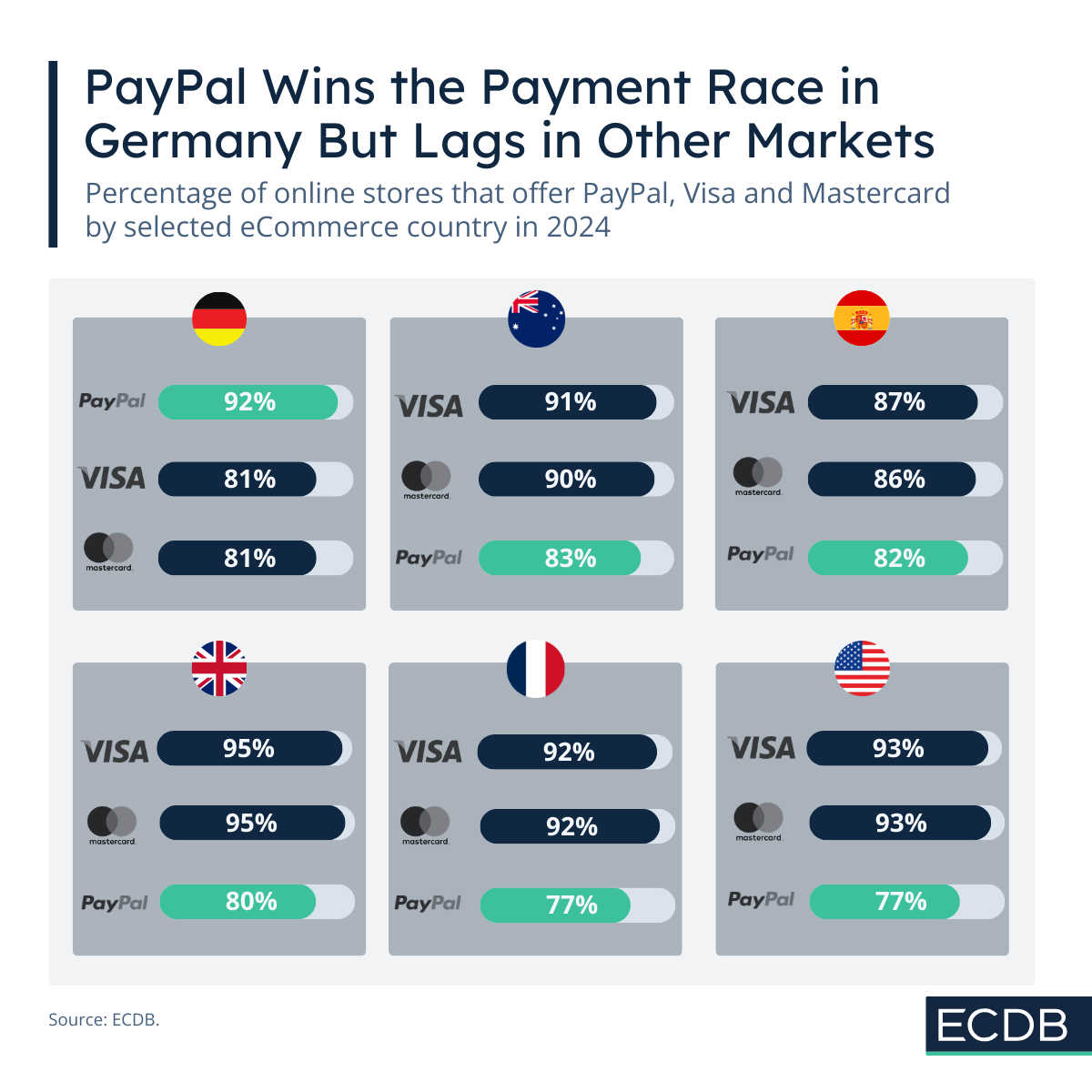
The Continued Evolution of a Financial Powerhouse
From its origins as an eBay payment processor, PayPal has transformed into an independent financial powerhouse, offering a comprehensive suite of services ranging from payment processing and credit solutions to business tools and peer-to-peer transfers. Its strategic acquisitions, partnerships, and continuous innovation underscore its commitment to evolving with the global financial ecosystem. As digital transactions become the norm and the lines between online and offline commerce blur further, PayPal’s enduring role as a trusted intermediary, a source of financial flexibility, and a driver of economic efficiency for both individuals and businesses appears assured. Its continuous adaptation ensures that the answer to “what stores use PayPal” will only continue to grow, solidifying its position as an indispensable part of our financial lives.
aViewFromTheCave is a participant in the Amazon Services LLC Associates Program, an affiliate advertising program designed to provide a means for sites to earn advertising fees by advertising and linking to Amazon.com. Amazon, the Amazon logo, AmazonSupply, and the AmazonSupply logo are trademarks of Amazon.com, Inc. or its affiliates. As an Amazon Associate we earn affiliate commissions from qualifying purchases.