
The federal tax return is often seen as a necessary annual chore, a complex labyrinth of forms and figures. However, beyond the immediate obligation, it serves as a cornerstone of the U.S. financial system and a critical component of personal financial health. Understanding what a federal tax return is, why we file it, and how it functions demystifies this process and empowers individuals to manage their finances more effectively. At its core, it’s a comprehensive report filed with the Internal Revenue Service (IRS) detailing an individual’s or entity’s income, expenses, and other relevant financial information for a specific tax year. This report determines whether you owe additional taxes to the government, are due a refund, or have broken even. Far from being a mere transaction, it’s a detailed financial narrative that reflects your economic activities and contributes to the funding of public services nationwide.
Understanding the Fundamentals of the Federal Tax Return
To truly grasp the significance of the federal tax return, one must first appreciate its foundational elements: its definition, its multifaceted purpose, and the criteria that dictate who must file. These fundamentals lay the groundwork for a more profound engagement with the tax system.
Defining the Federal Tax Return
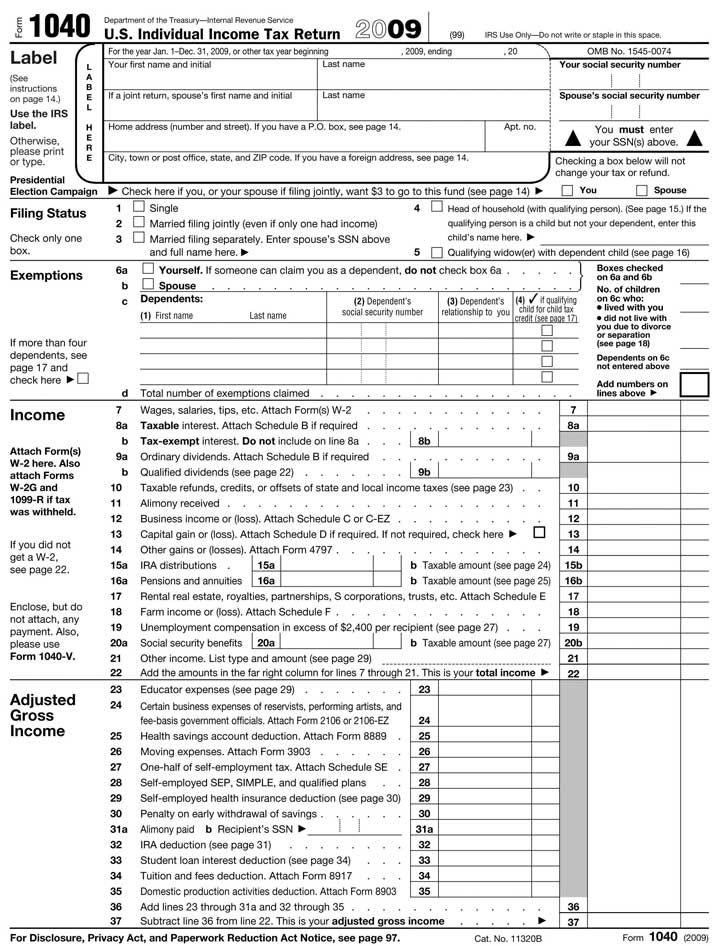
A federal tax return is an official document, typically Form 1040 for individuals, that taxpayers submit to the Internal Revenue Service (IRS) each year. This document itemizes all taxable income received during the previous calendar year, including wages, salaries, investment income, business profits, and other earnings. Simultaneously, it accounts for any allowable deductions, credits, and adjustments that can reduce the amount of income subject to tax, or directly reduce the tax owed. The information reported on a federal tax return is used by the IRS to calculate a taxpayer’s final tax liability for the year. This liability is then compared against any taxes already withheld from paychecks or paid through estimated tax payments. The outcome determines if the taxpayer receives a refund, owes additional tax, or if their tax liability has been perfectly matched by their payments. It’s a snapshot of a taxpayer’s financial year from the perspective of the government’s revenue collection.
The Core Purpose: More Than Just Paying Taxes
While the immediate perception of a tax return often revolves around paying taxes, its purpose extends far beyond simple revenue collection. Firstly, it ensures an equitable distribution of the tax burden, as individuals are taxed based on their income and financial circumstances, considering various allowances and social policies. Secondly, the aggregate data collected through tax returns is vital for economic analysis and policy-making. It provides insights into income distribution, consumption patterns, and investment trends, which inform government decisions on fiscal policy, social programs, and infrastructure development. For individuals, filing a tax return is essential for accessing certain government benefits, like tax credits for education or retirement savings, which can significantly reduce their tax liability or even provide a financial boost. It also serves as official documentation of income, crucial for loan applications, government aid, or even demonstrating financial stability for immigration purposes. Moreover, the tax system allows for the redistribution of wealth, funding essential public services such as national defense, education, healthcare, infrastructure, and social security, all of which contribute to the collective well-being of the nation.
Who is Required to File?
Not everyone is required to file a federal tax return every year. The obligation primarily depends on several factors, including the taxpayer’s gross income, filing status (e.g., single, married filing jointly, head of household), age, and whether they are claimed as a dependent by another taxpayer. For instance, in 2023 (for tax year 2023), a single individual under 65 typically needed to file if their gross income was at least $13,850. These thresholds are adjusted annually for inflation. However, even if your income falls below the filing threshold, it can still be advantageous to file. This is especially true if taxes were withheld from your paychecks or if you qualify for refundable tax credits, such as the Earned Income Tax Credit (EITC) or the Child Tax Credit. Filing in such cases is the only way to claim these credits and receive a refund you might be due. Conversely, certain types of income, regardless of the amount, may also trigger a filing requirement, such as net earnings from self-employment above a certain threshold. It’s crucial for individuals to consult the latest IRS guidelines or a tax professional to determine their specific filing obligation, ensuring compliance and avoiding potential penalties.
Navigating the Components and Types of Returns
Once the fundamental necessity of filing is established, the next step involves understanding the anatomy of the tax return itself – the information it requires and the various forms it can take. This insight is key to accurate and efficient tax preparation.
Key Information Reported on Your Return
A federal tax return is a detailed financial summary, requiring a broad spectrum of personal and financial data. The core information reported includes your personal details (name, Social Security number, address), your filing status, and details of your dependents if applicable. The most significant section details all sources of income, which could range from wages and salaries (reported on Form W-2), interest and dividends (Forms 1099-INT, 1099-DIV), capital gains or losses (Form 1099-B), business income (Schedule C for sole proprietors), rental income (Schedule E), and other miscellaneous income. Following income, taxpayers report any adjustments to income, such as deductions for IRA contributions, student loan interest, or self-employment tax. Next are deductions, where taxpayers choose between the standard deduction (a fixed amount based on filing status) or itemized deductions (specific expenses like medical costs, state and local taxes, or home mortgage interest, reported on Schedule A). Finally, the return accounts for various tax credits – dollar-for-dollar reductions in tax liability – such as the Child Tax Credit, education credits, or credits for energy-efficient home improvements. The combination of all this data paints a complete picture for the IRS to assess your tax due or refund.
Exploring Different Federal Tax Forms (e.g., Form 1040)
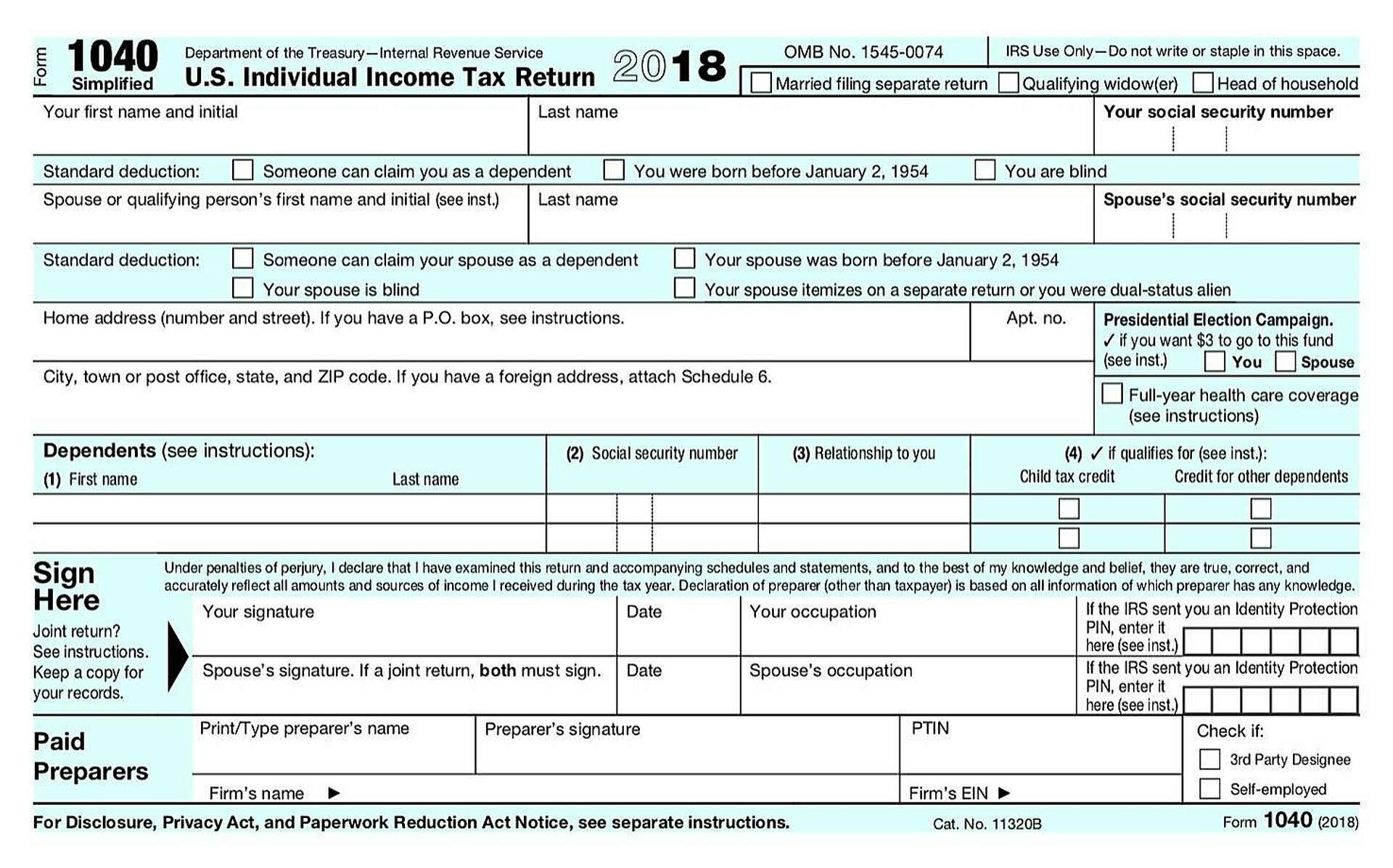
For most individual taxpayers, the primary federal tax return form is Form 1040, U.S. Individual Income Tax Return. This is the standard form used to report income, calculate deductions and credits, and determine the final tax liability or refund. Historically, there were simpler forms like Form 1040-EZ or 1040-A, but these have been consolidated into the modernized Form 1040, which now includes checkboxes and sections to accommodate different complexities. The Form 1040 acts as the cover sheet, summarizing the most important figures. However, for specific income types, deductions, or credits, taxpayers must attach various supplementary forms and schedules. For instance, Form 1040-SR is a version of Form 1040 specifically designed for seniors, featuring a larger font and a tax worksheet for determining the standard deduction. Beyond individuals, businesses file different federal tax returns: Form 1120 for C corporations, Form 1120-S for S corporations, and Form 1065 for partnerships. Each form is tailored to the specific legal and financial structure of the entity, ensuring that all relevant income, expenses, and ownership structures are accurately reported to the IRS.
Common Schedules and Their Significance
Attached to the main Form 1040 are various “schedules,” which provide additional detail for specific types of income, deductions, or credits. These schedules are integral to a complete and accurate tax return.
- Schedule A, Itemized Deductions: Used by taxpayers who choose to itemize rather than take the standard deduction. This form lists specific expenses like medical and dental expenses, state and local taxes, home mortgage interest, and charitable contributions.
- Schedule B, Interest and Ordinary Dividends: Reports interest income over $1,500 and ordinary dividends over $1,500, as well as foreign accounts and trusts.
- Schedule C, Profit or Loss from Business (Sole Proprietorship): Essential for self-employed individuals and independent contractors, detailing business income and expenses to calculate net profit or loss.
- Schedule D, Capital Gains and Losses: Reports gains and losses from the sale or exchange of capital assets (like stocks, bonds, or real estate).
- Schedule E, Supplemental Income and Loss: Used to report income or loss from rental real estate, royalties, partnerships, S corporations, estates, and trusts.
- Schedule SE, Self-Employment Tax: Calculates the Social Security and Medicare taxes owed by individuals who are self-employed.
- Schedule 8812, Credits for Qualifying Children and Other Dependents: Used to calculate and claim the Child Tax Credit or Credit for Other Dependents.
These schedules ensure that complex financial situations are reported with the necessary granularity, feeding summary figures back to the main Form 1040 and contributing to the overall accuracy of the tax liability calculation.
The Filing Process: From Preparation to Submission
Successfully filing a federal tax return involves more than just filling out forms; it’s a multi-step process that begins with meticulous preparation and culminates in timely submission. Understanding each stage is vital to avoid errors and meet obligations.
Gathering Essential Documents
The cornerstone of an accurate tax return is thorough documentation. Before even beginning to fill out forms, taxpayers must gather all relevant financial records from the past year. Key documents include:
- Income Statements: W-2s (from employers), 1099-NEC (nonemployee compensation for freelancers), 1099-MISC (miscellaneous income), 1099-INT (interest income), 1099-DIV (dividend income), 1099-B (brokerage transactions), K-1s (partnership/S-corp income).
- Deduction and Credit Documentation: 1098 (mortgage interest), 1098-E (student loan interest), 1098-T (tuition statement), receipts for charitable contributions, medical expense records, property tax statements, child care provider information (name, address, EIN/SSN).
- Personal Information: Social Security numbers for all individuals on the return (taxpayer, spouse, dependents), and your bank account information for direct deposit of refunds or direct debit of taxes owed.
Having these documents organized and readily accessible streamlines the filing process, minimizes the risk of errors, and ensures that all eligible deductions and credits are claimed.
Choosing Your Filing Method: Software, Professional, or Paper
Taxpayers have several options for preparing and filing their federal tax returns, each offering distinct advantages:
- Tax Software/Online Services: This is a popular choice for many, ranging from free online filing (for eligible taxpayers via IRS Free File) to paid commercial software (e.g., TurboTax, H&R Block Tax Software). These tools guide users through the process with step-by-step questions, perform calculations automatically, and often offer e-filing directly to the IRS. They are typically user-friendly and cost-effective, especially for straightforward returns.
- Tax Professionals: For complex returns, or for those who prefer expert assistance, hiring a Certified Public Accountant (CPA), an Enrolled Agent (EA), or another qualified tax preparer is an excellent option. Professionals can provide personalized advice, identify obscure deductions, and represent you in case of an IRS audit. While more expensive, their expertise can often lead to significant tax savings and peace of mind.
- Paper Filing: Although less common now, taxpayers can still print out forms from the IRS website, fill them out manually, and mail them. This method is slower for processing refunds and requires manual calculation, increasing the potential for errors. It’s generally recommended for those who are highly organized and comfortable with tax laws, or for very simple returns where software might feel overkill.
The best method depends on the complexity of your financial situation, your comfort level with technology, and your budget.
Key Deadlines and Extensions
The primary deadline for filing federal income tax returns for individuals is typically April 15th of each year following the tax year. If April 15th falls on a weekend or holiday, the deadline is shifted to the next business day. For example, tax returns for the 2023 tax year are due by April 15, 2024. Certain situations can alter this: for residents of Maine or Massachusetts, the deadline may be later if Patriots’ Day is observed. Additionally, individuals affected by natural disasters may receive automatic extensions from the IRS. If you cannot meet the April 15th deadline, you can file Form 4868, Application for Automatic Extension of Time to File U.S. Individual Income Tax Return. This provides an automatic six-month extension, pushing the filing deadline to October 15th. It is crucial to remember that an extension to file is not an extension to pay. Any taxes owed are still due by the original April 15th deadline, and interest and penalties may accrue if payments are not made on time, even if an extension to file has been granted.
What Happens After You File? (Refunds, Payments Due, Audits)
Once your federal tax return is submitted, one of several outcomes will follow. Most commonly, taxpayers will either receive a refund or owe additional tax.
- Refunds: If your withholding or estimated tax payments exceeded your total tax liability, the IRS will issue you a refund. Direct deposit is the fastest way to receive a refund, typically within 21 days for e-filed returns. Paper checks take longer.
- Payments Due: If your tax liability exceeds your payments, you will owe additional tax. This amount must be paid by the April 15th deadline (or extended payment deadline if you filed Form 4868, though penalties may still apply). The IRS offers various payment methods, including direct debit from your bank account, credit/debit card, or electronic funds withdrawal.
- IRS Correspondence/Audit: While most returns are processed without issue, the IRS may send correspondence for various reasons: requesting additional information, correcting a minor error, or notifying you of a discrepancy. A small percentage of returns are selected for audit, which is a formal review of your tax records to ensure accuracy. Audits can range from simple requests for documentation to in-person examinations. Receiving an audit notice can be daunting, but cooperation and accurate record-keeping are key to a smooth resolution. It’s advisable to seek professional help if you receive an audit notification.
The Broader Impact and Strategic Considerations
Beyond the annual compliance ritual, understanding the federal tax return process opens doors to strategic financial planning. It highlights opportunities for optimization and underscores the importance of proactive engagement with your tax obligations.
Maximizing Your Return: Credits and Deductions
A savvy approach to federal tax returns involves strategically utilizing available credits and deductions to minimize your tax liability. Deductions reduce your taxable income, meaning you pay tax on a smaller portion of your earnings. Common deductions include contributions to traditional IRAs, student loan interest, health savings account (HSA) contributions, and self-employment expenses. The choice between taking the standard deduction or itemizing (e.g., for mortgage interest, property taxes, medical expenses, or charitable contributions) depends on which offers a greater reduction to your taxable income. Tax credits, on the other hand, are even more powerful as they directly reduce the amount of tax you owe, dollar for dollar. Examples include the Child Tax Credit, Earned Income Tax Credit (EITC), education credits (American Opportunity Tax Credit, Lifetime Learning Credit), and various energy efficiency credits. Some credits are even refundable, meaning you can get money back even if you owe no tax. Proactively tracking eligible expenses and understanding these provisions throughout the year is crucial for maximizing your refund or minimizing your tax burden, turning the annual filing into an opportunity for financial gain rather than just an expense.
The Role of Tax Planning in Personal Finance
Tax planning is an indispensable element of comprehensive personal finance management, extending far beyond simply filling out forms at year-end. It involves anticipating and strategically organizing your financial affairs to minimize your tax liability within the confines of the law. This proactive approach allows individuals to make informed decisions about investments, retirement savings, charitable giving, and business ventures, considering their tax implications. For example, understanding how different investment vehicles (e.g., 401(k)s, IRAs, Roth accounts, taxable brokerage accounts) are taxed can guide decisions on where to save for retirement or other goals. Similarly, timing income and expenses, deferring income to a lower tax bracket year, or accelerating deductions can significantly impact your tax bill. Tax planning encourages reviewing your withholding to ensure you’re not overpaying throughout the year (leading to an interest-free loan to the government) or underpaying (risking penalties). Engaging in year-round tax planning with a clear understanding of current and future tax laws can lead to substantial long-term savings, freeing up capital for other financial goals like debt reduction, investing, or major purchases.

Consequences of Non-Compliance
Failing to meet federal tax obligations carries serious consequences, underscoring the importance of accurate and timely filing. Non-compliance can manifest in various ways, each with its own set of penalties:
- Failure to File Penalty: If you don’t file your return by the due date (including extensions), the IRS can impose a penalty of 5% of the unpaid taxes for each month or part of a month that a return is late, capped at 25% of your unpaid tax.
- Failure to Pay Penalty: If you don’t pay the taxes you owe by the due date, the IRS charges a penalty of 0.5% of the unpaid taxes for each month or part of a month the taxes remain unpaid, also capped at 25%. Interest is also charged on unpaid taxes.
- Accuracy-Related Penalties: These penalties, typically 20% of the underpaid tax, can be imposed if you substantially understate your income or deductions, or if you demonstrate negligence or disregard for tax rules.
- Fraud Penalties: For deliberate attempts to evade taxes, the penalties are much steeper, potentially including fines up to $250,000 for individuals, imprisonment, and a 75% penalty on the underpaid tax attributable to fraud.
Beyond financial penalties, non-compliance can lead to a lien on your property, a levy on your wages or bank accounts, or even criminal prosecution in severe cases. Maintaining diligent records, understanding your obligations, and seeking professional help when needed are paramount to avoiding these severe repercussions and maintaining financial integrity with the federal government.
In conclusion, the federal tax return is a pivotal document in the landscape of personal finance and national governance. It is more than just a form; it is a mechanism for funding essential public services, a tool for economic data collection, and a key instrument for individual financial accountability. By understanding its intricacies, from its fundamental definition and filing requirements to the strategic opportunities it presents for tax planning, individuals can navigate the tax system with confidence, ensuring compliance while optimizing their financial outcomes. Proactive engagement, accurate documentation, and informed decision-making are the cornerstones of responsible tax management, transforming what might seem like a burden into a powerful lever for personal financial success.
aViewFromTheCave is a participant in the Amazon Services LLC Associates Program, an affiliate advertising program designed to provide a means for sites to earn advertising fees by advertising and linking to Amazon.com. Amazon, the Amazon logo, AmazonSupply, and the AmazonSupply logo are trademarks of Amazon.com, Inc. or its affiliates. As an Amazon Associate we earn affiliate commissions from qualifying purchases.