
In an increasingly digital world, the way we manage our money and conduct transactions has undergone a profound transformation. Gone are the days when physical wallets bulging with cash and cards were the sole method of payment. Today, innovative technological solutions like Google Pay have revolutionized this landscape, offering a seamless, secure, and highly convenient way to pay for goods and services, manage loyalty programs, and even store tickets—all from the palm of your hand. As a comprehensive digital wallet and payment system developed by Google, Google Pay leverages cutting-edge technology to simplify our financial interactions, making transactions faster and more secure than ever before. This article delves into the core technological principles behind Google Pay, exploring its functionalities, the underlying mechanisms that ensure its reliability, and how it fundamentally works to integrate various aspects of your financial life into a single, intuitive application.
The Technological Foundation of Google Pay
At its heart, Google Pay is a sophisticated piece of software that acts as a secure intermediary between your payment methods and merchants, both online and in physical stores. Its operational framework is built upon several key technological pillars designed to maximize convenience, speed, and, most importantly, security. Understanding these foundational technologies is crucial to appreciating the ingenuity of this digital payment platform.
More Than Just a Payment App: A Digital Wallet Ecosystem
Google Pay transcends the traditional definition of a mere payment application; it is a holistic digital wallet ecosystem. Its primary function is to centralize various payment methods and associated data within a single, easily accessible interface. Users can link their credit cards, debit cards, bank accounts, and even store loyalty cards, gift cards, and transit passes. This consolidation eliminates the need to carry multiple physical cards, reducing clutter and the risk of loss. The app acts as a smart organizer, presenting a unified view of your financial and loyalty instruments, ready for immediate use. This technological integration transforms your smartphone or smartwatch into a powerful financial tool, capable of handling a broad spectrum of transactional needs.
Near Field Communication (NFC): The Core Contactless Tech
One of the most recognizable features of Google Pay, especially for in-store payments, is its reliance on Near Field Communication (NFC) technology. NFC is a short-range wireless technology that allows two devices to communicate when they are brought within a few centimeters of each other. In the context of Google Pay, an NFC-enabled smartphone or smartwatch can securely transmit payment information to a compatible point-of-sale (POS) terminal simply by tapping or holding the device near the reader.
When you initiate a payment using Google Pay at a merchant’s terminal, your device’s NFC chip generates a brief, encrypted communication with the terminal. This signal contains the necessary payment credentials—not your actual card number, but a tokenized representation (more on this below). The short range of NFC ensures that transactions are intentional and minimizes the risk of interception, providing a fast and efficient contactless payment experience that has become standard in modern retail.
Tokenization: Enhancing Digital Security
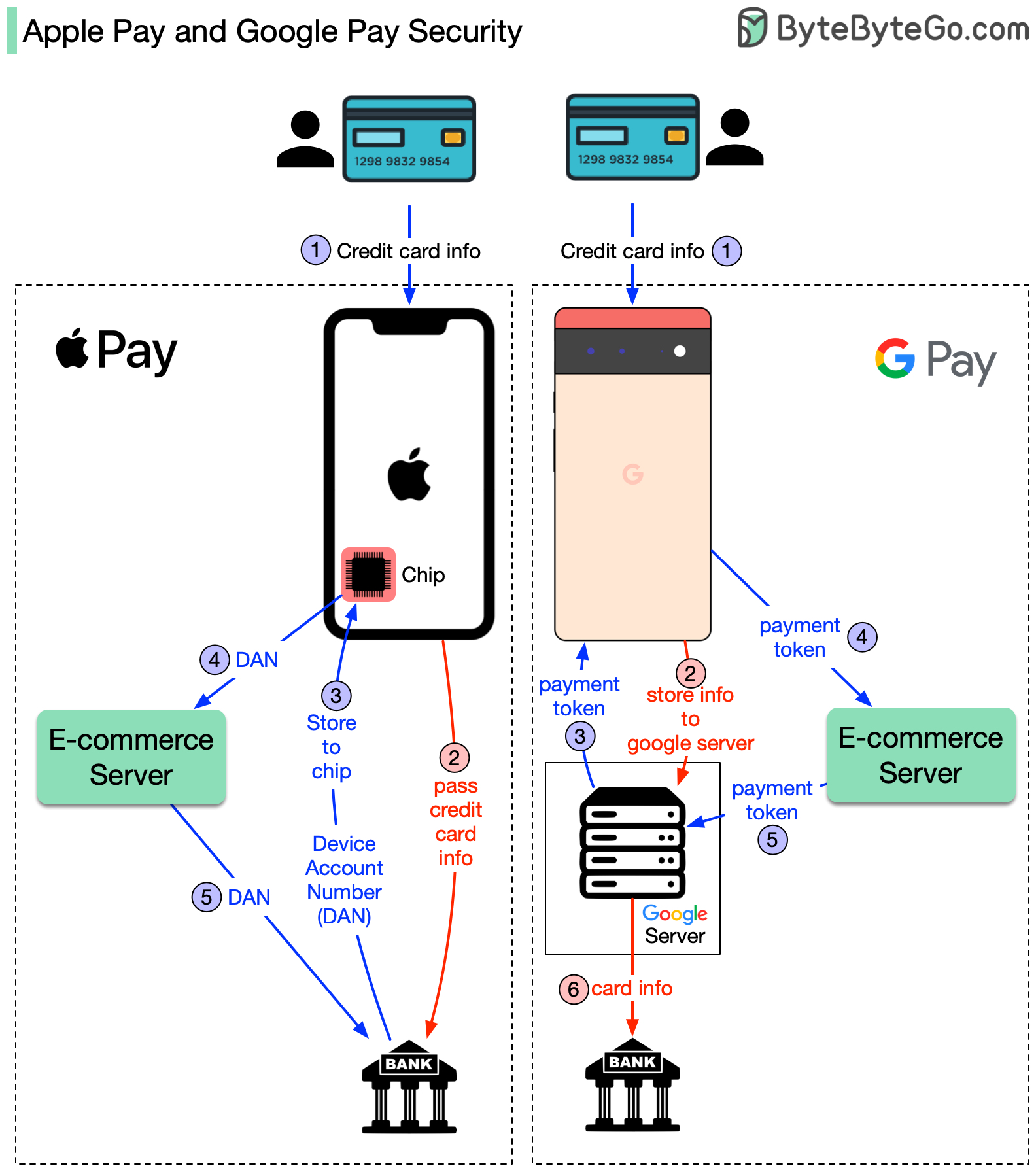
Perhaps the most critical technological innovation underpinning Google Pay’s security architecture is tokenization. When you add a credit or debit card to Google Pay, the actual 16-digit card number is not stored on your device or transmitted to the merchant during a transaction. Instead, Google Pay employs a process called tokenization, where your sensitive card information is replaced with a unique, encrypted, one-time-use digital placeholder—a “token.”
When you make a purchase, it’s this token that is sent to the merchant’s payment processor, not your real card number. Even if a data breach were to occur at the merchant’s end, hackers would only acquire useless tokens, not your actual financial details. Each token is typically unique for every transaction, adding another layer of security. This system provides a robust defense against fraud and unauthorized access, making Google Pay transactions inherently more secure than traditional card swipes or online entry of card numbers.
How Google Pay Facilitates Seamless Transactions
The brilliance of Google Pay lies not just in its underlying technology but also in its user-centric design, which simplifies the process of making payments across various platforms. From initial setup to real-world transactions, Google Pay is engineered for ease of use without compromising on security.
Setting Up Google Pay: A User-Friendly Process
Getting started with Google Pay is designed to be straightforward. Users download the Google Pay app from their device’s app store (Google Play Store for Android, Apple App Store for iOS) and then proceed to add their payment methods. This typically involves scanning a credit or debit card or manually entering the card details. Banks and financial institutions often require an additional verification step, such as a one-time passcode sent to your registered phone number or email, to confirm your identity and authorize the use of the card with Google Pay. Once verified, the card is tokenized and ready for use. The intuitive interface guides users through each step, making the onboarding process quick and hassle-free.
In-Store Payments: Tap, Pay, Go
Making payments at physical stores is where Google Pay’s NFC technology shines. To pay, users simply wake up their NFC-enabled Android phone and hold it near a compatible contactless payment terminal. For transactions requiring additional verification, users might need to unlock their phone with a PIN, pattern, fingerprint, or facial recognition before tapping. On smartwatches, the process is even simpler, often requiring just a double-tap of a button to activate Google Pay and then holding the watch near the terminal.
The speed and efficiency of this “tap and pay” method significantly reduce transaction times compared to swiping or inserting cards, enhancing the overall shopping experience. The widespread adoption of contactless payment terminals by merchants globally has made Google Pay a universally accepted payment method in many retail environments.
Online and In-App Purchases: Streamlined Checkout

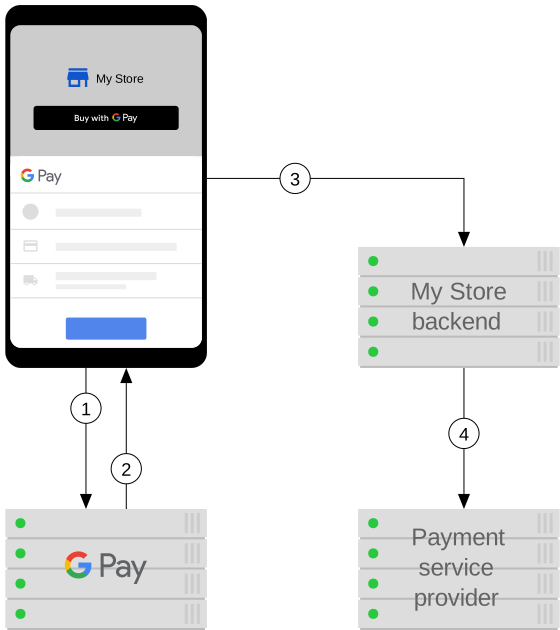
Beyond physical stores, Google Pay extends its convenience to the digital realm, streamlining online and in-app purchases. Many e-commerce websites and mobile applications now offer Google Pay as a payment option at checkout. When users select Google Pay, they avoid the tedious process of manually entering card numbers, expiration dates, and billing addresses. Instead, a single tap or click confirms the purchase, leveraging the securely stored tokenized card details.
This integration not only speeds up the checkout process but also enhances security by reducing the exposure of sensitive card information to individual websites or apps. The consistency of the Google Pay interface across different platforms provides a familiar and trustworthy payment gateway, fostering a smoother and more secure online shopping experience.
Peer-to-Peer Payments and Sending Money
While Google Pay’s primary focus has evolved, historically and in certain regions, it has offered robust peer-to-peer (P2P) payment capabilities, allowing users to send and receive money from friends and family directly through the app. This feature leverages linked bank accounts or debit cards to facilitate instant transfers, eliminating the need for cash or checks for informal transactions. The P2P functionality typically integrates with your device’s contact list, making it easy to select recipients and send money with just a few taps. This aspect of Google Pay further underscores its ambition to be a comprehensive digital tool for managing various forms of monetary exchange.
Advanced Features and Integrations
Google Pay is continuously evolving, integrating a wider array of functionalities beyond simple payments to serve as an all-encompassing digital companion for daily life. These advanced features leverage existing technologies and create new efficiencies for users.
Digital Passes and Loyalty Programs
One of the significant convenience features of Google Pay is its ability to digitally store loyalty cards, gift cards, and membership passes. Users can scan the barcode of their physical loyalty cards or manually enter details to add them to the app. When making a purchase at a participating store, Google Pay can automatically apply loyalty points or discounts during the payment process, or users can simply present the digital card’s barcode on their phone. This eliminates the need to carry a cumbersome collection of plastic cards, ensuring that users never miss out on rewards or benefits. Similarly, event tickets, boarding passes, and other digital passes can be stored, offering quick access and reducing paper waste.
Transit Cards and Public Transportation
In an increasing number of cities worldwide, Google Pay supports digital transit cards, allowing users to tap their phone or smartwatch to pay for rides on buses, trains, and subways. This integration simplifies public transportation, as commuters no longer need to fumble for physical tickets or reload individual transit cards. The technology seamlessly communicates with transit readers, deducting fares from a linked payment method or a stored transit balance. This feature highlights Google Pay’s role in modern urban mobility, providing a smart solution for daily commutes.
Beyond Payments: Data and Insights
As a robust digital platform, Google Pay also offers analytical capabilities by keeping a detailed record of your transactions. Users can view their payment history directly within the app, providing insights into their spending patterns. This digital ledger can be invaluable for personal budgeting and tracking expenditures. Furthermore, Google Pay’s integration with other Google services offers potential for even greater utility, such as linking purchase receipts to Google Photos or Gmail, creating a more cohesive digital ecosystem for managing personal data.
Digital Security: The Cornerstone of Google Pay’s Trust
In any financial technology, security is paramount. Google Pay has invested heavily in creating a multi-layered security framework that protects user data and ensures the integrity of every transaction. Trust is built on robust protection, and Google Pay employs several advanced technologies to deliver this assurance.
Multi-Layered Protection Mechanisms
Google Pay’s security strategy is comprehensive, combining several technologies to safeguard user information. As previously discussed, tokenization is a primary defense, ensuring actual card numbers are never exposed. Beyond this, transactions are protected by industry-standard encryption protocols during transmission. On the device level, Google Pay requires device security features such as a PIN, pattern, fingerprint, or facial recognition to unlock the device before payments can be authorized. This means that even if your phone is lost or stolen, unauthorized users cannot access your payment methods without first bypassing your device’s primary security. Furthermore, Google’s robust cloud infrastructure, which stores tokenized data, is protected by world-class security measures, including advanced intrusion detection, continuous monitoring, and secure data centers.
Protecting Your Privacy and Data
Google understands the critical importance of privacy when it comes to financial data. Google Pay is designed with privacy in mind, meaning your payment activity is kept separate from your other Google activities. Google does not sell your payment information to third parties, nor does it share your actual card number with merchants. The data collected by Google Pay is primarily used to facilitate transactions, improve the service, and protect against fraud. Users have granular control over their privacy settings within their Google Account, allowing them to manage their data and personalize their experience while maintaining peace of mind regarding the confidentiality of their financial details.
What to Do If Your Device is Lost or Stolen
Even with robust security, the risk of a lost or stolen device is a real concern. Google Pay provides several mechanisms to mitigate this threat. If your smartphone or smartwatch goes missing, you can quickly locate, lock, or even remotely wipe your device using Google’s “Find My Device” service. This immediately prevents unauthorized access to your Google Pay app and other personal data. Additionally, users can log into their Google Account from another device and deactivate their cards linked to Google Pay, ensuring no transactions can be made through the lost or stolen device. These recovery and security protocols are crucial components of Google Pay’s overall security promise, offering users control and peace of mind in challenging situations.
Google Pay stands as a testament to how technology can profoundly enhance our daily lives, particularly in the realm of financial transactions. By skillfully integrating NFC, tokenization, and a robust security framework, it has created a digital wallet that is not only incredibly convenient but also exceptionally secure. Its ability to consolidate payment methods, loyalty cards, and even transit passes into a single, intuitive application streamlines our interactions with the commercial world. As technology continues to advance, Google Pay is poised to evolve further, cementing its role as a fundamental tool in the future of digital payments, making transactions faster, safer, and more seamless for everyone.
aViewFromTheCave is a participant in the Amazon Services LLC Associates Program, an affiliate advertising program designed to provide a means for sites to earn advertising fees by advertising and linking to Amazon.com. Amazon, the Amazon logo, AmazonSupply, and the AmazonSupply logo are trademarks of Amazon.com, Inc. or its affiliates. As an Amazon Associate we earn affiliate commissions from qualifying purchases.