
For millions worldwide, PayPal is synonymous with digital payments. It’s the ubiquitous button we click to buy online, the easy way to send money to friends, and a critical tool for businesses of all sizes. Given its central role in managing financial transactions, a natural and critical question arises: “What bank is PayPal through?” This query isn’t merely about curiosity; it delves into the fundamental mechanics of how our money is handled, the security of our funds, and the regulatory framework that underpins one of the internet’s most powerful financial instruments. The answer, however, is not as straightforward as naming a single institution. PayPal operates not merely through a bank in the traditional sense, but as a sophisticated financial ecosystem that both partners with and, in some cases, functions like a bank itself, all while navigating a complex global regulatory landscape. Understanding this intricate structure is crucial for anyone relying on PayPal for their personal or business finances, offering clarity on how their digital money is secured, processed, and regulated.
The Nuance of PayPal’s Banking Relationships
To truly grasp how PayPal manages the vast sums of money flowing through its platform, it’s essential to look beyond the idea of a single, exclusive banking partner. PayPal’s operational model is far more sophisticated, built on a network of relationships and strategic decisions that allow it to function across diverse jurisdictions and financial systems.
Not a Single Bank, But a Network
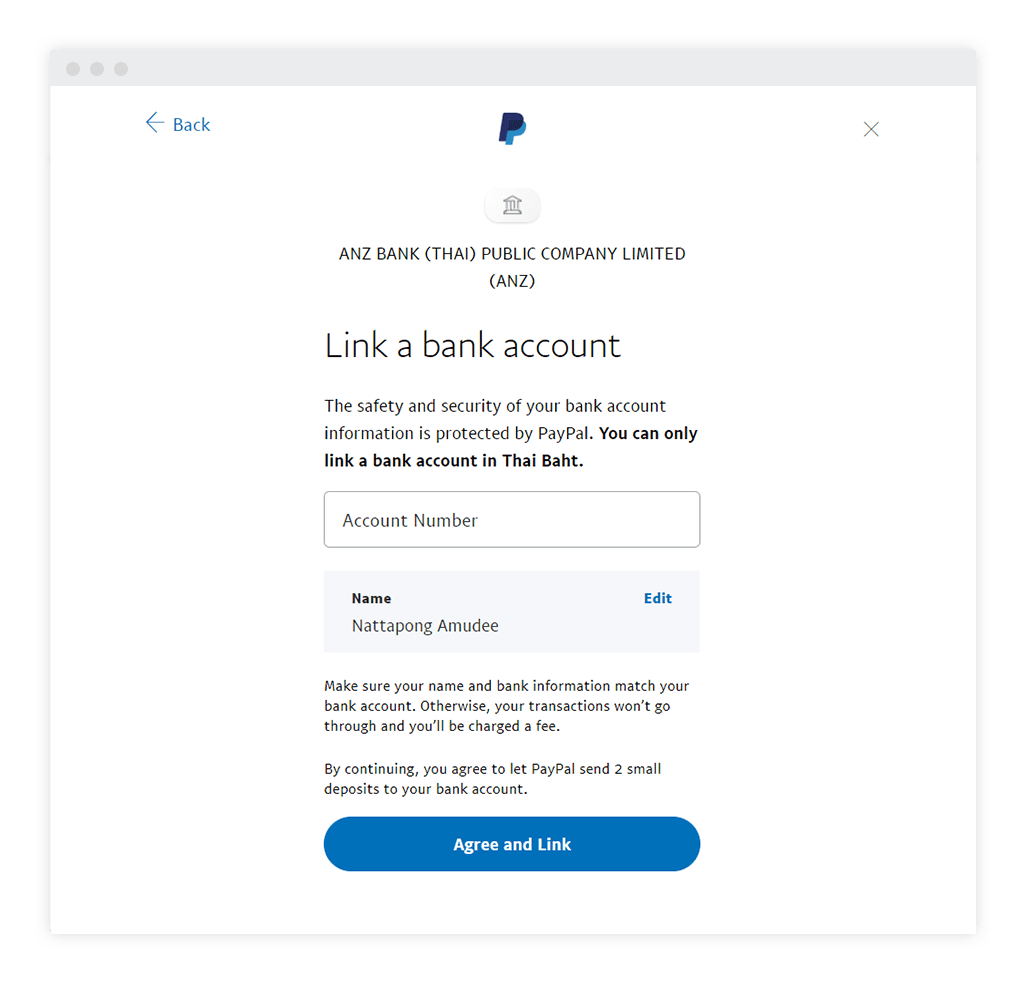
PayPal doesn’t rely on one singular bank for its operations. Instead, it engages with a multitude of financial institutions globally. These partnerships are dynamic and serve various purposes, from processing local currency transactions and facilitating cross-border payments to holding operational funds and enabling specific financial products. For instance, when you link your bank account or debit card to PayPal, PayPal is interacting with your specific bank to verify funds and execute transfers. These aren’t exclusive relationships; rather, they are a vast web of interconnected agreements that allow PayPal to act as an intermediary, moving money between disparate banking systems without the user needing to directly interface with each one. This distributed model enhances resilience, allows for localized financial compliance, and provides the necessary infrastructure to support PayPal’s massive transaction volume. For users, this means that while their money might pass through PayPal’s system, it often originates from or settles into an account with a traditional chartered bank, creating a multi-layered financial pathway.
Global Operations and Local Partnerships
The nature of PayPal’s global reach necessitates an adaptable approach to banking. Operating in over 200 markets and supporting transactions in numerous currencies means that a one-size-fits-all banking solution is impractical. In different countries, PayPal forms partnerships with local banks that are compliant with regional regulations and possess the necessary infrastructure to handle domestic financial operations. These local banking partners are critical for several reasons: they enable PayPal to comply with local financial laws, facilitate faster and more cost-effective local currency processing, and provide pathways for users to connect their local bank accounts for deposits and withdrawals. For example, in the United States, PayPal partners with various banks like JP Morgan Chase and Wells Fargo for specific services. In Europe, its operations are anchored by its own licensed bank, PayPal Bank S.à r.l. et Cie, S.C.A., based in Luxembourg. This strategic localization ensures that PayPal can seamlessly integrate into diverse financial ecosystems, offering a consistent service experience while adhering to distinct national financial frameworks.
PayPal’s Own Banking Licenses
Perhaps the most significant development in PayPal’s financial structure is its acquisition and utilization of its own banking licenses in specific regions. The most prominent example is PayPal Bank S.à r.l. et Cie, S.C.A., which is a fully licensed credit institution regulated by the Commission de Surveillance du Secteur Financier (CSSF) in Luxembourg. This entity allows PayPal to operate as a bank in the European Union, offering services that go beyond mere payment processing, such as holding customer funds, issuing electronic money, and providing credit products directly. This strategic move provides PayPal with greater autonomy, reduces its reliance on third-party banks for core services in these regions, and enables it to offer more comprehensive financial products. For users in these jurisdictions, this means that their funds held in their PayPal balance are often treated similarly to funds held in a traditional bank account, subject to the regulatory oversight and protection mechanisms specific to that financial license. It also underscores PayPal’s evolution from a simple payment gateway to a multifaceted financial institution in its own right, blurring the lines between tech company and traditional bank.
Understanding PayPal’s Operational Model for Your Money
The distinction between PayPal and a traditional bank is critical for understanding how your money is managed, particularly concerning consumer protections and regulatory oversight. While PayPal facilitates financial transactions, its core operational model, in many regions, places it in a different category than chartered deposit-taking institutions.
How PayPal Holds User Funds
When you hold a balance in your PayPal account, it’s crucial to understand how PayPal secures these funds. Unlike a traditional bank account where your deposits are directly held by the bank and become part of its lending capital, PayPal generally operates differently. In many jurisdictions, PayPal is legally required to segregate customer funds from its operational funds. This means that the money in your PayPal balance is typically held in dedicated, pooled bank accounts at regulated financial institutions. These pooled accounts are distinct from PayPal’s own corporate funds and are often held in trust for its users. For instance, in the United States, PayPal places customer funds into various regulated banking institutions or invests them in highly liquid, low-risk investments that meet strict regulatory guidelines. This segregation ensures that even in the unlikely event of PayPal’s insolvency, customer funds are protected and identifiable, preventing them from being used to satisfy PayPal’s own creditors. This mechanism provides a layer of security, albeit one that differs in structure from direct bank deposits.
The Role of Money Transmitter Licenses
In the United States and many other countries where PayPal does not operate under a banking license, it functions primarily as a money transmitter. A money transmitter is a company that provides money transfer services or payment instruments, and as such, it is subject to extensive regulation at both federal and state levels. Each state in the U.S. requires a money transmitter license, and PayPal has secured licenses in all necessary jurisdictions. These licenses come with strict requirements designed to protect consumers and prevent illicit activities like money laundering and terrorist financing. Requirements often include capital reserves, surety bonds, regular audits, and robust anti-money laundering (AML) and know-your-customer (KYC) compliance programs. These licenses are fundamental to PayPal’s ability to operate legally and demonstrate its commitment to financial security and regulatory adherence. The oversight provided by these licenses, though different from bank charters, ensures a high degree of scrutiny over how PayPal handles and processes customer transactions, providing an essential framework for consumer trust in its financial tools.
FDIC Insurance: A Key Distinction

One of the most significant differences between holding funds with PayPal (in regions where it acts as a money transmitter) and a traditional bank is the absence of direct FDIC insurance. The Federal Deposit Insurance Corporation (FDIC) is an independent agency of the U.S. government that protects bank depositors against the loss of their insured deposits if an FDIC-insured bank fails. This protection typically covers up to $250,000 per depositor, per insured bank, for each account ownership category.
When you hold a balance with PayPal, your funds are generally not directly insured by the FDIC. This is because PayPal, as a money transmitter, is not a chartered bank (in most regions). However, the underlying bank accounts where PayPal holds pooled customer funds are FDIC-insured. The nuance here is that this insurance generally applies to PayPal as the account holder, not directly to individual PayPal users. While PayPal’s practice of segregating funds and holding them in highly liquid investments or FDIC-insured accounts offers substantial protection, it’s not the same direct, per-user insurance a traditional bank deposit provides. This distinction is crucial for financial literacy; it highlights that while your money is secure, the mechanism of that security differs. In jurisdictions where PayPal operates as a licensed bank (e.g., Luxembourg), customer funds may be covered by a local deposit guarantee scheme, offering equivalent protection.
Beyond Basic Payments: PayPal’s Expanding Financial Ecosystem
PayPal has evolved significantly from its early days as a simple online payment processor. Today, it offers a broad suite of financial products and services, increasingly blurring the lines between a payment gateway and a comprehensive digital financial institution. This expansion impacts both individual users managing their personal finances and businesses looking for integrated financial solutions.
PayPal as a Digital Wallet and Payment Processor
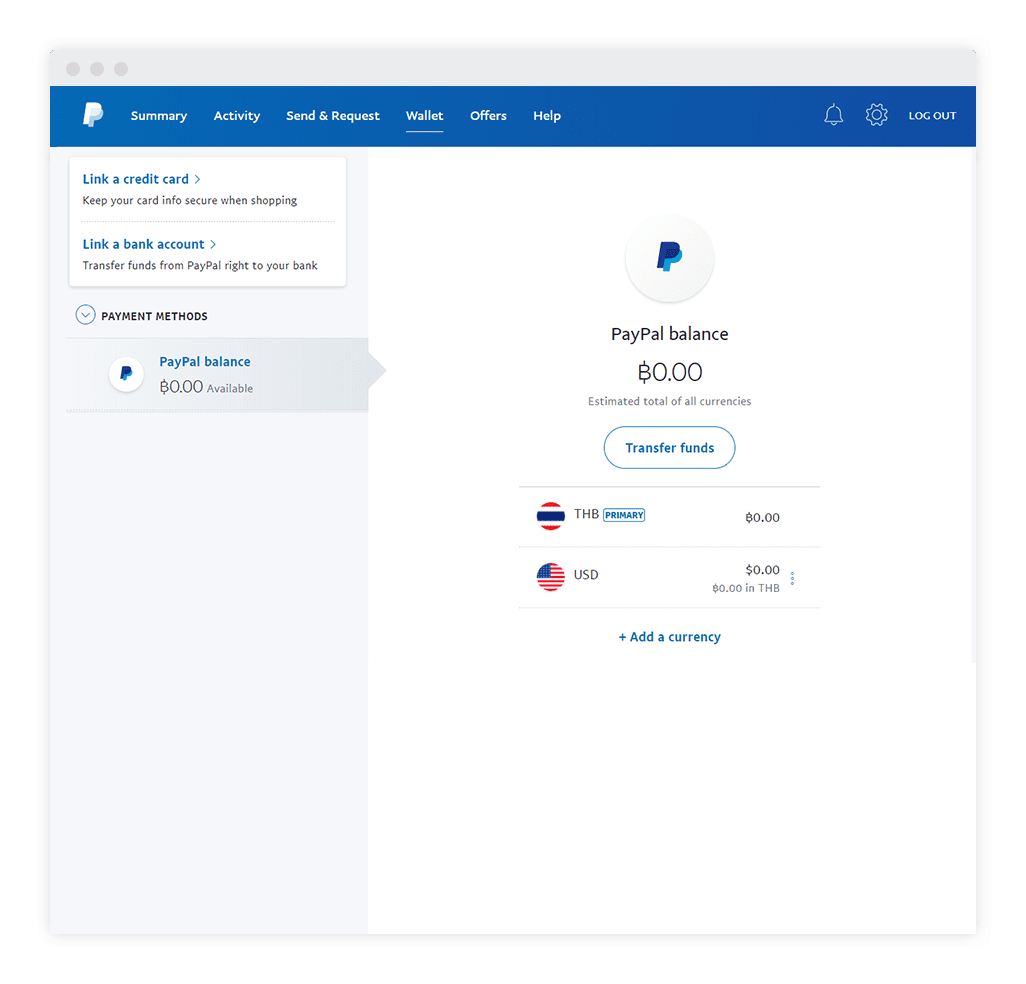
At its core, PayPal remains a premier digital wallet and payment processor. For individuals, it provides a convenient and secure way to store payment methods, send and receive money, and make online purchases without repeatedly sharing sensitive financial information. For businesses, PayPal offers robust payment gateway services, enabling them to accept payments from customers worldwide, manage recurring subscriptions, and integrate with e-commerce platforms. The platform acts as a critical intermediary, simplifying complex financial transactions and fostering trust between buyers and sellers who may not otherwise have a direct financial relationship. Its ubiquity and ease of use have made it an indispensable tool for online commerce, significantly reducing friction in global financial exchanges. This foundational role as a digital wallet and processor continues to be the bedrock upon which its more advanced financial offerings are built, proving its value in streamlining financial operations for millions.
Credit, Debit, and Savings Products
Over the years, PayPal has expanded its offerings to include a variety of credit, debit, and even savings-like products, further cementing its role in users’ financial lives. These include:
- PayPal Credit: A revolving line of credit that users can apply for and utilize for online purchases, often with promotional financing options. This product functions much like a digital credit card, allowing users to defer payments for eligible purchases.
- PayPal Debit Card/Cash Card: A Mastercard or Visa-branded debit card that allows users to access their PayPal balance for everyday purchases, both online and in physical stores, as well as ATM withdrawals. This effectively bridges the gap between digital funds and traditional banking services.
- Savings Accounts/High-Yield Savings (in partnership): In certain markets, PayPal has partnered with traditional banks to offer savings products directly through its platform. For instance, in the U.S., it has offered a high-yield savings account in partnership with Synchrony Bank, providing users an avenue to earn interest on their funds held within the PayPal ecosystem. These partnerships demonstrate PayPal’s strategy to offer bank-like services by leveraging existing financial infrastructure. These expanded offerings underscore PayPal’s ambition to become a primary financial hub for its users, moving beyond transactional services to encompass aspects of saving, borrowing, and spending.
Impact on Personal and Business Finance
PayPal’s expansive ecosystem has a profound impact on both personal and business finance. For individuals, it simplifies budgeting, offers convenient money transfers, and provides access to credit and savings tools all within a single interface. The ability to manage funds, make payments, and even potentially earn interest through PayPal influences how users interact with their money digitally. For small businesses and freelancers, PayPal is often a lifeline. It provides an accessible, low-barrier entry point for accepting payments globally, managing invoices, and streamlining financial operations without the complexities or costs associated with traditional merchant accounts. The availability of working capital solutions and business debit cards further empowers these entities, facilitating cash flow management and growth. By integrating various financial functionalities, PayPal has become more than just a payment app; it’s a comprehensive financial tool that influences financial planning, spending habits, and operational efficiency across the spectrum of its users.
Security, Regulation, and User Confidence
In the realm of digital finance, security and regulatory compliance are paramount to fostering user confidence. PayPal, as a major player, dedicates significant resources to ensuring the safety of funds and adherence to an ever-evolving landscape of financial regulations, all of which directly impacts how users perceive and trust its financial tools.
Protecting Your Funds in the Digital Realm
PayPal employs a multi-layered approach to security, recognizing that protecting user funds and data is foundational to its business. This includes:
- Advanced Encryption: All transactions and sensitive data are protected using industry-standard encryption protocols, safeguarding information during transit and storage.
- Fraud Monitoring: Sophisticated algorithms and human analysts continuously monitor transactions for suspicious activity, identifying and flagging potential fraud in real-time.
- Buyer and Seller Protection: PayPal offers robust protection programs designed to mediate disputes and reimburse users in cases of unauthorized transactions, items not received, or significantly not as described. These policies provide a critical safety net for users engaging in online commerce.
- Two-Factor Authentication (2FA): Users are encouraged to enable 2FA, adding an extra layer of security by requiring a second verification step beyond just a password for logging in or making certain transactions.
- Phishing Prevention: PayPal actively educates users on identifying and avoiding phishing scams, which are common attempts to compromise account credentials.
- Segregation of Funds: As discussed, customer funds are kept separate from PayPal’s operational capital, providing a vital safeguard in the event of financial difficulties for the company itself.
These measures collectively work to create a secure environment, aiming to protect users from the myriad threats present in the digital landscape and instill confidence in PayPal as a secure platform for managing their money.
Navigating Regulatory Landscapes
The regulatory environment for fintech companies like PayPal is incredibly complex, varying significantly from country to country and even state to state. PayPal must navigate this intricate web to ensure legal operation and maintain its financial licenses.
- Anti-Money Laundering (AML) and Know Your Customer (KYC): PayPal is subject to strict AML and KYC regulations globally. This involves verifying user identities, monitoring transactions for suspicious patterns, and reporting any potential illicit activity to relevant authorities. These measures are critical in preventing the use of its platform for financial crimes.
- Consumer Protection Laws: Beyond financial crime, PayPal must comply with a host of consumer protection laws that dictate how it handles user disputes, privacy, data security, and fair lending practices (for its credit products).
- Financial Services Licenses: Depending on the jurisdiction and the services offered, PayPal operates under various licenses – from money transmitter licenses in the U.S. to full banking licenses in parts of Europe. Each license comes with specific compliance requirements, capital adequacy standards, and supervisory oversight.
- Data Privacy Regulations: Compliance with global data privacy regulations like GDPR in Europe and CCPA in California is crucial, governing how PayPal collects, stores, and processes user personal and financial data.
This rigorous regulatory compliance not only ensures PayPal’s legal standing but also serves as a crucial trust mechanism for users, assuring them that their financial activities are conducted within a legitimate and supervised framework.
Making Informed Financial Decisions with PayPal
Given PayPal’s unique position at the intersection of technology and finance, making informed decisions about how you use its services is key. While PayPal offers immense convenience and security, understanding its operational nuances can help optimize your financial management.
- Understanding Fund Protection: Be aware that while your funds are secure, the direct FDIC insurance you get with a traditional bank account is generally not applicable to your direct PayPal balance (unless PayPal operates as a chartered bank in your region with a deposit guarantee scheme). This doesn’t mean your money is unsafe, but the protection mechanism is structured differently.
- Credit vs. Debit: Distinguish clearly between using PayPal Credit and using your PayPal balance via a debit card. Each has different implications for interest, credit scores, and financial liability.
- Security Best Practices: Always employ strong, unique passwords, enable two-factor authentication, and be vigilant against phishing attempts to safeguard your account.
- Reviewing Terms and Conditions: Periodically review PayPal’s user agreement and privacy policy, as these can change, impacting how your money is managed and your rights as a user.
- Integration with Other Financial Tools: Consider how PayPal integrates with your broader personal or business financial strategy. For some, it might be a primary hub; for others, a convenient secondary tool.
By grasping these aspects, users can leverage PayPal’s powerful financial tools more effectively and with greater confidence, integrating it thoughtfully into their overall financial ecosystem. PayPal isn’t just a simple payment button; it’s a sophisticated financial partner whose operational model demands an informed user.