
Navigating the complexities of federal taxes can be daunting, and for many, a common question arises: “How do I find out what I owe the IRS?” Whether you’re proactively managing your finances, responding to an unexpected notice, or simply seeking clarity after tax season, understanding your current tax liability is a critical step in maintaining sound financial health. Ignoring this question can lead to escalating penalties, interest charges, and significant stress. Fortunately, the Internal Revenue Service provides several official and reliable channels for taxpayers to ascertain their outstanding balance. This guide delves into these essential methods, offering a professional and insightful roadmap to effectively determine your tax obligations.
The Critical Importance of Knowing Your Tax Liability
Understanding your current tax debt is not merely about compliance; it’s a cornerstone of responsible personal finance. Proactively addressing your tax situation can prevent a cascade of negative financial consequences and empower you to make informed decisions about your future.
Avoiding Penalties and Interest
The IRS is clear about the consequences of unpaid taxes. If you fail to pay your taxes by the due date, even if you filed an extension, you will likely face penalties and interest. The failure-to-pay penalty is 0.5% of the unpaid taxes for each month or part of a month that taxes remain unpaid, capping at 25% of your unpaid tax bill. Additionally, interest accrues on underpayments from the due date of the tax until the date of payment, typically adjusted quarterly. This interest can compound, turning a manageable sum into a significant burden over time. Knowing exactly what you owe allows you to pay it promptly, or at least establish a payment plan, thereby mitigating or entirely avoiding these escalating charges.
Maintaining Financial Health
Your tax obligations are a non-negotiable part of your overall financial picture. Just like any other debt, an outstanding tax balance impacts your cash flow, creditworthiness (indirectly, if it leads to liens or levies), and overall financial planning. Unresolved tax debt can hinder your ability to secure loans, purchase property, or even impact your retirement planning. By regularly checking and understanding your IRS balance, you incorporate this liability into your budget, ensuring you’re allocating funds appropriately and not overextending your resources elsewhere. It enables you to project your financial position more accurately and make strategic decisions for savings, investments, and major expenditures.
Proactive Tax Planning
Beyond just paying what’s due, understanding your current tax status is invaluable for future tax planning. If you discover a significant balance due, it might indicate a need to adjust your W-4 withholding with your employer or modify your estimated tax payments if you’re self-employed. This proactive approach can help you avoid similar underpayments in subsequent years, preventing future penalties and unexpected financial strain. It also allows you to identify potential areas where you might need professional advice, such as structuring your income or investments in a more tax-efficient manner. Knowing your past and current obligations provides a foundation for optimizing your tax strategy moving forward.
Official IRS Channels: Your Primary Resources
The IRS offers several direct and secure methods for taxpayers to inquire about their outstanding tax balances. These channels are designed to provide accurate information and should always be your first point of reference.
The IRS Online Account: Your Digital Hub
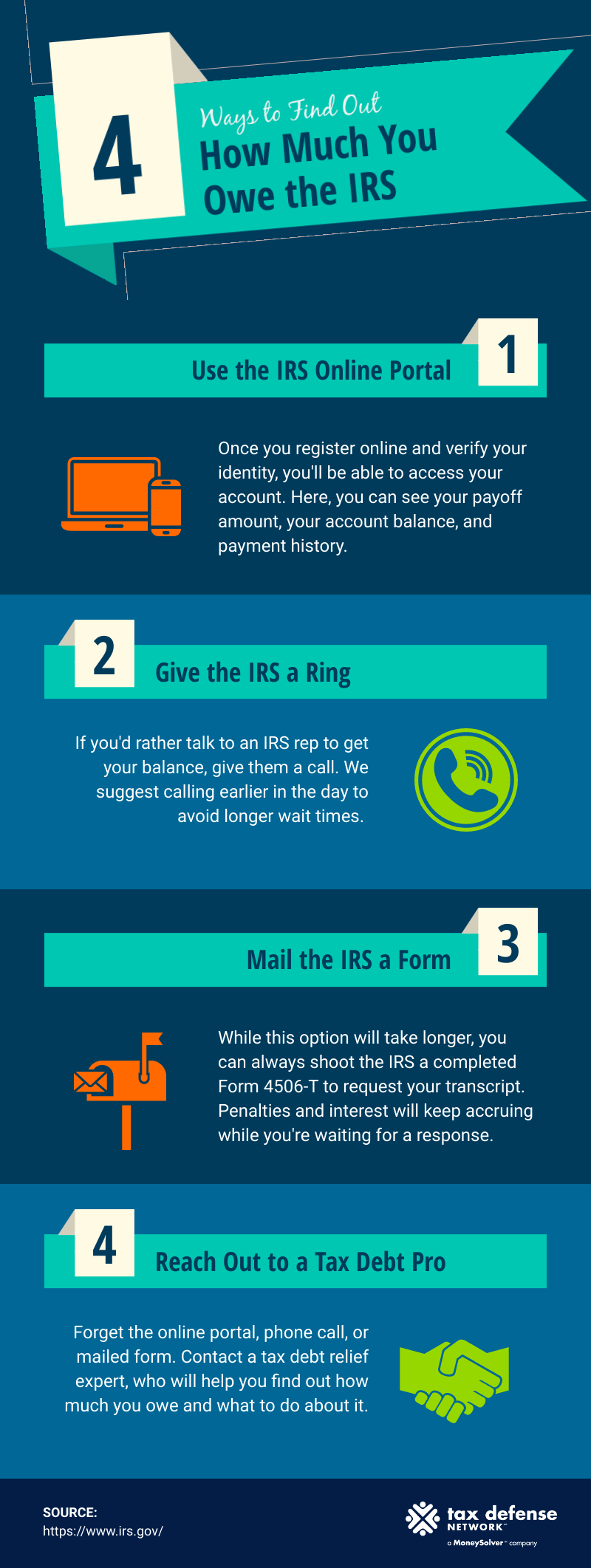
In today’s digital age, the IRS Online Account stands as one of the most convenient and comprehensive tools for taxpayers. It provides a personalized, secure portal where you can access a wealth of information related to your federal tax history.
Setting Up and Accessing Your Account
To access your IRS Online Account, you’ll need to create an account and verify your identity through a multi-step process. This often involves providing personal details, answering security questions, and sometimes undergoing identity verification through a third-party service. Once verified, you can log in securely at any time.
What You Can See
Within your online account, you gain access to a treasure trove of financial data:
- Your Balance Due: This is arguably the most crucial feature, displaying your current tax liability, including any penalties and interest accrued.
- Payment History: You can review payments made, whether through direct debit, credit card, or check. This helps reconcile your records with IRS data.
- Payment Plans: If you have an existing installment agreement or offer in compromise, you can view the details and make payments.
- Tax Records: The account provides access to various tax transcripts, which are summaries of your tax returns and account activity.
- IRS Notices: You can sometimes view digital copies of certain notices and letters sent by the IRS.
The IRS Online Account is a powerful tool for self-service, allowing you to manage your tax obligations from the comfort of your home, typically 24/7. It’s an indispensable resource for staying informed and proactive.
Requesting Tax Transcripts: A Detailed Record
While the IRS Online Account provides a summary, tax transcripts offer a more detailed look into your tax history. These official documents are direct from the IRS and can be incredibly useful for various purposes, including verifying income for loans or understanding specific entries that led to a balance due.
Types of Transcripts and How to Get Them
There are several types of transcripts available, each serving a different purpose:
- Tax Return Transcript: This shows most line items from your original tax return (Form 1040, 1040A, or 1040EZ) as you filed it. It does not include changes made after you filed.
- Tax Account Transcript: This provides a summary of your tax account, including marital status, type of return filed, adjusted gross income, payments made, and any changes or adjustments made by you or the IRS after the original return was filed. This transcript is particularly useful for finding out if you owe the IRS, as it will clearly list the balance due.
- Record of Account Transcript: This combines the information from the tax return transcript and the tax account transcript.
- Wage and Income Transcript: This shows data from information returns, such as Forms W-2, 1099, 1098, and Form 5498, as reported to the IRS.
You can request transcripts in a few ways:
- Get Transcript Online: The fastest method, available through the IRS website. You’ll need to verify your identity.
- Get Transcript by Mail: You can request a transcript be mailed to your address of record within 5 to 10 calendar days. This option is available online or by phone.
- IRS Taxpayer Assistance Centers (TACs): While not all TACs provide immediate transcript printouts, some may be able to help. It’s best to check with your local TAC before visiting.
What Transcripts Show Regarding Your Debt
The Tax Account Transcript and Record of Account Transcript are your best bets for identifying what you owe. They detail all transactions on your account, including original tax assessed, payments, credits, penalties, and interest, ultimately leading to your current balance. Reviewing these documents can help you understand how your liability was calculated and identify any discrepancies.
Direct Communication: Phone and Mail
While digital tools are efficient, sometimes direct communication with the IRS is necessary, especially for complex issues or if you cannot access online services.
When to Call the IRS
If your issue is complex, you’re unable to navigate online tools, or you’ve received a confusing notice, calling the IRS is often the most direct path to getting answers. Have your Social Security number, date of birth, and previous tax return handy. Be prepared for potentially long wait times, especially during peak tax season. The general IRS toll-free number for individuals is 1-800-829-1040. When you reach an agent, clearly explain your need to know your current balance and be ready to answer security questions to verify your identity.
Writing to the IRS
For certain situations, such as disputing an assessment or providing additional information in response to a notice, written correspondence may be required or preferred. Always include your Social Security number or Taxpayer Identification Number on all correspondence, and keep copies of everything you send. The appropriate mailing address will usually be provided on any notice you receive from the IRS. If not, general mailing addresses can be found on the IRS website. While slower, written communication creates a paper trail, which can be beneficial for record-keeping and dispute resolution.
Leveraging Professional and Software Assistance

Beyond direct IRS channels, tax preparation software and qualified tax professionals offer valuable support in understanding and managing your tax obligations.
The Role of Tax Preparation Software
Many taxpayers utilize commercial tax preparation software to file their annual returns. These platforms often retain copies of your filed returns and can be instrumental in reviewing your past filings.
How Software Helps Estimate and Review
If you’ve consistently used the same tax software, it often stores your previous year’s returns. By accessing these, you can review your original tax liability, payments made, and any calculated underpayment. While the software itself won’t tell you an outstanding balance with the IRS (as that changes with penalties/interest post-filing), it can help you reconstruct your original liability and compare it against any IRS notices or transcripts. Some advanced software packages may even offer features to help project future liabilities or connect with tax professionals.
Consulting a Tax Professional
For intricate tax situations, significant debt, or a desire for expert guidance, a tax professional is an invaluable resource.
CPAs, Enrolled Agents, and When to Seek Help
- Certified Public Accountants (CPAs): Licensed by individual states, CPAs offer a broad range of accounting services, including tax preparation, planning, and representation before the IRS.
- Enrolled Agents (EAs): Federally licensed tax practitioners who specialize in taxation and have unlimited rights to represent taxpayers before the IRS.
- Tax Attorneys: Lawyers specializing in tax law, particularly useful for complex legal matters, audits, or appeals.
You should consider consulting a tax professional if:
- You have a substantial tax debt and need help understanding your options.
- You’ve received an audit notice or are facing an IRS collection action.
- Your financial situation is complex (e.g., self-employment, foreign income, multiple investments).
- You need assistance negotiating a payment plan or an Offer in Compromise.
- You simply want peace of mind knowing your taxes are handled correctly.
A qualified professional can access your tax account with your authorization, interpret complex IRS notices, and advise you on the best course of action, potentially saving you significant time, money, and stress.
Understanding Your Tax Bill and Next Steps
Discovering you owe the IRS can be unsettling, but it’s crucial to understand the implications and available solutions. Ignoring the issue will only exacerbate it.
Deciphering IRS Notices and Letters
The IRS communicates primarily through mail, sending various notices and letters for different reasons. It’s vital not to ignore these.
Common Notices and What They Mean
- CP14 (Balance Due): The most common notice, indicating you owe additional tax, usually because you underpaid or received less credit than anticipated. It shows the amount due, original due date, and penalties/interest.
- CP504 (Notice of Intent to Levy): A more serious notice, warning that the IRS intends to seize your property or assets if you don’t pay. This typically comes after previous balance due notices.
- Lien/Levy Notices: These inform you of an actual federal tax lien (a legal claim against your property) or a levy (the actual seizure of property or funds).
Upon receiving any notice, read it carefully. It will explain the reason for the notice, the amount owed, and what actions you need to take. If you don’t understand it, refer to the IRS website’s “Understanding Your IRS Notice or Letter” section, or consult a tax professional.
Strategies for Managing Unpaid Taxes
If you confirm you owe the IRS and cannot pay the full amount immediately, several options are available to help you resolve your debt.
Payment Plans and Relief Options
- Pay in Full: If possible, this is the best option to avoid further penalties and interest. You can pay online, by phone, or by mail.
- Short-Term Payment Plan: If you can pay your tax liability within 180 days, you might qualify for a short-term payment plan. Interest and penalties still apply, but the failure-to-pay penalty rate may be lower.
- Installment Agreement: If you need more time, an installment agreement allows you to make monthly payments for up to 72 months. You must agree to pay the full amount of tax, penalties, and interest. There’s usually a setup fee, and interest and penalties continue to accrue, though the failure-to-pay penalty may be reduced. You can often set these up online through your IRS Online Account if you owe less than a certain amount.
- Offer in Compromise (OIC): An OIC allows certain taxpayers to resolve their tax liability with the IRS for a lower amount than they originally owed. This is generally an option for taxpayers facing significant financial hardship where paying the full amount would cause economic distress. The IRS will consider your ability to pay, income, expenses, and asset equity. An OIC is a complex process and often requires professional assistance.
- Currently Not Collectible (CNC) Status: If the IRS determines you cannot pay any of your tax debt due to financial hardship, they may place your account in CNC status. While in this status, the IRS will not pursue collection, but interest and penalties continue to accrue, and the IRS can periodically review your financial situation.
The key is to act promptly. The IRS is generally willing to work with taxpayers who make an effort to address their tax debt. Ignoring the problem will only lead to more severe collection actions.
Proactive Measures for Future Tax Compliance
Understanding your current tax debt is a reactive measure. True financial mastery involves taking proactive steps to ensure future compliance and avoid unexpected tax bills.
Regular Financial Review and Record Keeping
Maintain meticulous records of all income, expenses, deductions, and credits throughout the year. Use accounting software, spreadsheets, or even simple folders to categorize documents. Regularly review your financial statements, bank accounts, and investment portfolios to track income and potential tax implications. This organized approach simplifies tax preparation and allows you to identify potential issues before they become problems.
Adjusting Withholding and Estimated Payments
If you consistently find yourself owing a significant amount at tax time, or receiving an excessively large refund, it’s a strong indicator that your withholding or estimated payments need adjustment.
- For Employees: Use the IRS Tax Withholding Estimator tool on IRS.gov or complete a new Form W-4 with your employer. Adjusting your withholding can help ensure you’re paying roughly the correct amount of tax throughout the year.
- For Self-Employed Individuals/Contractors: Make quarterly estimated tax payments (Form 1040-ES) to cover your tax liability. Regularly review your income and expenses to adjust these payments as needed, especially if your income fluctuates.

Staying Informed on Tax Law Changes
Tax laws can change annually, impacting deductions, credits, and tax rates. Subscribing to reputable financial news sources, IRS email updates, or consulting a tax professional can help you stay abreast of these changes. Being informed allows you to adapt your financial strategies and ensure you’re taking advantage of all eligible tax benefits while complying with new regulations.
By leveraging the various resources available from the IRS, engaging with professionals when necessary, and adopting a proactive approach to your financial management, you can confidently answer the question “How to find out what I owe the IRS?” and take control of your tax destiny.
aViewFromTheCave is a participant in the Amazon Services LLC Associates Program, an affiliate advertising program designed to provide a means for sites to earn advertising fees by advertising and linking to Amazon.com. Amazon, the Amazon logo, AmazonSupply, and the AmazonSupply logo are trademarks of Amazon.com, Inc. or its affiliates. As an Amazon Associate we earn affiliate commissions from qualifying purchases.