
The annual tradition of paying federal taxes has undergone a significant transformation in recent decades. Gone are the days when mailing a check was the sole or primary method of settling your dues with the Internal Revenue Service (IRS). Today, the digital revolution has extended its reach to nearly every facet of personal finance, and tax payments are no exception. For millions of Americans, understanding how to pay federal taxes online is no longer a convenience but a crucial skill for efficient financial management. This guide delves into the various methods, benefits, and best practices for navigating the online tax payment landscape, ensuring a seamless and secure experience. By embracing digital payment options, taxpayers can not only simplify their obligations but also gain better control over their financial timelines and records.

The Evolution of Tax Payment: Why Online is the New Standard
The shift towards online tax payments is a testament to the broader digital transformation impacting financial services. This evolution is driven by compelling advantages that benefit both the taxpayer and the government. From the perspective of sound personal finance, opting for online payments offers a strategic edge, streamlining what can often be a complex and stressful process. It represents a move away from analog inefficiencies towards a more agile and responsive approach to financial responsibility.
Convenience and Accessibility
One of the most immediate and tangible benefits of paying federal taxes online is the unparalleled convenience it offers. Taxpayers are no longer bound by traditional banking hours, postal service schedules, or the physical location of a tax office. Payments can be initiated 24/7, from virtually anywhere with an internet connection – whether from the comfort of your home, during a lunch break, or even while traveling. This accessibility is particularly valuable for individuals with demanding schedules or those living in remote areas. Furthermore, online systems often provide immediate confirmation of payment, reducing anxiety about whether a payment was received on time. This instant feedback loop is a significant improvement over the uncertainty of mailed payments, which can take days or weeks to process and confirm. From a financial planning standpoint, knowing your payment is instantly processed allows for more accurate cash flow management.
Enhanced Security Measures
A common misconception surrounding online transactions, especially financial ones, is that they are inherently less secure than traditional methods. However, the opposite is often true when dealing with official government portals like the IRS. The IRS employs robust encryption protocols and multi-factor authentication to protect sensitive taxpayer data during online transactions. These digital safeguards often surpass the security of mailing physical checks, which are susceptible to loss, theft, or tampering in transit. Each online payment method offered by the IRS adheres to stringent security standards designed to protect your personal and financial information from unauthorized access. For the financially astute, understanding that these platforms are built with security at their core provides peace of mind and reinforces the decision to transact digitally. It minimizes the risk of identity theft or fraudulent activity linked to physical documents, thereby safeguarding your overall financial well-being.
Environmental Impact and Efficiency
Beyond personal convenience and security, the transition to online tax payments contributes to broader societal benefits. By eliminating the need for paper checks, envelopes, and postage, digital payments reduce the environmental footprint associated with traditional mail. This move towards a paperless system aligns with modern sustainability goals. From an efficiency standpoint, electronic payments are processed faster and with fewer manual errors compared to paper-based methods. This improved operational efficiency benefits the IRS by reducing administrative costs and accelerating the reconciliation of tax accounts, which in turn can lead to faster processing of refunds for other taxpayers. For the individual, the efficiency translates into less time spent on administrative tasks and more time focused on other financial goals. It’s a small but significant step towards a more sustainable and technologically advanced financial ecosystem.
Navigating the Official Online Payment Channels
The IRS provides several secure and user-friendly options for paying your federal taxes online. Understanding each method’s nuances is key to selecting the one that best suits your financial situation and preferences. Each channel is designed with specific use cases in mind, offering flexibility for a diverse taxpayer base. Making an informed choice ensures that your payment is processed correctly and efficiently.
IRS Direct Pay: Simplicity at Your Fingertips
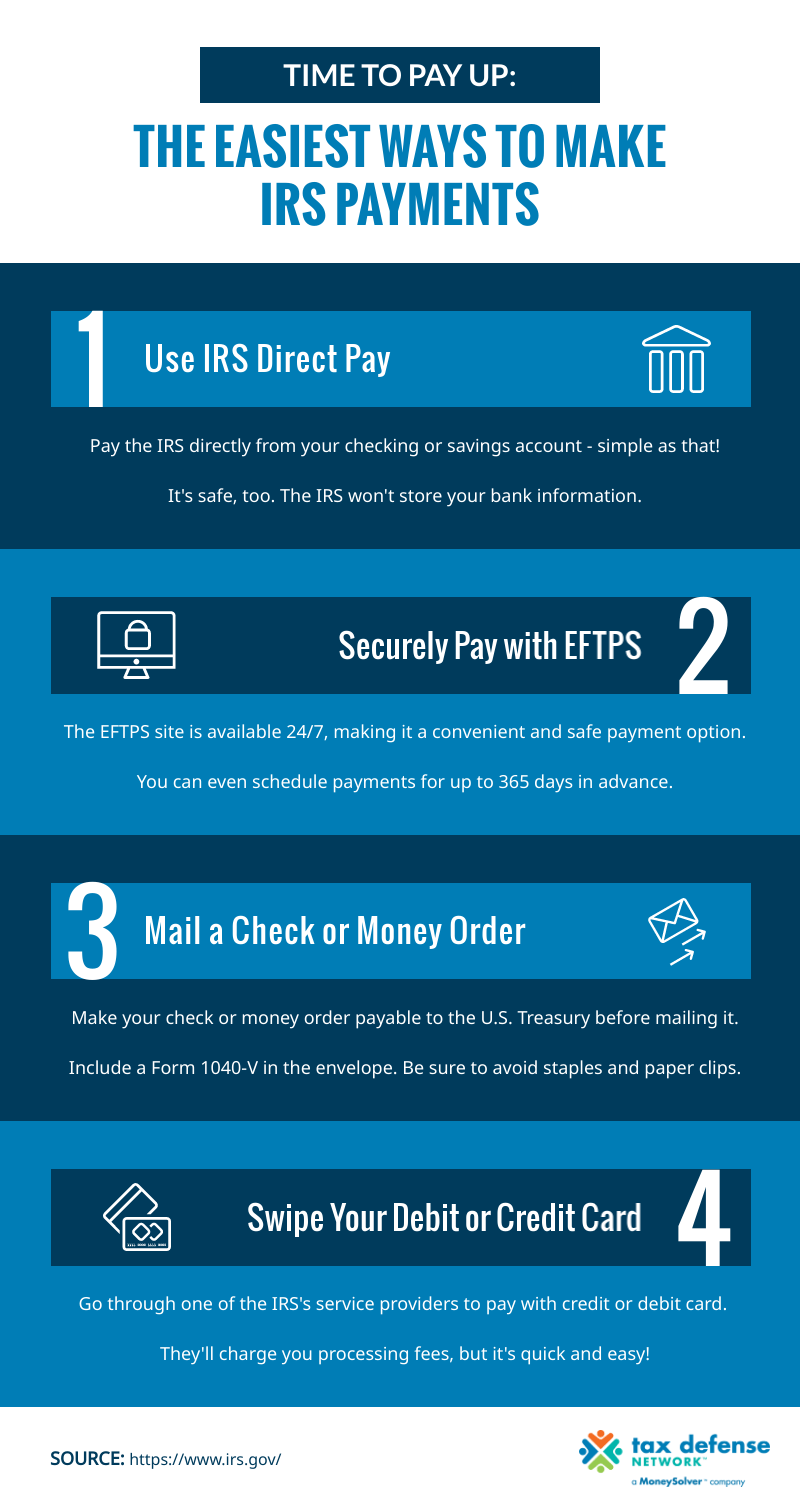
IRS Direct Pay is arguably the most straightforward and cost-effective method for paying your federal taxes directly from your checking or savings account. This free service allows individual taxpayers to schedule payments for current year taxes, estimated taxes, or even payments for prior tax years. You don’t need to pre-register or create an account; you simply verify your identity using basic personal information from a previous tax return. The process involves selecting the reason for your payment, the tax year, and providing your bank account and routing numbers. You can schedule payments up to 365 days in advance and receive an immediate confirmation email once your payment is submitted. For those prioritizing simplicity and avoiding processing fees, IRS Direct Pay is an excellent choice, making it a cornerstone of efficient personal finance management during tax season.
Paying by Debit or Credit Card: Understanding the Options and Fees
For taxpayers who prefer the convenience of using a debit or credit card, or who wish to earn rewards points on their payments, the IRS partners with several third-party payment processors. While this method offers flexibility and potential benefits, it’s crucial to understand that these processors charge a fee for their services. The fee, which varies by processor and card type, is typically a percentage of the payment amount for credit cards and a flat fee for debit cards. These fees are paid directly to the processor, not the IRS. Before opting for this method, it’s wise to calculate whether the convenience or potential rewards outweigh the additional cost. Taxpayers can select a processor from the IRS website, provide their payment details, and then receive a confirmation number. This method is particularly useful for those who might need a short-term cash flow solution or want to leverage credit card rewards programs as part of their broader financial strategy, provided the fees are factored into the decision.
Electronic Federal Tax Payment System (EFTPS): For the Regular Payer
EFTPS is the ideal online payment method for businesses, individuals who make regular estimated tax payments, or those who frequently pay taxes. Unlike IRS Direct Pay, EFTPS requires enrollment and a PIN before you can use it. This registration process typically takes 5-7 business days to complete, so it’s essential to plan ahead. Once enrolled, users gain access to a secure platform where they can schedule payments up to 365 days in advance, view their payment history for up to 15 months, and receive email notifications. While it has a slightly higher barrier to entry due to the enrollment process, EFTPS offers greater control and robust record-keeping capabilities for those with ongoing tax obligations. For individuals engaged in side hustles, gig economy work, or small business owners, EFTPS becomes an invaluable financial tool for managing quarterly estimated taxes, ensuring compliance and avoiding penalties.
Step-by-Step Guide to a Seamless Online Tax Payment
Regardless of the method you choose, a methodical approach ensures a smooth and error-free payment process. Preparing in advance and carefully following each step can prevent common pitfalls and ensure your tax obligations are met accurately and on time. This systematic approach is fundamental to effective financial administration.
Gathering Your Essentials: What You’ll Need

Before initiating any online tax payment, gather all necessary information to ensure accuracy and prevent delays. This typically includes:
- Your Social Security Number (SSN) or Employer Identification Number (EIN).
- Your Adjusted Gross Income (AGI) from a prior tax year (often required for identity verification for IRS Direct Pay).
- The exact amount you intend to pay.
- The tax year for which the payment is being made.
- Your bank account and routing numbers (for IRS Direct Pay or EFTPS) or your debit/credit card details (for third-party processors).
- Access to the internet and, ideally, a secure, private network to protect your data.
Having these details readily available minimizes frustration and ensures a swift transaction.
Initiating Your Payment Through Preferred Method
Once your essentials are ready, navigate to the official IRS website (IRS.gov) and select your chosen payment method.
- For IRS Direct Pay: Click on the “Pay Your Tax Bill” link, then select “Direct Pay.” Follow the prompts to verify your identity, enter payment details, and confirm the transaction.
- For Debit/Credit Card: Click on the “Pay Your Tax Bill” link, then select “Debit Card, Credit Card, or Digital Wallet.” Choose one of the approved third-party processors and follow their specific instructions to complete the payment, including reviewing and agreeing to their fees.
- For EFTPS: Log in to your EFTPS account using your EIN/SSN, PIN, and password. Select “Make a Payment,” enter the required tax information and payment amount, and schedule the date.
Always double-check all entered information before proceeding to the final confirmation step.
Verifying and Confirming Your Transaction
After submitting your payment, it is absolutely critical to verify and retain proof of the transaction.
- For IRS Direct Pay: You will receive a confirmation number on the screen and typically an immediate confirmation email. Save both.
- For Debit/Credit Card: The third-party processor will provide a confirmation number. Keep this number along with a screenshot or printout of the confirmation page.
- For EFTPS: You will receive an EFTPS Confirmation Number. Print this page or save it digitally.
These confirmation numbers are your proof of payment and are vital for your records or if any discrepancies arise. They are as important as a cancelled check and should be stored securely with your other tax documents.
Key Considerations for a Smooth Tax Season
Paying taxes online simplifies the process, but certain financial considerations remain paramount to avoid penalties and manage your financial health effectively. Proactive planning and awareness of critical details are fundamental to a stress-free tax season.
Understanding Payment Deadlines and Penalties
Adhering to tax deadlines is non-negotiable in personal finance. The primary federal tax deadline for most individual filers is April 15th (or the next business day if April 15th falls on a weekend or holiday). However, if you’re making estimated tax payments throughout the year, there are additional quarterly deadlines. Missing a payment deadline can result in penalties, including failure-to-pay penalties and interest charges. Online payment methods allow you to schedule payments in advance, significantly reducing the risk of missing a deadline due to last-minute issues. Always aim to schedule your payment at least a few days before the official deadline, just in case you encounter any technical difficulties or need to adjust your information. This proactive approach is a hallmark of good financial planning.
Safeguarding Your Financial Information Online
While official IRS online payment channels are highly secure, general best practices for online security should always be followed. Use strong, unique passwords for any tax-related accounts. Be wary of phishing scams that impersonate the IRS; the IRS will never initiate contact with taxpayers via email, text message, or social media to request personal or financial information. Only use official IRS.gov links for payments. Ensure your internet connection is secure (avoid public Wi-Fi when making payments), and keep your operating system and antivirus software updated. Protecting your financial data is a continuous effort and directly impacts your financial security and peace of mind.
What to Do If You Can’t Pay On Time
Even with the best planning, unforeseen circumstances can arise, making it impossible to pay your full tax liability by the deadline. It’s crucial to understand that even if you can’t pay the full amount, you should still file your tax return on time to avoid failure-to-file penalties, which are typically more severe than failure-to-pay penalties. The IRS offers several payment options for taxpayers who cannot pay immediately, including short-term payment plans (up to 180 days) or installment agreements (monthly payments for up to 72 months). Applying for an online payment agreement can be done directly through the IRS website. While interest and penalties may still apply to the unpaid balance, these programs offer a structured way to resolve your tax debt and mitigate further financial strain. Ignoring the problem is the worst financial strategy; proactive communication with the IRS is always recommended.
Beyond Payment: Maximizing Your Financial Health
Paying your federal taxes online is just one component of effective financial management. To truly maximize your financial health, it’s essential to integrate this process into a broader strategy of record-keeping, future planning, and leveraging expert advice.
Keeping Meticulous Records
The digital nature of online tax payments makes record-keeping significantly easier. Always save the confirmation numbers and emails you receive. In addition, maintain digital copies of your tax returns, W-2s, 1099s, and any other relevant financial documents in a secure, organized manner. Cloud storage solutions or encrypted external hard drives can be excellent tools for this. Meticulous records are invaluable for future tax preparations, audits, or simply for tracking your financial history. They provide an undeniable paper trail (or rather, a digital trail) that confirms your compliance and helps you understand your financial picture better.
Planning for Future Tax Obligations
One of the most powerful financial strategies derived from understanding your tax liabilities is proactive planning. If you find yourself consistently owing a significant amount at tax time, consider adjusting your W-4 withholding with your employer or making estimated tax payments throughout the year. For self-employed individuals, understanding your tax obligations and setting aside funds regularly for estimated taxes is paramount to avoiding a large, unwelcome tax bill. Utilizing budgeting tools or dedicated savings accounts specifically for taxes can transform an annual burden into a manageable, routine financial task. This foresight is a cornerstone of robust financial health.
Leveraging Professional Advice
While this guide provides a comprehensive overview of how to pay your federal taxes online, individual financial situations can be complex. For intricate tax matters, significant life changes, or if you’re unsure about your tax obligations, consulting with a qualified tax professional or financial advisor is highly recommended. They can offer personalized advice, help optimize your tax strategy, and ensure you’re taking advantage of all eligible deductions and credits. Their expertise can save you money and provide peace of mind, reinforcing that leveraging professional guidance is often a wise investment in your overall financial well-being.
In conclusion, the ability to pay your federal taxes online offers a convenient, secure, and efficient pathway to fulfilling one of life’s most essential financial responsibilities. By understanding the available methods, adhering to best practices, and integrating online payments into a broader strategy of diligent financial management, taxpayers can navigate the complexities of tax season with confidence and clarity, ultimately fostering greater control over their financial future.
aViewFromTheCave is a participant in the Amazon Services LLC Associates Program, an affiliate advertising program designed to provide a means for sites to earn advertising fees by advertising and linking to Amazon.com. Amazon, the Amazon logo, AmazonSupply, and the AmazonSupply logo are trademarks of Amazon.com, Inc. or its affiliates. As an Amazon Associate we earn affiliate commissions from qualifying purchases.