
For many, the annual tax ritual involves simply reviewing a W-2 and waiting for a refund. However, for a growing segment of the workforce — freelancers, gig economy participants, small business owners, investors, and those with significant income from sources not subject to withholding — the tax landscape looks quite different. For these individuals, the responsibility shifts from employer to taxpayer, necessitating the proactive payment of income tax throughout the year. This often takes the form of quarterly estimated tax payments, a crucial component of sound financial management that, when handled correctly, can prevent unwelcome surprises and penalties.

Navigating quarterly estimated taxes can seem daunting at first, but with a clear understanding of the rules, calculation methods, and payment options, it becomes a manageable and even empowering aspect of your financial life. This guide will demystify the process, offering a professional, insightful, and engaging roadmap to fulfilling your estimated tax obligations.
Understanding Quarterly Estimated Taxes: Who Pays and Why
Before diving into the “how-to,” it’s essential to grasp the fundamental principles behind estimated taxes. These payments are not merely an administrative chore; they are a cornerstone of the U.S. “pay-as-you-go” tax system, ensuring that taxpayers contribute to their annual tax liability throughout the year, rather than facing a massive bill at tax time.
Defining Estimated Taxes
Estimated taxes encompass not only federal income tax but also self-employment tax (which covers Social Security and Medicare contributions for self-employed individuals) and, if applicable, the Alternative Minimum Tax (AMT) and certain other taxes. Unlike salaried employees whose employers withhold taxes from each paycheck, individuals earning income from sources without withholding are responsible for estimating their total annual tax liability and remitting payments directly to the IRS (and often state tax agencies) in four installments.
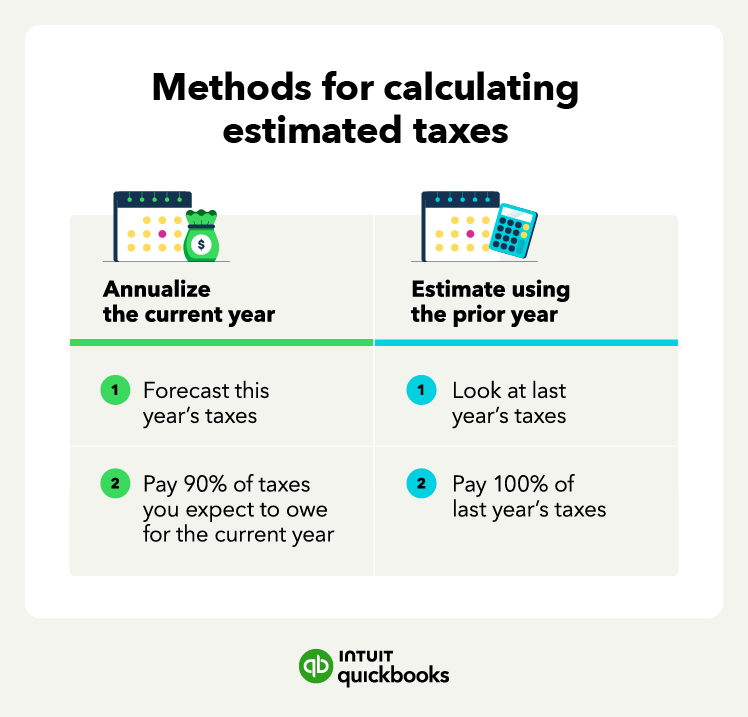
The primary goal is to ensure that you pay “enough” tax throughout the year to avoid an underpayment penalty. The IRS generally requires taxpayers to pay at least 90% of their current year’s tax liability or 100% of their prior year’s tax liability (110% for high-income earners, defined as those with an adjusted gross income of more than $150,000, or $75,000 if married filing separately) through withholding and estimated payments. This is known as the “safe harbor” rule.
Who Is Required to Pay?
The requirement to pay estimated taxes typically applies to individuals who expect to owe at least $1,000 in tax for the year. This threshold catches a wide range of taxpayers, including:
- Self-Employed Individuals: Freelancers, independent contractors, consultants, and small business owners whose income is not subject to employer withholding.
- Gig Economy Workers: Rideshare drivers, delivery service providers, online creators, and others earning income through digital platforms.
- Individuals with Significant Investment Income: Those with substantial income from interest, dividends, capital gains, or rental properties.
- Retirees with Unwithheld Pension or Annuity Income: If your pension or annuity payments are not subject to sufficient withholding.
- Recipients of Alimony: For agreements finalized before January 1, 2019, where alimony is taxable to the recipient.
- Anyone with Income Not Subject to Withholding: This broad category covers various scenarios where traditional employment withholding doesn’t apply.
It’s important to note that even if you have a traditional job, you might still need to pay estimated taxes if you have significant supplemental income. In such cases, you might be able to adjust your W-4 with your employer to increase your withholding, thereby covering your estimated tax liability without needing to make separate quarterly payments.
Calculating Your Estimated Tax Liability
Accurately calculating your estimated tax liability is the most critical step in this process. It requires foresight and a realistic assessment of your income and expenses for the entire tax year. While it might seem like crystal-ball gazing, the IRS provides tools and guidance to help you make informed projections.
The Role of Form 1040-ES
The primary tool for calculating estimated taxes is IRS Form 1040-ES, Estimated Tax for Individuals. This form includes a worksheet designed to help you estimate your adjusted gross income, deductions, credits, and ultimately, your tax liability for the year. It’s an iterative process that often requires you to project your earnings, expenses, and other financial activities.
The worksheet walks you through several steps:
- Estimate Your Total Income: This includes all taxable income from all sources: self-employment income, wages (if any), interest, dividends, capital gains, rental income, etc. Be as realistic as possible.
- Estimate Your Deductions and Credits: Factor in any itemized deductions you anticipate (e.g., mortgage interest, state and local taxes, charitable contributions) or the standard deduction, whichever is higher. Also, include any applicable tax credits (e.g., child tax credit, education credits).
- Calculate Your Estimated Tax: Based on your projected taxable income, use the current year’s tax rate schedules (found in the Form 1040-ES instructions) to determine your estimated income tax. Don’t forget to add self-employment tax if applicable, and any other relevant taxes like AMT.
- Account for Withholding: If you have any wages subject to withholding, subtract the total expected withholding from your estimated total tax. The remaining amount is what you’ll need to pay via estimated taxes.
Projecting Your Annual Income and Deductions
Accurate projection is key. For those new to self-employment, this can be challenging. A good starting point is to review your prior year’s tax return. If your income and expenses are expected to be similar, this can serve as a baseline. However, if you anticipate significant changes – a new business venture, a substantial investment gain, or a large one-time expense – you’ll need to adjust your projections accordingly.
Keep detailed records of your income and expenses throughout the year. This not only helps with your quarterly calculations but also simplifies year-end tax preparation. Many taxpayers find it useful to regularly revisit their projections, especially after the first quarter, to adjust subsequent payments if their financial situation changes.
The “Safe Harbor” Rules
To avoid underpayment penalties, you generally need to meet one of the safe harbor requirements:
- 90% Rule: Pay at least 90% of your current year’s tax liability.
- 100% Rule (or 110% for high earners): Pay 100% of your prior year’s tax liability (if your adjusted gross income in the prior year was $150,000 or less, or $75,000 for married filing separately). If your prior year’s AGI was over $150,000 (or $75,000 for married filing separately), you must pay 110% of your prior year’s tax liability.
Meeting the prior year’s safe harbor is often easier as it relies on known figures. If you expect a significantly higher income in the current year, aiming for the 110% safe harbor (if applicable) can provide peace of mind. Conversely, if your income is projected to be much lower, using the 90% rule based on your current year’s estimate might result in smaller payments.
The Mechanics of Payment: Methods and Deadlines
Once you’ve calculated your estimated tax, the next step is to make the payments. The IRS offers several convenient ways to do this, each with its own advantages. Crucially, adhering to the payment deadlines is just as important as the payments themselves.
Key Quarterly Deadlines
Unlike the annual tax deadline of April 15, estimated taxes are due four times a year. These deadlines can sometimes shift if they fall on a weekend or holiday, but generally they are:
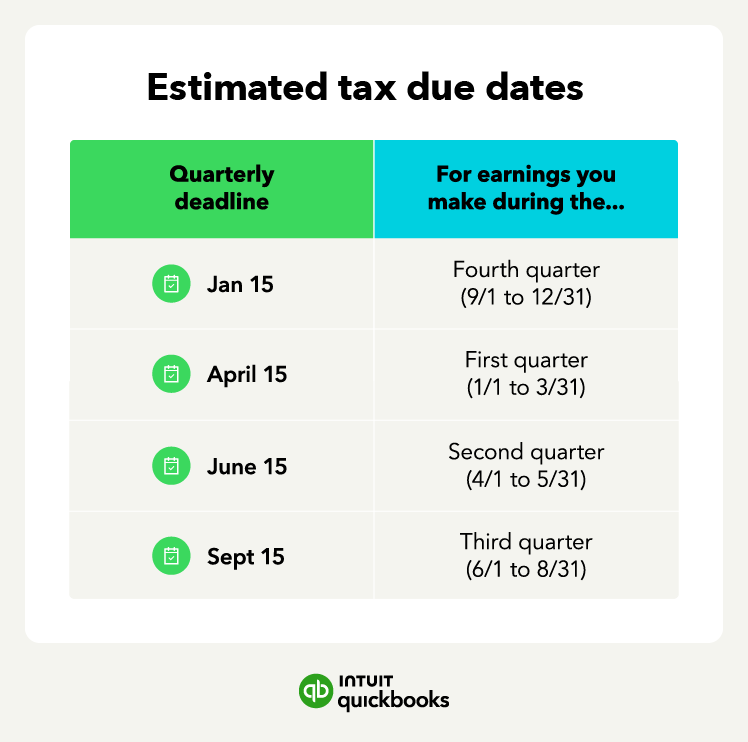
- Payment 1: April 15 (for income earned January 1 to March 31)
- Payment 2: June 15 (for income earned April 1 to May 31)
- Payment 3: September 15 (for income earned June 1 to August 31)
- Payment 4: January 15 of next year (for income earned September 1 to December 31)
It’s vital to mark these dates on your calendar and set reminders. Missing a deadline, even if you pay later, can result in penalties. If you’re mailing a payment, ensure it’s postmarked by the due date.
IRS-Approved Payment Methods
The IRS offers several electronic and traditional methods for submitting your estimated tax payments:
- IRS Direct Pay: This is a free, secure service offered by the IRS that allows you to pay directly from your checking or savings account. It’s convenient, provides instant confirmation, and is accessible 24/7. You can schedule payments up to 365 days in advance.
- Electronic Federal Tax Payment System (EFTPS): This is another free service from the U.S. Department of the Treasury. It’s designed primarily for businesses but is also available to individuals. EFTPS requires enrollment and can take a few days to set up, but once active, it offers robust features for scheduling and tracking payments. This is often preferred by those with consistent estimated tax obligations.
- Debit Card, Credit Card, or Digital Wallet: You can pay your estimated taxes through various third-party payment processors who charge a small convenience fee. This option offers flexibility, potentially allowing you to earn rewards points on credit cards, but consider the fee versus the reward.
- Mail (with Form 1040-ES Voucher): If you prefer a traditional method, you can print the payment voucher from Form 1040-ES, fill it out, and mail it with a check or money order to the IRS. Be sure to use the correct mailing address for your state, as listed in the Form 1040-ES instructions, and mail it early enough to be postmarked by the deadline.
- Through Your Tax Software or Tax Professional: Many tax preparation software programs allow you to generate and submit estimated tax payments electronically. If you work with a tax professional, they can often handle the calculation and submission of these payments on your behalf.
State Estimated Taxes
Don’t forget that many states also require quarterly estimated tax payments if you expect to owe a certain amount (often $500 or more). The rules, forms, and deadlines vary by state, so it’s crucial to check your specific state’s tax department website for their requirements. Often, state deadlines mirror federal deadlines, but not always. Filing state estimated taxes involves separate calculations and payment processes.
Strategies for Managing Estimated Taxes
Effective management of estimated taxes goes beyond just making payments on time; it involves proactive planning, meticulous record-keeping, and strategic adjustments.
Maintaining Accurate Records
The foundation of sound estimated tax management is excellent record-keeping. Keep detailed records of all your income and expenses related to your self-employment, investments, or other income sources not subject to withholding. This includes invoices, receipts, bank statements, and any other relevant financial documents. Digital tools, spreadsheets, or accounting software can be invaluable for organizing this information, making it easier to track your financial performance and refine your income projections throughout the year. Good records also serve as indispensable support in case of an IRS inquiry.
Adjusting Payments Throughout the Year
Your income and expenses are rarely perfectly predictable. A project might get delayed, an unexpected expense might arise, or a new client might significantly boost your earnings. The IRS recognizes this variability and allows you to adjust your estimated tax payments as your financial situation changes.
If you earn more than initially projected, you should increase your subsequent payments to avoid underpayment penalties. Conversely, if your income declines, you can reduce future payments. The goal is to pay enough, but not significantly overpay, which ties up your money that could be invested or used elsewhere. The Form 1040-ES worksheet can be re-run at any point to help you re-calculate your remaining liability.
Leveraging Technology and Professional Advice
Modern financial tools can significantly simplify the estimated tax process. Accounting software (like QuickBooks, FreshBooks, or Xero), budgeting apps, and even specialized tax estimation tools can help you track income and expenses, categorize transactions, and project your tax liability with greater accuracy. Many of these tools can even integrate with payment platforms, streamlining the entire process.
For complex financial situations, or if you simply prefer professional guidance, consulting a qualified tax advisor or Certified Public Accountant (CPA) is highly recommended. A tax professional can help you accurately calculate your estimated taxes, advise on strategies to minimize your tax burden, ensure compliance with both federal and state regulations, and even handle the payment process for you. Their expertise can save you time, reduce stress, and potentially prevent costly errors or penalties.
Avoiding Penalties: Compliance and Best Practices
The primary reason for making quarterly estimated tax payments is to comply with IRS rules and avoid penalties for underpayment. Understanding these penalties and adopting best practices can keep you on the right side of the tax law.
Understanding Underpayment Penalties
If you don’t pay enough tax throughout the year through withholding and estimated payments, the IRS may charge an underpayment penalty. This penalty is essentially interest charged on the amount you underpaid for the period it was underpaid. The penalty is calculated separately for each payment period. The IRS provides Form 2210, Underpayment of Estimated Tax by Individuals, Estates, and Trusts, to help you figure out if you owe a penalty and how much.
There are certain exceptions to the underpayment penalty, such as for taxpayers who suffered a casualty, disaster, or other unusual circumstance, or those who became disabled during the tax year. However, for most taxpayers, proactive compliance is the best defense.
Proactive Planning and Review
The best way to avoid penalties is through proactive planning. Start your estimated tax calculations early in the year, and commit to reviewing them periodically.
- Set aside funds: Make it a habit to set aside a percentage of your self-employment or other unwithheld income specifically for taxes. Many financial advisors recommend setting aside 25-35%, depending on your income level and deductions. Consider opening a separate savings account for this purpose.
- Review quarterly: Don’t just set it and forget it. After each quarter, review your actual income and expenses against your projections. Adjust your subsequent payments if necessary.
- Utilize prior year’s data: As discussed, using your prior year’s tax liability as a safe harbor benchmark is an excellent way to ensure you’re paying enough, especially if your income is fairly consistent.
When to Seek Professional Guidance
While this guide provides a comprehensive overview, tax laws are complex and frequently change. If you have a particularly intricate financial situation – for example, multiple income streams, significant investment activity, major life changes (marriage, divorce, new child), or foreign income – a tax professional can offer tailored advice. They can help you optimize your tax strategy, identify deductions and credits you might miss, and ensure complete compliance. Engaging a professional can transform estimated taxes from a source of anxiety into a well-managed component of your overall financial health.
Paying quarterly estimated taxes is an indispensable practice for anyone operating outside the traditional W-2 employment model. While it demands discipline and planning, mastering this aspect of your financial obligations empowers you to manage your cash flow effectively, meet your responsibilities to the tax authorities, and ultimately, build a more secure financial future. By understanding the requirements, carefully calculating your liability, utilizing available payment methods, and adopting sound management strategies, you can navigate the world of estimated taxes with confidence and clarity.
aViewFromTheCave is a participant in the Amazon Services LLC Associates Program, an affiliate advertising program designed to provide a means for sites to earn advertising fees by advertising and linking to Amazon.com. Amazon, the Amazon logo, AmazonSupply, and the AmazonSupply logo are trademarks of Amazon.com, Inc. or its affiliates. As an Amazon Associate we earn affiliate commissions from qualifying purchases.