
In an increasingly digital world, the ability to manage personal and business finances online has become not just a convenience but a necessity. Among the myriad financial tasks that have transitioned to the digital realm, paying taxes online stands out as a critical one. Gone are the days when tax season invariably meant grappling with paper forms, postal delays, and long queues. Today, online tax payment systems offer a streamlined, efficient, and often more secure way to fulfill one’s civic financial duty. For individuals and businesses alike, understanding the nuances of online tax payment is integral to sound financial management, ensuring compliance while optimizing cash flow and minimizing potential penalties. This comprehensive guide delves into the financial considerations and practical steps involved in navigating the digital landscape of tax payments, ensuring a professional, insightful, and engaging experience for every taxpayer.
The Evolution of Tax Payments: Embracing Digital Financial Tools
The journey from manual ledger entries and paper-based submissions to sophisticated online portals reflects a broader digital transformation in finance. This shift is not merely about convenience; it fundamentally alters how individuals and businesses interact with their financial obligations, offering unprecedented levels of transparency, control, and efficiency.
From Paper Trails to Digital Transactions
Historically, tax payments were a paper-intensive ordeal. Taxpayers would calculate their dues, often with the help of an accountant, write a physical check, and mail it to the relevant tax authority. This process was susceptible to human error, postal delays, and lacked immediate confirmation. The advent of the internet and digital banking revolutionized this landscape. Initial online options might have been limited to electronic fund transfers, but they quickly evolved into dedicated tax portals and integrated financial software solutions. This evolution signifies a move towards greater accountability, speed, and accessibility in managing one’s financial relationship with the state. For the modern taxpayer, digital transactions mean real-time updates, instant confirmations, and a significantly reduced administrative burden, freeing up valuable time and resources that can be redirected towards other financial planning activities.
The Efficiency and Security Promise of Online Payments
One of the most compelling arguments for paying taxes online is the unparalleled efficiency it offers. Payments can be initiated at any time, from any location with internet access, eliminating the constraints of banking hours or post office schedules. This flexibility is invaluable for busy professionals and businesses managing complex financial calendars. Beyond convenience, online platforms often incorporate robust security measures designed to protect sensitive financial information. Encryption protocols, multi-factor authentication, and secure servers are standard, offering a layer of protection against fraud and data breaches that paper-based systems simply cannot match. From a financial perspective, this security not only safeguards personal assets but also builds confidence in the digital infrastructure underpinning modern financial interactions, fostering a more trusting environment for economic activity. However, it’s crucial for taxpayers to remain vigilant, ensuring they use official government portals and trusted financial tools, as scams can also leverage the digital realm.
Understanding Your Financial Obligations in the Digital Age
While the method of payment has modernized, the fundamental financial obligation to accurately calculate and pay taxes remains unchanged. In the digital age, this understanding extends to navigating online resources for tax information, filing deadlines, and eligibility for various deductions or credits. Taxpayers must proactively engage with official tax websites, utilizing the calculators and guides provided to ensure their financial declarations are precise. The digital environment empowers individuals to take a more active role in understanding their financial liabilities, moving beyond a passive approach to one of informed financial stewardship. This proactive engagement is key to avoiding costly errors, maximizing legitimate tax benefits, and ensuring long-term financial health. Moreover, understanding tax obligations in the digital age often means being aware of how new forms of income (e.g., gig economy earnings, cryptocurrency gains) are taxed and how to report them accurately through online systems.
Essential Steps for a Smooth Online Tax Payment Experience
Navigating the online tax payment process requires a methodical approach. A series of preparatory and execution steps can significantly streamline the experience, ensuring accuracy and peace of mind.
Verifying Your Tax Liability and Filing Accuracy
Before initiating any payment, the paramount step is to confirm the exact amount of tax owed. This involves accurately completing your tax return, whether manually or through tax preparation software. Discrepancies between your calculated liability and the amount you attempt to pay online can lead to issues, ranging from payment rejections to penalties. Utilize official tax agency resources or professional accounting services to double-check your figures. Ensuring filing accuracy is not just about avoiding underpayment; it’s also about ensuring you don’t overpay, thereby managing your financial resources effectively. A thorough review of all income sources, deductions, and credits before submitting your return and payment is a critical financial due diligence step.
Choosing the Right Online Payment Method
Modern tax systems offer a variety of online payment options, each with its own financial implications. Common methods include:
- Direct Debit (EFTPS – Electronic Federal Tax Payment System in the US): This is often the preferred method for its directness and absence of transaction fees. It allows payments to be debited directly from your bank account.
- Credit/Debit Cards: While convenient, these usually incur a processing fee charged by a third-party payment processor, which can add to your total financial outlay. For larger tax bills, these fees can be substantial. Taxpayers must weigh the convenience and potential rewards (e.g., credit card points) against these additional costs.
- Digital Wallets (e.g., PayPal, Apple Pay, Google Pay): Some tax authorities are beginning to accept payments via popular digital wallets, offering another layer of convenience and often leveraging existing bank linkages.
The choice of payment method should align with your financial situation and preferences, always considering any associated costs.
Navigating Government Tax Portals
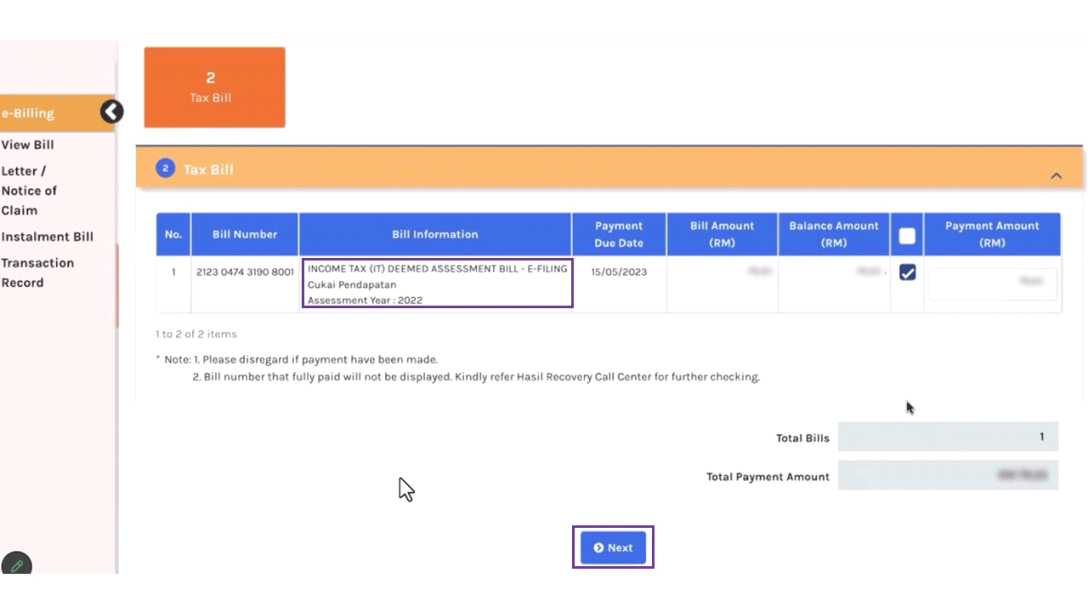
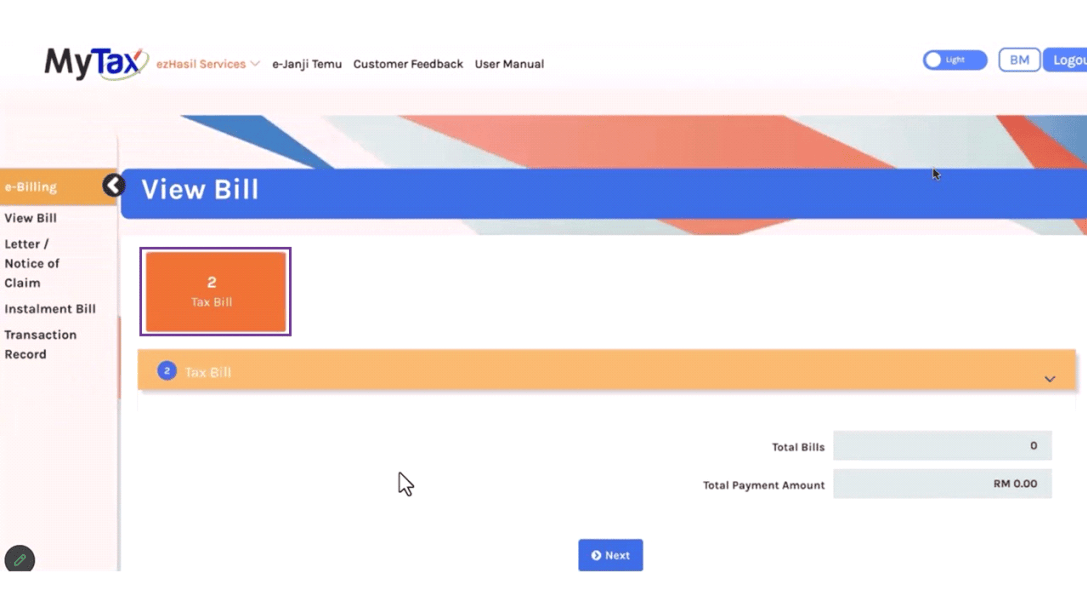
Accessing the correct, official government tax portal is non-negotiable for security and legitimacy. Be wary of unofficial websites or phishing attempts. Most tax agencies provide clear, user-friendly instructions for online payments. Typically, you’ll need to create an account, verify your identity, link your preferred payment method, and then initiate the payment. Familiarize yourself with the interface, understand where to find payment history, and how to obtain confirmation. Financial prudence dictates using only authenticated and secure links directly from the official government agency’s website.
Confirming Your Payment and Record Keeping
After submitting your payment, always ensure you receive a confirmation number or receipt. This is your undeniable proof of payment. Save this confirmation digitally and, if possible, in a physical format. Maintaining meticulous records of your tax payments is paramount for financial auditing purposes, future tax preparations, and resolving any potential disputes. Many online systems allow you to view your payment history, which serves as an invaluable financial record. Good record-keeping practices are a cornerstone of sound financial management, providing a clear audit trail and peace of mind.
Financial Implications and Best Practices for Online Tax Payments
Beyond the procedural steps, understanding the financial implications and adopting best practices for online tax payments can significantly impact your overall financial health.
Avoiding Penalties: Timeliness and Accuracy

One of the most critical financial aspects of tax payments is avoiding penalties. Late payments and inaccurate filings can result in significant fines and interest charges, eroding your financial resources. Online payment systems provide tools to schedule payments in advance, helping ensure timely submission even if you’re busy on the due date. Double-checking all figures, cross-referencing with financial records, and understanding the specific deadlines for different tax types (federal, state, local) are essential. Proactive management of these deadlines is a key financial discipline. Utilizing tax software with built-in checks and balances can also help minimize errors.
Budgeting and Cash Flow Management for Tax Season
Effective financial planning dictates that tax obligations should not come as a surprise. Integrating tax payments into your annual budget and cash flow management strategy is crucial. For businesses, this might involve setting aside a percentage of revenue regularly. For individuals, it could mean adjusting withholdings or saving periodically throughout the year. The goal is to avoid a last-minute scramble for funds, which can put undue strain on personal or business finances. Online payment systems, particularly those allowing scheduled payments, can be powerful tools in managing this cash flow, allowing you to allocate funds strategically and prevent liquidity issues.
The Role of Financial Planning in Proactive Tax Management
Proactive tax management is an integral part of comprehensive financial planning. This extends beyond merely paying on time; it involves strategic decisions throughout the year to optimize your tax situation. This could include understanding tax-advantaged investment vehicles, utilizing available deductions and credits, and planning for significant life events (e.g., marriage, buying a home, starting a business) that impact tax liability. Paying taxes online is the culmination of this planning, a mechanism to execute financial decisions made over the course of the year. Engaging with a financial advisor can provide insights into these strategies, helping you reduce your tax burden legally and sustainably, thus preserving more of your wealth.
Safeguarding Your Financial Information Online
While online tax payments are generally secure, taxpayers must take responsibility for safeguarding their own financial data. This involves using strong, unique passwords, enabling multi-factor authentication whenever possible, and being vigilant against phishing emails or fraudulent websites. Never share your login credentials or sensitive financial details over unsecured channels. Regular review of bank statements and credit reports can also help detect any unauthorized activity quickly. From a financial security perspective, investing in reliable antivirus software and maintaining updated operating systems are also crucial steps to protect your digital financial footprint.
Leveraging Technology for Enhanced Tax Management
The digital ecosystem offers more than just payment portals; it provides an array of tools that can profoundly enhance how individuals and businesses manage their tax responsibilities, from preparation to payment and record-keeping.
Integrating Tax Software with Online Payments
Modern tax preparation software (e.g., TurboTax, H&R Block, QuickBooks for business) has become indispensable for many taxpayers. These platforms not only guide users through the intricate process of filing their returns but also often integrate directly with online payment systems. This seamless integration ensures that once your return is finalized, your payment information can be transmitted securely and accurately to the tax authorities with minimal manual input. This reduces the risk of transcription errors and provides a centralized hub for managing all aspects of your tax filing and payment, fostering greater financial control and accuracy. Such integration often extends to providing estimates for quarterly payments, a critical feature for self-employed individuals and businesses for proactive financial planning.
Exploring Payment Options: Direct Debit, Credit/Debit Cards, Digital Wallets
The expansion of online payment options offers financial flexibility, but it demands a strategic choice. Direct Debit from a bank account remains the most cost-effective for the taxpayer, as government agencies typically bear the transaction costs, making it a financially sound choice. Credit and debit cards offer immediate payment and sometimes reward points, but the associated processing fees (often 2-3% of the payment) can significantly increase the total cost of your tax payment. Digital wallets are emerging as a hybrid, offering convenience and potentially secure transactions without necessarily incurring fees if linked directly to a bank account. Understanding the fee structure and financial implications of each option is key to making an informed decision that aligns with your financial objectives. For instance, for a large tax bill, the convenience of a credit card might be outweighed by hundreds of dollars in processing fees.
Future Trends in Digital Tax Payments: Blockchain and AI
The future of digital tax payments is poised for further innovation, with technologies like blockchain and artificial intelligence (AI) on the horizon. Blockchain, with its distributed ledger technology, offers the potential for immutable, transparent, and highly secure record-keeping, which could revolutionize how tax transactions are verified and stored, potentially reducing fraud and streamlining audits. AI could enhance tax preparation software, offering more personalized advice, predicting tax liabilities more accurately, and even automating certain aspects of compliance. From a financial perspective, these advancements promise even greater efficiency, security, and potentially reduced administrative costs for both taxpayers and tax authorities, ushering in an era of more sophisticated and integrated financial governance.
Beyond Payment: A Holistic Approach to Financial Tax Management
Paying taxes online is a crucial step, but it’s part of a larger financial ecosystem. A holistic approach to financial tax management extends beyond the transaction itself, encompassing ongoing planning, professional guidance, and continuous learning.
The Value of Professional Financial Advice
While online tools make tax payment more accessible, the complexity of tax codes and financial planning often necessitates professional advice. Tax accountants and financial advisors offer invaluable expertise in identifying legitimate deductions, structuring investments tax-efficiently, and navigating complex financial situations. Their guidance can lead to significant savings, ensure compliance, and provide peace of mind that your financial affairs are optimized. Engaging a professional is an investment that can yield substantial returns, especially for those with diverse income streams, investments, or significant life changes, ensuring your online payments accurately reflect a strategically optimized tax position.
Continuous Learning for Tax Code Updates
Tax laws are not static; they evolve annually, sometimes with significant changes that can impact your financial obligations and opportunities. Staying informed about these updates is a continuous process. Official government tax websites, reputable financial news outlets, and professional tax publications are excellent resources. Regular review of these changes ensures that your financial planning and tax preparation remain current and compliant. For business owners, especially, understanding changes in corporate tax law or deductions is critical for maintaining financial viability and competitive advantage.
Building a Resilient Financial Future Through Smart Tax Practices
Ultimately, the goal of understanding how to pay your tax online and manage your tax affairs effectively is to contribute to a resilient financial future. Smart tax practices, including timely and accurate online payments, proactive financial planning, and leveraging professional advice, are fundamental pillars of strong personal and business finance. By embracing the efficiency and security of online tax payment systems, coupled with a strategic approach to tax management, individuals and businesses can confidently fulfill their financial obligations, optimize their wealth, and build a more secure economic foundation for the years to come. In an economy increasingly reliant on digital transactions, mastering online tax payments is not just a procedural step but a strategic imperative for financial success.
aViewFromTheCave is a participant in the Amazon Services LLC Associates Program, an affiliate advertising program designed to provide a means for sites to earn advertising fees by advertising and linking to Amazon.com. Amazon, the Amazon logo, AmazonSupply, and the AmazonSupply logo are trademarks of Amazon.com, Inc. or its affiliates. As an Amazon Associate we earn affiliate commissions from qualifying purchases.