
Tax season can be a source of significant stress, especially when the final calculation reveals a larger tax bill than anticipated. For many individuals and businesses, the thought of being unable to pay their taxes in full by the deadline can trigger anxiety, fears of penalties, and even legal repercussions. However, the Internal Revenue Service (IRS) understands that financial challenges can arise, and they offer various solutions to help taxpayers meet their obligations. One of the most common and accessible of these solutions is the ability to pay your taxes in installments through a formal payment plan.
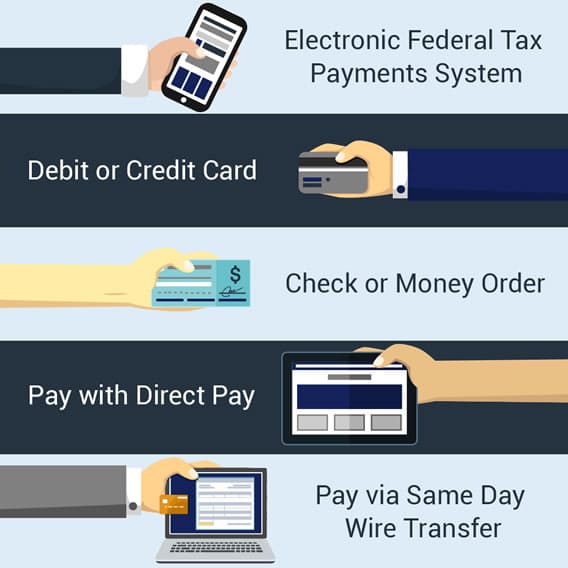
This guide will demystify the process, outlining the various options available, how to apply, and crucial financial considerations to keep in mind. Understanding these mechanisms can transform a daunting tax debt into a manageable financial commitment, providing a lifeline when immediate full payment isn’t feasible. Taking proactive steps to address your tax liability, even if it means entering a payment plan, is always preferable to ignoring the problem, which can lead to escalating penalties and interest.
Understanding IRS Payment Plans: Your Options When You Can’t Pay
When facing a tax bill you can’t pay immediately, the IRS offers several pathways to resolve your debt. Each option is designed for different financial situations and comes with its own set of terms and conditions. Familiarizing yourself with these choices is the first step toward finding the most suitable solution for your circumstances.
Short-Term Payment Plan
If you anticipate being able to pay your full tax liability within a relatively short period, typically up to 180 days (or sometimes up to 365 days in certain situations), a Short-Term Payment Plan might be your best bet. This option allows you to temporarily delay full payment. While it provides immediate relief, it’s important to note that interest and penalties continue to accrue on your unpaid balance until it’s fully paid. This plan is generally easier to qualify for than other options, often requiring just a phone call to the IRS or an application through their online payment agreement system. It’s ideal for those who are expecting a bonus, a large commission, or the sale of an asset soon after the tax deadline.
Offer in Compromise (OIC)
An Offer in Compromise (OIC) allows certain taxpayers to resolve their tax liability with the IRS for a lower amount than they originally owed. This option is typically considered when taxpayers are experiencing significant financial difficulty and cannot pay their full tax debt. The IRS considers an OIC based on your “ability to pay,” your income, expenses, and asset equity. An OIC is not for everyone and requires a thorough financial assessment. The IRS reviews OICs based on three primary grounds: doubt as to collectibility (you can’t pay), doubt as to liability (you don’t believe you owe the tax), or effective tax administration (paying the full amount would cause economic hardship or be unfair/inequitable). If accepted, an OIC can provide substantial relief, but the application process is rigorous, requires a non-refundable application fee (unless an exception applies), and is subject to IRS approval. It’s a complex process often best navigated with the assistance of a tax professional.
Installment Agreement (IA)
The Installment Agreement (IA) is the most common and widely used payment plan offered by the IRS. It allows taxpayers to make monthly payments for up to 72 months (six years) to pay off their tax debt. Similar to the short-term plan, interest and penalties continue to accrue on the outstanding balance, but the monthly payments make the debt manageable. There are different types of installment agreements:
- Guaranteed Installment Agreement: If you owe $10,000 or less (excluding penalties and interest), you’re an individual, have filed all required returns, and agree to pay off the debt within three years, you may qualify for a guaranteed installment agreement. The IRS must accept this if you meet the conditions.
- Streamlined Installment Agreement: This is available to individuals who owe up to $50,000 and businesses that owe up to $25,000 (including penalties and interest). You must be current with all filing requirements. These agreements are generally approved without a detailed review of your financial situation, making them quicker and easier to obtain.
- Non-Streamlined Installment Agreement: For those who owe more than the streamlined limits or do not meet the other criteria, a non-streamlined agreement requires the submission of a Collection Information Statement (Form 433-F, 433-A, or 433-B) detailing your income, expenses, assets, and liabilities. The IRS will review this information to determine your ability to pay and set an appropriate monthly payment amount.
Regardless of the type, entering an installment agreement can prevent more aggressive collection actions, such as liens or levies, as long as you adhere to the payment schedule.
Navigating the Application Process for Installment Agreements
Applying for an installment agreement is a critical step in managing your tax debt. The process can vary slightly depending on your specific situation and the amount you owe, but it generally involves understanding your eligibility, choosing the right application method, and knowing what to expect afterward.
Determining Your Eligibility
Before applying, it’s essential to ensure you meet the basic criteria. For most installment agreements, you must have filed all required tax returns, even if you couldn’t pay the taxes due. You must also owe a specific amount, as outlined for streamlined or guaranteed agreements. The IRS will look at your financial situation to determine your ability to pay, especially for non-streamlined agreements. It’s wise to gather all relevant financial documents – income statements, bank statements, lists of assets and liabilities, and a breakdown of your monthly expenses – before you begin. If you’re unsure about your eligibility or which plan is best, consulting with a tax professional can provide clarity and strategic guidance.
The Online Payment Agreement Application
For many taxpayers, the easiest and quickest way to set up an installment agreement is through the IRS’s Online Payment Agreement (OPA) tool. This tool is available on IRS.gov and allows individuals to set up a monthly payment plan if they owe a combined total of tax, penalties, and interest of $50,000 or less, and businesses if they owe $25,000 or less. If your request is approved, you will receive immediate confirmation. This method is particularly convenient because it doesn’t require filling out paper forms or waiting for mail correspondence. You will need your Social Security Number (or EIN for businesses), date of birth, and filing status, along with the amount you owe. Direct debit options are also available through the OPA, which can help ensure payments are made on time.
Applying by Mail or Phone
If you owe more than the limits for the online application, prefer to communicate directly, or have a more complex financial situation, you can apply for an installment agreement by mail or phone.
To apply by mail, you’ll need to complete and submit Form 9465, Installment Agreement Request. This form is straightforward and asks for basic information about your tax liability and proposed monthly payment. If you’re requesting a non-streamlined agreement or owe a substantial amount, you may also need to include a Collection Information Statement (Form 433-F, 433-A, or 433-B), providing a detailed breakdown of your income, expenses, assets, and liabilities. For phone applications, you can call the IRS directly using the number provided on your tax notices. An IRS representative can assist you with setting up an agreement over the phone, though they may still require you to mail in supporting documentation.
What Happens After You Apply
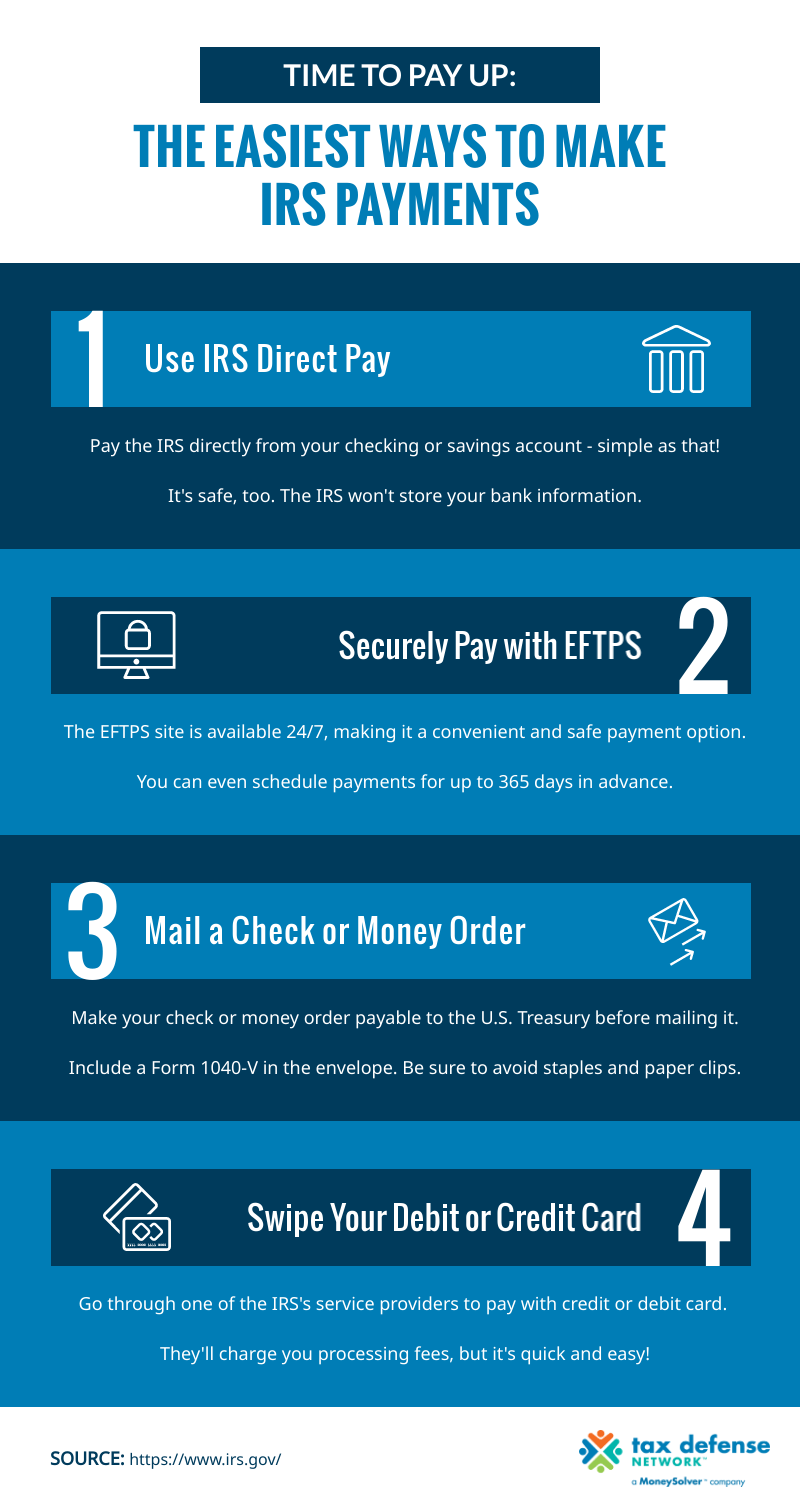
Once you submit your application, the IRS will review it. For online applications, approval is often immediate. For mail or phone applications, it may take several weeks to receive a response. If approved, you’ll receive a confirmation letter outlining your monthly payment amount, the due date, and the total amount you owe including interest and penalties. It’s crucial to adhere strictly to the terms of your installment agreement. Failing to make payments on time or failing to file future tax returns can result in the default of your agreement. If you default, the IRS can resume collection activities, including imposing a federal tax lien or a levy on your wages or bank accounts. If you foresee difficulties in making a payment, contact the IRS immediately to discuss potential modifications or temporary suspensions.
Financial Implications and Best Practices for Payment Plans
While an installment agreement offers a much-needed reprieve, it’s not without financial implications. Understanding these costs and adopting best practices can help minimize the overall burden of your tax debt.
Interest and Penalties: The Ongoing Costs
One of the most important considerations when entering an IRS payment plan is the continued accrual of interest and penalties. Even with an installment agreement, the “failure to pay” penalty typically applies, though it might be reduced. This penalty is usually 0.5% of the unpaid taxes for each month or part of a month that taxes remain unpaid, but it caps at 25% of your unpaid tax. Additionally, interest is charged on the unpaid balance, including any penalties. The IRS interest rate can change quarterly and is generally the federal short-term rate plus 3 percentage points. These costs can add up significantly over the life of a multi-year payment plan, increasing your total debt beyond the original tax amount. Therefore, it’s always advisable to pay off your tax debt as quickly as your financial situation allows.
Budgeting for Your Tax Payments
Integrating your tax payments into your monthly budget is essential for successfully adhering to an installment agreement. Treat your IRS payment like any other critical bill, such as rent or mortgage. Start by creating a detailed budget that accounts for all your income and expenses. Identify areas where you can cut back to free up funds for your tax payment. Setting up automatic direct debit payments from your bank account to the IRS can prevent missed payments and help ensure consistency. Utilize budgeting apps or spreadsheets to track your spending and monitor your progress. A well-structured budget not only ensures timely payments but also helps you regain control of your overall financial health, preventing future tax debt.
The Role of Tax Professionals
Navigating IRS payment plans can be complex, especially if you have a significant tax debt or intricate financial circumstances. This is where the expertise of a tax professional – such as a Certified Public Accountant (CPA), Enrolled Agent (EA), or tax attorney – becomes invaluable. A professional can:
- Assess your situation: They can help you understand all available options and recommend the most suitable payment plan.
- Prepare documentation: They can assist in accurately completing complex forms like the Collection Information Statement (Form 433-F) to ensure your financial picture is presented correctly to the IRS.
- Negotiate on your behalf: For OICs or non-streamlined installment agreements, a professional can often negotiate more favorable terms with the IRS, representing your interests.
- Provide peace of mind: Knowing that an expert is handling your tax matters can alleviate stress and ensure that all rules and regulations are followed, minimizing the risk of errors or missed deadlines.
While there’s a cost associated with hiring a professional, the benefits of their expertise often outweigh the expense, particularly in avoiding larger penalties or achieving a better outcome with the IRS.
Beyond Payment Plans: Strategies to Avoid Future Tax Debt
While IRS payment plans offer a crucial safety net, the ultimate goal should be to avoid accumulating tax debt in the first place. Proactive financial planning and tax management strategies can significantly reduce the likelihood of facing a large, unexpected tax bill.
Adjusting Withholding or Estimated Payments
One of the most common reasons for owing a substantial amount at tax time is insufficient withholding from paychecks or inadequate estimated tax payments throughout the year. For employees, regularly reviewing and adjusting your Form W-4 with your employer can ensure the correct amount of tax is withheld. Life events like marriage, divorce, having a child, or significant changes in income should prompt a W-4 review. Use the IRS Tax Withholding Estimator tool on IRS.gov for personalized guidance. For self-employed individuals, freelancers, and those with significant investment income, making accurate quarterly estimated tax payments (Form 1040-ES) is crucial. These payments cover income tax, self-employment tax, and any other taxes. Failing to pay enough estimated tax can result in underpayment penalties, even if you eventually pay all your taxes by the due date.
Building an Emergency Fund
A robust emergency fund is a cornerstone of sound personal finance and can be your first line of defense against unexpected tax bills. Aim to save at least three to six months’ worth of essential living expenses in an easily accessible savings account. This fund can provide a buffer if your income fluctuates, or if you incur an unforeseen expense that impacts your ability to pay your taxes. Instead of scrambling for a payment plan, you can tap into your emergency savings, pay your taxes in full, and then replenish the fund. This strategy not only prevents tax debt but also offers broader financial security against other life surprises.
Proactive Tax Planning
Effective tax planning isn’t just an annual event; it’s a year-round process. Develop a habit of monitoring your income, expenses, and potential deductions throughout the year. Keep meticulous records of all financial transactions, including charitable contributions, medical expenses, and business-related costs.
Regularly review your tax situation for any life changes that might impact your tax liability, such as starting a new business, buying a home, or receiving an inheritance. Leverage tax-advantaged accounts like 401(k)s, IRAs, and HSAs to reduce your taxable income. Stay informed about changes in tax laws, or work with a tax professional who can help you strategically plan to minimize your tax burden and avoid surprises. Proactive planning empowers you to make informed decisions that lead to better financial outcomes and a stress-free tax season.
Conclusion
Facing a tax bill you can’t immediately afford can be overwhelming, but it’s a challenge with well-defined solutions. The IRS offers several payment options, including short-term plans, Offers in Compromise, and most commonly, installment agreements, designed to provide relief and a structured path to resolving your tax debt. By understanding these options, meticulously navigating the application process, and being aware of the ongoing financial implications like interest and penalties, you can transform a daunting obligation into a manageable financial commitment.
Beyond addressing current debt, the most effective strategy lies in proactive financial management. Adjusting withholding, making timely estimated payments, building an emergency fund, and engaging in year-round tax planning are powerful tools to prevent future tax debt. Ultimately, taking responsibility, seeking professional guidance when needed, and committing to sound financial practices will ensure you navigate tax season with confidence and maintain a healthy financial standing. Don’t let tax debt paralyze you; empower yourself with knowledge and action.
aViewFromTheCave is a participant in the Amazon Services LLC Associates Program, an affiliate advertising program designed to provide a means for sites to earn advertising fees by advertising and linking to Amazon.com. Amazon, the Amazon logo, AmazonSupply, and the AmazonSupply logo are trademarks of Amazon.com, Inc. or its affiliates. As an Amazon Associate we earn affiliate commissions from qualifying purchases.