
In today’s hyper-digitalized economy, the ability to accept online payments is no longer a luxury but a fundamental necessity for any business aiming for growth and sustainability. From nascent startups to established enterprises, the convenience and reach offered by digital transactions are unparalleled. This guide demystifies the process of setting up online payment systems, offering a clear, insightful roadmap for businesses to seamlessly integrate this crucial financial capability.
The Imperative of Digital Transactions for Modern Businesses
The shift from cash and physical cards to digital payment methods has been profound and continues to accelerate. Consumers today expect frictionless purchasing experiences, and the ability to pay instantly online is at the core of this expectation. For businesses, embracing online payments isn’t just about meeting customer demands; it’s a strategic move that unlocks significant financial opportunities and operational efficiencies.
The Evolving Landscape of Consumer Spending
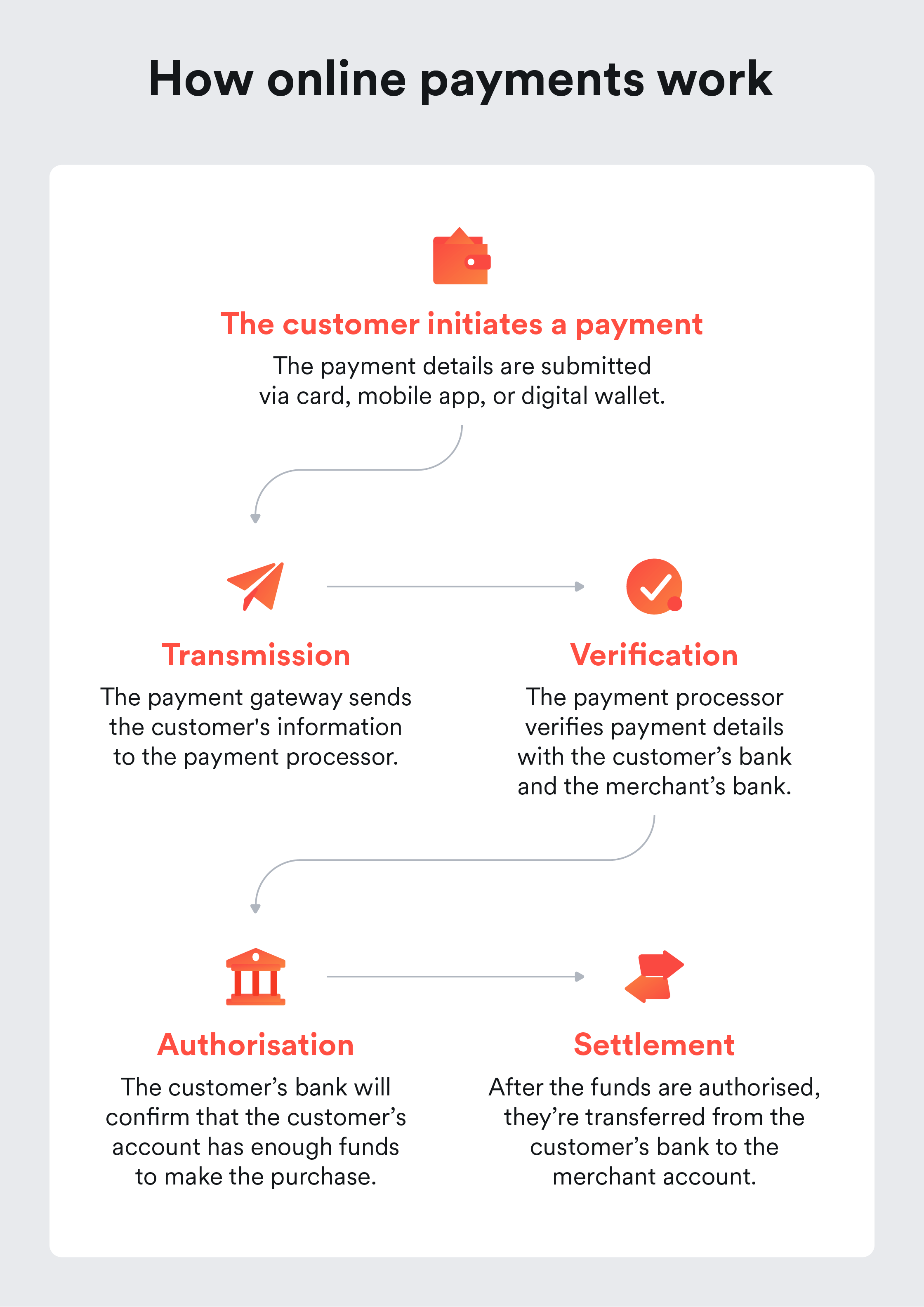
The rise of e-commerce, mobile commerce, and subscription models has fundamentally reshaped how money changes hands. Consumers are increasingly comfortable with and prefer digital wallets, direct bank transfers, and credit/debit card transactions processed through secure online portals. Businesses that fail to adapt risk alienating a significant portion of their potential customer base, particularly younger demographics who are digital natives. Data consistently shows that businesses offering multiple convenient online payment options experience higher conversion rates and reduced cart abandonment. It’s about removing financial friction from the customer journey, making it as effortless as possible for them to complete a purchase, subscribe to a service, or make a donation.
Benefits Beyond Convenience: Growth and Accessibility
Beyond customer convenience, integrating online payments offers tangible financial benefits. Firstly, it significantly expands market reach. A local boutique can suddenly sell its products to customers across the globe without needing a physical presence. Secondly, it streamlines financial operations. Automated payment processing reduces manual administrative tasks, minimizes human error, and provides real-time transaction data for better financial tracking and analysis. This improved cash flow visibility is invaluable for strategic financial planning. Furthermore, online payment systems often come with built-in invoicing and reporting tools, simplifying accounting and tax compliance, which are critical aspects of sound business finance. The ability to accept recurring payments for subscription services also creates predictable revenue streams, enhancing financial stability and forecasting accuracy.
Navigating the Payment Processor Landscape
The foundation of accepting online payments lies in choosing the right payment processor. This decision is multifaceted, involving considerations of cost, security, integration capabilities, and the specific needs of your business model. Understanding the distinctions between various solutions is crucial before making a commitment.
Understanding Payment Gateways vs. Merchant Accounts
At the core of online payment processing are two key components: the payment gateway and the merchant account. A merchant account is a special type of bank account that temporarily holds funds from credit and debit card transactions before they are transferred to your regular business bank account. It’s essentially a contract between a merchant, a acquiring bank, and a payment processor that allows businesses to accept electronic payments.
A payment gateway, on the other hand, is the software and service that authorizes credit card payments for e-businesses, online retailers, bricks-and-clicks, or traditional brick-and-mortar stores. It acts as a digital bridge, encrypting sensitive payment information and securely transmitting it from the customer to the acquiring bank (via the merchant account) for authorization, and then back again. Think of it as the secure portal your customers use to enter their payment details. Some modern payment service providers (PSPs) offer integrated solutions that bundle both the merchant account and payment gateway services, simplifying the setup process for many small to medium-sized businesses.
Key Factors in Selecting Your Payment Solution
The choice of a payment solution profoundly impacts your business’s financial operations. Several critical factors warrant careful consideration:
- Costs and Fee Structures: This is often the most scrutinized factor. Payment processors typically charge a combination of transaction fees (a percentage per transaction plus a fixed amount), monthly fees, setup fees, and potentially fees for chargebacks or international transactions. Transparently compare these structures across different providers to understand the total cost of ownership. Some providers offer lower percentages but higher fixed fees, which might be better for high-volume, low-value transactions, or vice-versa.
- Security and Compliance: Protecting sensitive customer financial data is paramount. Ensure the chosen solution is PCI DSS compliant (Payment Card Industry Data Security Standard) and offers robust fraud prevention tools, encryption, and tokenization. A breach can be financially devastating and severely damage your brand’s reputation.
- Integration Capabilities: How easily does the payment gateway integrate with your existing website, e-commerce platform (e.g., Shopify, WooCommerce), or accounting software? Seamless integration minimizes technical headaches and ensures a smooth customer experience. Look for clear APIs (Application Programming Interfaces) and developer documentation if custom integration is required.
- Supported Currencies and Global Reach: If you plan to sell internationally, ensure the processor supports multiple currencies and payment methods popular in your target markets.
- Customer Support: When things go wrong, reliable and responsive customer support is invaluable. Evaluate their availability (24/7?), channels (phone, email, chat), and reputation.
- Payment Methods Accepted: Does it support major credit cards (Visa, Mastercard, Amex), digital wallets (Apple Pay, Google Pay), bank transfers, and popular local payment methods? The more options, the better for customer conversion.
- Payout Schedules: Understand how frequently funds will be settled into your business bank account. Some providers offer daily payouts, while others might have a weekly or bi-weekly schedule, which can impact your cash flow management.
Popular Payment Solutions: A Comparative Overview
The market is flooded with excellent payment processors, each with its strengths. Some of the most prominent include:
- Stripe: Renowned for its developer-friendly APIs, Stripe is popular among startups and businesses needing highly customizable payment solutions. It offers comprehensive features for online payments, recurring billing, and international transactions, with transparent, pay-as-you-go pricing.
- PayPal: A household name, PayPal offers simplicity and instant brand recognition. Its services range from basic payment buttons to advanced PayPal Payments Pro for businesses. It’s especially useful for small businesses and those with a strong international customer base due to its widespread acceptance.
- Square: Initially known for its POS systems and card readers for brick-and-mortar stores, Square has expanded significantly into online payment processing. It’s an excellent all-in-one solution for businesses that operate both online and offline, offering integrated inventory management and robust reporting.
- Adyen: A global payment platform favored by larger enterprises, Adyen offers a unified platform for online, in-app, and in-store payments. It’s known for its extensive global reach and powerful data analytics.
- Braintree (a PayPal service): Often chosen by businesses requiring more advanced customization than standard PayPal, Braintree offers a robust gateway for accepting credit cards, PayPal, Apple Pay, Google Pay, and other digital wallets.
Researching these and other providers based on the factors listed above will help you identify the best financial tool for your specific business needs.
A Step-by-Step Guide to Implementation
Once you’ve chosen your payment processor, the implementation phase begins. While the exact steps may vary slightly depending on your chosen solution and existing infrastructure, the general workflow remains consistent.
Business Registration and Compliance Prerequisites
Before you can accept online payments, ensure your business is legally registered and compliant. This typically involves:

- Legal Entity: Having a registered business entity (sole proprietorship, LLC, corporation).
- Bank Account: A dedicated business bank account is essential for receiving payouts from your payment processor.
- Tax ID: Your employer identification number (EIN) or equivalent tax ID is required for financial reporting.
- Website/Online Store: A fully functional website or e-commerce platform where you will display your products/services and accept payments.
- Terms & Conditions/Privacy Policy: Clearly defined terms of service, refund policies, and privacy policies are crucial for legal compliance and customer trust, especially when handling financial transactions.
Many payment processors will require verification of these details as part of their Know Your Customer (KYC) and Anti-Money Laundering (AML) compliance procedures.
Integrating with Your E-commerce Platform
The integration process is typically straightforward for most modern e-commerce platforms.
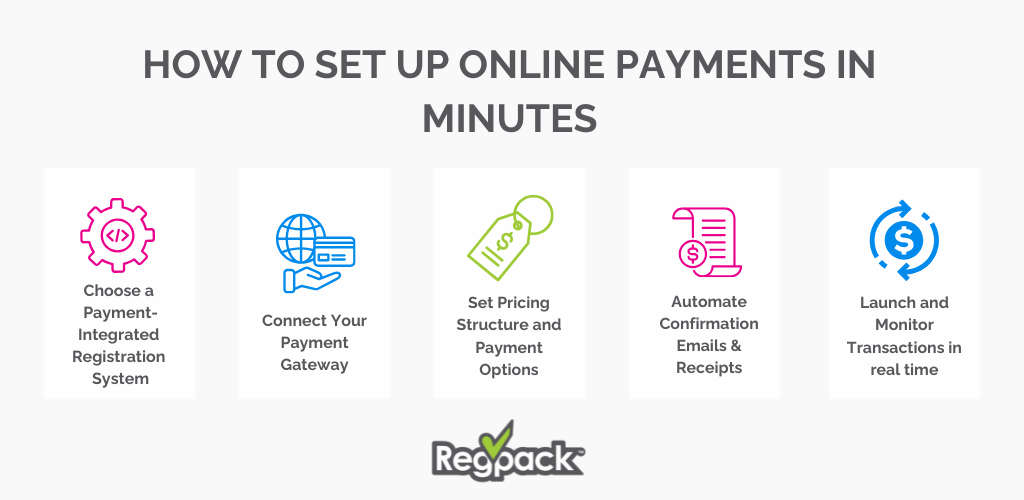
- Sign Up with Chosen Processor: Create an account with your selected payment gateway (e.g., Stripe, PayPal, Square). You’ll typically go through an application process that includes providing business and bank details.
- Access API Keys/Credentials: Once approved, your payment processor dashboard will provide you with API keys (publishable and secret keys) or other integration credentials. These are unique identifiers that allow your website to securely communicate with the payment processor.
- Install Plugin/Extension: If you’re using a platform like Shopify, WooCommerce (for WordPress), or Magento, navigate to their app store or plugin directory. Search for the official integration plugin for your chosen payment processor. Install and activate it.
- Configure Settings: Go to the plugin’s settings within your e-commerce platform. Here, you’ll typically input your API keys or connect your payment processor account directly. Configure other settings such as supported currencies, payment methods you wish to offer, and any specific branding requirements.
- Test Transactions: This is a critical step. Most payment processors offer a “test mode” or “sandbox” environment where you can simulate transactions without using real money. Conduct several test purchases, including successful payments, failed payments, and refunds, to ensure everything is working correctly from the customer’s checkout experience to the funds appearing (or not appearing) in your test merchant account.
For custom-built websites, you or your developer will use the payment processor’s API documentation to programmatically integrate the payment gateway into your site’s checkout flow. This offers maximum flexibility but requires more technical expertise.
Testing, Launch, and Ongoing Management
After successful testing, you are ready to “go live.” Switch your payment gateway from test mode to live/production mode. Continue to monitor transactions regularly. Ensure your customer service team is familiar with the payment process and can assist customers with any payment-related queries or issues. Regularly review your payment processor’s statements against your sales records to reconcile funds and track fees accurately. Proactive management of your online payment system is key to maintaining financial health and a smooth customer experience.
Financial Implications and Best Practices
Understanding the financial nuances of online payment processing is as crucial as the setup itself. Strategic management of fees, risk, and cash flow will directly impact your business’s profitability.
Deciphering Transaction Fees and Payout Schedules
Transaction fees, while seemingly small per transaction, can accumulate quickly and significantly impact your gross margins. It’s essential to:
- Understand Your Volume: Businesses with high transaction volumes or high average transaction values might benefit from custom pricing tiers offered by processors, which typically lower the percentage per transaction.
- Differentiate Card Types: Some processors charge different rates for different card types (e.g., standard vs. premium credit cards) or for international cards.
- Account for Additional Fees: Be aware of chargeback fees, refund processing fees, international transaction fees, and any monthly or annual maintenance fees.
- Monitor Payouts: Keep a close eye on your payout schedule. Understand the “holdbacks” or “reserves” some processors might implement, especially for new businesses or those deemed higher risk, which can temporarily impact your working capital. Reconcile received funds with your internal sales data regularly to catch discrepancies early.
Mitigating Risks: Fraud, Chargebacks, and PCI Compliance
Online payments come with inherent risks that must be proactively managed to protect your financial standing and customer trust.
- Fraud Prevention: Implement fraud detection tools offered by your payment processor (e.g., AVS – Address Verification System, CVV checks). Be vigilant for suspicious orders, especially large orders from new customers with differing billing and shipping addresses.
- Chargebacks: A chargeback occurs when a customer disputes a transaction with their bank, leading to funds being pulled back from your business. This is not only a financial loss but also incurs additional fees. Common reasons include “item not received,” “item not as described,” or unauthorized transactions. Implement clear return/refund policies, provide excellent customer service, maintain detailed shipping records, and respond promptly to all chargeback disputes with compelling evidence. A high chargeback rate can lead to increased fees or even account suspension.
- PCI Compliance: The Payment Card Industry Data Security Standard (PCI DSS) is a set of security standards designed to ensure that all companies that accept, process, store, or transmit credit card information maintain a secure environment. Most reputable payment processors handle much of this for you by securely processing card data on their servers, but your own website environment and practices still need to comply. This is critical for avoiding fines and maintaining consumer trust in your financial security.
Optimizing for Financial Health and Scalability
Setting up online payments is just the beginning. To optimize for long-term financial health:
- Regularly Review Processor Performance: Periodically evaluate your chosen payment processor. Are their fees still competitive? Is their service meeting your evolving business needs? Market conditions and your business needs change, so be prepared to reassess.
- Diversify Payment Options: Offering a variety of payment methods can increase conversion and cater to broader customer preferences. Consider adding Buy Now, Pay Later (BNPL) options like Afterpay or Klarna, which have proven to boost average order value.
- Automate Reconciliation: Integrate your payment processor with your accounting software (e.g., Xero, QuickBooks) to automate transaction reconciliation, saving time and reducing errors in financial reporting.
- Monitor Analytics: Utilize the analytics provided by your payment processor or e-commerce platform to track sales trends, identify peak periods, and understand customer payment behaviors. This data is invaluable for inventory management, marketing, and overall financial strategy.
The Future of Online Payments and Your Business
The landscape of online payments is dynamic, constantly evolving with technological advancements and shifting consumer behaviors. Staying abreast of these changes is vital for maintaining a competitive edge and ensuring the financial longevity of your business.
Emerging Payment Technologies and Trends
- Cryptocurrencies: While still volatile, some businesses are exploring accepting cryptocurrencies like Bitcoin and Ethereum. As these assets gain mainstream acceptance, dedicated crypto payment gateways will become more prevalent.
- Biometric Payments: Fingerprint, facial recognition, and iris scanning are already used in mobile payments and are poised to become more common in online transactions for enhanced security and convenience.
- Invisible Payments: Think “just walk out” stores where payments are automatically processed as you leave. While primarily physical for now, the underlying technology could influence future online subscription and loyalty models.
- AI and Machine Learning for Fraud Detection: AI is increasingly used to analyze vast datasets, identify fraudulent patterns in real-time, and significantly enhance security protocols, further protecting business finances.
- Open Banking and Account-to-Account Payments: Direct bank transfers facilitated by Open Banking APIs offer lower transaction fees than card payments and are gaining traction, especially in Europe, presenting a more cost-effective financial tool for businesses.
Sustaining Growth Through Adaptability
The businesses that thrive in the digital age are those that are adaptable. This means not only embracing current online payment solutions but also being prepared to integrate future innovations. Regularly assess your payment infrastructure, explore new financial tools, and be open to adjusting your strategy to meet the demands of an ever-changing financial ecosystem. By strategically setting up and managing online payments, businesses can unlock their full financial potential, expand their reach, and build a robust foundation for enduring success.
aViewFromTheCave is a participant in the Amazon Services LLC Associates Program, an affiliate advertising program designed to provide a means for sites to earn advertising fees by advertising and linking to Amazon.com. Amazon, the Amazon logo, AmazonSupply, and the AmazonSupply logo are trademarks of Amazon.com, Inc. or its affiliates. As an Amazon Associate we earn affiliate commissions from qualifying purchases.