
In today’s interconnected global economy, the ability to accept online payments is no longer a luxury but a fundamental necessity for any business aspiring to thrive. Whether you’re a burgeoning e-commerce startup, a seasoned service provider, or a creator monetizing digital content, enabling seamless and secure online transactions is paramount to your financial success and operational efficiency. This comprehensive guide delves into the essential strategies and tools for accepting online payments, viewed through the lens of financial prudence, business growth, and secure monetary transactions.
The Financial Imperative: Why Online Payments Are Non-Negotiable
The transition from cash and checks to digital transactions represents one of the most significant shifts in modern commerce. For businesses, embracing online payments translates directly into tangible financial benefits and expanded market opportunities. Understanding these financial imperatives is the first step toward building a robust online payment infrastructure.
Expanding Your Revenue Streams and Market Reach
The internet has dissolved geographical barriers, allowing businesses of all sizes to tap into global markets. By accepting online payments, you instantly broaden your customer base beyond local confines, inviting transactions from anywhere in the world. This expansion of reach is directly proportional to an increase in potential revenue, transforming a local enterprise into a global contender. Furthermore, the convenience of 24/7 online purchasing caters to modern consumer habits, capturing sales that might otherwise be lost outside of traditional business hours.
Enhancing Cash Flow and Operational Efficiency
Online payment systems often facilitate faster settlement times compared to traditional methods like checks, which can take days or weeks to clear. This acceleration in payment processing significantly improves your business’s cash flow, providing quicker access to funds for operational expenses, inventory replenishment, or strategic investments. Automation inherent in many online payment platforms also reduces the administrative burden of manual invoicing, payment tracking, and reconciliation, freeing up valuable financial resources and employee time that can be redirected towards core business activities.
Boosting Customer Trust and Conversion Rates
In the digital age, consumers expect flexibility and security in their payment options. A business that offers a variety of trusted online payment methods (credit cards, digital wallets, bank transfers) signals professionalism and reliability. This not only enhances customer confidence but also directly impacts conversion rates. A smooth, secure, and diverse checkout experience minimizes cart abandonment, turning more browsing visitors into paying customers and directly impacting your top-line revenue. Conversely, a lack of convenient online payment options can lead to lost sales and a diminished brand reputation in the financial services landscape.
Essential Financial Tools and Platforms for Online Payments
Navigating the landscape of online payment solutions can seem daunting, but understanding the primary categories of tools available will empower you to make informed financial decisions. Each type of platform serves different business models and transaction volumes, with varying cost structures and feature sets.
Payment Gateways and Processors: The Backbone of Digital Transactions
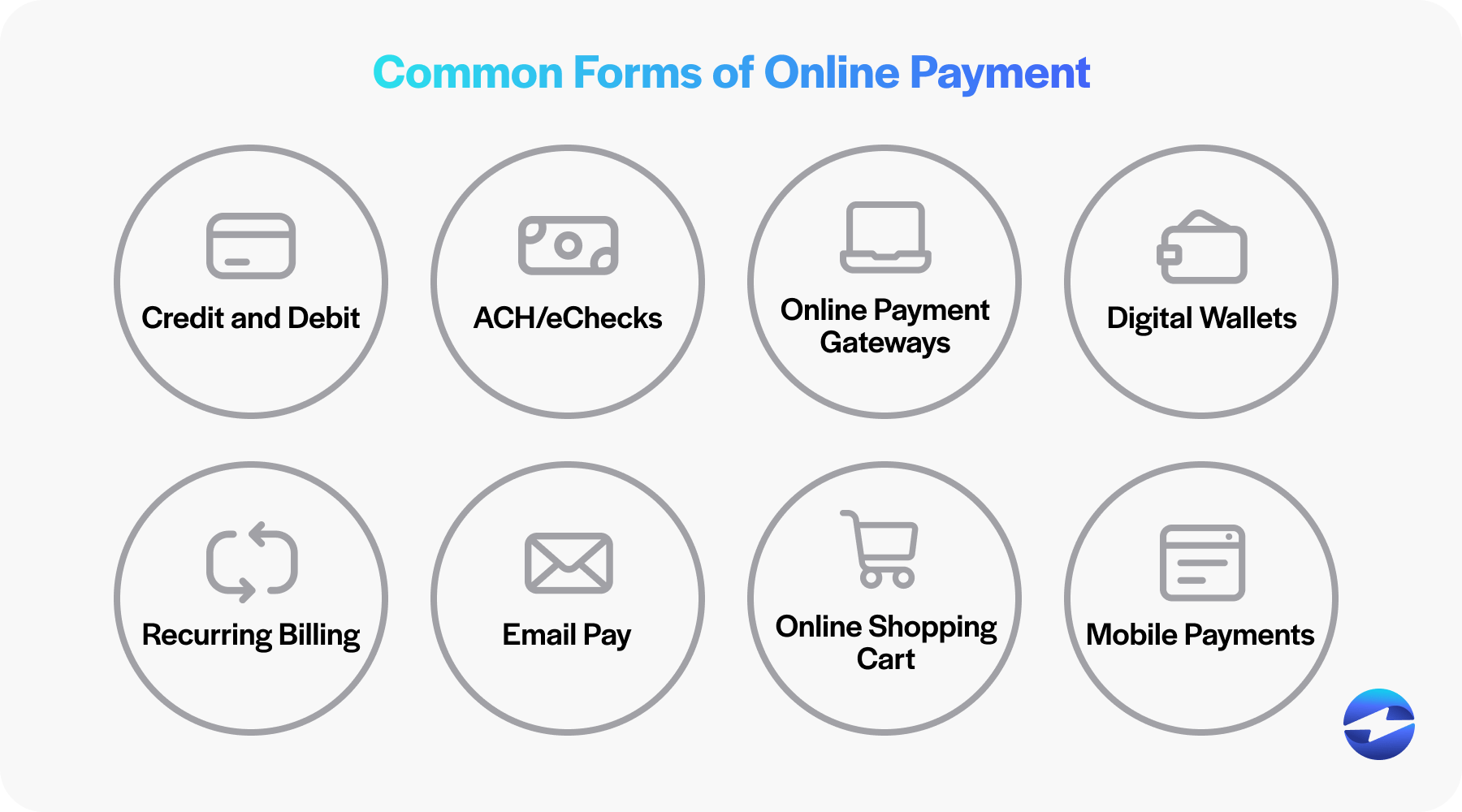
Payment gateways are the digital equivalent of a physical point-of-sale terminal, acting as a secure conduit between your website, the customer’s bank, and your merchant account. They encrypt sensitive financial information and ensure that transactions are processed safely. Payment processors, often bundled with gateways, handle the actual movement of funds.
- Stripe: Renowned for its developer-friendly APIs and comprehensive feature set, Stripe is ideal for businesses requiring deep customization and scalability. It supports a vast array of payment methods and currencies, making it excellent for global businesses. Its fee structure is generally transaction-based, making costs transparent.
- PayPal: A household name, PayPal offers both a widely recognized payment gateway (PayPal Checkout) and a standalone payment service. Its ease of use and strong brand recognition can instill immediate trust in customers. It’s particularly useful for small businesses and those with international clientele due to its widespread adoption and multi-currency support.
- Square: Initially popular for in-person payments, Square has expanded its ecosystem to include online payment processing, e-commerce stores, and invoicing solutions. It’s an excellent all-in-one solution for businesses that operate both online and offline, simplifying financial reconciliation across channels.
E-commerce Platforms with Integrated Payment Solutions
For businesses focused on selling products online, many e-commerce platforms offer seamless integration with payment processing, or even proprietary payment gateways, simplifying setup and management.
- Shopify Payments: Built directly into the Shopify platform, Shopify Payments eliminates transaction fees (beyond credit card processing fees) for merchants using their service. This integration streamlines inventory management, sales tracking, and financial reporting, offering a unified financial dashboard for online store owners.
- WooCommerce: As a free, open-source plugin for WordPress, WooCommerce provides immense flexibility for businesses with an existing WordPress presence. It allows integration with numerous payment gateways, giving businesses the financial freedom to choose the most cost-effective solution for their specific needs, though this requires more technical setup.
- BigCommerce: Similar to Shopify, BigCommerce offers a robust e-commerce platform with integrated payment options, often boasting lower transaction fees with preferred partners. It caters to businesses looking for scalability and powerful analytical tools to track financial performance.
Online Invoicing and ACH Payments: For Service-Based Businesses and B2B
While retail often relies on immediate payment, service-based businesses and B2B transactions frequently use invoicing.
- FreshBooks / Wave / QuickBooks Online: These accounting software solutions integrate invoicing with online payment capabilities, allowing clients to pay directly from an invoice via credit card or ACH (Automated Clearing House) bank transfer. This streamlines accounts receivable, improving cash flow and reducing outstanding debts. ACH payments typically have much lower transaction fees than credit cards, making them financially attractive for larger B2B transactions.
- Direct Bank Transfers (ACH/SEPA): For high-value transactions or recurring payments, direct bank transfers are often preferred due to lower processing costs. While less immediate than credit card payments, they offer a reliable and cost-effective method for managing business finances, especially in subscription models or B2B contexts.
Critical Financial Considerations for Choosing a Payment Solution
Selecting the right online payment solution is a strategic financial decision that impacts profitability, operational costs, and risk management. A thorough evaluation of potential providers requires careful consideration of various financial and operational factors.
Understanding the Cost Structure: Fees and Financial Overheads
The most immediate financial consideration is the cost. Payment providers charge a variety of fees, which can significantly impact your net revenue.
- Transaction Fees: These are typically a percentage of each sale plus a fixed amount (e.g., 2.9% + $0.30). They are the primary cost and vary by provider and card type.
- Monthly Fees: Some providers charge a recurring monthly fee, regardless of transaction volume.
- Setup Fees: Less common now, but some legacy systems or specialized merchant accounts may have upfront setup costs.
- Chargeback Fees: If a customer disputes a transaction, you may incur a chargeback fee in addition to losing the revenue from the sale. Implementing robust fraud prevention measures is crucial to mitigate this financial risk.
- Payout Schedule Fees: While rare, some providers might charge for faster payout schedules. Understand how quickly funds are settled into your bank account, as this impacts your working capital.
Analyze your typical transaction volume and average order value to project total payment processing costs. A seemingly small percentage difference can add up to substantial amounts over time, affecting your profit margins.
Security, Fraud Prevention, and Financial Risk Management
Protecting sensitive financial data is not just a regulatory requirement (PCI DSS compliance) but a critical aspect of maintaining customer trust and avoiding financial losses due to fraud.
- PCI DSS Compliance: Ensure your chosen payment provider is fully compliant with the Payment Card Industry Data Security Standard. This offloads much of the burden of securing cardholder data from your business, minimizing your financial liability in case of a breach.
- Fraud Detection Tools: Look for built-in fraud prevention mechanisms such as address verification system (AVS), card verification value (CVV), and machine learning-based fraud analysis. These tools protect your business from fraudulent transactions, saving you from financial losses and chargeback fees.
- Data Encryption: Confirm that all transaction data is encrypted during transmission and storage, safeguarding both your business and your customers’ financial information.
Integration Capabilities and Financial Reporting
The ability to seamlessly integrate your payment solution with existing financial systems (e.g., accounting software, CRM) is vital for efficient financial management.
- API and SDK Availability: For custom solutions, robust APIs and SDKs are essential for developers to integrate payment functionality directly into your platform.
- Accounting Software Integration: Direct integration with QuickBooks, Xero, or other accounting software simplifies reconciliation, automates data entry, and provides a clearer real-time picture of your financial health. This reduces manual errors and saves considerable time during financial closing periods.
- Detailed Financial Reporting: Look for providers that offer comprehensive dashboards and customizable reports on sales trends, transaction history, fees, and chargebacks. These insights are invaluable for financial forecasting, budgeting, and identifying areas for revenue optimization.
Implementing and Optimizing Your Online Payment Strategy
Once you’ve selected your payment solution, the next step involves strategic implementation and ongoing optimization to ensure it continually supports your business’s financial objectives.
Streamlined Setup and Integration
The setup process typically involves creating an account with your chosen provider, verifying your business information (for KYC – Know Your Customer regulations, crucial for financial compliance), and integrating the payment gateway with your website or e-commerce platform. For most modern solutions, this is a relatively straightforward process, often involving plugin installation or copying a few lines of code. Test your payment process thoroughly with small, dummy transactions before going live to ensure funds are processed correctly and appear in your accounts.
Monitoring, Reconciliation, and Financial Health
Regularly monitor your transactions, payout schedules, and fees. Reconciling your payment processor statements with your bank statements and accounting records is crucial for maintaining accurate financial records, identifying discrepancies, and understanding your true profitability. Many payment providers offer detailed dashboards that track incoming funds, transaction costs, and payout summaries, making this process more manageable. Promptly investigate any unexplained charges or delays in payouts.
Enhancing Customer Experience for Financial Gains
A smooth and intuitive checkout experience directly translates into higher conversion rates and improved customer retention, impacting your bottom line.
- Mobile Responsiveness: Ensure your payment forms are optimized for mobile devices, as a significant portion of online transactions occur on smartphones.
- Multiple Payment Options: Offer a variety of payment methods (credit cards, digital wallets like Apple Pay/Google Pay, local payment options) to cater to diverse customer preferences and reduce abandonment rates.
- Transparent Pricing: Clearly display all costs, including shipping and taxes, before the customer finalizes their purchase to avoid last-minute surprises that lead to abandoned carts.
- Guest Checkout: Allow customers to complete purchases without creating an account, reducing friction and speeding up the checkout process.
Ensuring Financial Security and Regulatory Compliance
In the realm of online payments, security and compliance are paramount not just for customer trust but for mitigating significant financial and legal risks to your business.
PCI DSS Compliance and Data Protection
The Payment Card Industry Data Security Standard (PCI DSS) is a set of security standards designed to ensure that all companies that accept, process, store, or transmit credit card information maintain a secure environment. Non-compliance can lead to hefty fines, data breaches, and a tarnished reputation. By choosing a PCI DSS compliant payment gateway, you significantly reduce your burden, as they handle the secure storage and processing of card data. Your role then typically involves ensuring your website environment (if you handle any card data directly) also adheres to best practices.
Mitigating Fraud and Chargeback Risks
Fraudulent transactions and subsequent chargebacks are a significant financial drain for businesses. Implementing a multi-layered fraud prevention strategy is key:
- Address Verification Service (AVS) and CVV Checks: These tools help verify that the person making the purchase is the legitimate cardholder.
- Transaction Monitoring: Utilize the fraud detection tools offered by your payment processor to flag suspicious activity based on value, location, or frequency.
- Customer Authentication: For high-value transactions, consider implementing additional authentication steps (e.g., 3D Secure for credit cards) where appropriate, although balance this with customer experience.
- Clear Return and Refund Policies: Having well-defined policies can help prevent some chargebacks and allow for smoother resolution of customer issues.

Global Compliance and Tax Implications
If you operate internationally, understand the various financial regulations, data privacy laws (like GDPR for customers in Europe), and tax requirements specific to each region. Payment providers often assist with aspects of currency conversion and international settlement, but the ultimate responsibility for tax compliance (e.g., sales tax, VAT, GST) rests with your business. Consulting with a financial advisor specializing in international commerce can help navigate these complexities and ensure your financial operations remain compliant.
Accepting online payments is a critical component of modern financial strategy. By carefully selecting the right tools, understanding the associated costs and risks, and continuously optimizing your payment processes, businesses can unlock new revenue streams, enhance operational efficiency, and build lasting customer trust, all contributing to a stronger and more resilient financial future.
aViewFromTheCave is a participant in the Amazon Services LLC Associates Program, an affiliate advertising program designed to provide a means for sites to earn advertising fees by advertising and linking to Amazon.com. Amazon, the Amazon logo, AmazonSupply, and the AmazonSupply logo are trademarks of Amazon.com, Inc. or its affiliates. As an Amazon Associate we earn affiliate commissions from qualifying purchases.