
NVIDIA (NVDA) has been a darling of the stock market for years, synonymous with innovation in graphics processing, artificial intelligence, and high-performance computing. Its meteoric rise made it a bellwether for technological advancement and a significant component of many investment portfolios. However, even the most robust growth stories encounter periods of correction and introspection. When a titan like NVIDIA experiences a significant “going down” trend, it naturally prompts a critical examination from investors, analysts, and market observers alike. This downturn is rarely attributable to a single factor but rather a confluence of macroeconomic shifts, industry-specific challenges, valuation concerns, and evolving investor sentiment. Understanding these underlying dynamics is crucial for anyone with an interest in the financial markets, particularly those holding or considering an investment in NVDA.
This analysis will delve into the multifaceted reasons behind NVIDIA’s stock volatility, grounding our discussion firmly within the realm of financial investing and market analysis. We will explore the broader economic environment, specific industry headwinds, and the critical lens of valuation that shapes how the market perceives the company’s future prospects. For investors navigating these turbulent waters, a comprehensive understanding of these factors is not merely academic; it is essential for informed decision-making and strategic portfolio management. The journey of a stock, particularly one as influential as NVIDIA, is a complex interplay of current performance, future expectations, and the ever-present specter of market sentiment.
Market Dynamics and Macroeconomic Headwinds
The performance of individual stocks, even those of industry leaders, is inextricably linked to the broader economic environment. NVIDIA’s recent challenges cannot be viewed in isolation from the significant macroeconomic shifts that have reshaped global financial markets. These overarching trends create a challenging backdrop against which even the most fundamentally strong companies must contend, often impacting their valuation and investor appeal.
Interest Rate Hikes and Inflationary Pressures
One of the most potent forces influencing equity markets in recent times has been the aggressive stance of central banks worldwide, particularly the U.S. Federal Reserve, in combating persistent inflation. Rapid interest rate hikes, designed to cool economic activity, have a cascading effect on stock valuations. Higher interest rates increase the cost of capital for businesses, making future earnings streams less valuable when discounted back to the present. For growth stocks like NVIDIA, whose valuations often rely heavily on projected future profitability, this impact can be particularly pronounced. Investors become more discerning, demanding higher returns for the increased risk associated with long-duration assets, leading to a de-rating of stocks with high price-to-earnings (P/E) ratios. Moreover, inflation itself erodes purchasing power, potentially impacting consumer demand for NVIDIA’s gaming products and increasing operational costs for the company.
Geopolitical Tensions and Supply Chain Disruptions
Global geopolitical tensions, ranging from conflicts in Eastern Europe to heightened trade frictions, introduce an additional layer of complexity and risk. These tensions can disrupt global supply chains, impacting the availability and cost of critical components required for NVIDIA’s sophisticated chips. NVIDIA, like many semiconductor companies, relies on a complex, international network for manufacturing and distribution. Any disruption, whether from export restrictions, port closures, or increased logistics costs, can impede production, delay product launches, and ultimately affect revenue and profitability. The uncertainty generated by geopolitical instability also tends to make investors more risk-averse, prompting a shift from growth-oriented investments to safer assets, or simply leading to a broader market sell-off that drags down even strong performers.
Broader Market Corrections and Risk Aversion
Periods of sustained market growth often precede corrections, where investors re-evaluate asset prices and rebalance their portfolios. The tech sector, which enjoyed an unprecedented boom during the pandemic, has been particularly susceptible to this re-evaluation. As economic conditions normalize and the easy money policies of the past recede, a broader market trend of risk aversion sets in. This means that funds flow out of speculative or high-valuation assets and into more stable, value-oriented stocks or fixed-income investments. NVIDIA, given its prominent position in the tech growth narrative, is often among the first to see significant selling pressure during such corrections, irrespective of its underlying business health. This systematic “risk-off” environment means that even strong earnings or positive corporate news may struggle to counteract the prevailing negative sentiment across the wider market.
Specific NVIDIA-Related Catalysts and Concerns
While macroeconomic factors set the stage, specific business-segment challenges and company-level issues also play a significant role in shaping investor perception and, consequently, stock performance. For NVIDIA, recent periods have seen distinct pressures emerge within its core markets.
Demand Softness in Key Segments (Gaming, Crypto)
NVIDIA’s gaming division has historically been its bread and butter, driven by cycles of new graphics card releases and a strong gaming ecosystem. However, a post-pandemic normalization saw a significant decline in demand for gaming GPUs. The initial surge in demand during lockdowns, fueled by remote work and entertainment needs, began to subside as consumers shifted spending patterns. This was exacerbated by a collapse in the cryptocurrency mining boom. NVIDIA’s GPUs were highly sought after by crypto miners, leading to inflated prices and supply shortages. As major cryptocurrencies transitioned to less energy-intensive mining methods or experienced significant price corrections, demand from miners evaporated almost overnight. This left NVIDIA with excess inventory and significantly reduced sales in a previously lucrative segment, directly impacting its financial outlook and investor confidence.
Inventory Adjustments and Pricing Pressures
The sudden drop in demand, particularly from the gaming and crypto mining sectors, led to an accumulation of inventory within NVIDIA’s channels. To clear this excess stock and make way for new product generations, the company had to implement price adjustments and promotional activities. These actions, while necessary for inventory management, directly impact profit margins and revenue recognition. Investors often react negatively to signs of oversupply and price erosion, as it signals a weakening market position and potential for reduced profitability in the near term. The process of rebalancing inventory can be a prolonged one, creating a drag on financial performance until supply and demand equilibrium is re-established at healthier price points.
Regulatory Scrutiny and Export Restrictions (e.g., China)
NVIDIA operates in a highly strategic sector, making it subject to increasing geopolitical and regulatory scrutiny. Export restrictions, particularly those imposed by governments aiming to control the flow of advanced technology to certain regions (e.g., restrictions on selling high-end AI chips to China), represent a significant headwind. China is a crucial market for NVIDIA, both as a manufacturing base and a consumer of its products. Limitations on selling advanced data center GPUs or AI accelerators to Chinese customers directly curb a significant growth avenue for the company. Such restrictions not only reduce potential revenue but also introduce uncertainty regarding future market access and the ability to compete globally without political interference. These regulatory challenges can significantly impact long-term growth projections and are a material concern for investors assessing NVIDIA’s financial future.
Valuation Concerns and Investor Sentiment
Even a fundamentally strong company can see its stock decline if its valuation is perceived as stretched or if investor sentiment turns negative. For NVIDIA, a history of phenomenal growth has often led to premium valuations, making it more susceptible to recalibrations during market shifts.
Post-Pandemic Growth Normalization
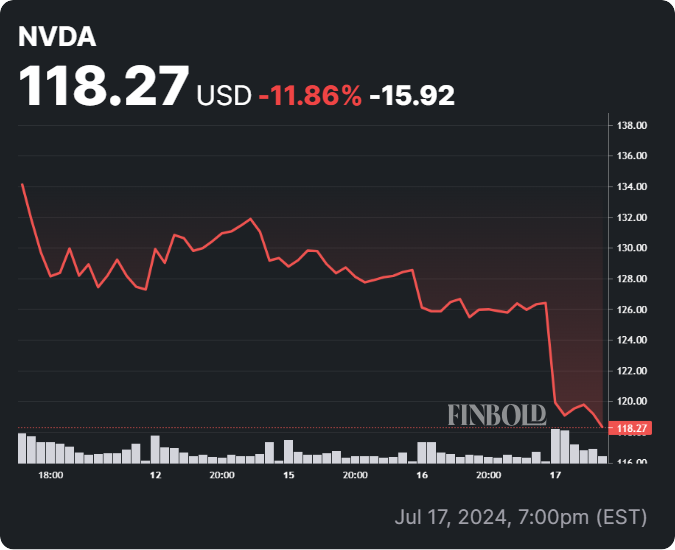
The COVID-19 pandemic accelerated demand for semiconductors across various sectors, from personal computing to data centers. NVIDIA benefited immensely from this surge, reporting record revenues and earnings. However, the market always looks forward, and investors began to anticipate a normalization of this growth. As the economy reopened and supply chains stabilized (albeit with new challenges), the expectation was that the hyper-growth rates seen during the pandemic would moderate. When this normalization begins to manifest in financial reports, even if the absolute numbers are still strong, a deceleration in growth can be interpreted negatively by investors who had priced in continued exponential expansion. This shift in growth trajectory often triggers a re-evaluation of the stock’s intrinsic value.
High P/E Ratios and Growth Expectations
For much of its recent history, NVIDIA has traded at a premium valuation, characterized by high price-to-earnings (P/E) ratios and other multiples. Such valuations are justified by strong growth prospects and market leadership. However, they also imply very high expectations for future performance. When these expectations are not consistently met—whether due to macroeconomic headwinds, industry-specific demand shifts, or regulatory pressures—investors become less willing to pay such a premium. A perceived slowdown in growth, even a slight one, can lead to a significant multiple contraction. This means that even if earnings remain stable or grow modestly, the stock price can fall because the market is no longer willing to assign the same high P/E multiple. The psychological aspect of investor sentiment plays a huge role here; once confidence in perpetual high growth falters, the market quickly reprices the asset.
Analyst Downgrades and Revised Price Targets
Financial analysts play a critical role in shaping investor sentiment through their research reports, recommendations, and price targets. When a series of macroeconomic or company-specific concerns emerge, analysts often revise their financial models, leading to downgrades in stock ratings or reductions in price targets. These adjustments can act as a catalyst for further selling pressure, as institutional investors and retail traders often react to such professional assessments. While analyst reports are not infallible, a consensus of negative revisions can create a self-fulfilling prophecy, pushing the stock lower as investors adjust their positions based on the new guidance. It signals to the market that the forward-looking expectations, which previously justified a high valuation, are now being tempered.
Assessing NVIDIA’s Long-Term Financial Health and Prospects
Despite the short-term headwinds and valuation adjustments, it is critical for investors to differentiate between temporary market noise and fundamental shifts in a company’s long-term financial health and strategic positioning. NVIDIA remains a formidable player in critical, growing markets.
Diversification into Data Center and AI
One of NVIDIA’s most significant strengths and future growth drivers is its successful diversification beyond traditional gaming into the data center and artificial intelligence (AI) markets. Its GPUs have become the de facto standard for AI training and inference, powering everything from cloud computing to autonomous vehicles. This segment has shown robust growth, often offsetting weakness in other areas. The long-term trend towards AI adoption across virtually every industry ensures a continuous and expanding market for NVIDIA’s specialized hardware and software platforms. Investors looking past short-term volatility often focus on the sustained growth potential of this division, which positions NVIDIA at the heart of the next technological revolution.
Competitive Landscape and Innovation Edge
NVIDIA operates in a highly competitive landscape, facing challenges from established players like AMD and Intel, as well as emerging startups. However, the company has consistently maintained an innovation edge, investing heavily in research and development. Its CUDA platform and ecosystem of software tools have created a significant moat, making it difficult for competitors to replicate its full offering. The company’s continuous advancements in chip architecture, software optimization, and strategic partnerships reinforce its leadership position in high-growth areas like AI, professional visualization, and specialized computing. For long-term investors, this sustained commitment to innovation and market leadership is a crucial indicator of future profitability and market share capture.
Reinvestment Strategies and Shareholder Returns
NVIDIA’s financial strategy involves a balance of reinvesting heavily in R&D to maintain its technological lead and returning capital to shareholders. During periods of downturn, evaluating a company’s cash flow generation, balance sheet strength, and capital allocation decisions becomes even more critical. NVIDIA has historically maintained a strong balance sheet and healthy cash reserves, providing it with resilience during market fluctuations and the ability to continue strategic investments. While share buybacks or dividends might be adjusted based on market conditions, the core ability to generate substantial free cash flow from its diverse business segments underscores its long-term financial viability and potential for eventual share price recovery.
Strategies for Investors During NVDA’s Volatility
The “going down” phase of a prominent stock like NVIDIA presents both challenges and opportunities for investors. Navigating such volatility requires a clear strategy grounded in financial principles and a disciplined approach.
Long-Term vs. Short-Term Investment Horizons
For investors primarily focused on short-term gains, periods of high volatility can be particularly challenging, often leading to panic selling. However, for those with a long-term investment horizon (several years or more), a stock downturn can represent an opportunity. A long-term perspective allows investors to look beyond immediate market fluctuations and focus on the company’s fundamental strengths, future growth prospects, and intrinsic value. If the underlying business remains strong and its competitive advantages intact, short-term price drops can be viewed as chances to acquire shares at a more favorable valuation, rather than signals for immediate divestment. Understanding one’s own investment goals and time horizon is paramount.
Dollar-Cost Averaging and Risk Management
One effective strategy for mitigating risk during volatile periods is dollar-cost averaging. This involves investing a fixed amount of money at regular intervals, regardless of the stock price. When the price is high, fewer shares are bought; when the price is low, more shares are bought. Over time, this strategy helps average out the purchase price, reducing the impact of short-term price swings and potentially leading to a lower average cost per share than if one had attempted to “time the market.” Additionally, effective risk management involves portfolio diversification. Relying too heavily on a single stock, even a strong one like NVIDIA, increases concentrated risk. Spreading investments across different sectors and asset classes can cushion the blow of any single stock’s downturn.
Fundamental Analysis Beyond Stock Price Fluctuations
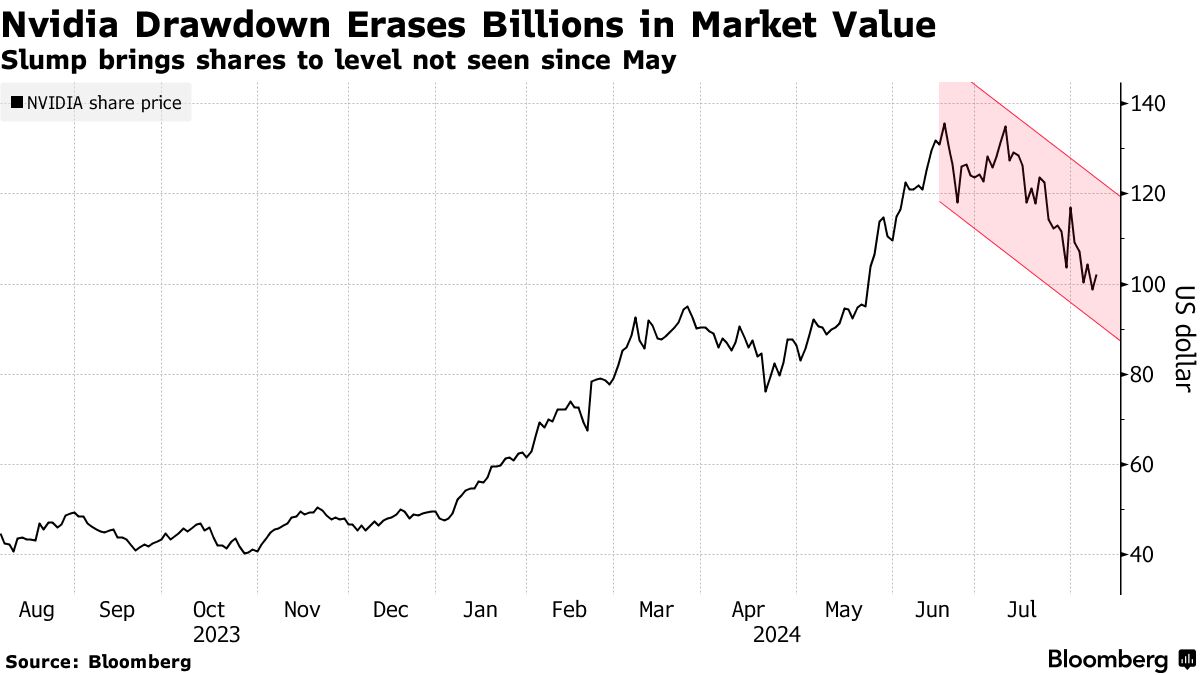
Finally, investors should consistently return to fundamental analysis. This involves scrutinizing NVIDIA’s financial statements, earnings reports, management commentary, and industry trends, rather than solely reacting to daily stock price movements. Key metrics to monitor include revenue growth across segments (especially data center/AI), gross margins, operating expenses, free cash flow, and return on invested capital. Understanding the competitive landscape, the pace of technological innovation, and the strategic direction of the company provides a more robust basis for investment decisions than sentiment-driven trading. While market sentiment undeniably influences price in the short term, a company’s long-term value is ultimately derived from its ability to generate sustainable profits and innovation. A downturn in NVDA’s stock price, therefore, calls for a renewed focus on these enduring financial principles.
In conclusion, NVIDIA’s stock “going down” is a complex phenomenon influenced by a blend of macro-economic pressures, specific industry challenges, and the continuous recalibration of investor expectations and valuation multiples. For investors, it underscores the importance of a nuanced approach, combining an understanding of broader market forces with diligent, long-term fundamental analysis.
aViewFromTheCave is a participant in the Amazon Services LLC Associates Program, an affiliate advertising program designed to provide a means for sites to earn advertising fees by advertising and linking to Amazon.com. Amazon, the Amazon logo, AmazonSupply, and the AmazonSupply logo are trademarks of Amazon.com, Inc. or its affiliates. As an Amazon Associate we earn affiliate commissions from qualifying purchases.