
Embarking on a Disney cruise is often considered a dream vacation for families and Disney enthusiasts alike. The allure of world-class entertainment, beloved characters, exceptional service, and unique itineraries creates an experience unlike any other. However, a common question often precedes the excitement: “How much does a Disney cruise truly cost?” The answer, as with many premium travel experiences, is multifaceted. It’s not merely a single price tag, but a dynamic figure influenced by numerous factors, from the ship and itinerary to the time of year and personal spending habits onboard. Understanding these financial layers is crucial for effective budgeting and ensuring your magical journey doesn’t come with unexpected sticker shock.
This comprehensive guide aims to demystify the pricing structure of Disney cruises, offering insights into what you can expect to pay, where your money goes, and how to strategically plan your finances to make this dream vacation a reality. We will explore the various components that contribute to the overall expenditure, providing actionable advice for managing costs and maximizing the value of your investment in a truly unforgettable experience.
Deconstructing the Base Fare: What Your Initial Payment Covers
The advertised price for a Disney cruise—the base fare—is your starting point. This figure represents a significant portion of your total expenditure but does not encompass every potential cost. Understanding what is included in this initial payment, and equally important, what is not, is fundamental to accurate financial planning.
Factors Influencing Cruise Pricing
Several key variables dictate the initial price point of a Disney cruise. Being aware of these can help you make informed decisions that align with your budget:
- Itinerary and Duration: Longer cruises and those visiting more exotic or popular destinations (e.g., Alaska, European itineraries, specific Caribbean routes) generally command higher prices. Short, 3- or 4-night Bahamian cruises are typically the most accessible entry points.
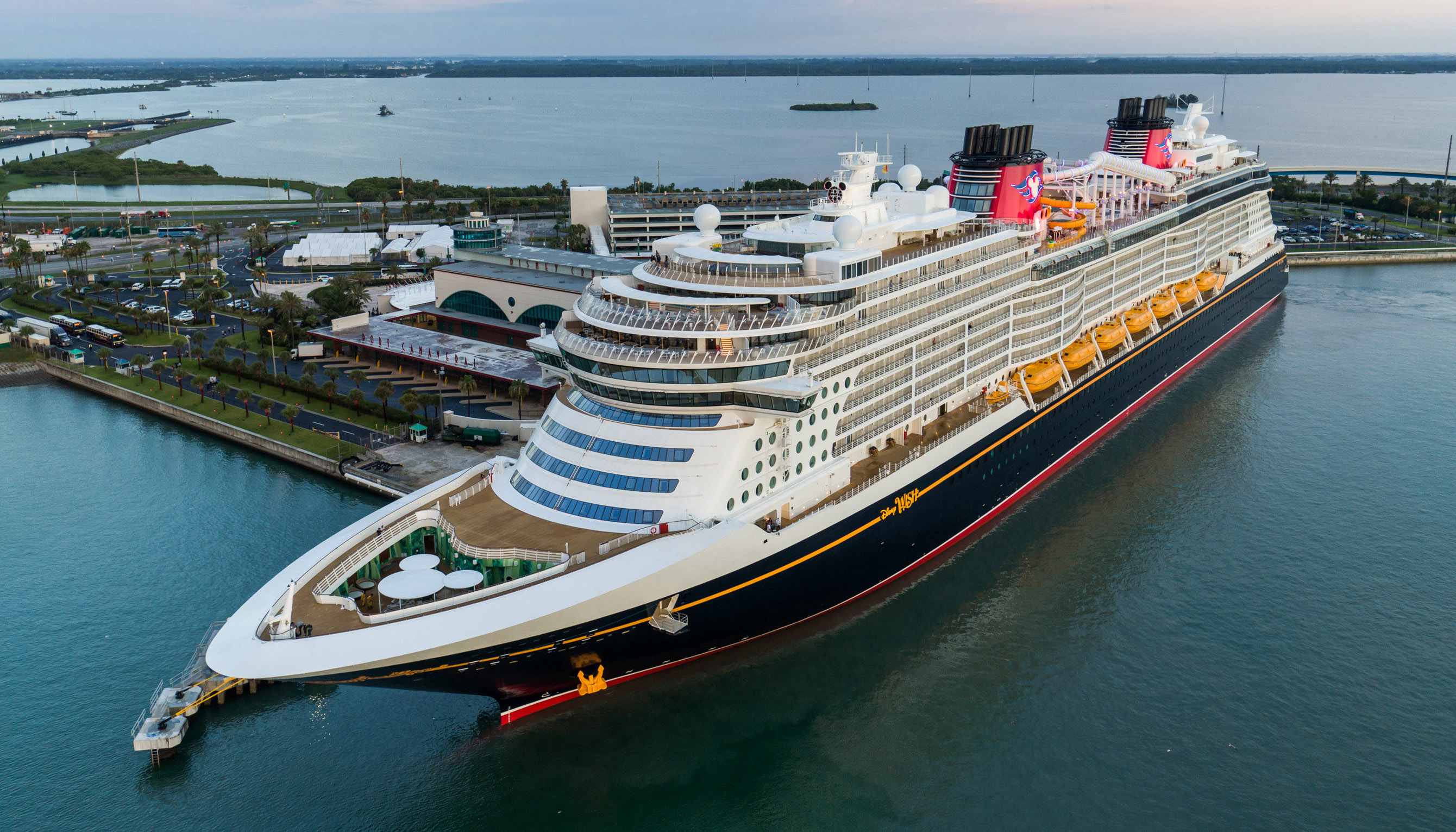
- Ship Choice: Disney Cruise Line operates a fleet of distinctive ships, each offering unique features and amenities. Newer, larger ships like the Disney Wish or Disney Treasure often have higher base fares compared to their older counterparts, reflecting their state-of-the-art facilities and recent construction costs.
- Stateroom Category: This is perhaps the most significant determinant of the base fare. Options range from economical Inside Staterooms (no window) to Oceanview (porthole or window), Verandah (private balcony), and luxurious Concierge-level suites. The larger and more amenity-rich the stateroom, the higher the price. Families often weigh the benefit of extra space or a balcony against the increased cost.
- Sailing Season and Demand: Disney cruises, like most travel, are subject to seasonal demand fluctuations. Peak seasons, such as school holidays (summer, spring break, Christmas), command premium pricing due to increased demand. Conversely, sailing during off-peak or “shoulder” seasons (e.g., late January, September, early December) can lead to substantial savings.
- Booking Timing: Historically, booking early (12-18 months out) when itineraries are first released often secures the best rates and stateroom availability. Prices tend to increase as the sailing date approaches and demand solidifies. Last-minute deals are rare for Disney Cruise Line and should not be relied upon.
What’s Typically Included in the Base Fare
The value proposition of a Disney cruise’s base fare is considerable, encompassing many essential elements of your vacation:
- Accommodation: Your chosen stateroom, providing a comfortable and well-appointed space for your family.
- Most Meals and Snacks: A wide array of dining options across various rotational dining restaurants (Animator’s Palate, Tiana’s Place, etc.), casual eateries (buffets, quick-service), and 24-hour room service. Specialty coffees, soft drinks, and some juices are usually complimentary at self-service stations.
- World-Class Entertainment: Broadway-caliber shows, first-run movies, deck parties (including the Pirate Night fireworks on most itineraries), character meet-and-greets, and live music.
- Kids’ Clubs and Activities: Critically acclaimed youth programming for children aged 3 months to 17 years, providing age-appropriate, supervised activities and spaces, a major draw for families.
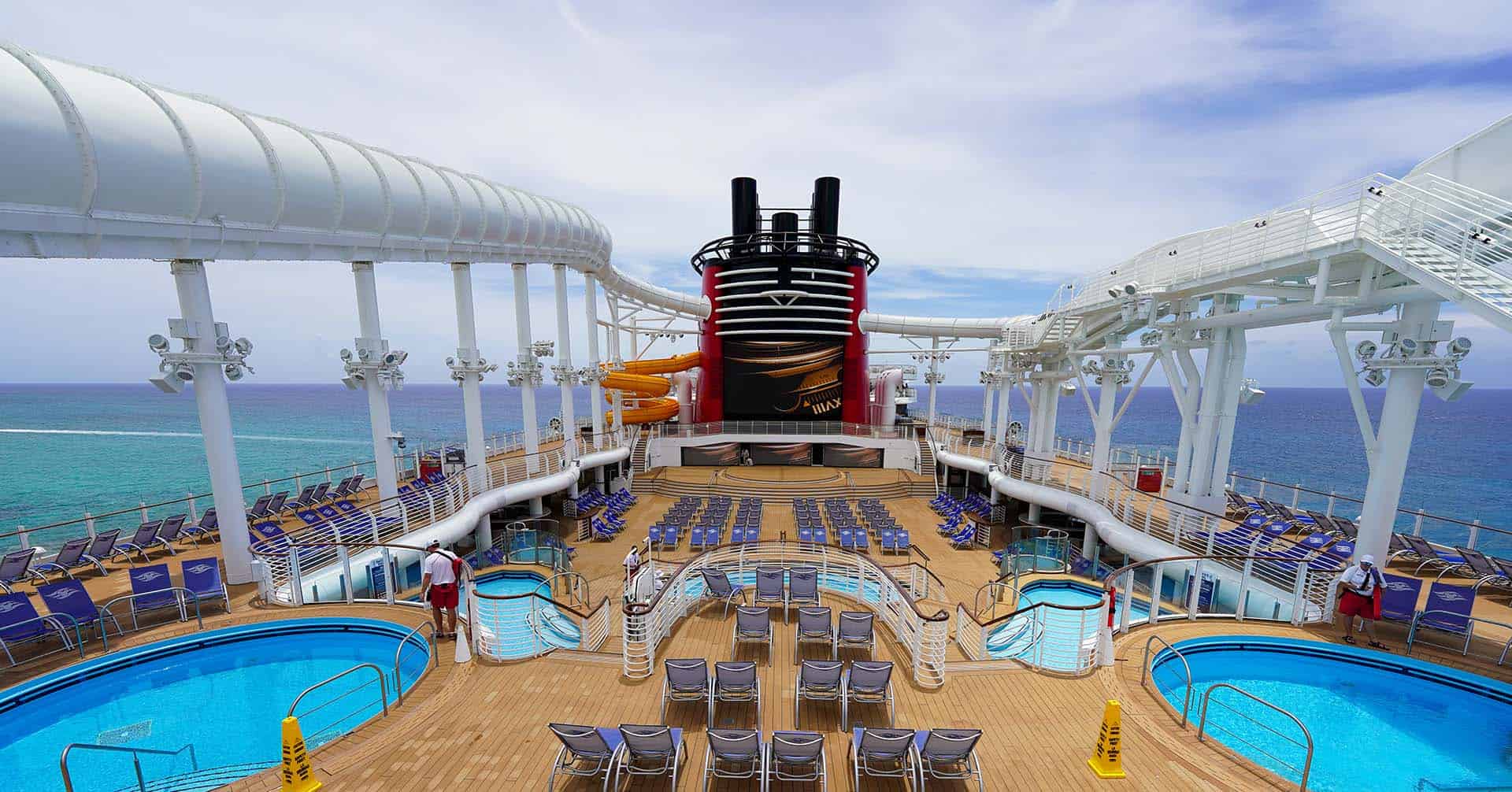
- Basic Amenities: Access to pools, hot tubs, fitness centers, and various recreational facilities on board.
Key Exclusions from the Base Fare
While the inclusions are extensive, several significant expenses are not covered by the initial price, and budgeting for these is vital:
- Airfare and Ground Transportation: Getting to and from the port is an additional cost. Disney offers transfers for a fee, but independent arrangements via ride-shares or taxis can sometimes be more cost-effective.
- Mandatory Gratuities: Daily service charges for your stateroom host, dining room servers, and assistant server are added to your onboard account or can be pre-paid. These are customary and expected.
- Port Adventures (Shore Excursions): Activities and tours at your ports of call are extra. These can range from moderate costs for simple beach days to significant expenditures for elaborate tours or unique experiences.
- Alcoholic Beverages and Specialty Drinks: Soft drinks at meals are included, but alcoholic beverages, specialty coffees, and certain smoothies or mocktails incur additional charges.
- Adult-Exclusive Dining: While the main dining rooms are excellent, optional adult-only specialty restaurants (e.g., Palo, Remy, Enchante) offer an elevated culinary experience at an additional per-person cost.
- Spa and Salon Services: Treatments at the Senses Spa & Salon are not included.
- Souvenirs and Merchandise: Any purchases from onboard shops.
- Photography Services: Professional photos taken by Disney photographers are available for purchase.
- Internet Access: Wi-Fi packages are available for a fee.
Beyond the Advertised Price: Understanding Additional Costs
To truly understand the “how much” of a Disney cruise, one must look beyond the base fare and consider the array of additional expenses that inevitably arise. These can significantly impact your total vacation budget.
Gratuities: A Non-Negotiable Expense
Gratuities are a fundamental part of the cruise experience, compensating the hardworking crew who provide exceptional service. Disney Cruise Line has a standard daily per-person charge (around $14.50-$15.50 per person per day, subject to change) that can either be automatically added to your onboard account or pre-paid. For a family of four on a 7-night cruise, this alone can add over $400 to your bill. While discretionary, it’s customary to budget for these as a mandatory expense. Additional cash gratuities for exceptional service (e.g., concierge hosts, bar staff) are also common for those who wish to acknowledge outstanding effort.
Port Adventures and Onboard Activities
Exploring each port of call is a highlight of any cruise. Disney offers a wide selection of “Port Adventures,” which are organized excursions. These can range from $50 per person for a simple beach day to several hundred dollars per person for unique experiences like private tours, culinary classes, or extreme sports. A family of four engaging in just one mid-range excursion per port can quickly add hundreds, if not thousands, to their budget. Consider a mix of Disney-organized excursions and self-planned activities (e.g., walking around a port city) to manage these costs.
Beyond excursions, certain onboard activities also incur fees. While the vast majority of entertainment is free, some special events, workshops (like Mixology classes), or character breakfasts at Remy/Palo (if offered) might carry a charge.
Onboard Spending: Drinks, Souvenirs, and Pampering
This category often catches first-time cruisers off guard. While many beverages are included, the allure of specialty coffees, alcoholic cocktails, fine wines, and even premium mocktails can add up. Disney offers various drink packages, but these are generally for non-alcoholic options only. A couple enjoying a few drinks daily can easily add $50-$100 per day to their tab.
Souvenirs, from exclusive Disney merchandise to port-specific mementos, are tempting. Budgeting for these, especially if traveling with children, is crucial. Additionally, spa treatments, salon services, and professional photography packages (which can be enticing given the magical backdrops and character interactions) are entirely optional but can significantly inflate your final bill.
Pre- and Post-Cruise Expenses
Don’t forget the costs associated with getting to and from the cruise. Airfare, airport transfers, pre-cruise hotel stays (often recommended to avoid missing the ship due to travel delays), and parking at the port all contribute to the overall vacation expense. These “hidden” costs can easily add $500 to $2000+ for a family, depending on their travel distance and preferences.
Strategies for Managing and Minimizing Disney Cruise Costs
While Disney cruises represent a premium vacation, there are intelligent financial strategies to make them more accessible and prevent overspending. Thoughtful planning can help you enjoy the magic without breaking the bank.
Timing Your Trip: The Art of Off-Peak Travel
The single most effective way to save on a Disney cruise is to travel during off-peak seasons. These typically include:
- Late January/February: After the holiday rush and before spring break.
- Late August/September: When schools restart, and before the holiday season.
- Early December: Before the Christmas/New Year’s peak.
During these periods, not only are base fares often lower, but demand for airfare and pre-cruise accommodations may also be reduced, offering further savings.
Stateroom Selection: Balancing Comfort and Cost
Your choice of stateroom significantly impacts the price. While a Verandah stateroom offers a private balcony, an Inside Stateroom can be several thousand dollars cheaper for a 7-night sailing. Consider how much time you genuinely plan to spend in your cabin versus enjoying the ship’s amenities. For budget-conscious travelers, an Inside or Oceanview stateroom can provide substantial savings without diminishing the overall Disney experience, especially if you plan to be out and about on the ship most of the time.
Booking Smart: Early Birds and Travel Agents
- Book Early: As mentioned, Disney prices almost always increase over time. Booking 12-18 months in advance generally secures the lowest rates and the widest selection of staterooms and itineraries.
- Utilize Travel Agents: Specialized Disney travel agents often have access to promotions, can provide personalized guidance, and handle all booking logistics at no extra cost to you (they are paid by Disney). Their expertise can save you time and potentially money by guiding you to the best deals.
- Consider Guarantee Staterooms: Sometimes, Disney offers “Guaranteed” staterooms (e.g., “Guaranteed Oceanview”) where you pay a slightly lower rate but don’t know your exact cabin number until closer to sailing. This can be a gamble but sometimes yields savings.
Budgeting Onboard: Controlling Discretionary Spending
This is where individual discipline plays a significant role in managing costs:
- Manage Drink Purchases: Bring your own limited allowance of wine/beer (check Disney’s policy for specifics) for consumption in your stateroom. Opt for included beverages (soda, juice, coffee, tea) at meals and self-service stations.
- Limit Souvenirs: Set a budget for gifts and souvenirs, especially for children. Consider one meaningful item rather than many small ones.
- DIY Excursions: Research ports of call in advance and consider independent exploration. Many ports are walkable or have affordable local transportation to popular attractions, offering a more authentic (and cheaper) experience than organized tours.
- Say No to Upsells: Be aware of optional extras like spa treatments, specialty dining, or character photos. Decide beforehand which, if any, are truly worth the investment for your family.
- Utilize Onboard Credits: If you receive onboard credit (sometimes offered as booking incentives or through certain travel agencies), use it strategically for gratuities or high-value optional expenses.
The Value Proposition: Is a Disney Cruise Worth the Investment?
After tallying all the potential costs, the question inevitably arises: “Is a Disney cruise worth the financial investment?” While undoubtedly a premium product, many argue that the unique “Disney Difference” justifies the price tag.
Comparing Value to Other Cruise Lines
When comparing Disney Cruise Line to other cruise lines, it’s important to differentiate between price and value. Disney often has higher upfront costs than mainstream competitors. However, its value proposition includes:
- Unparalleled Service: Disney’s reputation for exceptional guest service extends to its cruises, with highly attentive and friendly cast members.
- Superior Youth Programming: Disney’s kids’ clubs are renowned, offering extensive, immersive, and secure programming that genuinely allows parents to enjoy adult time, making it a strong value for families.
- Immersive Entertainment: From character interactions available throughout the day to Broadway-quality shows and unique deck parties, the entertainment is continuously top-tier.
- Family-Centric Design: Ships are designed with families in mind, offering spaces and activities catering to all ages, from toddlers to adults.
For families, the “all-inclusive” nature of the youth programming and character experiences often tips the scales, as similar experiences on land or with other cruise lines might require additional fees or more complex planning.
Financial Tools and Planning for Your Dream Cruise
Making a Disney cruise financially feasible often requires proactive planning and the use of various financial tools:
- Dedicated Savings Account: Open a separate savings account specifically for your cruise fund. Set up automatic transfers from your checking account to steadily build your savings without feeling the pinch.
- Budgeting Apps and Spreadsheets: Utilize tools like Mint, YNAB, or a simple Excel spreadsheet to track your income and expenses, identify areas where you can cut back, and monitor your cruise savings progress.
- Payment Plans: Disney Cruise Line allows guests to pay in installments after an initial deposit. This can spread the financial burden over several months, making it more manageable.
- Travel Insurance: Given the significant investment, travel insurance is highly recommended. It can protect you financially in case of unforeseen cancellations, medical emergencies, or travel delays, safeguarding your non-refundable payments.
In conclusion, the cost of a Disney cruise is a nuanced figure, extending far beyond the initial base fare. By understanding the contributing factors, strategically planning your trip, and diligently managing your expenses, you can transform the question of “how much” into a well-executed financial plan for a truly magical and memorable family vacation. While it requires a substantial investment, many find the unparalleled experience and unique value of a Disney cruise to be well worth every penny.
aViewFromTheCave is a participant in the Amazon Services LLC Associates Program, an affiliate advertising program designed to provide a means for sites to earn advertising fees by advertising and linking to Amazon.com. Amazon, the Amazon logo, AmazonSupply, and the AmazonSupply logo are trademarks of Amazon.com, Inc. or its affiliates. As an Amazon Associate we earn affiliate commissions from qualifying purchases.