
Managing student loan debt is a significant aspect of personal finance for millions, directly impacting financial stability, future planning, and overall well-being. Keeping a vigilant eye on your student loan balance isn’t just a good practice; it’s an essential discipline that empowers you to make informed decisions, avoid costly mistakes, and strategically navigate your path to financial freedom. This comprehensive guide will walk you through the precise steps to check your student loan balance, unraveling the complexities of both federal and private loans, and equipping you with the knowledge to maintain control over your financial obligations.
The Imperative of Knowing Your Student Loan Balance
Understanding the exact amount you owe is the foundational step in any effective debt management strategy. Without this clarity, you’re essentially navigating a financial labyrinth blindfolded, making it impossible to budget effectively, explore repayment options, or track your progress toward eliminating debt.
Why Regular Monitoring is Crucial
Regularly checking your student loan balance offers a multitude of benefits that extend far beyond simply knowing a number. It provides a real-time snapshot of your financial liabilities, allowing you to observe the impact of your payments, track interest accrual, and identify potential discrepancies. For federal loans, interest can sometimes capitalize (be added to the principal balance) under certain circumstances, such as at the end of a deferment or forbearance period. Being aware of these shifts is critical. For private loans, variable interest rates can cause your minimum payment or total balance to fluctuate. Staying informed means you’re never caught off guard by changes that could affect your budget or repayment timeline. Moreover, consistent monitoring helps prevent late payments by reminding you of due dates and amounts, protecting your credit score from unnecessary damage. It fosters a sense of financial responsibility and control, reducing anxiety associated with debt and motivating you to stick to your repayment plan.
The Ramifications of Ignorance
Conversely, neglecting to monitor your student loan balance can lead to severe financial consequences. Over time, a lack of oversight can result in missed payments, which trigger late fees and negatively impact your credit score, making it harder to secure future loans, housing, or even employment. Unchecked interest accumulation can transform a manageable debt into an overwhelming burden, particularly if payments are insufficient to cover the accruing interest. This phenomenon, known as negative amortization, means your balance actually grows even as you make payments. Without knowing your accurate balance, you cannot effectively plan for major life events like buying a home, saving for retirement, or starting a family, as student loan debt often plays a critical role in these financial decisions. Furthermore, being unaware of your loan details might prevent you from identifying and correcting errors made by loan servicers, or from taking advantage of beneficial repayment programs or loan forgiveness opportunities that could save you significant money in the long run.
Navigating Federal Student Loan Information
The process for checking federal student loan balances is typically more centralized and transparent than for private loans, thanks to government initiatives designed to provide borrowers with a unified view of their debt.
The National Student Loan Data System (NSLDS)
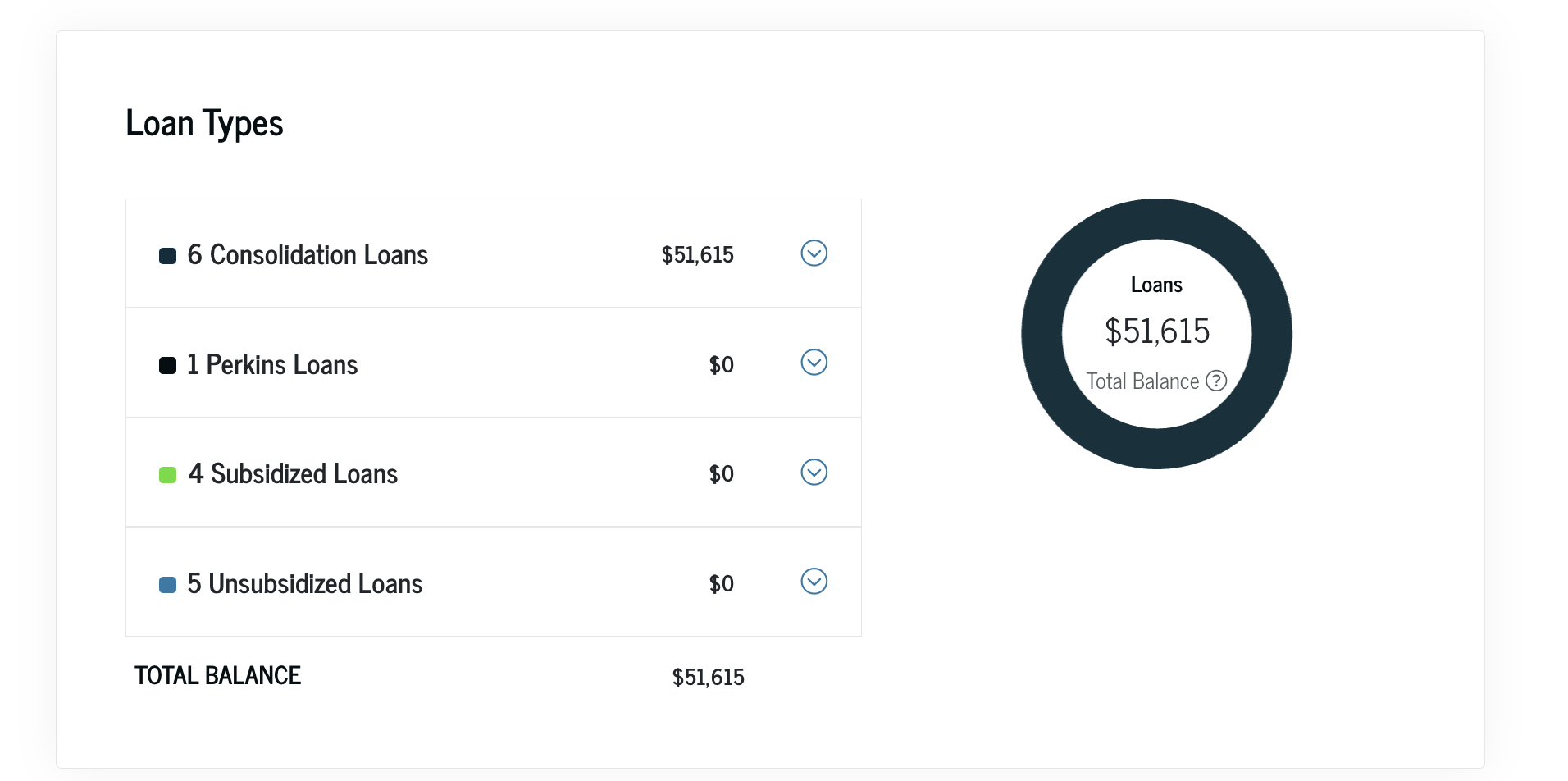
The primary portal for all federal student loan information is the National Student Loan Data System (NSLDS). Administered by the U.S. Department of Education, the NSLDS is a comprehensive database that stores data on all federal grants and loans. It provides a centralized, secure location where you can view your entire history of federal student aid, including the types of loans you have, the original principal amounts, your current outstanding balances, the interest rates, and the names of your loan servicers.
To access the NSLDS, you’ll typically log in using your Federal Student Aid (FSA) ID. This unique username and password serve as your legal signature for online federal student aid documents. If you don’t have an FSA ID, you can create one on the Federal Student Aid website. Once logged in, you can navigate to the “My Federal Student Aid” section to see a summary of your loans, including individual loan details and your aggregate balance. This system is invaluable for getting a holistic view of your federal debt without having to contact multiple servicers individually.
Understanding Your Federal Loan Servicer
While the NSLDS offers an overview, your federal student loans are actually managed by specific loan servicers. These are private companies contracted by the Department of Education to handle the billing, collect payments, and provide customer service for federal student loan borrowers. Common servicers include companies like Nelnet, Great Lakes (now part of Nelnet), MOHELA, and Aidvantage. The NSLDS will list the servicer(s) for each of your federal loans.
Once you identify your servicer(s), the next step is to log in to their respective online portals. Each servicer maintains its own website where you can create an account and access detailed information specific to the loans they manage for you. On your servicer’s website, you’ll find:
- Current balance: The exact amount you currently owe, broken down by principal and accrued interest.
- Payment history: A record of all payments you’ve made.
- Payment due dates: Upcoming payment schedules.
- Interest rates: The specific rates for each of your loans.
- Repayment plan details: Information about your current repayment plan and options for changing it.
- Communication history: Records of correspondence with your servicer.
Regularly checking both the NSLDS and your individual servicer accounts ensures you have the most up-to-date and comprehensive understanding of your federal student loan obligations.
Unearthing Your Private Student Loan Details
Unlike federal loans, private student loans are not part of the NSLDS system. They are issued by banks, credit unions, and other private lenders, and the process for checking their balances requires direct engagement with the specific institutions that lent you the money.
Direct Contact with Private Loan Servicers
The most straightforward way to check your private student loan balance is by contacting your loan servicer or lender directly. When you took out the loan, you should have received documentation identifying the lender and any associated servicer. If you’re unsure, look through your financial records, old statements, or emails from when you first obtained the loan.
Most private lenders and servicers provide online portals for borrowers. You’ll need to create an account if you haven’t already, using your loan account number and personal identification details. Once logged in, you can typically view:
- Your current principal balance.
- Accrued interest.
- Your payment history.
- Upcoming payment dates and amounts.
- Interest rate (especially crucial for variable-rate loans).

If you prefer, you can also contact your private loan servicer by phone. Their customer service representatives can provide you with your current balance and other loan details, though you will need to verify your identity. Keeping a record of your private loan servicers, account numbers, and login credentials is a crucial aspect of managing these debts.
Leveraging Your Credit Report
Another effective method for identifying and checking the balances of both federal and private student loans, especially if you’ve lost track of a particular loan, is to review your credit report. By law, you are entitled to a free credit report from each of the three major credit bureaus (Experian, Equifax, and TransUnion) once every 12 months through AnnualCreditReport.com.
When you pull your credit report, it will list all open credit accounts, including student loans, along with the lender’s name, the account number, the original loan amount, and the current balance. This can be an invaluable tool if you’ve forgotten who your lender or servicer is for a specific loan. Once you identify the lender from your credit report, you can then follow up by contacting them directly or visiting their website to access your account details. It’s also an excellent way to spot any inaccuracies or loans you don’t recognize, which could indicate identity theft or an error. Regularly reviewing your credit report is not only good for finding loan details but also for general financial health monitoring.
Deciphering Your Loan Statement and Information
Once you’ve accessed your loan information, whether through NSLDS, your federal servicer, or a private lender’s portal, it’s essential to understand what you’re looking at. Loan statements contain vital information beyond just the total amount due.
Key Components of Your Loan Balance
Your student loan balance isn’t a single, static figure; it’s a dynamic sum comprising several components:
- Principal Balance: This is the original amount of money you borrowed, minus any payments you’ve made that have been applied directly to the principal. This is the core amount on which interest is calculated.
- Accrued Interest: This is the interest that has accumulated on your loan since your last payment or the last time interest was capitalized. If your payments don’t cover the full amount of accrued interest, your principal balance can increase (negative amortization).
- Current Balance (or Outstanding Balance): This is the total amount you owe right now, which includes the principal balance plus any accrued interest that has not yet been paid or capitalized. This is the figure you should be primarily tracking.
- Minimum Payment Due: The smallest amount you must pay by the due date to keep your account in good standing. It’s important to remember that paying only the minimum might not significantly reduce your principal, especially in the early stages of repayment.
- Next Payment Due Date: The deadline by which your payment must be received to avoid late fees and negative credit reporting.
Understanding these components allows you to see how your payments are affecting your debt and helps you project your repayment timeline.
Important Dates and Figures to Track
Beyond the balance itself, several other pieces of information on your loan statement are critical for effective management:
- Interest Rate: Knowing the fixed or variable interest rate for each loan is fundamental. It directly impacts how much interest accrues over time and the total cost of your loan.
- Original Loan Amount: This figure gives you a baseline for how much you borrowed initially, helping you gauge your progress.
- Disbursement Dates: The dates when the loan funds were sent to your school. This is important for understanding when interest began to accrue and when repayment periods began.
- Repayment Start Date: The date when you were required to begin making payments.
- Loan Status: Whether the loan is in repayment, deferment, forbearance, or grace period. This affects when payments are due and how interest accrues.
Maintaining a personal spreadsheet or using a financial management app to track these details across all your loans can provide an organized, consolidated view of your entire student loan portfolio, making it easier to manage and plan.
Strategic Actions After Checking Your Balance
Once you have a clear picture of your student loan balances, the real work of strategic financial planning begins. This information is your power, enabling you to take proactive steps toward efficient debt repayment.
Budgeting and Repayment Planning
With your total student loan balance and individual loan details in hand, the next critical step is to integrate this information into your overall financial budget. Create a detailed budget that accounts for all your income and expenses, ensuring that your student loan payments are a prioritized line item. Look for areas where you can reduce discretionary spending to free up more money for debt repayment.
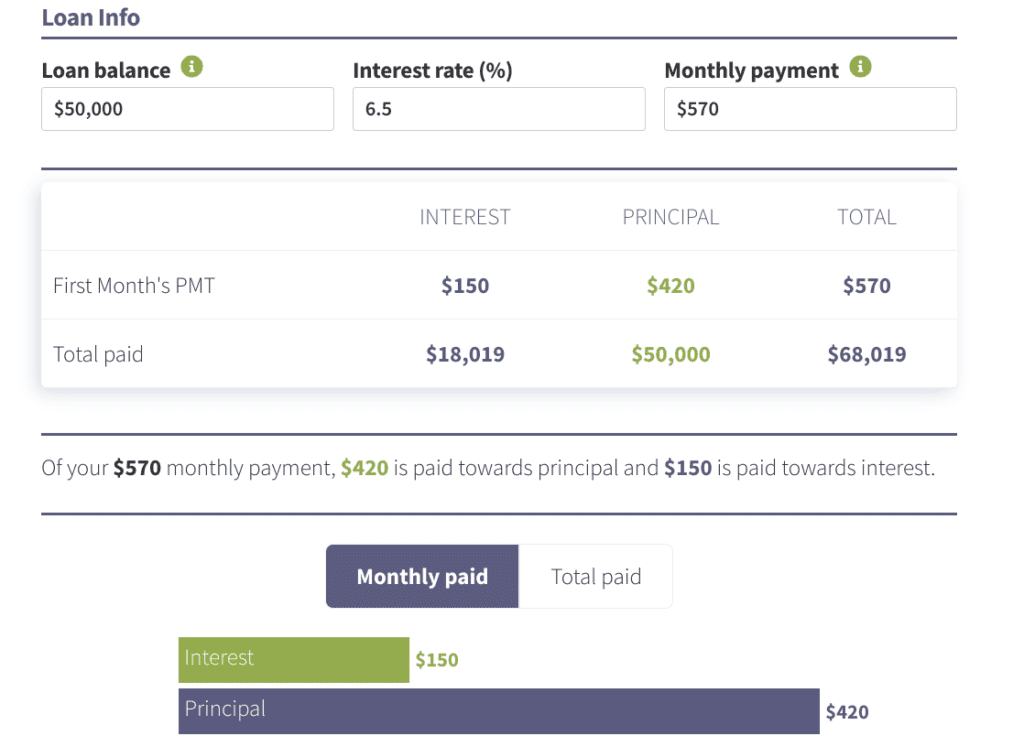
Consider making payments larger than the minimum whenever possible. Even a small increase can significantly reduce the total interest paid and shorten your repayment period. Explore different repayment strategies, such as the “debt snowball” method (paying off the smallest balance first for psychological wins) or the “debt avalanche” method (paying off the highest interest rate loan first to save the most money). Your choice should align with your financial personality and goals.
Exploring Repayment Options and Consolidation
Federal student loans offer a variety of repayment plans designed to accommodate different financial situations, including income-driven repayment (IDR) plans, which adjust your monthly payment based on your income and family size. If your current payments are unmanageable, checking your balance and then exploring these options with your federal loan servicer could significantly alleviate financial stress. IDR plans can also lead to loan forgiveness after a certain number of years.
For both federal and private loans, consolidation or refinancing might be an option. Loan consolidation for federal loans combines multiple federal loans into one new loan with a single interest rate and payment. This can simplify repayment and sometimes open doors to certain IDR plans. Refinancing, typically done with private lenders, involves taking out a new private loan to pay off existing federal and/or private loans. This can potentially secure a lower interest rate, especially if your credit score has improved since you originally borrowed, saving you money over the life of the loan. However, refinancing federal loans into a private loan means forfeiting federal benefits like IDR and certain forgiveness programs. It’s crucial to carefully weigh the pros and cons.
Seeking Professional Financial Advice
If you find yourself overwhelmed by the complexity of your student loans or unsure about the best repayment strategies, don’t hesitate to seek professional financial advice. A certified financial planner or a student loan counselor can provide personalized guidance, help you understand all your options, and assist you in developing a robust repayment plan tailored to your specific circumstances. They can also help you navigate complex situations like default, bankruptcy, or Public Service Loan Forgiveness (PSLF). Investing in expert advice can lead to smarter financial decisions and potentially save you thousands of dollars in interest and fees over the long term, making your journey to a debt-free future clearer and more achievable.
In conclusion, diligently checking your student loan balance is more than a routine task; it’s a fundamental pillar of sound financial management. It empowers you with the knowledge to make informed decisions, strategize your repayment, and ultimately, gain control over your financial destiny. By consistently monitoring your balances and leveraging the resources available, you can confidently work towards alleviating your student loan burden and achieving lasting financial well-being.
aViewFromTheCave is a participant in the Amazon Services LLC Associates Program, an affiliate advertising program designed to provide a means for sites to earn advertising fees by advertising and linking to Amazon.com. Amazon, the Amazon logo, AmazonSupply, and the AmazonSupply logo are trademarks of Amazon.com, Inc. or its affiliates. As an Amazon Associate we earn affiliate commissions from qualifying purchases.