
Navigating the landscape of student loan repayment can often feel like wandering through a complex financial labyrinth. With trillions of dollars in outstanding debt held by millions of borrowers, the infrastructure supporting these payments is vast, multi-layered, and occasionally confusing. Determining exactly where to send your monthly payment is the first and most critical step in maintaining your financial health and protecting your credit score.
The answer to “where do you pay” is not universal; it depends entirely on whether your loans are federal or private, and which specific company has been assigned to “service” your debt. This guide provides a deep dive into identifying your payment destination, understanding the role of loan servicers, and optimizing the platforms you use to achieve financial freedom.

Identifying Your Loan Servicer: The Gateway to Repayment
Before you can make a single cent of progress on your balance, you must identify your loan servicer. A loan servicer is a private company that handles the billing and other services on behalf of your lender. For federal loans, the lender is the U.S. Department of Education, but they do not collect payments directly. Instead, they outsource this task to several specialized entities.
Finding Federal Loan Servicers
If you have federal student loans—such as Direct Subsidized, Unsubsidized, or PLUS loans—your central hub for information is the Federal Student Aid (FSA) website. By logging into StudentAid.gov using your FSA ID, you can access the “My Aid” dashboard. This portal provides a comprehensive breakdown of every federal loan you have ever borrowed.
Within this dashboard, you will find a section titled “Loan Servicers.” This lists the specific organization responsible for your account. Common federal loan servicers include:
- Nelnet
- MOHELA
- EdFinancial
- Default Resolution Group (for loans in default)
Once you identify the company, you must create an account on that specific servicer’s website. While StudentAid.gov tracks your data, the actual financial transaction occurs on the servicer’s proprietary platform.
Tracking Down Private Loan Lenders
Private student loans function differently. These are issued by banks, credit unions, or online lenders like SoFi, Sallie Mae, or Discover. Because these loans are not part of the federal system, they will not appear on StudentAid.gov.
To find where to pay private loans, the most effective method is to pull a copy of your credit report from AnnualCreditReport.com. Every legitimate private lender reports to the major credit bureaus (Equifax, Experian, and TransUnion). Your credit report will list the name of the financial institution and the current balance. You can then visit that lender’s website to set up your payment portal. If you are still in school or recently graduated, check your email archives for “Truth in Lending” disclosures or monthly statements sent during your grace period.
Navigating Servicer Transfers
It is common for student loans to be “sold” or transferred between servicers. This often happens during federal contract renewals or corporate acquisitions. When this occurs, the “where” of your payment changes. You should receive a notification via mail or email at least 15 days before the transfer takes place. During this transition, there is typically a “blackout period” where you cannot make payments online. Staying vigilant during these transfers is essential to ensure no payments are missed during the hand-off between companies.
Navigating the Payment Portals: Methods and Mechanisms
Once you have established an account with your servicer, you must choose the mechanism through which you will deliver your funds. Modern loan servicing has moved primarily to digital interfaces, offering several ways to manage your monthly obligations.
Online Portals and Automatic Debit
The most common way to pay student loans is through the servicer’s official web portal. These platforms allow you to link a checking or savings account via ACH (Automated Clearing House) transfer.
The most significant advantage of using the official portal is the “Auto-Pay” feature. For federal loans and many private ones, enrolling in automatic debit typically grants the borrower a 0.25% interest rate reduction. While a quarter of a percent may seem negligible, over the life of a ten-year or twenty-year loan, it can save hundreds or even thousands of dollars in interest charges. Furthermore, automation eliminates the risk of late fees and negative credit reporting caused by simple forgetfulness.
Mobile Apps and Third-Party Financial Tools
Many top-tier servicers now offer mobile applications that allow for “on-the-go” payments and real-time balance tracking. Beyond the official apps, many borrowers use third-party financial management tools like Mint, Empower, or specialized student loan apps to aggregate their debt data. While these tools are excellent for visualization and budgeting, it is generally recommended to make the actual payment through the servicer’s portal to ensure the fastest processing and the most accurate record-keeping.
Traditional Payment Methods
For those who prefer traditional banking, most servicers still accept paper checks or money orders sent via mail. If you choose this route, it is vital to include your account number on the memo line of the check. Be aware that mail-in payments have the longest processing times and carry the highest risk of arriving late due to postal delays. Additionally, most servicers allow for phone payments, though some may charge a convenience fee for speaking with a live representative to process the transaction.
Strategic Payment Allocation: Beyond the Minimum
Knowing where to pay is the baseline; knowing how to pay is where you build wealth. When you send money to a loan servicer, they follow a specific hierarchy for applying those funds. Understanding this logic allows you to move from a passive payer to a strategic investor in your own future.
The Standard Order of Operations
When a payment is received, it is generally applied in the following order:
- Late Fees and Collection Costs: If your account is past due, any penalties are cleared first.
- Outstanding Interest: Every day, your loan accrues “daily interest.” Your monthly payment must first cover all interest that has accumulated since your last statement.
- Principal Balance: Only after the fees and interest are satisfied does the remaining money touch the original amount you borrowed.
Utilizing “Targeted” Payments
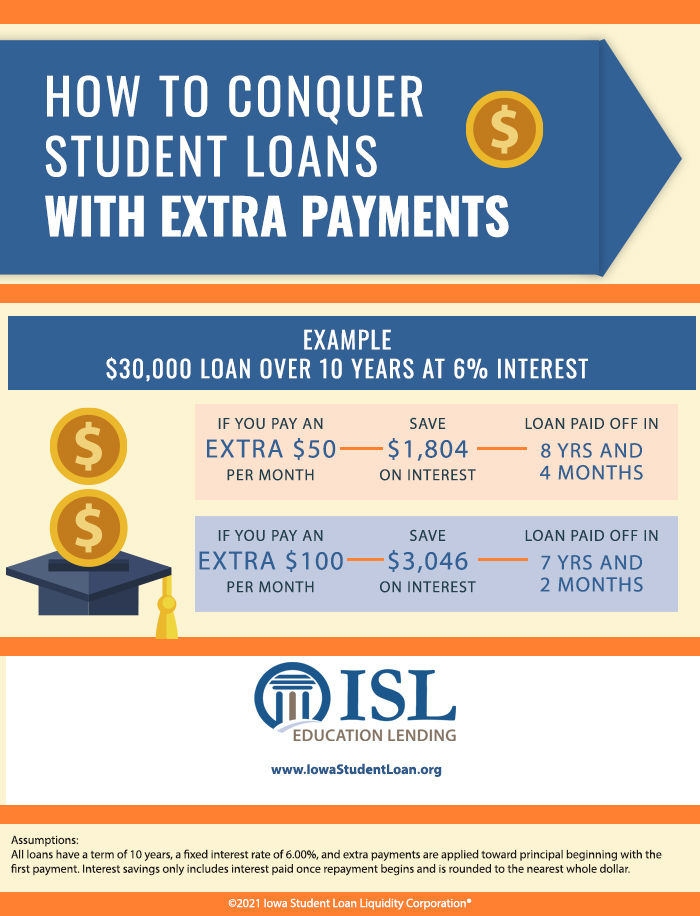
If you have extra capital—perhaps from a tax refund, a work bonus, or a side hustle—you can make additional payments to accelerate your debt-free date. However, simply sending an extra $100 isn’t enough. You must “target” that payment.
Most servicer portals have an “Advanced Payment” or “Payment Allocation” section. Here, you can specify that the extra funds should be applied to the loan with the highest interest rate (the “Avalanche Method”). By default, many servicers will spread extra payments across all your loans proportionally, which is less efficient than wiping out high-interest debt first. Always ensure you select the option that says “Do not advance my due date.” This ensures the extra money goes directly toward reducing the principal immediately rather than just pre-paying next month’s bill.
Managing Repayment Challenges and Alternatives
Sometimes, the “where” of student loan payments changes not because the servicer moved, but because your financial circumstances did. If the standard 10-year repayment plan is not sustainable, you must look into alternative structures managed within your servicer’s portal.
Income-Driven Repayment (IDR) Plans
For federal borrowers, the “where” remains the same servicer, but the “how much” is recalculated based on your discretionary income and family size. Plans like the SAVE (Saving on a Valuable Education) plan can significantly lower monthly payments—sometimes to $0—while still counting as “on-time” payments toward eventual loan forgiveness. These plans require annual “recertification” of your income, which is done through the StudentAid.gov portal and then synced with your servicer.
Deferment and Forbearance Portals
If you experience a temporary financial hardship, such as unemployment or a medical emergency, you can apply for deferment or forbearance. These options allow you to temporarily stop making payments. It is important to note that interest often continues to accrue during these periods. Applications for these statuses are typically found in the “Forms” or “Resources” section of your servicer’s website. While these are not permanent solutions, they provide a vital safety net to prevent default.
Consolidating and Refinancing: Changing Your Payment Destination
Finally, there may come a time when you want to change “where” you pay your student loans entirely. This is achieved through consolidation or refinancing.
Federal Loan Consolidation
If you have multiple federal loans with different servicers, you can use the Direct Consolidation Loan program at StudentAid.gov. This combines all your federal debt into one single loan with one servicer and one monthly payment. The interest rate becomes a weighted average of your previous rates. This simplifies your financial life by giving you a single “where” to focus on.
Private Refinancing
For those with high-interest rates (especially on private loans) and a strong credit score, refinancing through a private lender like Earnest, Laurel Road, or SoFi can be a powerful move. When you refinance, a new lender pays off your old loans in full, and you begin making payments to the new lender at a lower interest rate.
While this changes your payment destination to a new private portal, federal borrowers should exercise caution: refinancing federal loans into private ones means losing access to federal protections like IDR plans, Public Service Loan Forgiveness (PSLF), and administrative forbearance.
Conclusion
Determining where to pay your student loans is the foundation of a proactive financial strategy. By identifying your servicer through StudentAid.gov or credit reports, utilizing the benefits of automated digital portals, and strategically allocating extra payments toward principal, you transform a monthly burden into a manageable path toward debt elimination. Whether you are sticking with a federal servicer or moving toward private refinancing, staying informed about your “where” ensures that every dollar you earn works as hard as possible for your financial future.
aViewFromTheCave is a participant in the Amazon Services LLC Associates Program, an affiliate advertising program designed to provide a means for sites to earn advertising fees by advertising and linking to Amazon.com. Amazon, the Amazon logo, AmazonSupply, and the AmazonSupply logo are trademarks of Amazon.com, Inc. or its affiliates. As an Amazon Associate we earn affiliate commissions from qualifying purchases.