
The cruise industry has long marketed itself as the pinnacle of “all-inclusive” luxury, promising travelers a seamless experience where the logistics are handled and the costs are predictable. However, for the financially savvy traveler, the true cost of a cruise is rarely reflected in the headline price found on a booking website. From the base fare to the intricate web of surcharges, gratuities, and discretionary spending, understanding the fiscal reality of a cruise requires a detailed line-item analysis.
To plan a cruise effectively, one must move beyond the “sticker price” and adopt a strategic approach to travel finance. This guide breaks down the multi-layered expenses associated with modern cruising, offering a professional framework for budgeting, cost-saving, and maximizing the return on your vacation investment.
1. The Baseline Investment: Understanding the Base Fare and Mandatory Fees
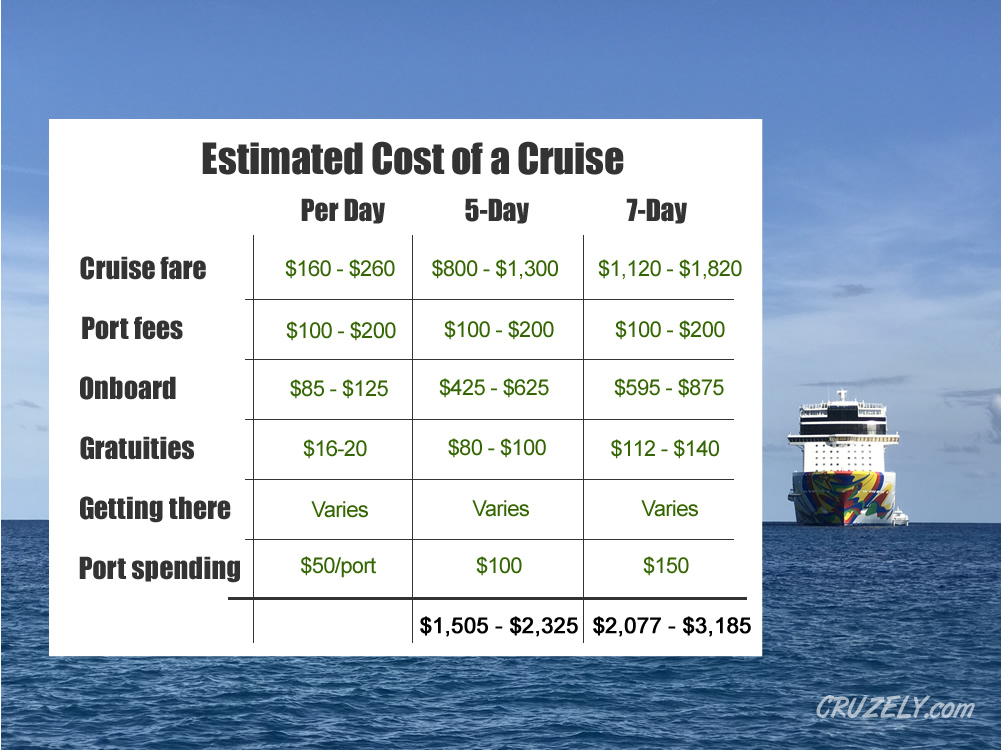
The base fare is the primary component of your cruise expenditure, but it is often just the starting point of a larger financial commitment. In the cruise industry, pricing is dynamic and influenced by several variables including seasonality, ship age, and cabin category.
Fare Categories and Cabin Pricing
The most significant variable in your base cost is the type of stateroom you select. Cruise lines typically categorize cabins into four main tiers: Interior, Oceanview, Balcony, and Suites. From a financial perspective, the “Interior” cabin offers the highest utility for budget-conscious travelers, often serving as a loss leader for the cruise line to get passengers on board. However, for those looking for a “value-to-comfort” ratio, balcony cabins often represent the mid-market sweet spot.
When evaluating these costs, consider the “per-diem” rate—the total cost divided by the number of nights. A $1,400 seven-night cruise equates to a $200 per-diem. If that includes food and lodging, it may compare favorably to a land-based vacation in a major metropolitan area.
Taxes, Port Fees, and Mandatory Gratuities
One of the most common oversights in cruise budgeting is the exclusion of non-negotiable fees. Taxes and port fees are rarely included in the initial advertised price. These fees are passed directly from the cruise line to the passenger and can range from $150 to $500 per person depending on the itinerary and the number of ports visited.
Furthermore, almost all major cruise lines apply “automatic gratuities” or service charges. These generally range from $16 to $25 per person, per day. For a family of four on a seven-night sailing, this can add an unexpected $500 to $700 to the final bill. When planning your budget, these should be viewed as fixed costs rather than optional tips.
Travel Insurance and Risk Management
From a personal finance standpoint, travel insurance is a critical component of the total cost. While it adds an upfront expense (typically 5% to 10% of the trip cost), it acts as a hedge against significant financial loss due to medical emergencies, trip cancellations, or interruptions. Given that many health insurance policies do not cover international waters or foreign ports, this is a vital line item for risk management.
2. The “Hidden” Variable Costs: Budgeting for the Onboard Experience
Once on board, the cruise ship operates as a self-contained economy. Cruise lines utilize sophisticated “cashless” systems where every purchase is linked to your room key. This psychological distancing from physical currency often leads to “budget creep.” To maintain financial discipline, it is essential to categorize and cap your discretionary spending.
Beverage Packages vs. Pay-per-Drink
The “drink package” is one of the most debated financial decisions in cruising. These packages can cost anywhere from $60 to $110 per person, per day, plus a mandatory 18-20% service charge.
To determine the ROI (Return on Investment) of a beverage package, you must perform a simple break-even analysis. If an average cocktail costs $14 and a beer costs $8, you would need to consume roughly 6–9 drinks every single day to justify the package. For many, paying “à la carte” results in a lower total expenditure, especially on port-heavy itineraries where you spend significant time off the ship.
Specialty Dining and Culinary Surcharges
While the main dining room and buffet are included in your fare, most modern ships feature “Specialty Dining” venues—upscale steakhouses, sushi bars, or French bistros—that carry a cover charge or à la carte pricing. These can range from $30 to $100 per person. While these offer a superior culinary experience, they represent a significant variable cost. A strategic way to manage this is to look for “dining bundles” offered pre-cruise, which can often reduce the cost of these venues by 20% to 30%.
Connectivity and Entertainment Costs
In the modern era, staying connected is often a necessity rather than a luxury. However, satellite internet at sea is notoriously expensive. Wi-Fi packages can cost between $15 and $35 per day, per device. Furthermore, while most entertainment is included, certain “premium” experiences—such as escape rooms, arcade games, or high-stakes bingo—require additional capital. When budgeting, decide on your “digital connectivity” requirements beforehand to avoid high daily rates once onboard.
3. Off-Ship Expenditures: Shore Excursions and Port Spending
The cost of a cruise does not stop at the gangway. What you do in port can often equal or exceed the cost of the cruise fare itself if not managed carefully.
Calculating the Cost of Shore Excursions
Shore excursions are the primary revenue drivers for cruise lines in port. Booking directly through the ship offers convenience and a “guaranteed return” to the ship, but it comes at a premium—often 20% to 50% higher than booking the same tour independently.
For a financially optimized trip, research reputable third-party tour operators or consider “self-guided” tours for ports with accessible infrastructure. However, for complex logistics or remote locations, the premium paid to the cruise line serves as an insurance policy against missing the ship’s departure.
Transportation and Logistics in Foreign Ports
When the ship docks, you often face immediate costs for shuttles, taxis, or public transit to reach the city center or the beach. Some ports are industrial hubs located miles away from the actual destination. Budgeting $50 to $100 per port for local transportation and incidental spending (souvenirs, local snacks, or museum entries) is a prudent financial practice.
Currency Exchange and Transaction Fees
From a business finance perspective, it is important to be mindful of foreign transaction fees. Many travelers lose 3% to 5% of their purchasing power by using the wrong credit cards or high-fee currency exchange kiosks at the pier. Utilizing a credit card with no foreign transaction fees and carrying a small amount of local currency obtained from a bank-affiliated ATM is the most cost-effective way to handle off-ship transactions.
4. Strategic Financial Planning for a Cruise Vacation
Achieving the best price on a cruise is less about luck and more about timing and the utilization of financial tools.
The Timing Factor: When to Book for Maximum ROI
The cruise industry generally follows two pricing models: “Early Booking” and “Last Minute.” Booking 12 to 18 months in advance often secures the best cabin selection and “early bird” discounts. Conversely, “last-minute” bookings (within 90 days of sailing) can offer massive savings as cruise lines attempt to fill unsold inventory. However, the savings on the cruise fare during last-minute bookings can sometimes be offset by higher airfare costs, so a holistic view of the total travel cost is required.
Utilizing Travel Rewards and Credit Card Points
Strategic use of credit card rewards can significantly offset the cost of a cruise. Many travelers use high-yield “points” cards to pay for the cruise fare and then “wipe” the charge using accumulated miles. Additionally, many cruise lines offer co-branded credit cards that provide “Onboard Credit” (OBC) as a sign-up bonus. OBC is essentially “house money” that can be used to pay for those “hidden” costs like gratuities or specialty dining, effectively reducing the out-of-pocket expense of the trip.
Monitoring Price Drops and Re-faring
A professional tip for managing cruise finances is to monitor your cruise price after booking. Most cruise lines allow you to “re-fare” or receive the difference in onboard credit if the price drops before the final payment date. Utilizing price-tracking tools or working with a travel advisor who monitors these fluctuations can save hundreds of dollars without any additional capital outlay.

Conclusion: Balancing Cost and Value
The question of “how much does a cruise cost” does not have a single answer; rather, it is a reflection of your individual financial priorities. A budget-conscious traveler can experience a seven-day voyage for approximately $1,200 total, while a luxury-focused traveler could easily spend $5,000 for the same duration.
The key to a successful cruise investment lies in transparency and preparation. By accounting for fixed costs like port fees and gratuities, managing variable costs through strategic packages, and utilizing financial tools to capture discounts, you can ensure that your cruise provides maximum value. Ultimately, a well-budgeted cruise allows you to enjoy the experience without the “financial hangover” of an unexpected credit card statement upon your return. Through rigorous planning and a professional approach to travel spending, a cruise can be one of the most cost-effective ways to see the world.
aViewFromTheCave is a participant in the Amazon Services LLC Associates Program, an affiliate advertising program designed to provide a means for sites to earn advertising fees by advertising and linking to Amazon.com. Amazon, the Amazon logo, AmazonSupply, and the AmazonSupply logo are trademarks of Amazon.com, Inc. or its affiliates. As an Amazon Associate we earn affiliate commissions from qualifying purchases.