
For the modern investor, the stock market is a rhythmic entity, governed by precise schedules and protocols that dictate when capital flows and when the digital floor goes silent. Understanding when the Nasdaq closes is not merely a matter of knowing a time on a clock; it is about understanding the lifecycle of a trading day, the mechanics of price discovery, and the strategic windows that can make or break a portfolio. As one of the world’s premier electronic exchanges, the Nasdaq operates with a complexity that extends far beyond the traditional “9 to 5” mindset.
Understanding the Standard Trading Session
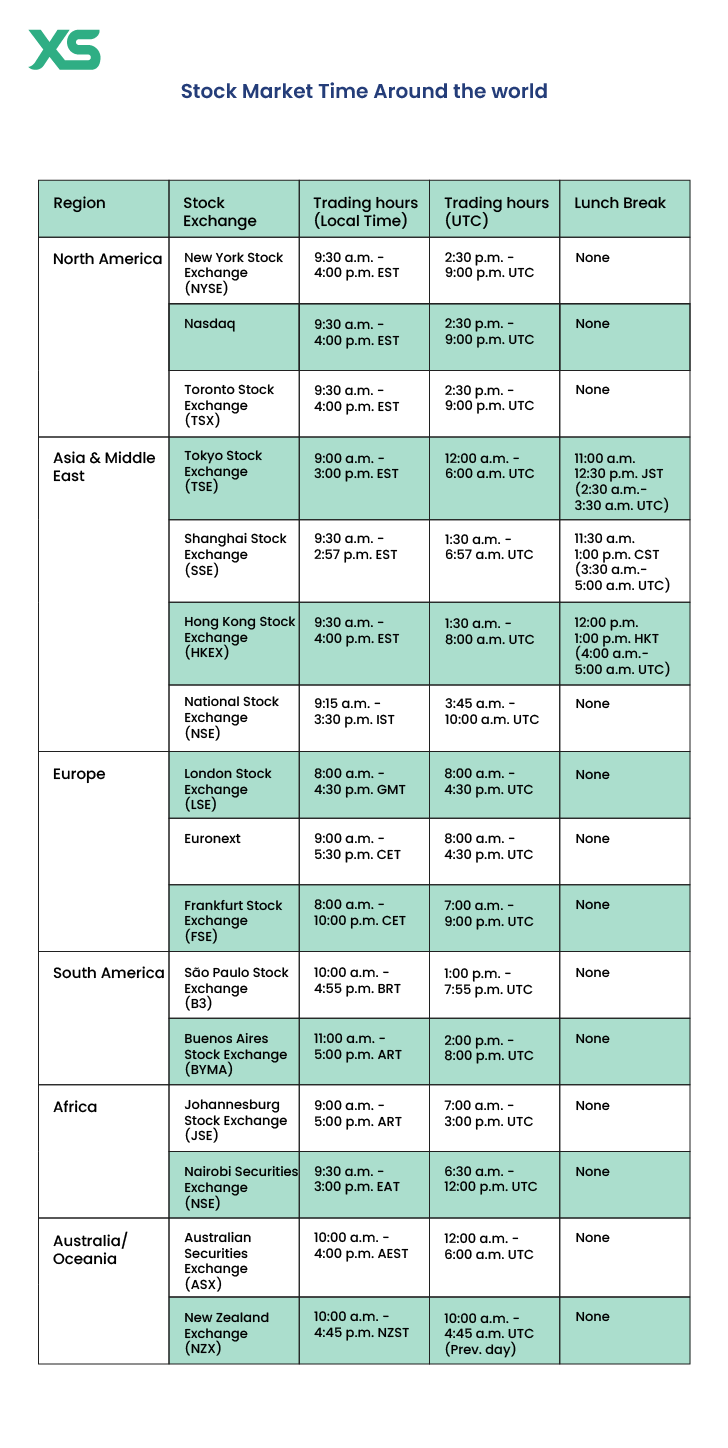
The cornerstone of the financial world is the core trading session. For the Nasdaq Stock Market, this session begins at 9:30 AM Eastern Time (ET) and concludes at 4:00 PM ET. This six-and-a-half-hour window represents the period of highest liquidity and tightest spreads, where the vast majority of retail and institutional volume occurs.
The Significance of 4:00 PM ET
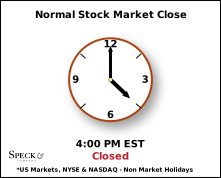
When someone asks “when does Nasdaq close,” they are typically referring to the 4:00 PM ET mark. This is the moment the “closing bell” rings—a symbolic gesture in the digital age—and the point at which the official closing price for a security is determined. This price is crucial for mutual funds, which use it to calculate their Net Asset Value (NAV), and for technical analysts who view the daily close as a definitive signal of market sentiment.
The Nasdaq Closing Cross
To ensure a fair and orderly finish to the trading day, the Nasdaq utilizes a sophisticated mechanism known as the Closing Cross. Starting shortly before 4:00 PM, the exchange begins aggregating all “on-close” orders. This process matches buy and sell interest to determine a single price that maximizes the number of shares traded. By concentrating liquidity at this exact moment, the Nasdaq minimizes volatility and ensures that the final price reflects the true collective valuation of the market participants.
Time Zone Management for Global Investors
It is essential for investors outside the Eastern Time zone to adjust their clocks accordingly. For a trader in London, the Nasdaq closes at 9:00 PM GMT. For a tech investor in San Francisco, the closing bell rings at 1:00 PM PT. Missing these transitions can result in missed opportunities to execute trades during the period of peak liquidity, potentially leading to slippage or unfavorable fills.
Beyond the Bell: Pre-Market and After-Hours Trading
While the core session is the main event, the Nasdaq is far from dormant during the “off” hours. The rise of Electronic Communication Networks (ECNs) has expanded the trading day significantly, allowing investors to react to news long before the opening bell or well after the markets have officially closed.
The Pre-Market Session
The Nasdaq begins its day much earlier than most realize. Pre-market trading opens as early as 4:00 AM ET and runs until the official open at 9:30 AM ET. This early window is often utilized by institutional investors and high-frequency traders reacting to overnight news from European markets or early-morning economic data releases from the U.S. government. For the retail investor, trading at 5:00 AM comes with significant risks, including extreme volatility and thin liquidity.
After-Hours Trading: The Second Close
Once the 4:00 PM ET bell rings, the after-hours session commences, lasting until 8:00 PM ET. This four-hour window is perhaps the most volatile part of the day. This is when the majority of publicly traded companies release their quarterly earnings reports. When a major tech giant beats expectations or lowers guidance at 4:05 PM, the subsequent price action occurs in the after-hours market. While the Nasdaq “closes” at 4:00 PM for standard orders, the digital exchange remains active for another four hours for those willing to navigate its challenges.
Risks and Rewards of Extended Hours
The primary attraction of trading before or after the standard close is the ability to react immediately to news. However, the costs are high. In the extended sessions, the “bid-ask spread”—the difference between what a buyer is willing to pay and what a seller is willing to accept—widens significantly. Furthermore, many brokerages only allow “limit orders” during these times to protect investors from radical price swings. Understanding that the Nasdaq doesn’t truly go dark until 8:00 PM ET is vital for anyone managing a dynamic portfolio.
Holiday Schedules and Early Closures
The Nasdaq does not operate 365 days a year. To plan a successful investment strategy, one must be aware of the federal holidays and specific “early close” days when the market shuts its doors ahead of schedule.
Major U.S. Market Holidays
The Nasdaq observes several major holidays throughout the year, during which all trading—including pre-market and after-hours—is suspended. These include:
- New Year’s Day
- Martin Luther King, Jr. Day
- Presidents’ Day
- Good Friday
- Memorial Day
- Juneteenth National Independence Day
- Independence Day (July 4th)
- Labor Day
- Thanksgiving Day
- Christmas Day
If a holiday falls on a Saturday, the market typically closes on the preceding Friday. If it falls on a Sunday, the market closes on the following Monday.
Early Closure Procedures
On certain days surrounding holidays, the Nasdaq implements an early closure at 1:00 PM ET. This most commonly occurs on the day after Thanksgiving (Black Friday) and sometimes on Christmas Eve or July 3rd, depending on how those dates fall in the week. During an early close, the Closing Cross occurs at 1:00 PM, and after-hours trading is usually abbreviated, typically ending at 5:00 PM ET instead of the usual 8:00 PM.
Why Timing Matters for Your Investment Strategy
Knowing when the Nasdaq closes is not just a logistical requirement; it is a tactical advantage. The “when” of trading is often just as important as the “what” or “why.”
Liquidity and Volatility at the Open and Close
The first and last 30 minutes of the trading day are often referred to as the most dangerous and most opportunistic times for investors. At the 9:30 AM open, the market is processing all the pent-up news from the previous night. At the 4:00 PM close, institutional “rebalancing”—where large funds adjust their holdings to match their mandates—creates a surge in volume. For long-term personal finance goals, many advisors suggest avoiding these “rush hours” to prevent getting caught in irrational price spikes.
The “Power Hour”
The final hour of trading, from 3:00 PM to 4:00 PM ET, is known as the “Power Hour.” This is when volatility tends to increase as day traders close out their positions and institutional desks finalize their daily strategies. For an investor looking to exit a large position, the Power Hour offers the necessary liquidity to do so without moving the price too drastically against them.
Impact of Economic Data and Earnings
The timing of the Nasdaq close is inextricably linked to the release of information. The U.S. Bureau of Labor Statistics typically releases employment data at 8:30 AM ET, during the pre-market session. Because the market isn’t fully open yet, the initial reaction can be exaggerated. Similarly, when a company releases earnings at 4:15 PM, the stock may swing 10% in minutes. Investors must be aware of the clock to ensure they aren’t caught off guard by these scheduled volatility events.
Practical Tips for Managing Your Portfolio Around Market Hours
Navigating the closing times of the Nasdaq requires a mix of discipline and the right financial tools. Whether you are a long-term “buy and hold” investor or a more active participant in the markets, these strategies can help you manage the clock.
Utilizing Limit Orders
Because the market can move violently in the minutes leading up to the 4:00 PM close, market orders (orders to buy or sell at the current best available price) can be risky. Using a “limit order” allows you to specify the maximum price you are willing to pay or the minimum you are willing to accept. This is especially important if you are placing trades in the after-hours session when the Nasdaq has “officially” closed for the day but remains active electronically.
Setting Trading Alerts
Modern brokerage apps and financial platforms allow you to set alerts based on time. Setting an alert for 3:30 PM ET can serve as a “30-minute warning” to review your positions before the Closing Cross. This ensures that you aren’t surprised by the 4:00 PM halt and gives you time to make adjustments based on the day’s price action.
Understanding “Gapping”
A “gap” occurs when a stock opens at a significantly different price than it closed at the previous day. This happens because news broke while the Nasdaq was closed. If you place an order to sell a stock at $100 after the market closes, but bad news drops overnight, the stock might “gap down” and open at $90 the next morning. Understanding the closing and opening schedule helps you realize that prices are not static while the exchange is shut; they are merely “frozen” until the next session begins.

The Role of Global Markets
Finally, remember that while the Nasdaq may close at 4:00 PM ET, the global financial machine never truly stops. As the Nasdaq closes, markets in Tokyo, Hong Kong, and Sydney are preparing to open. Events in those markets can influence how the Nasdaq opens the following morning. Professional investors view the Nasdaq close not as an end, but as a hand-off in a 24-hour global relay race of capital.
By mastering the schedule of the Nasdaq, from the early pre-market whispers to the finality of the Closing Cross and the high-stakes after-hours session, you position yourself to trade with intention rather than reacting in haste. In the world of finance, time is more than money—it is the framework upon which all successful strategies are built.
aViewFromTheCave is a participant in the Amazon Services LLC Associates Program, an affiliate advertising program designed to provide a means for sites to earn advertising fees by advertising and linking to Amazon.com. Amazon, the Amazon logo, AmazonSupply, and the AmazonSupply logo are trademarks of Amazon.com, Inc. or its affiliates. As an Amazon Associate we earn affiliate commissions from qualifying purchases.