
The global stock market is a dynamic, complex ecosystem, constantly influenced by a myriad of economic, political, and social factors. In recent years, we’ve witnessed periods of unprecedented growth, punctuated by sharp corrections and persistent volatility that have left many investors questioning the underlying health and future direction of financial markets. Understanding the forces at play is crucial for anyone looking to navigate these waters effectively, whether they are seasoned investors, aspiring entrepreneurs, or individuals planning for retirement. From inflationary pressures and shifting monetary policies to geopolitical tensions and rapid technological advancements, the landscape is in constant flux, demanding a nuanced perspective beyond the daily headlines. This comprehensive analysis will delve into the multifaceted dynamics currently shaping the stock market, exploring the major drivers of volatility, their impact on various investor profiles, and strategic approaches to foster resilience and identify opportunities in an ever-evolving financial world.
Navigating the Current Economic Crosscurrents
The stock market never operates in a vacuum; it is an intricate reflection of the broader economic environment. Currently, several powerful economic currents are converging, creating a complex and often unpredictable backdrop for financial assets. These forces range from macroeconomic indicators to global supply chain disruptions, each playing a significant role in dictating market sentiment and corporate profitability. Understanding these fundamental drivers is the first step toward deciphering the market’s current behavior and anticipating its potential future trajectory.
The Specter of Inflation and Interest Rate Hikes
One of the most dominant themes impacting the stock market over the past few years has been the resurgence of inflation. After decades of relative price stability, various factors—including expansive fiscal stimulus, supply chain bottlenecks exacerbated by global events, and robust consumer demand—have pushed inflation rates to levels not seen in generations. Central banks worldwide, most notably the U.S. Federal Reserve, have responded aggressively by raising interest rates. This monetary tightening aims to cool down overheated economies and bring inflation back to target levels. However, higher interest rates have several profound effects on the stock market: they increase the cost of borrowing for companies, potentially reducing future earnings and making it more expensive for consumers to borrow and spend. Growth stocks, particularly those reliant on future projected earnings, tend to be more sensitive to rising rates, as the present value of their future cash flows diminishes. Conversely, value stocks, which are typically more mature companies with stable earnings and dividends, often fare relatively better in such environments.
Geopolitical Tensions and Global Supply Chains
The interconnectedness of the modern global economy means that events far from financial centers can have immediate and significant repercussions. Geopolitical tensions, such as regional conflicts or trade disputes between major economic powers, introduce considerable uncertainty into markets. These events can disrupt critical supply chains, leading to shortages, increased production costs, and ultimately, higher prices for consumers. For instance, disruptions in energy markets or essential raw materials can ripple through various industries, impacting everything from manufacturing to transportation. Companies with extensive international operations or reliance on specific global supply chains face heightened risks, which can translate into downward pressure on their stock prices. Investors become more risk-averse, often seeking refuge in traditionally safer assets or sectors less exposed to global instability. The market’s reaction to such events is often swift and emotional, reflecting the collective uncertainty about future corporate earnings and economic stability.
Shifting Consumer Behavior and Corporate Earnings
Consumer behavior is a cornerstone of economic activity, and shifts in spending patterns can profoundly influence corporate revenues and profitability. Inflation, rising interest rates, and economic uncertainty often lead consumers to tighten their belts, prioritizing essential goods and services over discretionary purchases. This shift can hit sectors like retail, entertainment, and travel particularly hard, impacting their top-line growth and bottom-line earnings. Simultaneously, businesses are grappling with increased input costs, labor shortages, and wage inflation, which can squeeze profit margins even if sales volumes remain stable. The cumulative effect of these pressures is often reflected in corporate earnings reports, which serve as a critical barometer for stock market performance. Companies that demonstrate resilience in managing costs, adapting to changing consumer demands, or possessing strong pricing power tend to outperform, while those struggling to maintain profitability often see their stock prices decline. Investors scrutinize these reports closely, looking for indications of financial health and future growth potential.
Unpacking Market Volatility: Beyond the Headlines
Volatility, often characterized by sharp, unpredictable swings in stock prices, is an inherent feature of financial markets. While it can be unsettling, it’s also a fundamental aspect that savvy investors learn to understand and, at times, leverage. Current market volatility, however, feels particularly intense, driven by a confluence of economic shifts and technological advancements that demand a deeper dive beyond the immediate news cycle. Understanding the underlying mechanisms behind these fluctuations is key to developing a robust investment strategy.
Sectoral Divergence: Tech vs. Value Stocks
One of the most striking aspects of recent market dynamics has been the significant divergence in performance between different sectors, particularly between technology (growth) stocks and value stocks. For much of the past decade, technology companies, characterized by high growth potential and often lower immediate profitability, led market gains. Their valuations were often based on future growth prospects. However, with rising interest rates, the discount rate applied to those future earnings increases, making their present value less appealing. This has led to a significant correction in many high-growth tech stocks. Conversely, value stocks – companies with stable earnings, strong balance sheets, and often attractive dividends, trading at lower multiples – have begun to show relative strength. These businesses are typically more mature, less reliant on future growth narratives, and often in sectors like industrials, financials, and energy, which can benefit from inflationary environments or higher commodity prices. This sectoral rotation is a crucial indicator of changing investor preferences and economic priorities.
The Role of Quantitative Tightening and Central Bank Policies
Beyond interest rate hikes, central banks employ other tools that profoundly impact liquidity and market sentiment. Quantitative Tightening (QT), where central banks reduce their balance sheets by letting government bonds and other assets mature without reinvesting the proceeds, is one such powerful mechanism. During periods of Quantitative Easing (QE), central banks inject liquidity into the financial system, which often flows into asset markets, including stocks. QT reverses this process, effectively pulling liquidity out of the system. This reduction in available capital can lead to higher bond yields and less money chasing assets, thereby putting downward pressure on equity valuations. The transition from a decade of unprecedented QE to a period of QT represents a significant shift in monetary policy that asset markets are still processing. Investors must monitor central bank communications closely, as any deviation from expected policies can trigger significant market reactions.
Investor Sentiment and Behavioral Biases
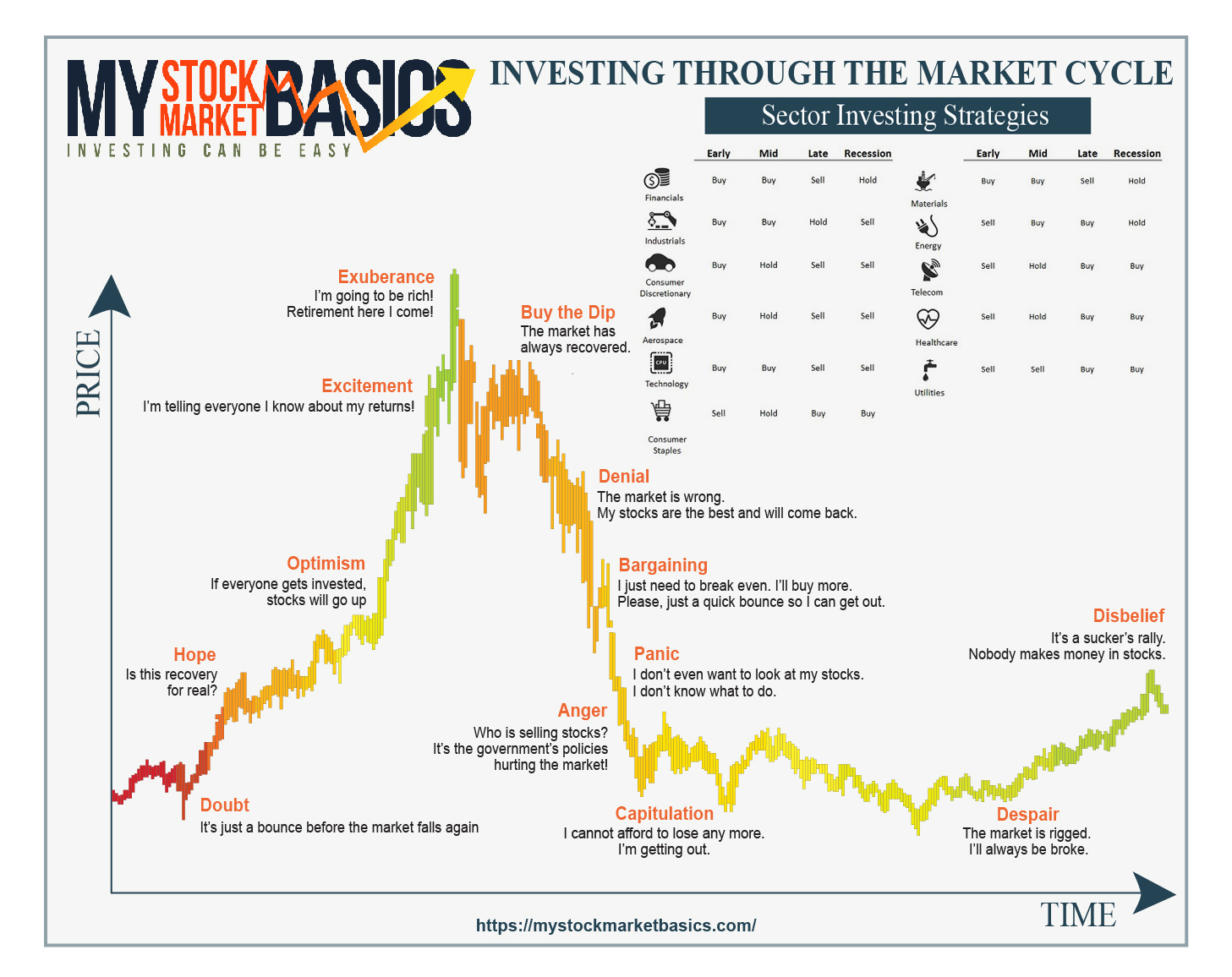
While economic fundamentals and monetary policy are critical, investor sentiment and psychological factors also play an enormous role in short-term market volatility. Fear and greed are powerful emotions that can drive irrational decisions, leading to exaggerated market moves. During periods of uncertainty, negative news can trigger widespread panic selling, even for fundamentally sound companies. Conversely, periods of euphoria can lead to speculative bubbles. Behavioral biases, such as herd mentality (following the crowd) or loss aversion (the tendency to prefer avoiding losses over acquiring equivalent gains), can amplify these swings. Social media and instant news cycles can also accelerate the spread of information, both accurate and inaccurate, contributing to rapid shifts in sentiment. Understanding these behavioral elements helps investors avoid impulsive decisions and stick to a disciplined, long-term strategy, rather than being swayed by the day-to-day emotional roller coaster of the market.
The Impact on Different Investor Profiles
The stock market’s behavior affects every investor differently, depending on their financial goals, risk tolerance, and time horizon. What represents a challenge for one investor might be an opportunity for another. Recognizing these distinctions is vital for tailoring an appropriate response to current market conditions and ensuring one’s investment strategy remains aligned with personal financial objectives.
Long-Term Investors: Weathering the Storm
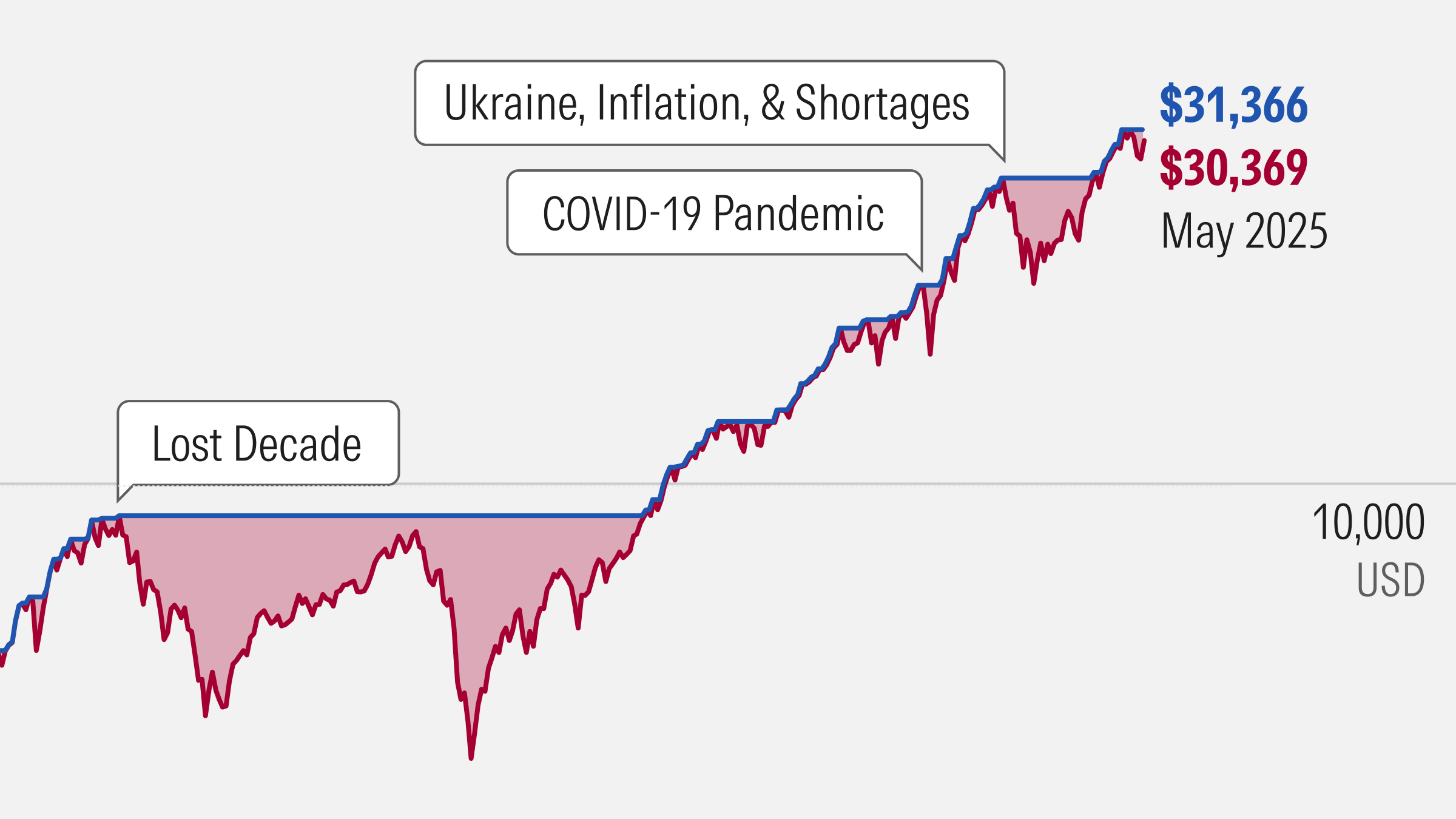
For long-term investors, those with an investment horizon spanning several years or even decades (e.g., retirement savers), market downturns and volatility are often seen as temporary disruptions rather than permanent losses. The key for this group is to maintain perspective and avoid making rash decisions based on short-term fluctuations. Historically, equity markets have demonstrated a remarkable ability to recover from bear markets and corrections, ultimately reaching new highs over extended periods. For long-term investors, periods of market decline can even present opportunities to buy quality assets at discounted prices, effectively lowering their average cost basis. Diversification across different asset classes, sectors, and geographies becomes even more crucial during volatile times, as it helps cushion the blow of underperforming segments. The focus remains on compounding returns over time, making consistent contributions, and adhering to a well-thought-out investment plan.
Short-Term Traders: Amplified Risks and Opportunities
Short-term traders, who aim to profit from rapid price movements over days, weeks, or months, face amplified risks and opportunities during periods of high market volatility. While significant price swings can create potential for quick gains, they also expose traders to substantial losses if trades move against them unexpectedly. This environment demands sophisticated analytical skills, strict risk management protocols, and a deep understanding of technical indicators and market psychology. Short-term traders often employ strategies like swing trading, day trading, or options trading, which require constant monitoring and quick decision-making. The emotional toll of trading can also be significant during volatile periods, making discipline and emotional control paramount. For many, the increased risk associated with high volatility often outweighs the potential for gain, underscoring why it’s a strategy best suited for highly experienced individuals with a robust understanding of market mechanics.
Retirement Savers: Protecting Nest Eggs
Retirement savers, whether they are decades away from retirement or nearing it, have a unique set of concerns. For those early in their careers, market downturns can be an opportunity to buy into their retirement funds at lower prices, which will ideally grow significantly over time. For those approaching retirement or already in it, protecting accumulated capital becomes a primary concern. A sudden market decline can severely impact a retirement portfolio, potentially forcing individuals to postpone retirement or reduce their planned withdrawals. For this group, a more conservative asset allocation, with a higher proportion in fixed-income assets or less volatile investments, is often recommended. Strategies like “bucketing” (allocating near-term funds to safe assets and long-term funds to growth assets) or systematic withdrawal plans can help manage income needs while protecting capital. Regular rebalancing of portfolios is also crucial to ensure the asset allocation remains aligned with their evolving risk tolerance and time horizon.
Strategic Approaches for Astute Investors
Navigating a complex and often volatile stock market requires more than just reactive responses; it demands proactive strategies grounded in sound financial principles. Astute investors understand that market fluctuations, while potentially unnerving, also present opportunities for those who are prepared and disciplined. Adopting a strategic mindset can help mitigate risks, enhance returns over the long term, and maintain financial peace of mind.
Diversification as a Defensive Mechanism
Diversification is perhaps the most fundamental principle of prudent investing, serving as a powerful defensive mechanism against market uncertainty. It involves spreading investments across various asset classes (e.g., stocks, bonds, real estate), different sectors (e.g., technology, healthcare, financials), geographical regions, and company sizes. The rationale is simple: when one part of the portfolio is underperforming, another part might be performing well, thus smoothing out overall returns and reducing exposure to any single point of failure. For instance, during periods when growth stocks struggle, value stocks or commodities might thrive. When equities are volatile, bonds might offer stability. A well-diversified portfolio is not about maximizing gains in any single area but about optimizing risk-adjusted returns across the entire portfolio, ensuring resilience in the face of unexpected market shifts. This approach helps protect capital and provides a more stable growth trajectory over the long haul.
Rebalancing and Dollar-Cost Averaging
Two powerful disciplines that complement diversification are rebalancing and dollar-cost averaging. Rebalancing involves periodically adjusting your portfolio back to its original target asset allocation. For example, if your target is 60% stocks and 40% bonds, and stocks perform exceptionally well, they might grow to 70% of your portfolio. Rebalancing would entail selling some of those outperforming stocks and buying more of the underperforming bonds to restore the 60/40 ratio. This strategy forces investors to “sell high and buy low,” maintaining the desired risk profile and preventing overexposure to any single asset class. Dollar-cost averaging involves investing a fixed amount of money at regular intervals, regardless of market conditions. This strategy automatically leads to buying more shares when prices are low and fewer shares when prices are high. It removes the emotional element of market timing, reduces the risk of investing a large sum at a market peak, and has proven to be an effective strategy for long-term wealth accumulation, especially during volatile or declining markets.
Focusing on Fundamentals and Value
In periods of market exuberance, valuations can become detached from underlying corporate fundamentals. However, when volatility increases and market sentiment sours, investors often return to scrutinizing the core financial health of companies. Focusing on fundamentals means analyzing a company’s earnings, revenue growth, profit margins, balance sheet strength, debt levels, and competitive advantages. Astute investors seek out companies with strong, sustainable business models, competent management teams, and reasonable valuations relative to their intrinsic worth. This approach, often associated with “value investing,” emphasizes buying quality assets when they are trading below their true value. While the market might temporarily misprice assets due to short-term sentiment or macroeconomic concerns, a focus on intrinsic value provides a solid foundation, trusting that over time, the market will recognize the true worth of fundamentally strong companies. This strategy encourages patience and a deep understanding of the businesses one invests in.
The Road Ahead: Potential Scenarios and Future Outlook
Predicting the exact future of the stock market is an exercise in futility. However, understanding potential scenarios and the underlying forces that could shape them allows investors to better prepare and adapt their strategies. The path forward is likely to be characterized by continued innovation, evolving economic structures, and a persistent need for vigilance and adaptability.
Soft Landing vs. Recession Concerns
One of the most debated topics among economists and investors is whether central banks can engineer a “soft landing” – bringing inflation down without triggering a severe economic recession. A soft landing would imply a significant slowdown in economic growth, but not a contraction, allowing corporate earnings to stabilize and potentially resume growth without a major disruption. Conversely, a recession scenario would involve a significant and sustained decline in economic activity, leading to widespread job losses, reduced consumer spending, and substantial cuts in corporate earnings. The stock market typically reacts negatively to the prospect of a recession, often experiencing significant downturns before economic data officially confirms it. The trajectory of inflation, the effectiveness of monetary policy, and the resilience of consumer and business spending will be critical in determining which scenario unfolds. Investors should prepare for either outcome by ensuring their portfolios are diversified and resilient.
The Innovation Engine and Emerging Opportunities
Despite economic headwinds, the engine of innovation continues to drive progress and create new opportunities. Breakthroughs in artificial intelligence, biotechnology, renewable energy, advanced manufacturing, and space technology are constantly reshaping industries and creating entirely new markets. Companies at the forefront of these innovations, with strong intellectual property and robust execution capabilities, often present compelling long-term investment opportunities, even amidst broader market volatility. Identifying these emerging trends and the companies poised to capitalize on them requires thorough research and a forward-looking perspective. While these opportunities often come with higher risk, they also offer the potential for significant long-term growth and diversification away from traditional market drivers. Investing in innovation requires a long-term mindset, as these technologies often take time to mature and gain widespread adoption.

The Importance of Adaptability and Continuous Learning
In an increasingly complex and rapidly changing global environment, adaptability and continuous learning are paramount for investors. The strategies that worked in one market cycle may not be effective in the next. Economic paradigms shift, technological advancements disrupt established industries, and geopolitical landscapes evolve. Investors must remain informed, critically assess new information, and be willing to adjust their strategies when necessary, rather than rigidly adhering to outdated approaches. This includes staying abreast of macroeconomic trends, understanding technological shifts, and evaluating the implications of policy changes. Engaging with financial education, seeking expert advice, and regularly reviewing one’s investment thesis are all components of fostering an adaptable and resilient approach to investing. The stock market is a reflection of human endeavor and innovation; by understanding its dynamics and staying flexible, investors can better navigate its complexities and position themselves for long-term success.
aViewFromTheCave is a participant in the Amazon Services LLC Associates Program, an affiliate advertising program designed to provide a means for sites to earn advertising fees by advertising and linking to Amazon.com. Amazon, the Amazon logo, AmazonSupply, and the AmazonSupply logo are trademarks of Amazon.com, Inc. or its affiliates. As an Amazon Associate we earn affiliate commissions from qualifying purchases.